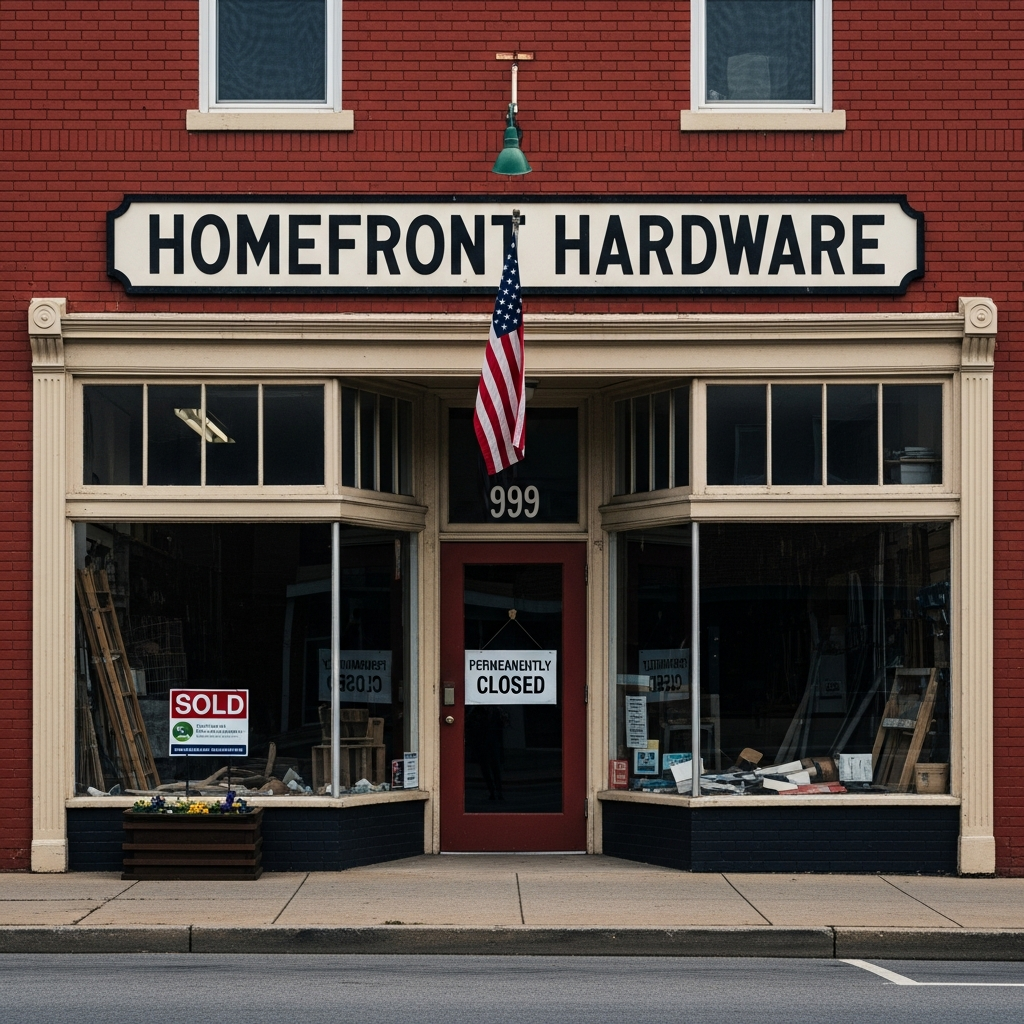
The retail landscape is constantly shifting, and even long-standing titans face insurmountable challenges. A poignant chapter in American home improvement history is drawing to a close as Homefront Hardware, a beloved regional chain that has served communities for 99 years, announces its permanent closure. Once a formidable competitor to industry giants like Lowe’s and Home Depot, this announcement marks a significant moment, highlighting the increasing pressures on traditional brick-and-mortar businesses and the evolving nature of consumer retail.
Homefront Hardware: A Century of Service and Community
For nearly a century, Homefront Hardware stood as a pillar of reliability and personalized service in numerous communities across its operational regions. Established in 1925, the company began as a single neighborhood hardware store, slowly expanding its footprint by prioritizing deep product knowledge, unparalleled customer assistance, and a commitment to local needs. Unlike the expansive, often overwhelming aisles of big-box stores, Homefront Hardware cultivated a more intimate shopping experience. Customers frequently praised its expert staff, who could guide them through complex projects or simply offer the right fastener without a moment’s hesitation. This human-centric approach fostered fierce loyalty among generations of DIY enthusiasts and trade professionals alike.
The Rise and Enduring Appeal of a Regional Powerhouse
Homefront Hardware successfully carved out its niche by focusing on specialty items, hard-to-find components, and a curated selection of quality brands that sometimes surpassed the offerings of its larger rivals. Its “99-year” history wasn’t just a number; it represented decades of adapting to market changes, surviving economic downturns, and building trust one customer at a time. The brand became synonymous with quality and community engagement, sponsoring local events and embedding itself into the fabric of the towns it served. This dedication allowed it to thrive even as Lowe’s and Home Depot expanded nationally, demonstrating that genuine value and personalized care could compete with scale.
Unpacking the Factors Behind the Closure
The decision to close Homefront Hardware’s doors permanently isn’t a simple one but rather the culmination of several complex economic and market forces. The home improvement sector, while robust, has become increasingly competitive, with multiple factors eroding the profitability of even well-established regional chains. Understanding these challenges offers critical insight into the broader struggles faced by many traditional retailers today.
Economic Headwinds and Supply Chain Disruptions
Recent years have presented unprecedented economic volatility. Soaring inflation has driven up the cost of goods, raw materials, and operational expenses, from utilities to transportation. Simultaneously, lingering global supply chain disruptions have made it difficult for retailers to consistently stock shelves with popular items, leading to lost sales and frustrated customers. For a company like Homefront Hardware, with potentially less leverage with suppliers compared to multinational corporations, navigating these challenges proved particularly arduous, squeezing profit margins to unsustainable levels.
The Relentless Pressure of Digital Commerce
Perhaps the most significant long-term challenge for Homefront Hardware, and similar retailers, has been the meteoric rise of e-commerce. Online platforms offer unparalleled convenience, vast product selections, and often highly competitive pricing. Consumers are increasingly comfortable researching products, comparing prices, and making purchases from the comfort of their homes. This shift in buying behavior means that while customers might still visit a physical store for immediate needs or expert advice, a substantial portion of their spending, particularly for planned projects, has migrated online, directly impacting brick-and-mortar foot traffic and sales volume.
Competition from Big-Box Giants and Niche Marketplaces
Beyond e-commerce, the sheer scale and buying power of national chains like Lowe’s and Home Depot present an ongoing threat. These giants can leverage their massive operations to secure lower prices from manufacturers, invest heavily in marketing, and offer a vast array of services. Furthermore, the market has seen the emergence of specialized online marketplaces catering to specific DIY or trade needs, further fragmenting the customer base that Homefront Hardware once served comprehensively. Maintaining competitive pricing and inventory in this environment is a monumental task for any regional player.
What This Closure Signifies for the Retail Landscape
The closure of a 99-year-old Lowe’s and Home Depot rival like Homefront Hardware is more than just a business failure; it’s a barometer of significant shifts in the retail industry. It underscores the profound challenges facing any business that relies on traditional retail models in the digital age.
The Evolving Role of Brick-and-Mortar Stores
This event forces a re-evaluation of what makes a physical store relevant. For many, a trip to the hardware store was once an essential outing. Now, physical locations must offer something beyond just products – whether it’s an immersive experience, highly specialized consultation, immediate availability for urgent needs, or a strong community hub. Stores that cannot differentiate or provide this added value struggle to justify their physical footprint.
Impact on Independent and Regional Retailers
Homefront Hardware’s closure sends a stark warning to other independent and regional retailers. While their agility and local connection can be advantages, they are also vulnerable to economic shocks, technology gaps, and the ongoing battle for consumer attention. This makes strategic planning, embracing technology, and finding unique value propositions more crucial than ever for survival and growth.
Navigating the Future of Home Improvement Retail
Despite these challenges, the home improvement sector remains vibrant. The key for surviving and thriving retailers, especially those aiming to be a viable alternative to the big chains, lies in adaptability and innovation.
Strategies for Sustainable Success
Smaller, independent hardware stores can still compete by focusing on hyper-specialization, creating unique in-store experiences, and leveraging their community ties. This might involve offering specialized workshops, becoming a hub for local tradespeople, or curating a selection of eco-friendly or locally sourced products that big boxes can’t easily replicate. Exceptional customer service, which was a hallmark of Homefront Hardware, remains an invaluable asset. Integrating online ordering with convenient in-store pickup or local delivery can also bridge the gap between digital convenience and physical presence.
The Importance of Niche and Experience
The future of successful “rivals” to the industry giants likely lies in deep niche penetration or unparalleled customer experience. Instead of trying to out-compete on sheer volume or lowest price, focusing on being the absolute best for a specific type of product, project, or customer segment can create a loyal following that values expertise over endless aisles.
Frequently Asked Questions
Which longtime home improvement retailer is closing after nearly a century?
Homefront Hardware, a regional chain that has served communities for 99 years, is permanently closing its doors. Established in 1925, it was known for its personalized service, expert staff, and curated product selection, allowing it to compete effectively with larger national chains like Lowe’s and Home Depot for decades. Its closure signifies the end of an era for a beloved and historically significant player in the home improvement retail sector.
What factors are contributing to the decline of established hardware store chains like Homefront Hardware?
The closure of established hardware retailers like Homefront Hardware is due to a confluence of factors. Economic pressures such as rising inflation, increased operational costs, and persistent supply chain disruptions have severely impacted profitability. Additionally, the overwhelming competition from e-commerce platforms offering vast selections and competitive pricing, along with the sheer scale and buying power of big-box retailers like Lowe’s and Home Depot, make it increasingly difficult for regional chains to maintain market share and sustainable growth.
How can consumers continue to support local hardware businesses amidst these closures?
To support local hardware businesses, consumers can prioritize shopping at independent stores for their home improvement needs, especially for specialty items or when seeking expert advice. Engaging with local hardware stores through their loyalty programs, participating in community events they sponsor, and utilizing any online ordering or local delivery services they offer can also make a significant difference. Choosing local not only helps these businesses thrive but often contributes to the unique character and economic vitality of the community.
A Legacy to Remember, A Future to Adapt
The closure of Homefront Hardware is a stark reminder that even businesses with deep roots and loyal customer bases are not immune to the relentless forces of modern retail. While it’s a sad moment for employees, customers, and the communities it served, it also serves as a catalyst for reflection. The home improvement industry, like all retail, will continue to evolve. The legacy of Homefront Hardware will, hopefully, inspire remaining independent and regional businesses to innovate, specialize, and continue fostering the invaluable personal connections that once made this 99-year-old rival a true cornerstone of its market.