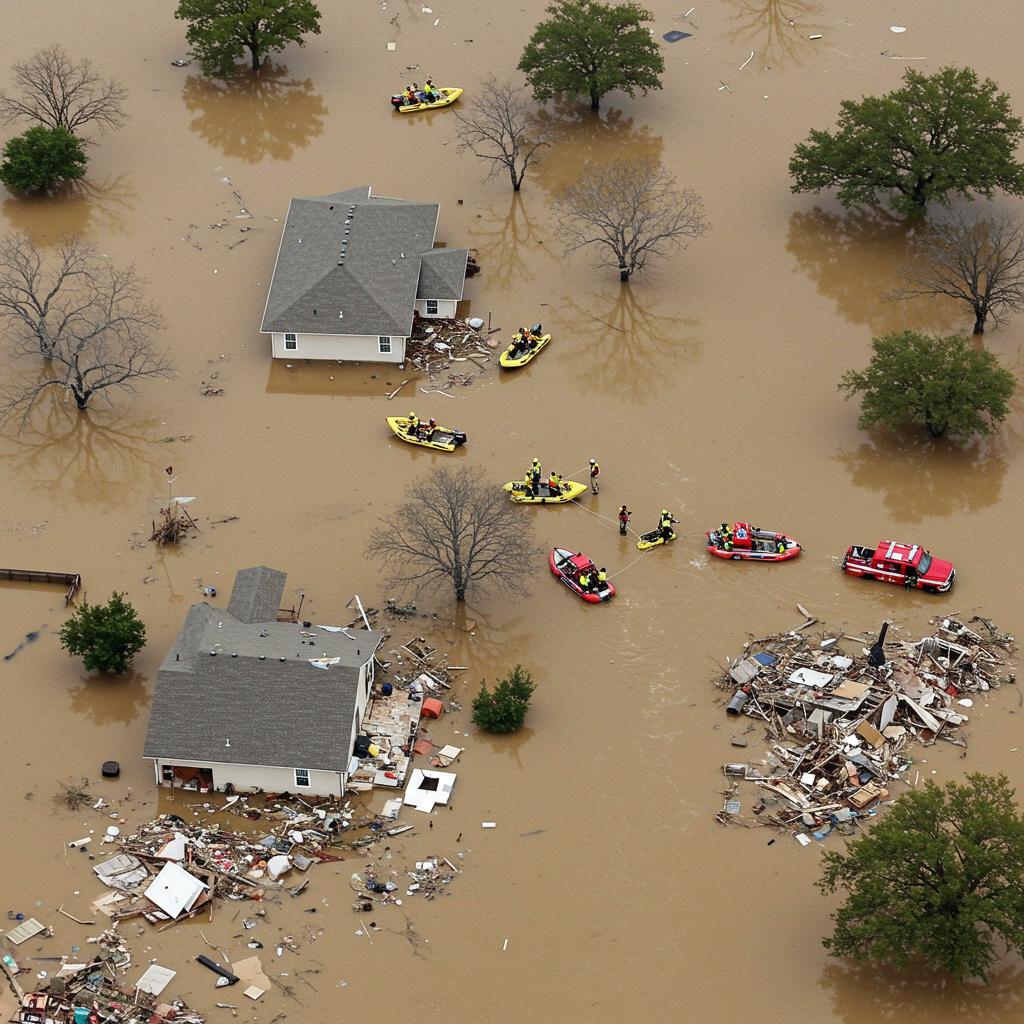
Central texas was struck by catastrophic flash floods over the Fourth of July holiday weekend, resulting in a tragic loss of life and widespread destruction. As search efforts continue, officials are grappling with the scale of the disaster, which claimed the lives of at least 82 people, including many children, and left dozens still missing. The devastation was particularly severe along the Guadalupe River, highlighting the extreme danger posed by rapid water surges in the region known as “Flash Flood Alley.” This article breaks down what is known about this unprecedented event and its unfolding aftermath.
A Weekend Turned to Tragedy: The Deadly Deluge
The deadly flooding intensified rapidly over the holiday weekend, catching many residents and visitors by surprise. Much of the heaviest rain fell during the dark, early morning hours when people were asleep. The intensity of the storm was extreme, dropping approximately 12 inches (30 centimeters) of rain in a short period.
Central Texas, particularly the Hill Country, is naturally prone to flash flooding. This is due to the area’s soil composition, which is often dry and packed. Instead of absorbing heavy rainfall, the ground forces water to skid quickly along the surface landscape. This rapid surface runoff funneled an immense volume of water into the Guadalupe River. The result was a staggering and dangerous surge: the river reportedly rose by an astonishing 26 feet (8 meters) in just 45 minutes near Kerrville. Survivors later described the incoming water as a terrifying “pitch black wall of death.”
Rising Death Toll and Ongoing Search for the Missing
The human cost of the flash floods has been devastating. As of Sunday evening, the confirmed statewide death toll reached at least 82 people. Kerr County bore the brunt of the fatalities. Sheriff Larry Leitha reported finding 68 bodies in the county by Sunday afternoon. Tragically, this number included 28 children.
Beyond Kerr County, other areas also reported fatalities. Travis County saw five deaths, Burnet County had three, and both Tom Green and Williamson counties each reported one death. Officials cautioned that the total number of deaths was expected to rise. Extensive search and rescue operations remain underway across the affected regions.
The number of missing persons also remains significant. Governor Greg Abbott stated on Sunday that 41 people were confirmed unaccounted for across the state. Search efforts involve first responders, Texas Game Wardens, helicopters, boats, drones, and numerous volunteers. Specific searches are focused on individuals last seen near the river.
Focus on Camp Mystic
A particularly poignant concern surrounds Camp Mystic, a Christian summer camp located along the Guadalupe River. Ten girls and one counselor who were at the camp are still unaccounted for. The floods caused immense devastation to the camp, washing away structures and leaving cabins damaged and covered in mud. For past campers, the tragedy transformed cherished memories into profound grief. Volunteers, including some using personal drones, have joined the search efforts near the camp, though officials urged them to stop using drones due to risks to rescue aircraft.
The exact number of missing individuals from other nearby campgrounds or residential areas in the region has not yet been finalized. The influx of visitors during the July Fourth holiday complicated initial estimates. Kerrville City Manager Dalton Rice noted the difficulty in determining a precise number early on.
The Debate Over Warnings and Preparedness
The rapid and destructive nature of the floods has led to scrutiny regarding emergency warnings and preparedness. Survivors recounted receiving little or no warning before the floodwaters arrived. Kerr County Judge Rob Kelly, who lives along the Guadalupe River, stated Saturday that “nobody saw this coming,” describing the event as a “100-year-flood.” This term indicates a statistically low probability of such water levels occurring based on historical data.
However, questions have been raised about whether residents and youth camps along the river should have been alerted sooner. An urgent warning from the National Weather Service, raising the potential for catastrophic damage, was issued around 4 a.m. Some residents in the Kerrville area reported alarmingly high water levels by 5:20 a.m. The speed of the river’s rise underscores the challenge of issuing timely alerts in flash flood events.
Officials have offered various explanations. They cited the potential for “warning fatigue” among the public if too many alerts are issued for minor events. Kerr County officials also mentioned that a proposal for a more robust flood warning system, similar to a tornado warning system, was not implemented due to public concerns about the cost. Tension surrounding the warning delays was evident when officials reportedly ended a news briefing on Sunday after repeated questions from reporters.
Climate Change and Extreme Weather
The discussion around the floods has also touched on the potential link to human-caused climate change. While meteorologists are hesitant to definitively connect specific storms to global warming immediately, a warmer atmosphere holds more moisture. This can potentially allow severe storms to dump greater amounts of rain when they do occur. The article notes that historical statistics behind “100-year flood” estimates may not fully account for the potential impacts of a warming planet on extreme weather event frequency and intensity.
The Scope of Destruction and Recovery Efforts
The physical damage caused by the flash floods is immense. Floodwaters erased campgrounds, tore homes from their foundations, and swept away vehicles and structures. Debris is widespread, making roads impassable and hindering rescue and recovery operations. Kerr County Judge Rob Kelly surveyed the destruction from a helicopter and stated, “It’s going to be a long time before we’re ever able to clean it up, much less rebuild it.” Past major flooding events in Texas have sometimes led residents and businesses to abandon affected properties entirely.
Response efforts are broad and continue around the clock. The Federal Emergency Management Agency (FEMA) has personnel on the ground in Kerr County. President Donald Trump signed a major disaster declaration specifically for Kerr County, activating federal resources. He indicated he would likely visit the flood zone on Friday. President Trump commented on the event, calling it “absolutely horrible” and a “100-year catastrophe that nobody expected.” He also commented on federal agency staffing, dismissing claims that budget cuts impacted warnings as “disgusting.”
Community members are also stepping up to help. Heartbreaking stories of resilience and neighborly support are emerging. Ilda Mendoza, a pregnant Kerr County employee, has been leading a volunteer search for her elderly neighbors. While one neighbor’s body was tragically found, the search for his wife continues with volunteers sifting through debris. In another instance of community support, nine-year-old twins set up a lemonade stand, raising over $5,000 for recovery efforts at Camp Mystic. Rescuers successfully saved over 850 people in the initial 36 hours following the floods.
Looking Ahead: Continued Flood Risk and Long Recovery
While near-term weather models did not indicate a repeat of the intense rainfall from July 4th and 5th, the National Weather Service has issued a flood watch for parts of the Texas Hill Country through Monday evening. Slow-moving thunderstorms remain a possibility, capable of dropping additional rain on already saturated ground. Authorities warn that the saturated soil increases the likelihood of rapid runoff and flash flooding, urging people to avoid driving or walking through floodwaters. More rain is possible on Wednesday, but the rest of the week is currently expected to be dry for the Hill Country region.
The focus remains on search and rescue, debris removal, and beginning the long process of recovery and rebuilding. The scale of the devastation suggests a monumental effort will be required to help communities along the Guadalupe River heal and recover from this tragic event.
Frequently Asked Questions
What caused the deadly Texas flash floods in July 2025?
The catastrophic flash floods were caused by an extremely intense storm that dropped about 12 inches of rain rapidly, much of it overnight. The Texas Hill Country has dry, packed soil that doesn’t absorb heavy rain well. This led to massive surface runoff flowing quickly into the Guadalupe River, causing it to rise by 26 feet in just 45 minutes, resulting in the devastating flash flooding.
How many people were killed or remain missing in the Texas floods?
As of Sunday evening, at least 82 people were confirmed dead across Texas due to the floods. Kerr County accounted for the majority of fatalities, with 68 deaths reported, including 28 children. Statewide, Governor Greg Abbott confirmed 41 people were still unaccounted for. This includes 10 girls and a counselor missing from Camp Mystic, a summer camp heavily impacted by the floods. Search efforts are ongoing for the missing.
Why were there concerns about the warning systems during the Texas floods?
Concerns arose because survivors reported receiving little to no emergency warnings before the rapid and violent arrival of the floodwaters. Officials issued an urgent warning around 4 a.m., but some believe it was not soon enough given the speed of the river’s rise. Officials mentioned challenges like potential public “warning fatigue” and past public resistance to funding a more robust warning system as factors, while some reports noted the area was considered “Flash Flood Alley,” making rapid rises expected.
Conclusion
The flash floods that struck Central Texas over the Fourth of July weekend represent a profound tragedy, leaving at least 82 people dead and dozens still missing. The rapid, devastating surge of the Guadalupe River overwhelmed communities, particularly in Kerr County, causing extensive destruction. As search and recovery efforts continue, the focus remains on finding the missing and supporting the affected communities. The event has also sparked important conversations about the adequacy of warning systems in flood-prone areas and the potential influence of climate change on extreme weather patterns. Rebuilding will be a long and challenging process for the Texas Hill Country.