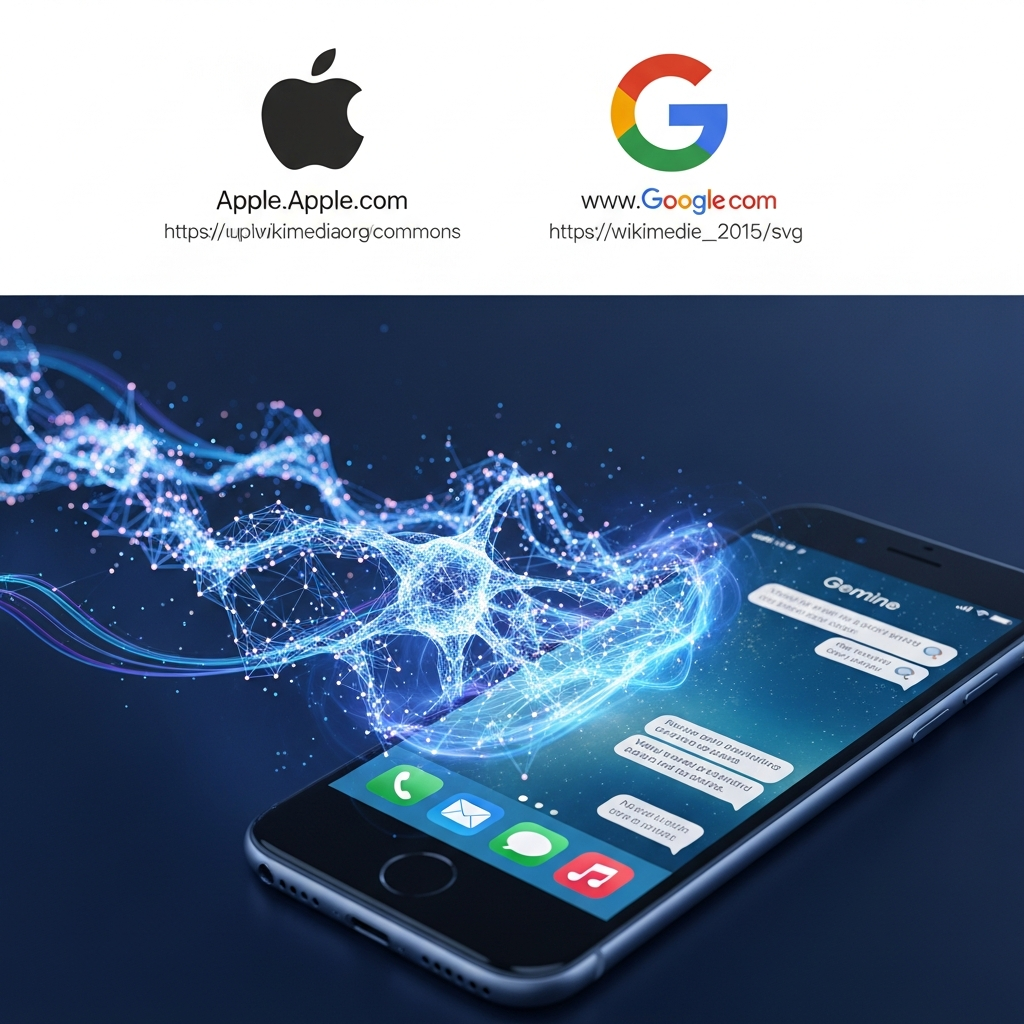
The tech world is buzzing with a landmark announcement: Apple is partnering with Google. This multi-year collaboration will integrate Google’s powerful Gemini AI models into Apple’s ecosystem. It promises to deliver a significantly more personalized and capable Siri, along with enhanced Apple Intelligence features, expected to launch as early as 2026. This strategic move signals a united front between two industry giants, aimed at pushing the boundaries of artificial intelligence while addressing critical user demands.
The Dawn of a New Era: Apple Embraces Google’s Gemini AI
Apple and Google have officially forged a multi-year partnership. Google’s Gemini AI models will underpin a more advanced version of Siri. This significant upgrade is anticipated to roll out with iOS 26, iPadOS 26, and macOS 26 Tahoe, specifically targeting a 2026 launch. This collaboration aims to unlock “innovative new experiences” for Apple users, according to a joint statement from both companies. For years, users have yearned for a smarter, more intuitive Siri. This deal could finally deliver on that promise.
Unpacking the Historic Partnership
This agreement solidifies a strategic alliance. Apple chose Google’s AI technology after extensive internal evaluation. They deemed it the “most capable foundation” for Apple Foundation Models and the new Apple Intelligence features. This decision came after Apple reportedly tested competing models from OpenAI (ChatGPT) and Anthropic (Claude). The choice of Gemini underscores Google’s significant advancements in AI capabilities.
The partnership also builds on a complex, decade-long history of “co-opetition.” A prime example is Google’s long-standing agreement. Google pays Apple billions annually to remain the default search engine on Apple devices. This new AI deal, reportedly valued at around $1 billion per year from Apple to Google, represents another chapter in their interwoven business relationship.
Why Gemini? A Strategic Choice for Apple Intelligence
Apple’s decision to leverage Google’s Gemini models is a pragmatic one. It signifies a strategic shift for the iPhone maker. Historically, Apple has preferred to own every layer of its technology stack. However, experts like IDC analyst Francisco Jeronimo view this as an acknowledgment. Apple’s internal AI development, in the short term, couldn’t match Gemini’s capability and scale. This partnership allows Apple to pivot its focus. It can now concentrate on delivering exceptional user experiences. They will leverage Google’s robust AI foundation rather than investing heavily in becoming a frontier model company.
Prioritizing Privacy with Private Cloud Compute
Despite integrating external AI, Apple remains steadfast in its commitment to user privacy. The agreement explicitly states that Apple Intelligence will continue to operate on Apple devices. It will also utilize Apple’s Private Cloud Compute system. This setup is designed to keep user data “walled off from Google’s infrastructure.” Analysts at Morningstar affirmed that this arrangement would preserve Apple’s reputation for security and privacy. Gemini instances will run on Apple’s own servers within its data centers via Private Cloud Compute. Users are also expected to have an opt-in option for sharing prompts directly with Gemini. This ensures a privacy framework similar to Apple’s previous arrangement with OpenAI for Siri.
A Mutually Beneficial Alliance: What Both Giants Gain
This partnership is a “win-win” scenario for both Apple and Google. It positions both tech giants strongly against emerging AI startups. The collaboration enhances their respective market positions and technological capabilities.
Apple’s AI Reinvention: Overcoming Past Challenges
For Apple, this deal is a significant turnaround. The company has faced considerable public criticism regarding its AI efforts. Issues included:
Conspicuously absent Siri updates at WWDC.
Inaccurate Apple Intelligence message summaries.
Unfulfilled promises in TV advertisements for new Siri features.
A leadership change in its AI division.
This high-profile partnership is a strategic effort to course-correct its AI trajectory. It allows Apple to deliver highly useful AI agents. These agents can deeply penetrate the consumer market. Cornell’s James Grimmelmann suggests Apple is attempting to retain its unique relationship with users. This relationship is threatened by the rise of AI, similar to how the web challenged Microsoft’s dominance.
Google’s Enhanced AI Dominance
Google also stands to gain substantially from this agreement. Integrating Gemini into iPhones elevates Google to a “de facto option” for AI models in consumers’ minds. This is akin to its dominance in search. The deal will significantly expand Google’s user base. It will integrate its AI into potentially billions of active Apple devices. This reinforces its brand image as a leading AI model provider in the competitive AI landscape.
The Elephant in the Room: Regulatory Scrutiny Ahead?
While beneficial for the companies, this deal is likely to attract significant scrutiny from regulators worldwide. The interwoven nature of the Apple-Google business relationship has a history of antitrust challenges.
Navigating Antitrust Concerns
Experts like James Grimmelmann and Blake Reid warn that the deal could trigger new antitrust scrutiny. This is reminiscent of the recent Google Search trial. That trial aimed to prevent such “sweetheart AI deals.” While Google largely prevailed then, a new trial concerning its AI provider role for Apple remains a possibility. The specific details of how data is shared will be crucial. If Google primarily receives payment for white-labeled technology without substantial data flows from Apple, antitrust concerns might be less pronounced. However, if it gains a data “moat” similar to its search advantage, regulators will likely intensify their examination. Both EU and UK regulators have previously expressed concerns over large technology deals. They fear such agreements could be used to consolidate market dominance.
What This Means for You: The Future of Siri and Apple Devices
The integration of Google’s Gemini AI promises a much-needed overhaul for Siri. Users can anticipate a more intelligent, responsive, and context-aware virtual assistant. This collaboration with Google is not Apple’s sole AI play. In June 2024, Apple unveiled a similar deal with OpenAI. This integrated the popular ChatGPT chatbot into its suite of generative AI tools, Apple Intelligence. The non-exclusive nature of the Gemini deal provides Apple flexibility in its evolving AI strategy.
Anticipating the 2026 Siri Overhaul
The highly anticipated overhaul of Siri has faced multiple delays. Originally slated for iOS 18 in 2024, reliability issues caused a postponement. A spokesperson confirmed that an upgrade is now slated for 2026, with previous reports indicating a spring launch. The partnership with Google’s Gemini models is expected to be central to that long-awaited enhancement. Users can look forward to improvements in:
Personalization: Siri will understand user context and preferences better.
Natural Language Understanding: More fluid and accurate conversations.
- Proactive Assistance: Siri could offer more relevant suggestions and automate tasks.
- www.theverge.com
- www.bbc.com
- techcrunch.com
- arstechnica.com
While Apple’s initial approach to AI has been “subtle, sometimes invisible,” this partnership sets the stage for a more impactful and noticeable integration of advanced AI into everyday Apple experiences.
Frequently Asked Questions
When will Apple’s enhanced Siri with Google Gemini AI launch?
The significantly enhanced version of Siri, powered by Google’s Gemini AI models, is anticipated to launch in 2026. This multi-year partnership aims to deliver a more personalized and capable virtual assistant. It is expected to be rolled out as part of updates to iOS 26, iPadOS 26, and macOS 26 Tahoe. This timeline follows previous delays in Siri’s overhaul.
How will Apple ensure user privacy with Google Gemini models?
Apple has explicitly stated its commitment to privacy. The agreement stipulates that Apple Intelligence, including features using Gemini, will operate on Apple devices and Apple’s Private Cloud Compute system. This setup is designed to “wall off” user data from Google’s direct infrastructure. Users are also expected to have an opt-in option for sharing prompts directly with Gemini, further reinforcing Apple’s stringent privacy standards.
What are the biggest benefits of the Apple-Google AI partnership for users?
For users, the primary benefit is a vastly improved and more personalized Siri. This partnership will bring advanced AI capabilities to Apple devices, potentially offering more accurate responses, better contextual understanding, and new innovative experiences. It also ensures that Apple, known for its user experience, remains competitive in the rapidly evolving AI landscape, ultimately leading to more useful and integrated AI features within the Apple ecosystem.
Conclusion
The collaboration between Apple and Google on AI marks a pivotal moment in the tech industry. It underscores the immense value of advanced AI models and the complex dynamics between competing giants. This partnership, while raising potential regulatory eyebrows, promises a future where Apple users benefit from cutting-edge artificial intelligence, all while Apple strives to uphold its rigorous privacy standards. As the 2026 launch approaches, the anticipation for a truly intelligent Siri and groundbreaking Apple Intelligence features will only continue to grow. This strategic alliance is set to redefine the user experience across billions of devices globally.