Key takeaways
- Uganda’s state-run Uganda Virus Research Institute (UVRI) said on Friday, November 27, 2026, that it had started Africa’s first clinical trial of an mRNA vaccine against Ebola.
- The Phase I study targets the Bundibugyo strain and plans to enrol 224 volunteers aged one to 65, the first test of this vaccine in children, UVRI said.
- No vaccine or treatment is licensed for Bundibugyo, according to the World Health Organization (WHO) figures cited by TRT Africa and Euronews.
- The Uganda trial measures safety and immune response. It does not test whether the vaccine prevents disease.
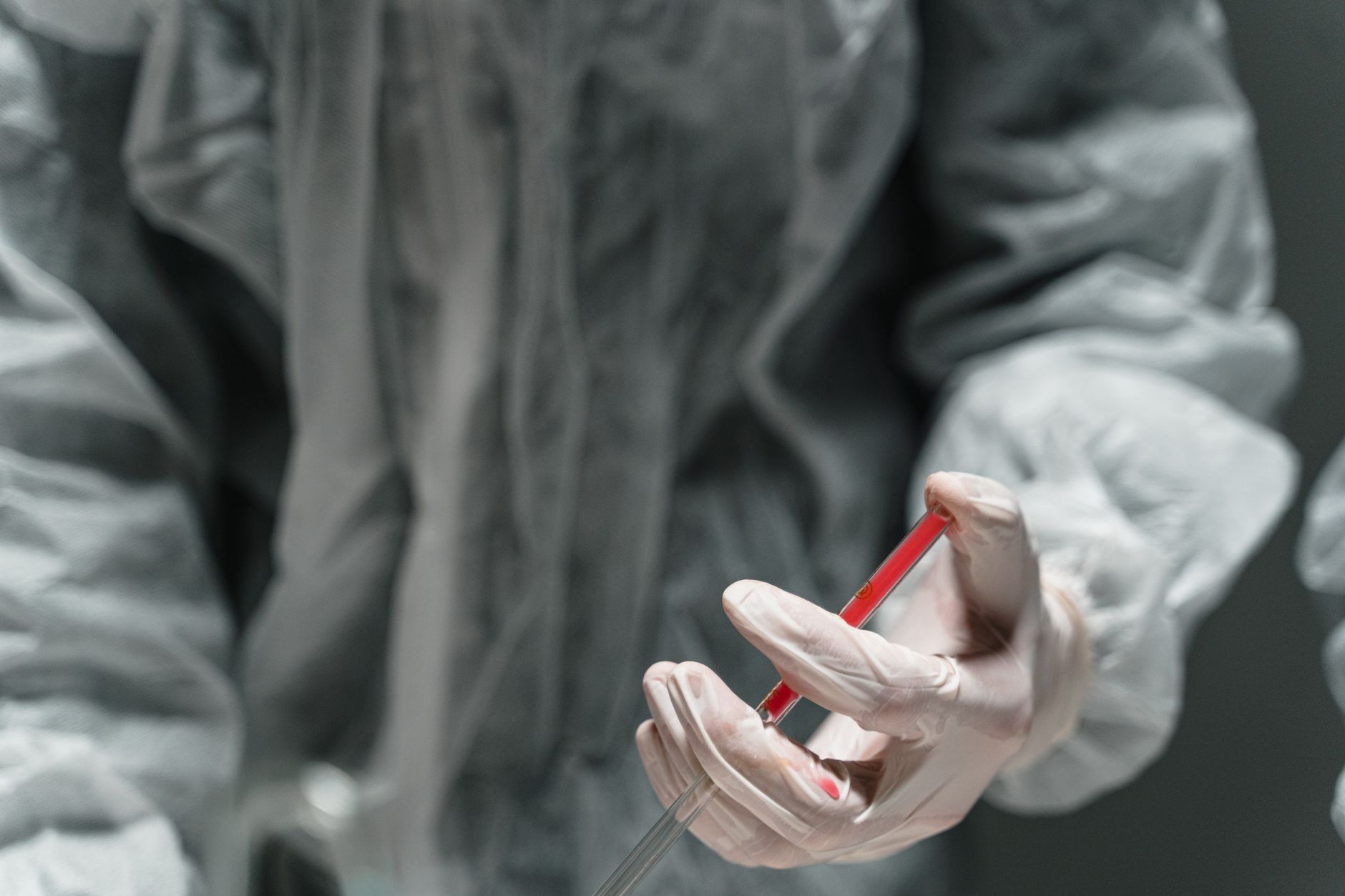
A Uganda mRNA Ebola vaccine trial has started, marking Africa’s first clinical test of an mRNA vaccine against Ebola, the state-run Uganda Virus Research Institute (UVRI) said on Friday, November 27, 2026. The trial targets the Bundibugyo strain, the less common form of the Virus behind an outbreak in neighbouring Democratic Republic of Congo (DRC). It was run in collaboration with the US company Moderna, which makes the investigational vaccine.
What the Uganda trial will measure
The trial is a Phase I study. Phase I trials are the earliest stage of human testing, and their main job is to check safety and whether a vaccine triggers an immune response. UVRI’s stated aims are those two things, not proof of protection, according to Euronews and TRT Africa.
The design is 224 healthy volunteers aged one to 65. CASRAI, a news post that cited the UVRI release, reported that the trial is registered as mRNA-1469-P102 and that follow-up runs about one year from the injection, to roughly late 2027. It also reported that screening and enrolment were underway on November 27, and that Uganda’s regulatory authorities reviewed and approved the study.
CASRAI reported that the Coalition for Epidemic Preparedness Innovations (CEPI) is funding the work, with up to US$58.5 million committed to Moderna. Reuters did not give a funding figure in its report. The CEPI funding amount therefore comes from the UVRI release as relayed by CASRAI and has not been separately confirmed.
UVRI director Professor Pontiano Kaleebu was quoted in the release as saying, “We have worked very fast supported by the Ugandan regulators.” Hamilton Bennett, Moderna’s executive director of resilience research and development, said in the same release that evaluating the vaccine in children would provide valuable data.
Why children are the focus
The trial’s most distinctive feature is its age range. Reuters reported that UVRI describes it as the first study of the vaccine in children from age one. Al Jazeera also reported that the trial will test safety and immune response in children aged one and above for the first time.
Richard Hatchett, chief executive of CEPI, which helps fund the vaccine, said: “Children are often among those hardest hit when Ebola strikes, yet they are too often the last to benefit from new vaccines.”
The Canadian study is the comparison point. Moderna began its first human trial of the vaccine in Canada in August, enrolling adults aged 18 to 65. CASRAI reported that the first volunteers were dosed on August 3, 2026, at three sites, with about 80 adults planned. The Uganda study therefore starts testing in younger people after adult data began to come in. Neither Reuters nor CASRAI reported any outcome data from the Canadian study, so the safety and immune findings from either trial are not yet public.
Outbreak numbers differ by source and date
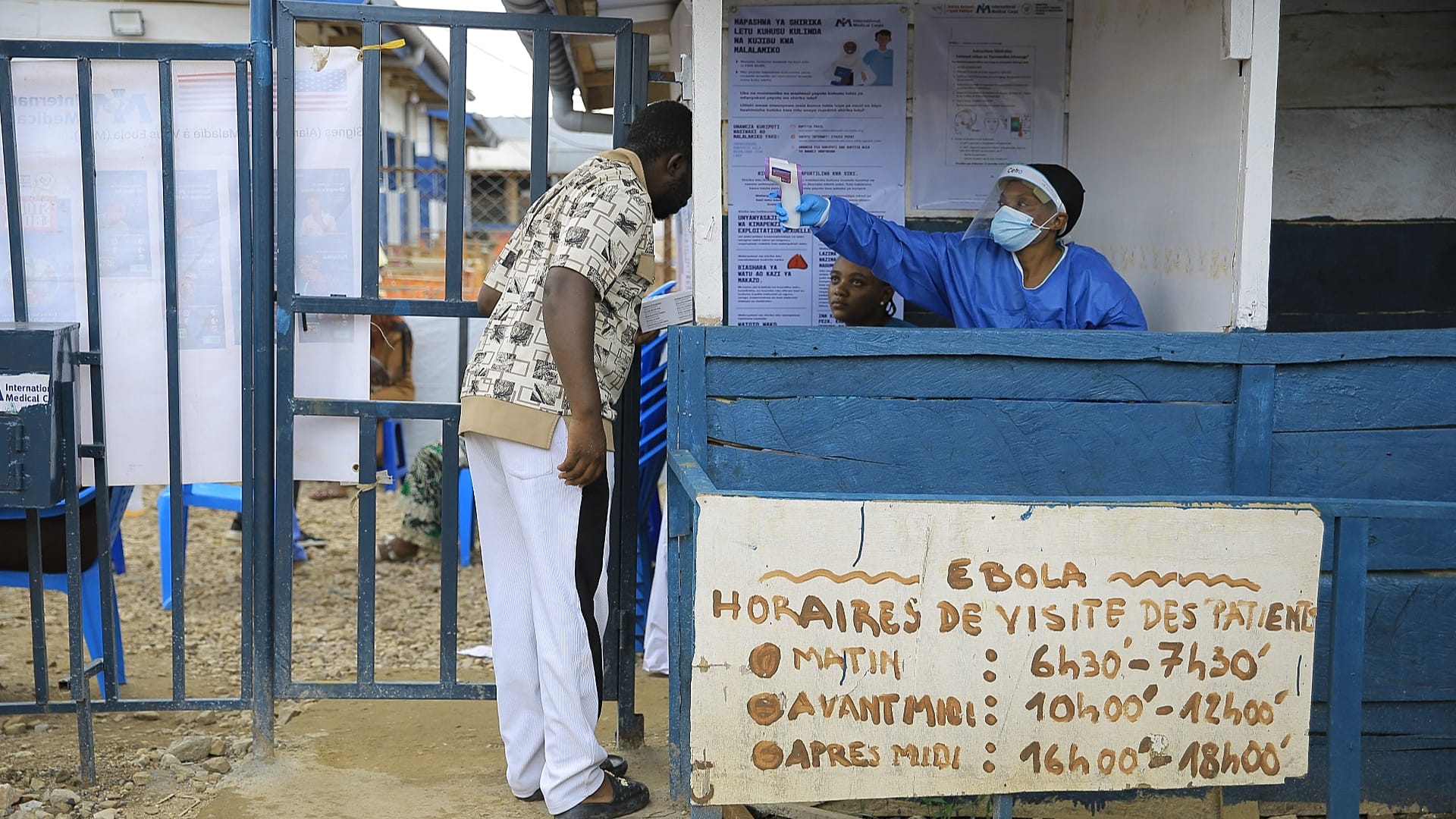
The outbreak has been recorded since May in DRC. Reporting on its size varies because outlets cite different bodies and dates.
Al Jazeera reported that DRC government data released on Thursday, November 26, showed at least 12,021 confirmed infections and 5,904 deaths since the outbreak began in mid-May.
TRT Africa and Euronews attributed figures to the WHO of more than 11,000 cases and more than 5,700 deaths. Neither outlet gave a specific date for those figures.
CASRAI, citing Gavi VaccinesWork, reported that by November 7, 2026, DRC had nearly 11,000 cases and more than 5,300 deaths.
Reuters described the outbreak as the second-largest on record in the world, but its report gave no case or death figures to support that ranking. The differences above reflect different dates and reporting bodies, not a dispute over the outbreak’s direction. Readers should treat the most recent DRC government figure as the latest reported count, and treat the WHO numbers as the agency’s figures at the time they were published.
Competing vaccines in eastern DRC
Uganda’s trial is one of several efforts to find a vaccine for Bundibugyo, and it is not the only candidate headed into the outbreak zone.
CASRAI reported that on November 4, 2026, the WHO’s Technical Advisory Group on candidate vaccine prioritization recommended two candidates for further clinical evaluation. They are the ChAdOx1 vaccine, developed by the University of Oxford and the Serum Institute of India, and Moderna’s mRNA-1469. Both are to enter the Tumaini trial in DRC after national approvals.
CASRAI described Tumaini as a Phase 2/3 adaptive platform trial. Participants are randomly assigned to an Ebola vaccine or a comparator, and everyone receives the alternative on day 29. The trial vaccinates high-risk contacts of confirmed cases in rings, a targeted approach that works outward from known cases. CASRAI reported that the first vaccination in Tumaini took place on October 23, 2026, in Bunia, DRC, and that WHO expects results in early 2027. That WHO expectation is a forecast.
Al Jazeera and Euronews both reported that the Oxford-linked ChAdOx1 vaccine begins testing in DRC on Monday, December 1. Euronews reported that two experimental vaccines are scheduled to start on Monday in eastern DRC, aimed at contacts of infected people and those at high risk of infection. Reuters reported that Moderna’s vaccine is expected to enter trials in DRC soon, but it gave no date.
Gavi, the Vaccine Alliance, is moving ahead of trial results. It signed a purchase commitment last week with the Serum Institute for 1.5 million doses of ChAdOx1, according to Al Jazeera. Gavi plans to have “hundreds of thousands” of doses ready to deploy if trials succeed and are approved by the WHO and the DRC government.
Emanuele Capobianco, Gavi’s director of global health security, told AFP: “We’re investing in it, hoping that the signals will be positive, and if that is the case, we’ll have gained months and months on the deployment.” Euronews quoted him saying he hoped trials would conclude within the first half of 2027, and possibly within the first quarter in a more optimistic case. Those are forecasts that depend on results.
Scientists are also testing whether Merck’s Ervebo vaccine gives any cross-protection against Bundibugyo. Ervebo targets the Zaire strain of Ebola. Euronews reported that Gavi holds a stockpile of 500,000 Ervebo doses. Neither Reuters nor Euronews reported a result from that testing, so its effectiveness against Bundibugyo is unconfirmed.
Uganda’s own outbreak
Uganda shares a long, porous border with eastern DRC. TRT Africa and Euronews reported that Uganda recorded imported Ebola cases earlier in 2026 and contained the spread. Uganda recorded 20 infections and two deaths in total, according to the Ugandan Ministry of Health cited by Al Jazeera.
The outlets disagree on when Uganda declared the outbreak over. Al Jazeera reported that the declaration came on July 28. TRT Africa, Euronews and CASRAI reported the declaration as occurring in August. The Ugandan declaration date therefore differs by source, and the sources do not explain the difference.
What remains unknown
Every candidate vaccine for Bundibugyo is still experimental. Euronews reported that neither vaccine has been shown to be safe or effective against this strain, and that the trials exist to answer that question.
Reuters reported that its article gave no start date or duration for the Uganda trial, no trial sites, no regulatory approvals for the vaccine, and no outcome data from the Canadian trial. Reuters also reported no direct statements from UVRI, Moderna, Congolese authorities or the WHO. The Uganda trial’s start date is set as November 27, 2026, through CASRAI’s reporting of the UVRI release.
Readers should also note that a trial start is not a sign of readiness for general use. CASRAI reported that the Uganda vaccine is available only inside trials.
Frequently asked questions
Is the Uganda mRNA Ebola vaccine approved for use?
No. CASRAI reported that the vaccine is available only in trials and that the study measures safety and immune response, not whether it prevents disease. TRT Africa and Euronews reported that no vaccines or treatments are currently approved for the Bundibugyo strain.
Who is taking part in the Uganda trial?
The trial plans to enrol 224 healthy volunteers aged one to 65, according to UVRI as reported by Al Jazeera, Euronews and TRT Africa. Children from age one are included, which UVRI describes as a first for this vaccine.
When could results from the vaccine trials be known?
Capobianco of Gavi hoped trials would conclude within the first half of 2027, Euronews reported, and WHO expects results from the Tumaini trial in early 2027, CASRAI reported. Both are forecasts and depend on the trial data.
References
- TRT Afrika – Uganda launches Africa’s first mRNA Ebola vaccine trial — trtafrika.com
- Uganda begins Africa’s first mRNA Ebola vaccine trial — euronews.com
- Uganda begins Africa’s first trial of mRNA vaccine against Bundibugyo Ebola — thefinancialexpress.com.bd
- Uganda Starts First mRNA Ebola Vaccine Trial — casrai.org
- Uganda starts mRNA Ebola vaccine trial in first for Africa — aljazeera.com
Featured image: Photo by MART PRODUCTION on Pexels