
Key takeaways
- Lenders have paused or re-examined several billion dollars of loans linked to ByteDance, Alibaba and Tencent, per Bloomberg.
- Under new US rules, firms in Singapore, Malaysia, Indonesia, Thailand and Brazil must secure government permission to acquire top-tier AI chips made by American companies.
- Data centers already renting large amounts of computing capacity to Chinese firms must apply for a distinct license and have 90 days to do so.
- Asia-Pacific data center lending grew from nearly nothing in 2023 to over $49 billion, based on figures Bloomberg assembled.
Lenders have held back billions of dollars in data center financing connected to Chinese tech companies, after fresh US limits on access to advanced chips created legal uncertainty across Asia’s rapidly expanding AI debt market, Bloomberg reported. The report, which The Economic Times republished and last updated on November 26, 2026, says Some major loans are being postponed or re-evaluated, one bank has walked away from a fully underwritten loan, and lenders hoping to offload their holdings are having difficulty finding purchasers.
The catalyst is a US move unveiled the week before the report. Per Bloomberg, firms in Singapore, Malaysia, Indonesia, Thailand and Brazil now require a US government permit to purchase cutting-edge AI chips from American makers. Bloomberg characterizes the announcement only as having arrived “last week,” so the precise date remains unverified in this report.
Sentiment turned fast. Jensen Huang’s unexpected comeback at Nvidia Corp. gave AI shares a brief boost earlier that week. Bankers, though, stayed concerned about the legal exposure of funding data centers and neoclouds, meaning cloud operators built around AI computing that might face tougher US export rules. Transactions that were close to completion are now uncertain.
Which data center deals have stalled
Bloomberg’s account leans heavily on people close to the discussions, and most of the companies mentioned declined to speak publicly. The cases reported are:
- Bridge Data Centres (Bain Capital): Some lenders have slowed progress while they conduct further due diligence on an enlarged $6.6 billion loan. Bain directed inquiries to Bridge Data Centres, which chose not to comment. Bloomberg noted that the company’s facilities in Malaysia serve customers such as ByteDance, which did not answer a request for comment.
- Digital Halo (Partners Group-backed): A single bank has opted out of a fully underwritten $372 million loan for a Malaysian data center that serves Alibaba and other clients. Additional lenders are raising more questions. Digital Halo, Alibaba and Partners Group gave no response or declined to comment.
- Aolani (Singapore-based neocloud): Several banks were rethinking a $480 million loan. Bloomberg reported that the firm wins business from ByteDance. Aolani did not reply to questions.
- GMI Cloud (Nvidia cloud partner): At least one fund has chosen to stay out of a $300 million loan intended to finance chips for a Thai data center expected to serve Tencent. GMI Cloud and Tencent did not reply to requests for comment.
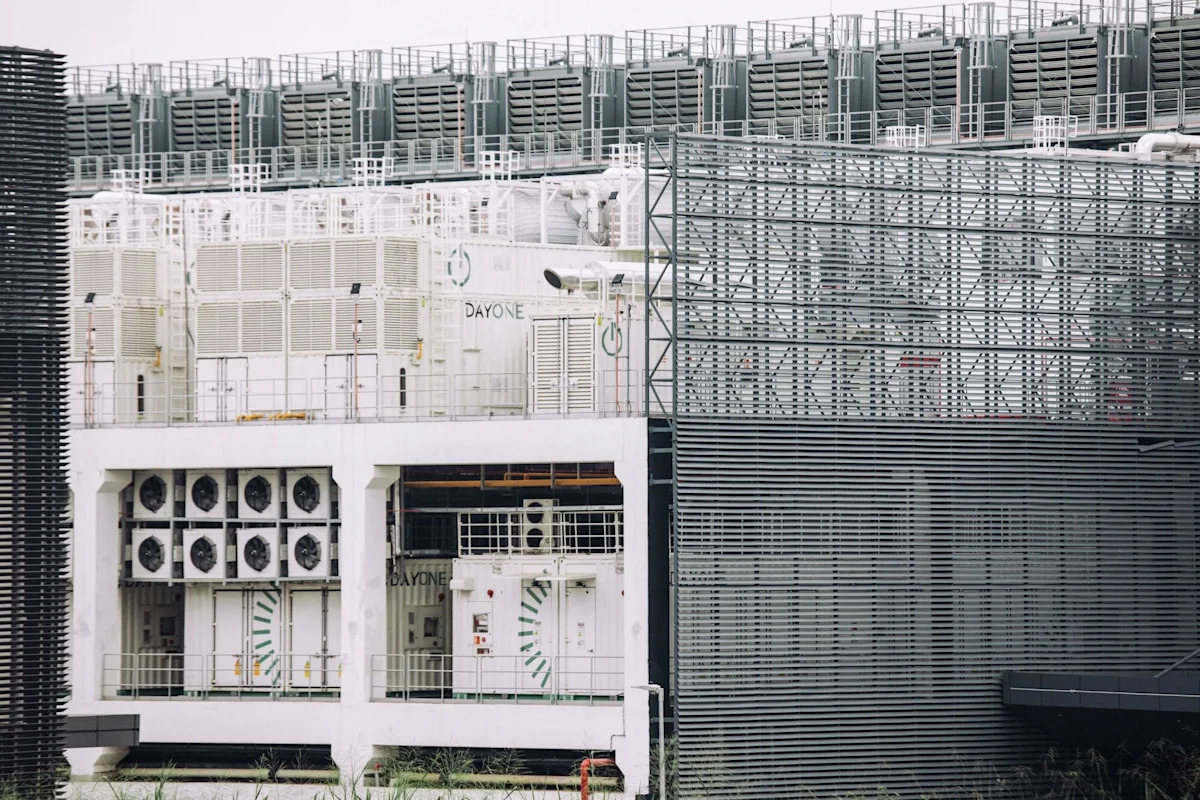
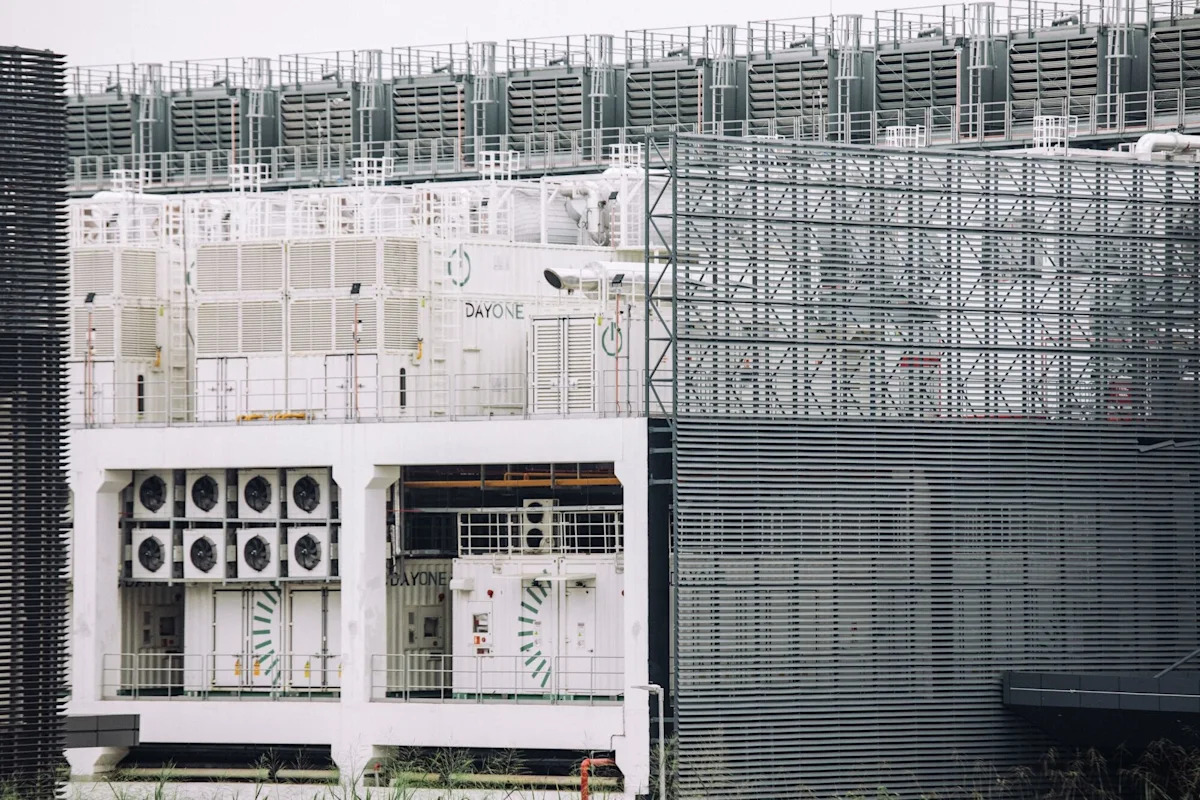
- DayOne Data Centers: Bloomberg reported that ByteDance is its largest client. According to people familiar with the situation, the company has frozen its plans for a US stock market debut.
- A BlackRock-involved consortium: Separate people familiar with the situation said the group is weighing a reduction in its bid for a set of Asia-Pacific data centers.
The four named loans add up to about $7.75 billion, based on Bloomberg’s reported amounts. Bridge’s enlarged request makes up most of that total, and the article presents it as a loan being pursued, not one that has been signed or endorsed. The cases point to three pressure points: loan size, the identity of the end customer, and the capacity to resell the debt later. The new rules affect each of them.
Why chip rules reach lenders as well as chipmakers
Export controls are normally framed as regulations for chip sellers and purchasers. The lending issue is another matter. A data center loan is paid back from the facility’s revenue, and that revenue hinges on which customers are legally allowed to run the equipment inside. If a major client loses access, or the operator must obtain a license it might never receive, the premises underpinning a loan can shift rapidly.
This is an analytical interpretation of Bloomberg’s reporting rather than a conclusion stated in it. The article itself notes that bankers were worried about legal risks and that the specifics of the new rules were still unresolved.
The word “neocloud” refers to a provider built specifically around AI computing. Such companies lease out graphics processing units, the chips used to train and operate AI models. Bloomberg uses the term “GPU financing” for lending that pays for these chips. According to the article, private lenders have been the most aggressive in chasing the higher returns this kind of lending offers, so they have been among the first to step back.
The exposure is also concentrated in a small group of clients. Several of the named projects serve ByteDance, Alibaba or Tencent. When one set of customers is linked to so many facilities, a single policy shift can hit many loans simultaneously.
How Southeast Asia became a financing hub
Bloomberg links the region’s prominence to the Biden administration’s 2022 limits on advanced US chips. Those limits, the article explains, gave rise to a network of Southeast Asian firms that let Chinese tech companies use the hardware from afar. Lending to regional data centers picked up in the years that followed. Financing for chips began to grow more recently, once banks became more at ease with riskier transactions.
The expansion has been quick. Based on data Bloomberg compiled, lending to Asia-Pacific data center companies went from virtually nothing in 2023 to over $49 billion. Because the market is so young, lenders have little experience with how it responds when rules change. That helps explain why the current pause matters, though this is an inference from the timeline rather than a statement in the article.
The situation also illustrates how a policy aimed at one nation can spill over into its neighbors. The named facilities are located in Malaysia and Thailand, and the operator Aolani is headquartered in Singapore, yet the restrictions that triggered the pause were written around chip access for companies in five countries and for data centers serving Chinese firms around the world.
Banks are cutting exposure while private lenders retreat
Bloomberg reports that lenders such as Citigroup Inc. and Standard Chartered Plc, along with Singapore’s largest banks, have started a broad review of their data center clients. People familiar with the matter describe the review, and the banks have not disclosed its scope.
Some banks are looking to lower their exposure. The article describes two approaches. The first is secondary loan sales, where a lender sells part of a loan to other investors. The second is a significant risk transfer, or SRT, an arrangement in which a bank shifts part of the risk in a loan portfolio to outside investors, potentially freeing capital the bank must set aside against those loans.
United Overseas Bank Ltd. of Singapore is reportedly pursuing an SRT transaction of about $1 billion that would offload risk tied to data center and infrastructure loans, among other sectors. One person familiar with the matter said recent headlines are slowing progress, and that the terms are not final and may shift. UOB declined to comment, pointing to confidentiality around the deal.
The article says lenders trying to reduce their holdings are finding few interested buyers. That detail is significant because selling is one of the standard ways a bank cuts risk after making a loan. If buyers are thin on the ground, banks may keep loans longer than planned or accept less favorable terms.
What lenders and analysts are saying
Analysts at S&P Global Ratings wrote in a November 24 report that data center operators and lenders are likely to stay more careful even if the new rule were rescinded tomorrow. They said the sector had experienced “firsthand how US policy can affect projects and customers beyond its borders.” That perspective implies the impact could outlast the rule itself, though S&P’s remarks are a forecast rather than an established result.
Ben Kostrzewa, an international trade lawyer at Hogan Lovells Cadwalader, took a more moderate position. He told Bloomberg that the reassessment was “not a bad thing.” He said: “It could be a good pause, to take stock and to review these projects, given how frothy the market has been for a while.” He added: “It won’t stop all these data centers being built, it won’t stop the market, but it will slow it all down.” His comments are an evaluation rather than a confirmed outcome.
The two perspectives do not directly contradict each other. S&P emphasizes lasting caution among lenders and operators. Kostrzewa emphasizes a slowdown rather than a stop. Bloomberg’s reporting falls between them: it describes a pause in deal activity and a reconsideration of risk, without indicating how long either will persist.
Who could feel the pause
Bloomberg’s reporting suggests several groups may be hit by the delays. The list below is analysis built from the reported facts, not a finding of the article:
- Chinese technology firms that depend on Southeast Asian facilities could encounter capacity limits or higher costs, as the article implies.
- Data center operators in the affected countries require US licenses for advanced chips, and those with current Chinese customers must secure a separate license within the 90-day window.
- Lenders will probably ask for deeper due diligence on clients’ ties to Chinese firms, which could extend deal timelines.
- Companies planning to raise capital, such as DayOne, may need to postpone those plans.
What would change the outlook
Several developments would reveal whether the pause is short-lived or durable. The most direct is whether companies obtain the licenses the rules call for, and whether data centers serving Chinese firms win approval within the 90-day window. Bloomberg does not say how many operators are likely to need them.
A second signal is whether the named loans close, get shrunk or are pulled. Bloomberg reported that several deals were still under review and that bankers were waiting for clarity on how the restrictions would affect borrowers. A third signal is whether UOB completes its SRT transaction, since a person familiar with the matter said the terms could change. A fourth is whether DayOne revives its US listing plans and whether the BlackRock-involved consortium settles on a lower bid.
Substantial uncertainty remains. Bloomberg’s article quotes no US government official, so the government’s reasons for the rules and any planned revisions are not reported. Most of the companies and banks named did not comment, and the people who described the deals did not allow their names to be used. The article does not give the exact announcement date for the rule. Bloomberg’s own assessment is that the details are still unsettled, so how far the pause will spread and how long it will last remain unknown.
Frequently asked questions
Which countries now need a US license to buy advanced AI chips?
According to Bloomberg, firms in Singapore, Malaysia, Indonesia, Thailand and Brazil need a US government license to buy advanced AI chips from American manufacturers. Separately, data centers already leasing significant computing capacity to Chinese firms need a distinct license and have a 90-day window to obtain it.
Which loans have been affected?
Bloomberg reported delays or re-evaluations of an enlarged $6.6 billion loan for Bridge Data Centres, a $372 million loan for Digital Halo that one bank turned down, a $480 million loan for Aolani, and a $300 million loan for GMI Cloud that at least one fund declined to join. These details come from people familiar with the talks and have not been confirmed by the companies.
Has the US government commented on the pause?
The Bloomberg article quotes no US government official, so the government’s position is not reported in the article.
References
- Billions in Data Center Deals Grind to Halt After AI Chip Curbs — finance.yahoo.com
- Billions in data centre deals grind to a halt after chip curbs — m.economictimes.com
Featured image: Image via Yahoo Finance