Key takeaways
- Four teeth from two caves in Guangxi, in southern China, were examined in a paper released in Nature on November 25, 2026.
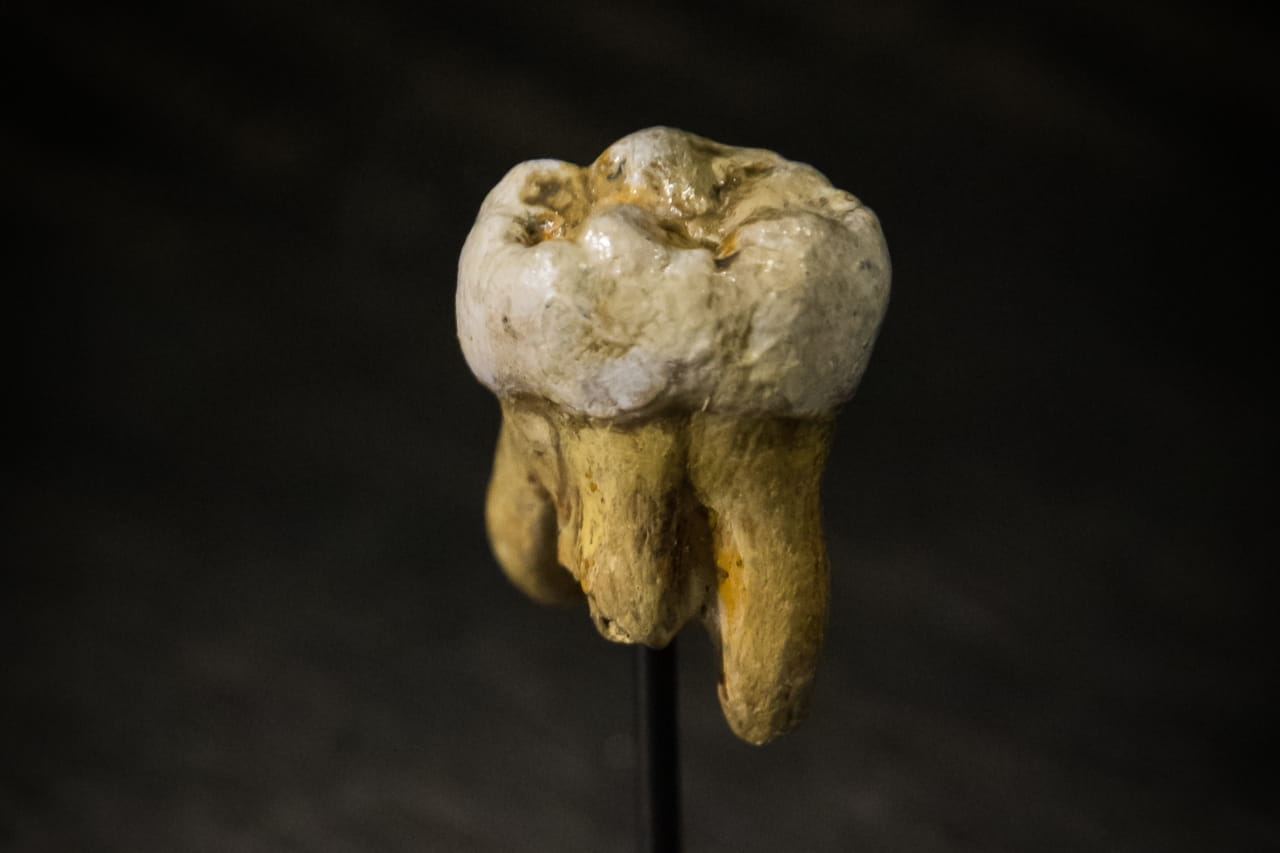
- Two teeth from Longchuandong Cave show features that the study associates with Denisovans.
- A tooth from Chuanshandong Cave is categorised as an unresolved archaic Homo and is at least roughly 100,800 years old.
- No new species has been named, and the protein work depends on three teeth, all from males.
Denisovan teeth from two caves in southern China suggest that at least two types of ancient humans inhabited the area, according to research published in Nature on November 25, 2026. The specimens were recovered from Longchuandong Cave in Luzhai County and Chuanshandong Cave in Long’an County, both located in Guangxi. Some of the teeth resemble those of Denisovans, a group related to Neanderthals that is known mainly through DNA. Another tooth matches no group identified so far.
Live Science covered the paper the same day, emphasising the chance that an unknown branch of the human family tree has been found. That angle grows out of the excitement surrounding the Chuanshandong specimen. Still, the investigators have not proposed a new species, and a handful of teeth provides a thin foundation for doing so.
What was found in the two Guangxi caves
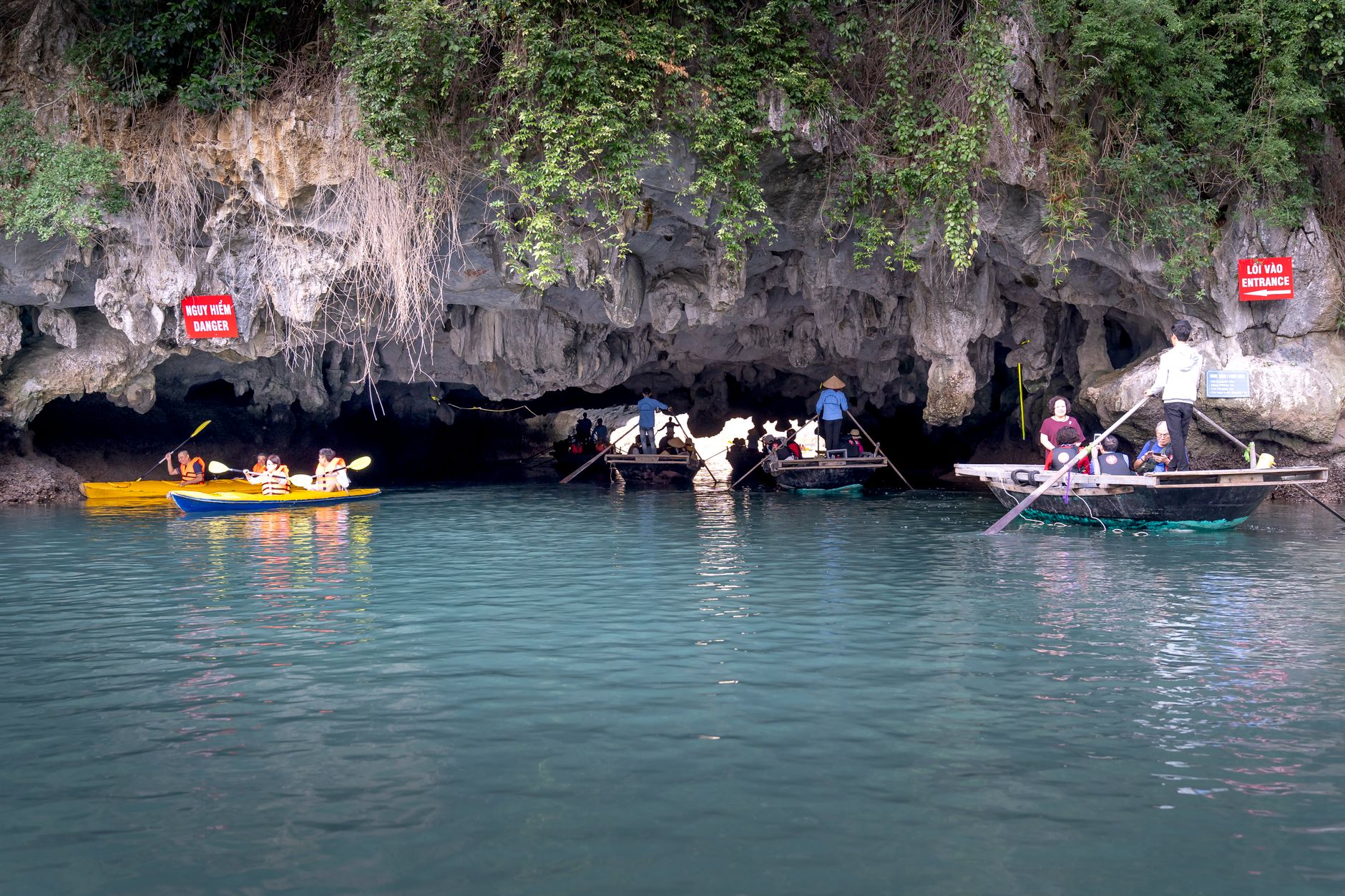
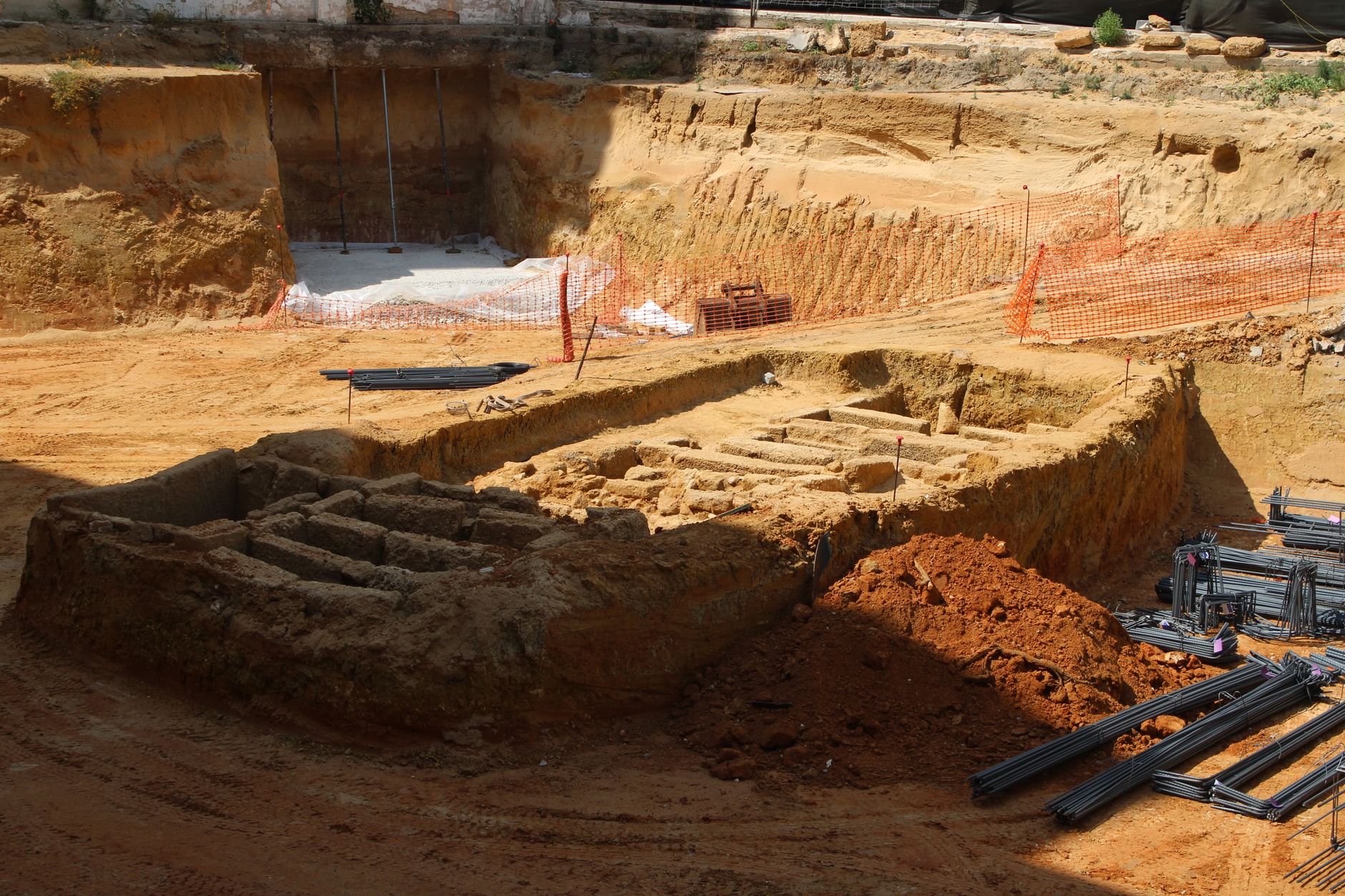
The team studied four isolated teeth: two from Longchuandong and two from Chuanshandong. SSBCrack News, which summarised the paper, notes that no stone tools were found in either cave. The material consisted largely of loose teeth and animal bones.
The pair from Longchuandong, an upper molar and a lower premolar, each carry a version of the enamel-protein gene AMBN labelled 273V. According to the study, this same version appears in Denisovan remains from the Harbin region, Penghu, Bianfu Cave and Siberia’s Altai Mountains. The molar’s form is closest to a Denisovan tooth called Denisova 4. A protein-based ancestry analysis placed both Longchuandong teeth next to the Denisova 3 individual, with what the paper calls ‘100 percent statistical support’. The authors describe these ancestry results as preliminary.
The Chuanshandong specimens are two lower premolars, probably from one person. Their enamel holds an AMELY variant, 179M, also found in Homo antecessor and great apes. They additionally possess an AMBN variant, 253G, previously observed in Homo erectus fossils from Zhoukoudian, Hexian and Sunjiadong. That version did not appear in the Denisovan, Neanderthal or modern human samples. The Chuanshandong teeth also lack the 273V variant associated with Denisovans.
Why ancient proteins mattered more than DNA
Teeth frequently persist when bones have vanished, since enamel is among the toughest tissues in the skeleton. Teeth yield two sorts of information. One is form: dimensions, crown arrangement, root structure and grooves vary among human populations, so measuring them against known specimens can hint at kinship.
The other is chemical. The researchers analysed ancient proteins retained in the teeth, a discipline called palaeoproteomics. Because proteins are assembled according to DNA instructions, their amino acid sequences keep a weak trace of an organism’s genetic makeup. Proteins may also last longer than DNA in hot environments.
This matters in southern China, where warm, damp conditions degrade ancient DNA rapidly, making proteins one of the few molecular options for identifying fossils there. The approach has constraints. SSBCrack News says protein data came from three of the four teeth and covers roughly 15 percent of each protein sequence. The sample is small, and all three teeth yielding protein data came from males.
The Chuanshandong tooth does not fit any known group
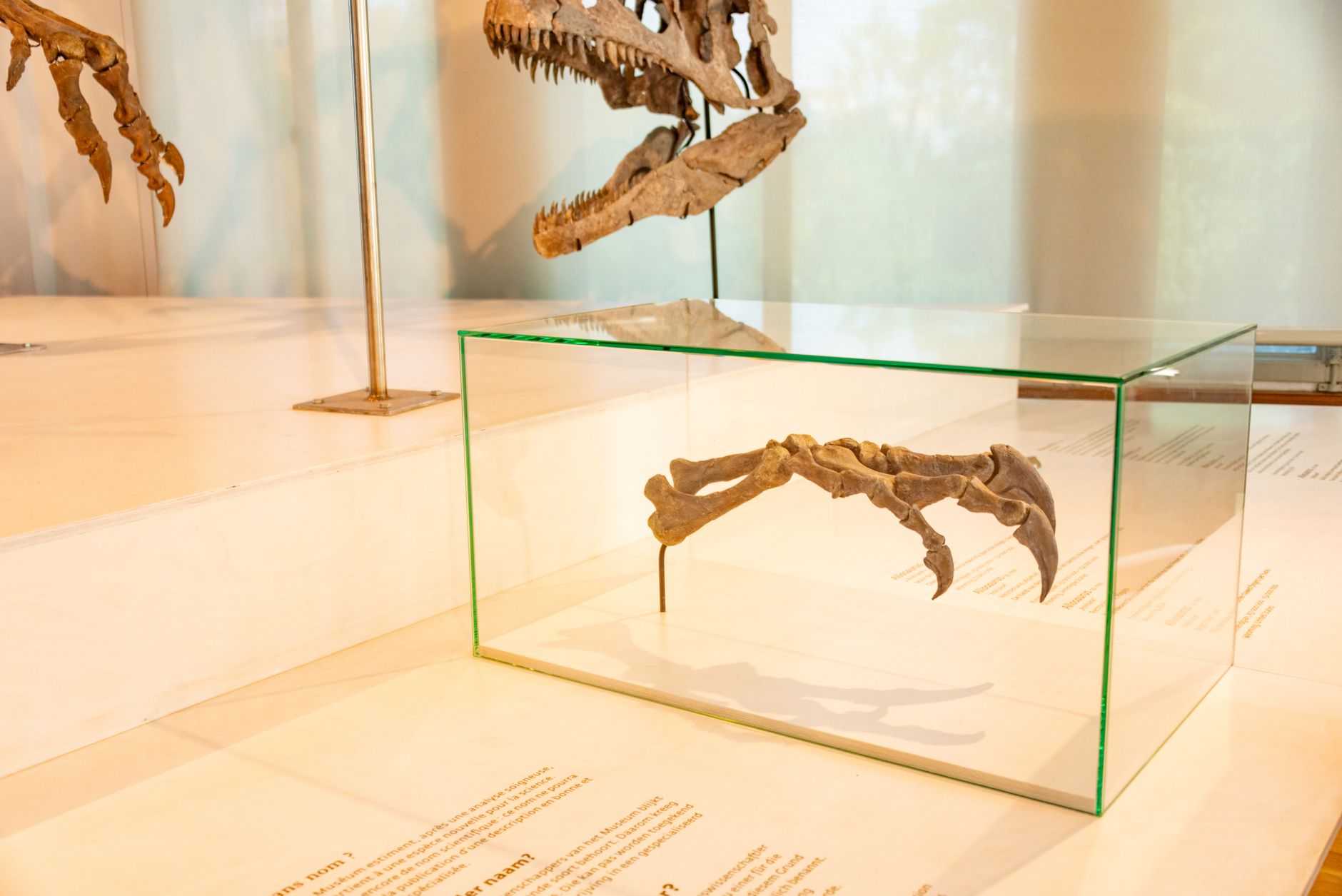
What lifts this study above a simple new site is the Chuanshandong specimen. In the protein tree, that individual forms its own branch beside the shared ancestor of Neanderthals, Denisovans and modern humans. Its tooth shape is mixed: short crowns and intricate roots look like Homo erectus, whereas crowns that are less lopsided are more common in later humans.
Instead of forcing the tooth into an existing category, the authors classed it as an unresolved archaic Homo. The label expresses doubt, not the naming of a species. SSBCrack News describes three untested explanations the study offers: the individual could have descended from a lineage that persisted in a southern refuge; it could have interbred with other archaic groups; or it might have inherited genes from Homo erectus. The evidence cannot determine which, if any, is correct.
Caution matters here. Single teeth can differ within one population, and fossil samples from this region are limited. The tooth might represent an unrecognised group, a known group whose variation is poorly documented, or a population of mixed ancestry.
The dates differ between reports
Coverage presents the ages in varying ways, so the figures should be checked against the paper before being quoted exactly. NatureWorldNews gives the Chuanshandong tooth an age of at least about 100,800 years and places the finds around 100,000 years ago. SSBCrack News states that the teeth range from roughly 42,600 to over 100,000 years old, depending on the specimen, and summarises the discoveries as indicating humans living more than 40,000 years ago.
SSBCrack News gives specific details: uranium-series dating assigned the left Chuanshandong tooth a minimum age of 100,800 years. The Longchuandong upper molar dates to around 42,600 years ago, and the lower premolar to around 104,500 years ago. The sediment surrounding the Chuanshandong teeth is much younger, at 49,500 to 34,200 years. The researchers propose that water slowly washed the teeth into the cave, meaning the sediment accumulated long after the individual had died. If so, the sediment ages reveal little about when the Chuanshandong person lived.
Who the Denisovans were
Denisovans present one of the most unusual cases in palaeoanthropology: scientists understood their genes before they had seen their faces. The group was first recognised in 2010 through DNA taken from a small finger bone discovered in Denisova Cave, in the Altai Mountains of Siberia. Genetic data showed a population separate from both Neanderthals and modern humans, yet closely linked to Neanderthals.
The physical evidence is still sparse, consisting mainly of jaws, teeth and fragments rather than complete skeletons. Groups in parts of Asia and Oceania, including Papua New Guinea and Indigenous Australian groups, continue to carry Denisovan DNA from ancient interbreeding. Such genetic signals have long pointed to Denisovans spreading widely across Asia, southern regions included, even though fossils from the south have been rare.
Southern China lies on a major route in human prehistory, connecting mainland Asia with Southeast Asia and the islands leading toward Australia. Any population moving through the area would probably have passed this way. Yet its fossil record is difficult to read, partly because water, animals and later human activity can disturb cave deposits.
A separate Denisovan find in Yunnan
A second study points in the same direction. Global Times reported on September 10, 2026, drawing on an official release from the Institute of Tibetan Plateau Research at the Chinese Academy of Sciences. The release covers work led by Chinese Academician Chen Fahu at the Bat Cave site in Heqing, Yunnan Province, in Southwest China. The paper, titled ‘Ancient proteins identify various Denisovan remains from Southwest China’, appeared in Nature. Global Times says it came out on a Wednesday, which it places most likely on September 9, 2026. That date is an inference rather than a stated fact.
According to the release, researchers excavated seven human fossils: four teeth, two skull fragments and one forearm bone fragment. Proteomic work identified three bones and two teeth as Denisovan, dated to 167,000 to 134,000 years ago. The site’s 6.6-metre deposit holds 10 cultural layers, which Global Times says span 190,000 to 70,000 years ago. Study of more than 1,300 stone artefacts reveals long-lasting technological consistency, and the release states that Denisovans adjusted to glacial and interglacial climate changes while living in pine-dominated forest or forest-steppe.
The release notes that the Bat Cave dental traits resemble, yet differ from, those of the Xiahe Denisovan specimen from Baishiya Karst Cave in Gansu Province. It proposes that the Bat Cave group ‘may represent a distinct regional type within the Homo longi lineage’. Global Times points out that this assertion rests on comparison with a single specimen and that the article does not explain how strong that comparison is. As an institutional source, the release’s claims of significance should be weighed accordingly. Global Times also reported that the site consists of two fossil-bearing locations on the northeastern Qinghai-Xizang Plateau.
What the Guangxi finds add to the picture
Viewed together, the Guangxi teeth and the Yunnan fossils widen the known spread of Denisovans. SSBCrack News notes that the Longchuandong molar also looks like Neanderthal molars, even though no Neanderthal fossils are known from these cave sites. A skull from Maba in neighbouring Guangdong Province was earlier associated with a Neanderthal-related group. With the new teeth, the researchers raise the prospect that at least three kinds of archaic humans lived in southern China. SSBCrack News emphasises that this remains a possibility, not an established conclusion.
Other Asian discoveries share this theme. NatureWorldNews has earlier covered fossil teeth indicating that Homo erectus survived in China’s rainforests until roughly 184,000 years ago, in different caves and a separate paper. Likewise, Homo floresiensis on Indonesia’s Flores island and Homo luzonensis in the Philippines suggest that isolated or regional lineages persisted alongside better-known human populations.
What remains uncertain
Several issues are unresolved. Identifying the Longchuandong teeth is best described as Denisovan affinity, meaning they closely match Denisovan traits and proteins, rather than as definitive proof. The Chuanshandong tooth could be reconsidered as additional fossils appear. The authors themselves state that more fossils and ancient DNA from the region are needed to test these results.
It is also unclear how these groups interacted, if they did at all. They may have occupied the region at different times instead of together. Accurate dating of the cave layers will be essential to resolve this. For now, the study shows that southern China, long a blank on maps of archaic human fossils, can still overturn assumptions when teeth are examined with proteins as well as shape.
References
- Ancient Teeth Reveal Denisovans and an Unknown Human Lineage in Southern China — news.ssbcrack.com
- Ancient proteins reveal Denisovans’ survival landscape in South China for the first time — globaltimes.cn
- Ancient Teeth Reveal Denisovans in Southern China — natureworldnews.com
Featured image: Image via SSBCrack News