Key takeaways
- SpaceX successfully performed the first-ever mechanical capture of the Starship spacecraft using “chopstick arms” at a Texas launch site.
- The 15th test flight of the Starship system included 14 orbits of Earth lasting over 22 hours.
- During its mission, the uncrewed spacecraft deployed 26 Starlink satellites into orbit.
- The Super Heavy booster failed to achieve recovery and exploded over the Gulf of Mexico following an engine malfunction.
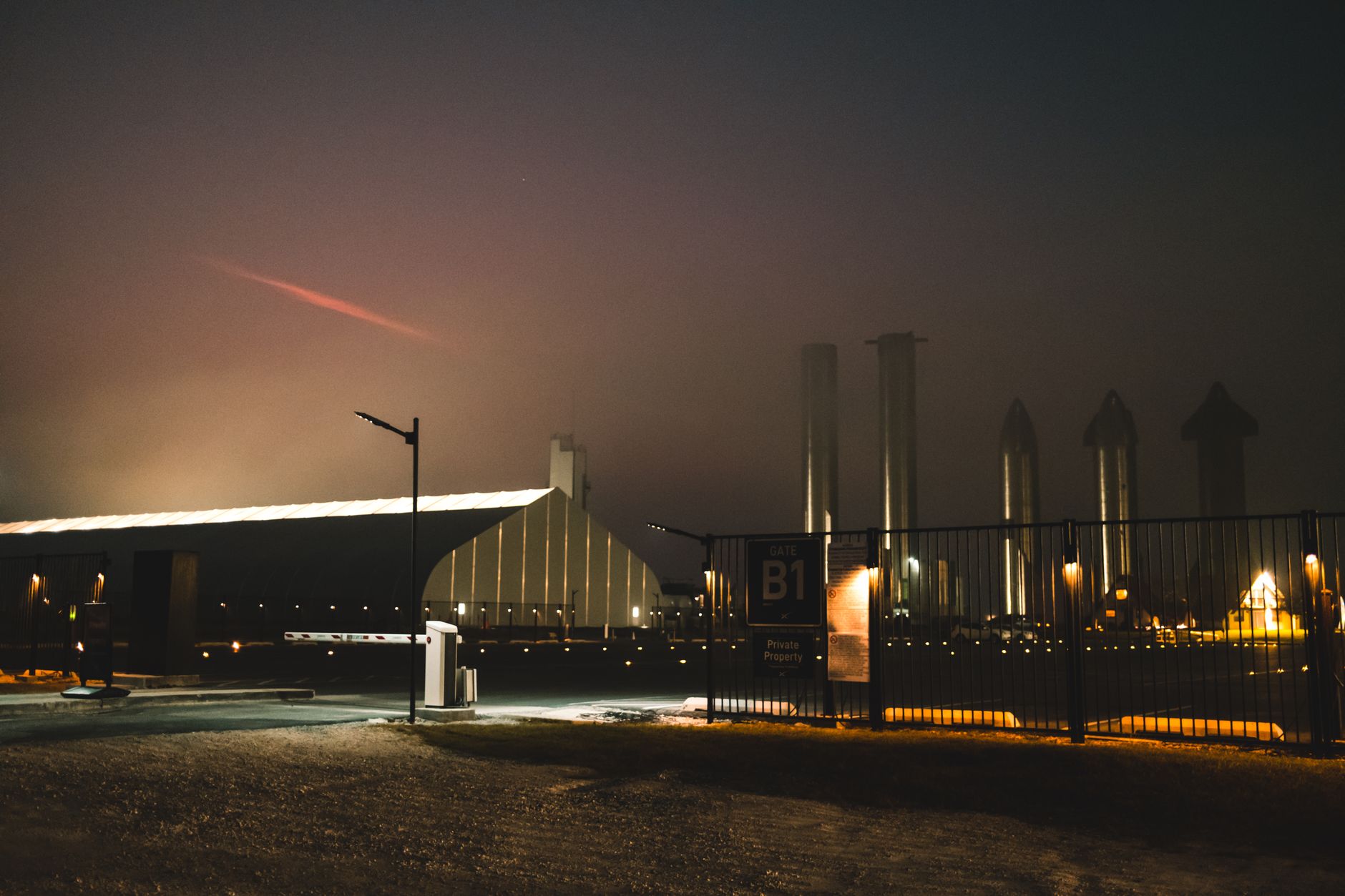
The SpaceX Starship capture achieved a historic milestone on Saturday as the spacecraft successfully returned to its launch tower in Texas, marking the first time the company has successfully caught the centerpiece vessel of its reusable rocket system. The recovery, which occurred at Launch Pad 2, saw the Starship spacecraft descend and slide between the mechanical “chopstick arms” designed to intercept the vehicle, a feat that marks a significant step in the company’s decade-long effort to perfect full rocket reusability.
What happened
On Saturday, November 15, 2026, the SpaceX Starship spacecraft completed its return from what was its longest-ever orbital flight. The mission, which was the 15th test flight of the massive rocket system, saw the uncrewed vehicle orbit the Earth 14 times over a period exceeding 22 hours. During this time, the spacecraft successfully deployed 26 Starlink satellites, fulfilling a secondary objective of the mission.
While the spacecraft’s return was a success, the mission was not without significant technical failures. SpaceX had intended to capture the Super Heavy booster—the bottom stage of the rocket system—but that recovery attempt was aborted. According to SpaceX’s Kate Tice, the booster’s engines stopped firing prematurely. This malfunction caused the booster’s guidance system to detect that the vehicle was not in the correct position for recovery, triggering an automatic self-destruction protocol. The Super Heavy booster subsequently exploded over the Gulf of Mexico shortly after its initial launch on Friday.
Engineers at SpaceX are currently investigating the root cause of the engine failure and the subsequent guidance system response. While the company has successfully caught the Super Heavy booster on three previous test flights, this particular mission highlighted the ongoing complexities of managing the two distinct stages of the Starship system.
Why it matters
This mission is a critical component of Elon Musk’s broader vision to drastically reduce the cost of spaceflight through total reusability. By designing rockets that can be caught and refueled rather than discarded in the ocean, SpaceX aims to make frequent, high-volume access to space economically viable.
For NASA, the success of the Starship spacecraft recovery is a high-stakes development. The US space agency is currently investing billions of dollars into the Starship program as part of the Artemis missions. NASA intends to use Starship to land astronauts on the moon later this decade and to support the construction of a permanent lunar base. The ability to reliably recover the spacecraft is essential for the logistics of long-term lunar and eventually Martian habitation.
Comparison of Mission Objectives and Outcomes
| Component | Objective | Outcome | Status |
|---|---|---|---|
| Starship Spacecraft | Orbital flight, satellite deployment, and tower recovery | Successfully orbited 14 times; 26 satellites deployed; caught by tower arms | Success |
| Super Heavy Booster | Return to launch site and mechanical capture | Engine malfunction; guidance system triggered self-destruction | Failure |
| Starlink Deployment | Deploy 26 satellites into orbit | All 26 satellites successfully deployed | Success |
The mechanics of the Starship system
The Starship system is composed of two primary parts: the Starship spacecraft, which handles orbital operations and payload delivery, and the Super Heavy booster, which provides the initial thrust required to exit Earth’s atmosphere. The goal of the SpaceX engineering team is to treat both components as reusable assets.
The “chopstick arms” mentioned in the mission reports are part of a specialized launch and recovery tower. These mechanical structures are designed to swing inward and grasp the rocket as it descends vertically, allowing the vehicle to be placed back on the pad without the need for landing legs, which would add significant weight to the spacecraft. While the spacecraft successfully navigated this process on Saturday, the failure of the booster demonstrates that the two stages of the system are still experiencing different levels of technical maturity.
Stakeholder reactions
The atmosphere at the SpaceX mission control was described as highly emotional. During the successful capture of the spacecraft, SpaceX commentator Dan Huot was heard shouting, “Can you believe it? Look at her! Baby, she’s back!”
NASA leadership has also expressed optimism regarding the spacecraft’s performance. NASA Administrator Jared Isaacman took to the social media platform X to describe the successful recovery, writing, “It was almost magic.” This sentiment reflects the agency’s reliance on SpaceX to meet the ambitious timelines of the Artemis program.
What it means for you
If you are an investor in the aerospace or satellite communications sectors, this mission provides a dual signal. The successful deployment of 26 Starlink satellites demonstrates the growing utility of Starship as a commercial launch vehicle, while the booster failure serves as a reminder of the high technical risks and capital expenditures involved in developing next-generation launch technology.
If you are a consumer of satellite-based internet services, the successful deployment of these satellites is a direct contributor to the expansion and reliability of the Starlink network. As SpaceX masters the ability to launch larger payloads more frequently, the global footprint of satellite internet is expected to grow.
For space enthusiasts and researchers, the data gathered from the 22-hour orbital flight and the subsequent investigation into the booster’s engine failure will be vital. These findings will dictate the flight profile of the 16th test flight and will likely influence the design of future iterations of the Super Heavy booster.

Counterpoints and open questions
Despite the milestone of the spacecraft capture, the mission raises several critical questions regarding the reliability of the Super Heavy booster. The fact that the booster’s guidance system initiated a self-destruct protocol because it sensed an incorrect position suggests that the margin for error in the recovery sequence remains razor-thin.
Critics of the rapid, iterative testing model used by SpaceX may argue that the loss of the booster represents a significant setback in terms of both cost and hardware. While SpaceX views these failures as necessary steps in the learning process, the recurring complexity of the booster’s return flight remains a hurdle to achieving the goal of a fully reusable, cost-effective system.
Key open questions include:
- What specific component caused the Super Heavy booster’s engines to stop firing prematurely?
- Will the guidance system’s self-destruct protocol be adjusted to allow for more recovery options in future flights?
- How will the booster malfunction affect the timeline for the next integrated Starship test flight?
What happens next
The immediate focus for SpaceX engineers will be a forensic analysis of the Super Heavy booster’s telemetry and hardware. The company must determine whether the engine failure was a result of a mechanical part defect, a software error in the engine controller, or an issue with the fuel delivery system.
Once the investigation is complete, SpaceX is expected to prepare for the 16th test flight. This upcoming mission will likely aim to integrate the lessons learned from the booster’s failure while attempting to replicate the successful spacecraft capture seen this weekend. Watch for updates from SpaceX regarding the specific cause of the engine shutdown, as this will be the primary catalyst for the next flight’s design changes.
SpaceX’s successful capture of the Starship spacecraft marks a pivotal moment in the development of reusable heavy-lift launch vehicles. While the failure of the Super Heavy booster highlights the intense technical challenges remaining, the ability to recover the spacecraft after 14 orbits provides a clear proof of concept for the future of orbital logistics.
Frequently asked questions
How was the Starship spacecraft caught?
The Starship spacecraft was caught using a specialized recovery system at the launch tower in Texas. As the vehicle descended toward the launch pad, it was intercepted by large mechanical “chopstick arms” that swung out to grasp the spacecraft, allowing it to be secured without the use of traditional landing legs.
Why did the Super Heavy booster explode?
The Super Heavy booster exploded because its engines stopped firing earlier than planned. This caused the booster’s guidance system to detect that the vehicle was not in the correct position for a controlled recovery, which automatically triggered the self-destruction protocol to prevent an uncontrolled crash.
What is the purpose of the Starship rocket?
SpaceX is developing Starship to be a fully reusable rocket system. Its primary goals include supporting the Starlink satellite business, transporting humans to the moon as part of NASA’s Artemis program, and eventually enabling long-term human missions to Mars.
How many satellites were deployed during this flight?
During its 22-hour orbital mission, the uncrewed Starship spacecraft successfully deployed 26 Starlink satellites into orbit.