
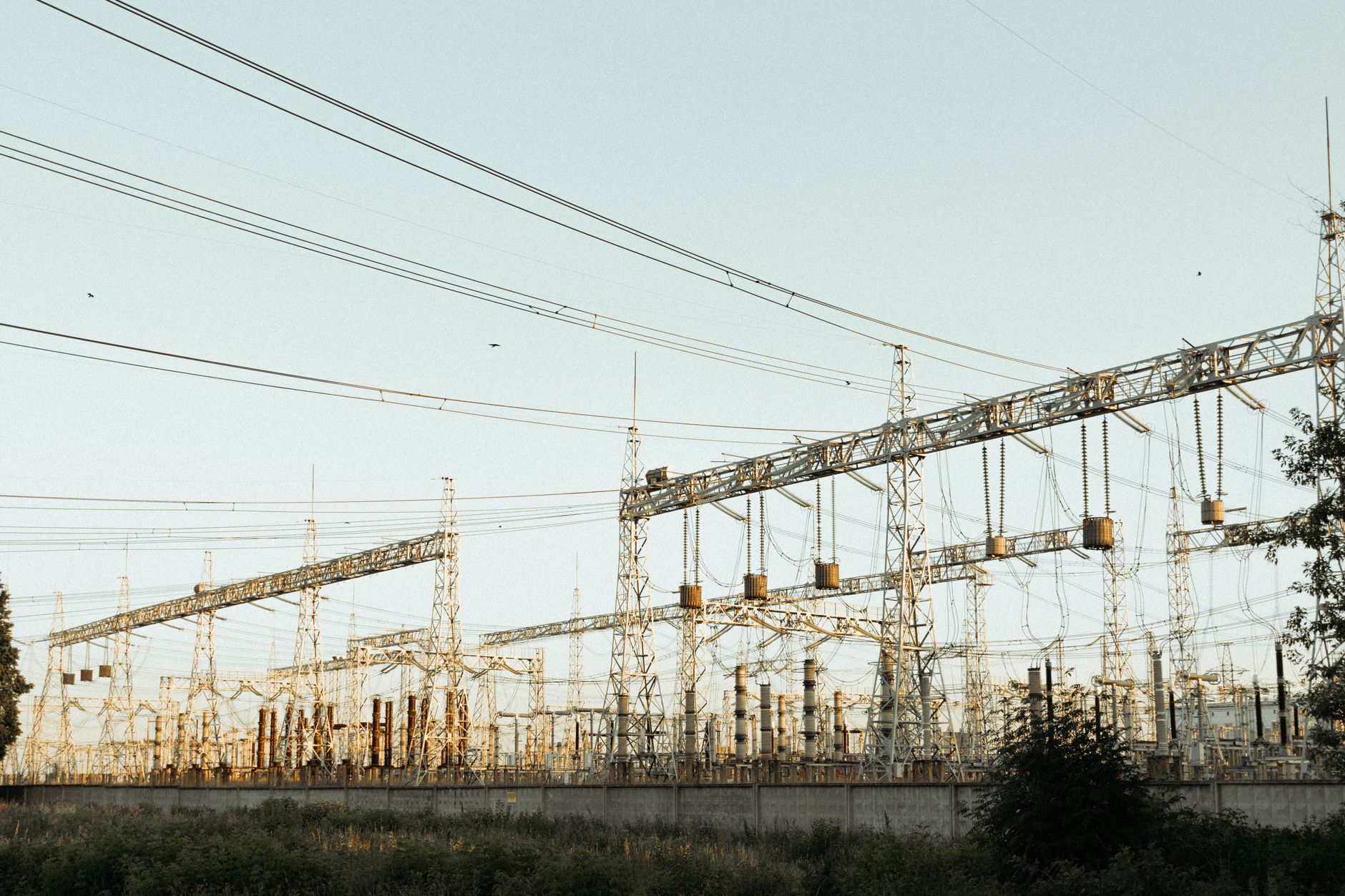
The surge in ukraine energy infrastructure strikes has left hundreds of thousands of households without power following a massive wave of russian drone and missile attacks that struck four key regions on Sunday, November 1, 2026.
Key Takeaways
- Widespread Blackouts: Russian aerial assaults targeted substations and transformers in the Dnipro, Vinnytsia, Zhytomyr, and Khmelnytsky regions, causing massive power outages.
- End of Humanitarian Pause: A rare, localized ceasefire in the Russian-occupied city of Oleshky, brokered by U.S. First Lady Melania Trump, concluded at midnight on November 1.
- Retaliatory Drone Strikes: Ukraine launched significant drone operations against Russian industrial targets, including the Kamensky plant in the Rostov region and facilities in the Nizhny Novgorod region.
- political Friction: U.S. President Donald Trump has urged Ukraine to halt refinery strikes to stabilize diesel prices ahead of the U.S. midterm elections, a move energy experts suggest may be misplaced.
- Defense Attrition: ukrainian forces reported shooting down 371 of 433 Russian drones, while Russia claimed to have intercepted 235 Ukrainian drones.
- Abu Dhabi Negotiations: Mediated by the United States, a series of high-level talks are expected to take place in Abu Dhabi in mid-November. While the Kremlin has expressed a cautious willingness to communicate, the success of these talks depends on whether both sides can find common ground beyond localized humanitarian issues.
- U.S. Midterm Elections: The results of the upcoming elections in the United States will likely influence the level of military and financial aid provided to Ukraine, particularly regarding the supply of advanced interceptor systems.
- Winter Energy Resilience: The ability of the Ukrainian power grid to withstand further Russian strikes during the coldest months of the year will be a decisive factor in the humanitarian situation and civilian morale.
- www.nbcnews.com
- www.rferl.org
- www.bbc.com
What Happened
On the morning of November 1, 2026, the conflict between Russia and Ukraine escalated into a high-intensity aerial campaign targeting the critical lifeblood of both nations: their energy and industrial sectors. According to President Volodymyr Zelenskyy, Russian forces launched a coordinated strike against power infrastructure in four specific Ukrainian regions—Dnipro, Vinnytsia, Zhytomyr, and Khmelnytsky—overnight on Sunday. These attacks targeted essential substations, transformers, and power lines, leaving hundreds of thousands of families in the dark as winter temperatures continue to descend.
In the Vinnytsia region, the human cost of the strikes was immediate. The State Emergency Service of Ukraine reported that an overnight strike killed two people, including a 13-year-old girl. While repair crews worked throughout Sunday to restore connections, the scale of the damage remains significant. In the Dnipropetrovsk region, for instance, the governor noted that while most connections were restored by early evening, more than 60,000 residents remained without electricity.
Simultaneously, Ukraine responded with its own long-range drone operations aimed at disrupting Russian military-industrial capabilities. President Zelenskyy confirmed that a strike on the Kamensky plant in Russia’s Rostov region caused damage to facilities involved in missile production. Furthermore, a massive drone attack struck an industrial facility in the Nizhny Novgorod region. Gleb Nikitin, the Governor of Nizhny Novgorod, confirmed that an “industrial enterprise” in the Kstovo district sustained “significant damage” during the engagement. While local authorities have not officially named the target, Ukrainian media outlets have reported that the strike hit the LukOil refinery in Kstovo and a combined heat and power (CHP) plant in Novogorkovskaya.

Why It Matters
This escalation is not merely a series of isolated military engagements; it represents a strategic shift toward total economic and civilian attrition. For Ukraine, the targeting of the energy grid during the onset of winter poses a dire humanitarian threat, potentially leaving millions without heat, water, or light. Zelenskyy noted in a social media post that the intensity of these strikes has been “extremely high” over the past week, suggesting that Russia is attempting to “take maximum advantage of the shortage of ballistic missile interceptors.”
For Russia, the Ukrainian drone strikes represent a direct threat to their domestic stability and military logistics. The Rostov region, where the Kamensky plant is located, is a critical hub for Russian logistics, and recent reports from Reuters indicated that Russia had recently completed a new base for jet-powered drones in that area. By striking these facilities, Ukraine is attempting to degrade Russia’s ability to manufacture and deploy the very weapons used against Ukrainian civilians.
On a global scale, the conflict is increasingly intersecting with international energy markets and U.S. domestic politics. The strikes on Russian refineries have become a flashpoint for political tension in Washington. President Donald Trump has reportedly urged Ukraine to cease attacks on Russian oil infrastructure, citing their impact on rising diesel prices. This comes at a sensitive moment, as the U.S. prepares for midterm elections scheduled for next week. However, energy market experts have challenged this narrative, suggesting that the primary driver of fuel price volatility is actually the geopolitical crisis in the Strait of Hormuz, resulting from the Trump administration’s rejection of a deal with Iran.
The Aerial War: Comparative Data
Both nations have engaged in a massive war of attrition using drone technology. The scale of the engagement on November 1 alone highlights the intensity of the current combat phase.
| Metric | Russian Aerial Activity (Nov 1) | Ukrainian Aerial Activity (Nov 1) |
|---|---|---|
| Drone Launches | 433 long-range drones | (Targeted Russian industry) |
| Drones Intercepted | 235 Ukrainian drones downed | 371 Russian drones shot down |
| Primary Target Type | Energy substations & transformers | Oil refineries & missile plants |
| Reported Impact | Hundreds of thousands without power | Significant damage to Russian industry |
The Strategic Use of Interceptors
Zelenskyy has been vocal about the technical imbalance in the air war. He emphasized that Ukraine is in constant communication with the US, Europe, and other partners regarding the urgent need for Patriot missiles. These systems are currently the only effective defense against Russia’s deadly ballistic missiles. The Russian strategy, according to the Ukrainian presidency, is to overwhelm these limited interceptor supplies by launching high volumes of drones and missiles simultaneously, hoping to find gaps in the defensive umbrella.
The Oleshky Humanitarian Success and Its Limits
Amidst the violence, a rare moment of diplomatic cooperation occurred in the Russian-occupied city of Oleshky in the Kherson region. A localized humanitarian ceasefire, which began on October 27, officially concluded just before midnight on November 1. This truce was brokered through the combined efforts of Melania Trump, the U.S. First Lady, and humanitarian officials including Ukraine’s human rights ombudsman, Dmytro Lubinets, and the Russian Commissioner for Human Rights, Yana Lantratova.
For six days, the ceasefire allowed trapped residents to evacuate a city that had been isolated by the Dnipro river and surrounded by landmines. The conditions in Oleshky had become catastrophic; residents were suffering from severe shortages of food, water, and electricity, with some reportedly resorting to cooking garden weeds to survive. The evacuation saw people ranging from one-year-old infants to 94-year-old seniors being moved through Russian-occupied territory toward safety.
Melania Trump praised the initiative on social media, stating, “The ceasefire across Oleshky and the surrounding Kherson region has provided residents with the freedom to move, access to food, clean water, medicine, plus a renewed sense of dignity without the constant threat of attack.”
However, the Kremlin has been quick to downplay the significance of this event. Russian authorities have cautioned that the Oleshky truce should not be viewed as a precursor to broader peace negotiations. While the evacuation was a humanitarian milestone, Moscow continues to demand a resolution based on its own hard-line territorial requirements, signaling that localized humanitarian pauses may remain the exception rather than the rule.
Stakeholders and Their Positions
| Stakeholder | Primary Objective | Current Stance/Action |
|---|---|---|
| Ukraine (Zelenskyy) | Defense of energy grid & sovereignty | Requesting immediate Patriot missile aid; supporting energy ceasefire. |
| Russia (Kremlin) | Territorial control & economic stability | Denying the Oleshky truce as a peace model; accusing Ukraine of economic warfare. |
| United States (Trump) | Domestic economic stability | Pressuring Ukraine to stop refinery strikes to lower diesel prices. |
| Humanitarian Orgs | Civilian protection | Facilitating evacuations and monitoring human rights in occupied zones. |
What It Means for You
If you are a resident in Ukraine:
Expect continued volatility in utility services. As the conflict targets substations and transformers, rolling blackouts and disruptions to water supplies are likely to become more frequent, especially during peak winter months. Prioritize securing emergency power supplies and maintaining stockpiles of essential medicines.
If you are a global energy investor:
Monitor the geopolitical developments in both the Ukraine-Russia theater and the Strait of Hormuz. While the political rhetoric focuses on Ukrainian refinery strikes, the broader market is highly sensitive to Middle Eastern instability. The intersection of these two conflict zones creates a complex risk profile for diesel and heating oil futures.
If you are a U.S. voter:
The intersection of foreign policy and domestic economic concerns—specifically energy prices—is set to become a central theme in the upcoming midterm elections. The administration’s handling of the conflict and its impact on the cost of living will likely be a key campaign issue.
Counterpoints and Open Questions
While the narrative of the conflict is often framed as a direct clash of militaries, there are significant competing views regarding the economic drivers of the war.
The Economic Debate:
One major point of contention is the cause of rising diesel prices. President Trump and some Russian officials, such as Deputy Prime Minister Alexander Novak, claim that Ukrainian strikes on Russian refineries are destabilizing global markets and driving up costs. Conversely, energy experts argue that these strikes are a secondary factor compared to the instability in the Strait of Hormuz caused by the U.S. administration’s recent policy shifts regarding Iran. This discrepancy remains an open question for economists and policymakers alike.
The Ceasefire Impasse:
There is also a fundamental disagreement regarding the possibility of a “ceasefire on energy targets.” Ukraine has expressed a willingness to enter such an agreement to protect civilian populations. However, Kyiv alleges that Moscow is unwilling to commit to any agreement that does not include a total cessation of Ukrainian strikes on Russian military-industrial infrastructure. This creates a strategic deadlock: Ukraine seeks to protect its people, while Russia seeks to protect its war-making capacity.

What Happens Next
Several critical catalysts are on the horizon that will determine the trajectory of the conflict in the coming weeks:
Frequently Asked Questions
What was the Oleshky ceasefire?
The Oleshky ceasefire was a localized, six-day humanitarian truce in the Russian-occupied city of Oleshky, Kherson region, lasting from October 27 to November 1, 2026. Brokered by U.S. First Lady Melania Trump and humanitarian officials from both sides, it allowed civilians to evacuate the city, which had been trapped and lacking basic necessities like food and water for months.
Why is Ukraine experiencing widespread power outages?
Ukraine is experiencing power outages due to a series of intense Russian aerial attacks targeting energy infrastructure. On November 1, Russian strikes hit substations, transformers, and power lines in the Dnipro, Vinnytsia, Zhytomyr, and Khmelnytsky regions. These attacks are part of a broader strategy to exploit a shortage of ballistic missile interceptors in Ukraine.
How are Ukrainian drone strikes affecting Russia?
Ukrainian drone strikes have targeted critical Russian industrial and military-industrial sites. Recent strikes have hit the Kamensky plant in the Rostov region, which is involved in missile production, and industrial facilities in the Nizhny Novgorod region, including areas near the LukOil refinery. These strikes aim to disrupt Russian logistics and the manufacturing of weapons used in the war.
Who is mediating the potential peace talks?
The United States is expected to mediate upcoming negotiations in Abu Dhabi, United Arab Emirates, in mid-November. While the diplomatic landscape remains volatile, the goal is to move beyond localized humanitarian pauses toward more significant political dialogue between the Russian and Ukrainian leadership.
As the localized truce in Oleshky ends, the broader conflict appears to be entering a period of even more intense aerial warfare and diplomatic maneuvering
References
Featured image: Photo by Kris Møklebust on Pexels

One thought on “Ukraine Energy Infrastructure Strikes: Why It Matters”