US Middle East policy is undergoing a fundamental reassessment, according to senior diplomat Tom Barrack, who signaled a departure from decades of interventionist strategies during a forum in Doha on Tuesday.
Speaking at the Global Security Forum, Barrack, who serves as the US Ambassador to Turkiye and Special Envoy for Syria, suggested that the United States is moving away from its traditional “security-for-oil” relationship and no longer seeks to dominate the region. His comments reflect a significant pivot in how Washington views its responsibilities and its ability to influence regional governance.
Key Takeaways
- Policy Shift: The US is moving from a model of regional dominance and control toward a strategy of presence without intervention, as stated by Tom Barrack.
- Failed Interventions: Barrack acknowledged that the US has attempted 23 regime changes across the Middle East, characterizing these efforts as mistakes.
- Iran Negotiations: Qatar reports that mediation between Washington and Tehran is ongoing, despite high tensions following the US-Israeli war on Iran.
- energy Risks: The Strait of Hormuz, through which one-fifth of the world’s oil and gas supplies transit, remains a critical flashpoint for global energy security.
- Yemen conflict: Regional instability continues as Qatar supports Saudi Arabia in its defense against Houthi attacks in Yemen.
- Reopening the Strait of Hormuz to ensure safe maritime passage.
- Resuming nuclear negotiations between Tehran and the international community.
- US Concessions, which would include lifting the naval blockade on Iranian ports and easing existing economic sanctions.
- The Power Vacuum Risk: Can the United States truly move away from a policy of control without creating a power vacuum that is filled by more aggressive regional actors?
- The Definition of “Not Leaving”: What does a policy of “not leaving” look like in practice? Does it mean a reduction in military footprint, or merely a shift in the type of engagement used?
- The Sincerity of Negotiations: Is the 7-day proposal from Tehran a genuine attempt at peace, or is it a tactical maneuver designed to buy time and ease economic pressure?
- The Effectiveness of Sanctions: If the US concedes to lifting sanctions as part of a deal, will that undermine its ability to use economic leverage in future disputes?
- The US Response to Iran: The international community will be watching for the United States’ formal response to the seven-day proposal currently on the table.
- Maritime Security Monitoring: Continuous monitoring of the Strait of Hormuz will be required to assess whether maritime traffic returns to normal or if escalation continues.
- The Yemen Conflict Progression: The effectiveness of the “Dawn of Yemen” offensive and the scale of Houthi retaliatory strikes will indicate whether the conflict in Yemen is heading toward a resolution or further escalation.
- Diplomatic Mediations: The continued efforts of Qatar and other regional partners in facilitating communication between Washington and Tehran will be a primary indicator of whether a diplomatic breakthrough is possible.
- www.aljazeera.com
What Happened: A New Diplomatic Stance in Doha
During his address at the Global Security Forum in Doha, Qatar, Tom Barrack articulated a vision for a more restrained American presence in the Middle East. He explicitly stated that the United States is not abandoning the region, but is instead rethinking its methods of engagement.
“The US no longer wants to own,” Barrack said, clarifying that the new diplomatic bargain is “not to control, but to not leave.” This distinction marks a departure from the era of active regime reshaping that has defined much of the last several decades of American foreign policy.
Barrack noted that regional nations are increasingly aware of the limitations of American power. He observed that many regional actors have reached a consensus that they cannot rely solely on the United States to resolve all local conflicts. This acknowledgment comes at a time of intense regional instability, specifically regarding the ongoing US-Israeli war on Iran, which has disrupted energy markets and heightened the risk of wider conflict.
Why It Matters: The End of the Interventionist Era
The implications of Barrack’s comments are profound for both global geopolitics and the future of international relations. For decades, the United States has been a primary driver of political change in the Middle East, often through direct or indirect intervention.
Barrack pointed to the historical record of these efforts, noting that the US has been involved in 23 regime changes in the wider region. He characterized these attempts to replace leaders or entire governments as failures, stating, “Every time we try and intervene, change the person or the regime, it seems to have been a mistake.”
This admission is significant because it challenges the long-standing doctrine that US-led regime change can lead to more stable, pro-Western governments. If the US officially moves toward a policy of “not controlling,” it could fundamentally alter the power dynamics between Washington and regional powers like Saudi Arabia, Iran, and Turkey.
Political analyst Luciano Zaccara described Barrack as one of the most realistic allies of the Trump administration in his assessment of these regional dynamics. According to Zaccara, Barrack’s remarks serve as an implicit acknowledgment that the strategy of regime change—a key objective in the current conflict with Iran—is unlikely to yield the desired results. Zaccara further noted that this realization applies regardless of which US administration is in power, suggesting a bipartisan shift in strategic thinking.
Deep-Dive: The Iran-US Negotiation Landscape
While the US reassesses its broader regional role, the immediate priority remains the conflict with Tehran. Qatar has confirmed that negotiations to end the US-Israeli war on Iran are continuing, even as fears of renewed fighting grow.
Majed al-Ansari, a spokesperson for the Qatari Ministry of Foreign Affairs, stated at the forum that mediators are actively exchanging messages between the warring parties. Al-Ansari urged observers not to mistake the lack of public information for a lack of progress, noting, “The fact that we’re not hearing about it is a good sign that we’re doing our job properly.”
The 7-Day Proposal
Currently, a seven-day proposal from Iran remains under consideration by the United States. The proposal outlines a framework for de-escalation that includes:
However, the path to an agreement is fraught with difficulty. Analyst Negar Mortazavi noted that while the diplomatic door remains open, negotiations have stalled over the specific terms and the sequencing of the agreement.
“Tehran wants to end the war, but it is not prepared to surrender under military or economic pressure,” Mortazavi told Al Jazeera. She suggested that Iran is using the current escalation as a strategic tool to maintain leverage, despite its military disadvantages, by signaling to the US that military action carries high costs.
| Stakeholder | Primary Objective | Current Stance |
|---|---|---|
| United States | End war / Regional stability | Reassessing role; considering Iran’s proposal |
| Iran | Economic relief / Sanction removal | Seeking concessions; utilizing maritime leverage |
| Qatar | Mediation / Conflict resolution | Actively mediating; emphasizing quiet diplomacy |
| Saudi Arabia | Sovereignty / Regional security | Defending against Houthi attacks in Yemen |
The Energy Flashpoint: The Strait of Hormuz
One of the most critical elements of the current conflict is the stability of global energy supplies. The Strait of Hormuz is a vital artery for the global economy. Before the escalation of the US-Israeli war on Iran, approximately one-fifth of the world’s oil and gas supplies passed through this narrow waterway.
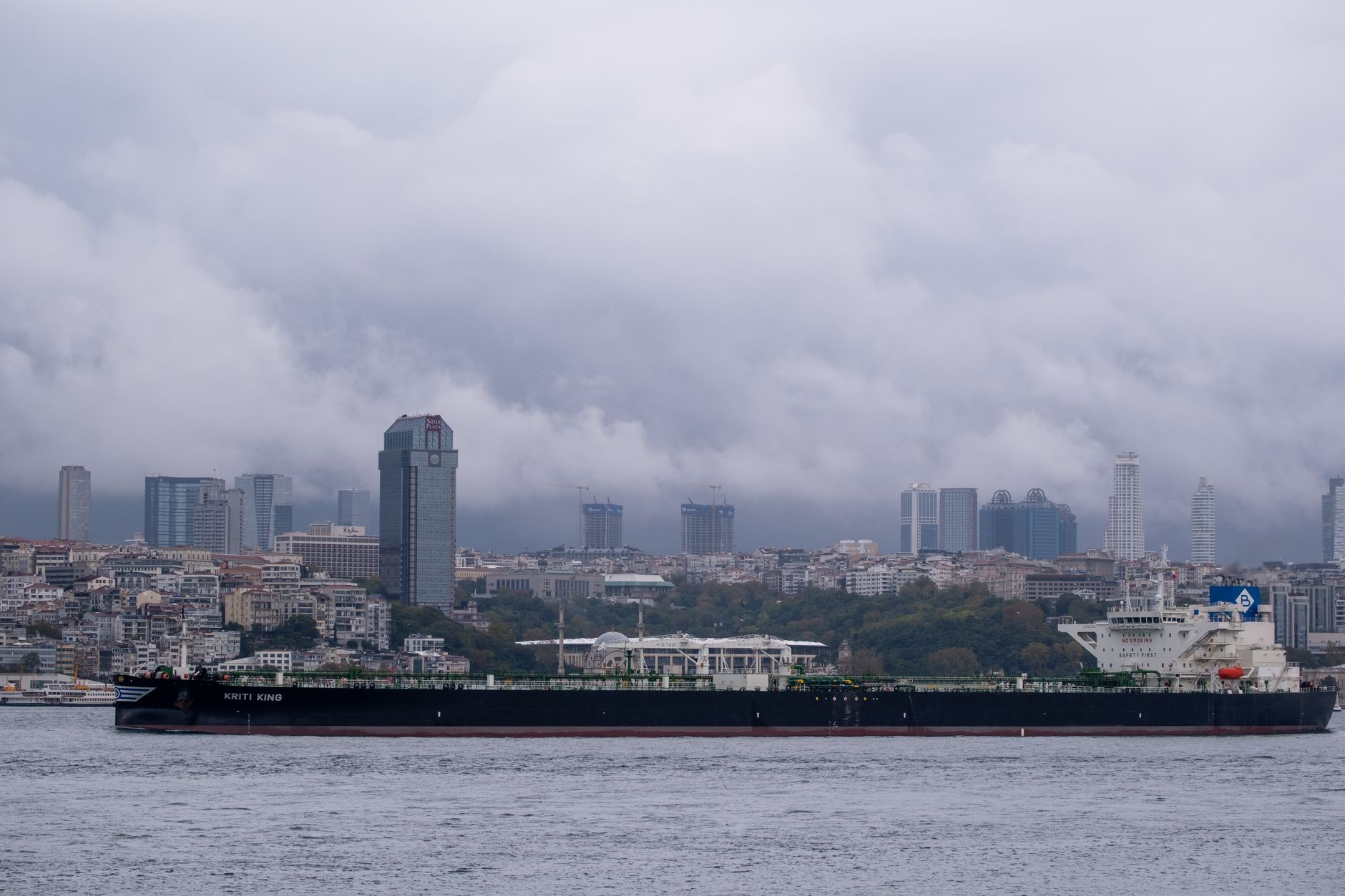
Recent attacks on commercial shipping in the strait have raised alarms about the predictability of energy markets. Mortazavi warned that while Iran has been able to move some tankers, this does not equate to the restoration of “safe, predictable and normal maritime traffic.” This volatility creates a direct threat to global economic stability, as any significant disruption in the strait could lead to a massive spike in energy prices.
Regional Conflict: The Yemen Dimension
The instability in the Middle East is not limited to the US-Iran conflict. Qatar has also reaffirmed its support for Saudi Arabia in its ongoing struggle against the Houthi armed group in Yemen.
Fighting in Yemen intensified in September after the Houthis seized territory along the Red Sea coast, including the port of Mocha. This prompted an offensive known as “Dawn of Yemen” on October 4, which was supported by Saudi air strikes and aimed at restoring the internationally recognized government.
In retaliation, the Houthis have targeted Saudi infrastructure with missile and drone strikes. Earlier this month, strikes on Riyadh’s King Khalid International Airport resulted in at least 14 deaths and hundreds of injuries, demonstrating the reach of the conflict and the ongoing risks to regional stability.
What It Means for You
The shifts in US Middle East policy and the ongoing negotiations have direct implications for different sectors of the global population:
For Energy Investors and Markets
If you are involved in energy trading or commodities, expect continued volatility. The status of the Strait of Hormuz and the outcome of the Iran-US negotiations will be the primary drivers of oil and gas price fluctuations. Any sign of renewed maritime attacks will likely trigger immediate market reactions.
For Global Consumers
If you live in an economy heavily dependent on imported energy, the ongoing conflict could impact fuel prices and the broader cost of living. The ability of the US and Qatar to facilitate a deal that ensures safe passage through the Strait of Hormuz is essential for maintaining stable energy costs.
For Geopolitical Analysts and Policy Makers
If you are monitoring international relations, the pivot from “controlling” to “not leaving” represents a major case study in the limits of superpower influence. The success or failure of the 7-day proposal will serve as a litmus test for whether diplomacy can succeed where decades of intervention failed.
Counterpoints and Open Questions
While Barrack’s comments suggest a more restrained approach, several critical questions remain unanswered:
What Happens Next
Several key developments will determine the direction of the region in the coming months:
Frequently Asked Questions
What is the new US approach to the Middle East?n
According to Tom Barrack, the United States is moving away from a policy of attempting to control or “own” the region through regime changes. Instead, the US aims for a strategy where it does not leave the region but avoids the direct interventionist tactics that have characterized previous decades.
What is included in Iran’s 7-day proposal?
Iran’s proposal involves reopening the Strait of Hormuz and resuming nuclear negotiations. In exchange, Tehran is seeking US concessions, specifically the lifting of the naval blockade on Iranian ports and the easing of economic sanctions.
Why is the Strait of Hormuz so important to the global economy?
The Strait of Hormuz is a vital maritime chokepoint. Approximately one-fifth of the world’s oil and gas supplies transit through this strait. Any disruption to traffic there can lead to significant volatility in global energy prices.
How is the conflict in Yemen affecting the region?
The conflict in Yemen involves fighting between the internationally recognized government (supported by Saudi Arabia) and the Houthi armed group. Houthi retaliatory strikes on Saudi infrastructure, including airports, have increased regional instability and highlighted the interconnected nature of Middle Eastern conflicts.
Tom Barrack’s remarks in Doha signal a potential turning point in American foreign policy, as the US grapples with the legacy of past interventions and the urgent need to stabilize a volatile region and secure global energy corridors.
References
Featured image: Photo by World Sikh Organization of Canada on Pexels