
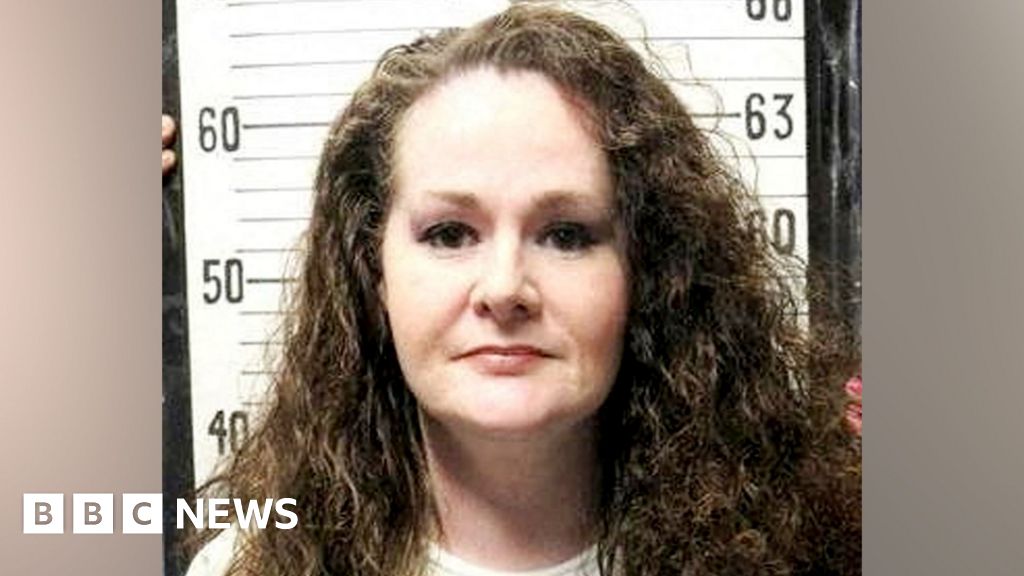
The Christa Pike execution attempt has taken an unprecedented turn as the death row inmate shows a “profound” physical recovery following a botched lethal injection in Tennessee.
Key Takeaways
- Survival of Toxin: Pike is believed to be the only person to have survived an execution attempt where a lethal toxin was actually injected into her system.
- Physical Turnaround: After being unconscious for several days, Pike is now walking with assistance, eating a regular diet, and has clear lungs.
- Medical & Cognitive Concerns: Despite physical improvements, her legal team warns of significant psychological trauma and potential long-term cognitive impairment.
- State-Wide Pause: Tennessee Governor Bill Lee has suspended all executions for the remainder of 2026 while investigating the failure.
- Legal Battle Ahead: Defense attorneys are calling for her death sentence to be commuted to life in prison without parole, citing her history of trauma and the severity of the botched attempt.
- Medical Supplies: All IV lines, syringes, and related equipment used during the procedure.
- Waste Material: Packaging, inserts, and labels from the drugs administered.
- Documentation: Comprehensive records of Pike’s psychological and physical condition before, during, and after the attempt.
- If you are a legal professional: This case serves as a landmark study in the “cruel and unusual punishment” clause of the Eighth Amendment. The survival of a toxin injection may set a precedent that fundamentally changes how lethal injection protocols are litigated.
- If you are a victim advocacy advocate: This event highlights the potential for procedural failures to deny families the sense of finality and justice they have sought for decades.
- If you are a taxpayer or citizen: The investigation into the Tennessee Department of Corrections and the subsequent legal challenges will likely result in significant state expenditure and potential changes to state law.
- Was the failure due to human error or equipment failure? The preservation of the IV lines and syringes is intended to answer this, but the findings are not yet public.
- Is a second attempt constitutional? If Pike’s cognitive injuries are found to be permanent, does that render her incapable of being executed under current legal standards?
- Can the state find a more reliable method? As the debate over the death penalty continues, the failure of pentobarbital may accelerate the move toward alternative methods like nitrogen hypoxia.
- Court Appearances: Pike’s lawyers are scheduled to appear in a Nashville court to present their findings and continue their push for commutation.
- The State Investigation: The Tennessee Department of Corrections will likely release findings regarding the specific breakdown in the execution protocol.
- The Governor’s Decision: Governor Lee will eventually have to decide whether to lift the execution moratorium or extend it pending further investigation.
- Medical Assessments: Physicians will continue to monitor Pike, with a clearer picture of her cognitive health expected in several months.
- www.hindustantimes.com
- www.bbc.com
- www.bbc.com
What Happened: The Failed Execution of September 30
On September 30, 2026, the state of Tennessee attempted to execute Christa Pike, 50, via lethal injection. The procedure involved two doses of the drug pentobarbital. However, the execution did not proceed as planned, leaving Pike in critical condition and unconscious for several days.
According to reports from the BBC, Pike remained unconscious following the administration of the drugs. It was not until Tuesday, October 6, 2026, that she woke from her state of unconsciousness. By Wednesday, October 7, she was able to take limited steps, and as of Thursday, October 9, her legal team reported a significant medical turnaround.

While the execution was intended to be the final act in a case spanning three decades, it instead triggered a massive administrative and legal crisis in Tennessee. The failure has led to the resignation of the state’s head of prisons and a total halt on capital punishment for the rest of the year.
Why the Christa Pike execution: Why the Botched Attempt Matters”>Christa Pike execution Failure Matters
This incident is not merely a procedural error; it is an event that criminologists and medical experts describe as “unprecedented.” While there have been seven other recorded instances of prisoners surviving execution attempts, Deborah Denno, a criminologist and professor at Fordham Law School, noted a critical distinction in this case.
In previous instances, survival occurred because a toxin was never successfully injected. In the case of Christa Pike, experts believe a toxin was indeed administered, but the process failed to achieve its lethal intent. This distinction moves the event from a technical error into the realm of uncharted medical and legal territory.
The Medical Mystery of Survival
One of the most pressing questions is how Pike survived two doses of pentobarbital. Dr. Joel Zivot, an anesthesiologist advising Pike’s legal team, suggested a potential medical explanation for the failure. He noted that it is possible the pentobarbital “spread across the tissue under Pike’s skin” rather than entering her bloodstream in a sufficient quantity to cause systemic death.
This theory highlights the extreme risks associated with lethal injection protocols, particularly when IV access is difficult. If the drug does not enter the bloodstream directly, the result is not death, but potentially severe localized tissue damage and agonizing physical trauma.
A Profound Physical and Psychological Turnaround
On October 9, 2026, Pike’s legal team, including Randy Spivey, Kelly Gleason, Stephen Ferrell, and Luke Ihnen, released a statement detailing her current health status. They described her recovery as “remarkable.”
Physical Recovery Milestones
According to the legal team’s statement, Pike’s physical condition has improved across several key areas:
| Health Metric | Status Update |
|---|---|
| Respiratory Health | Previous concerns regarding pneumonia have resolved; lungs are currently clear. |
| Dietary Intake | Has transitioned from restricted intake to a regular diet. |
| Mobility | Progressed from unconsciousness to limited steps, and is now walking with assistance. |
| Limb Function | Arms, which sustained “significant injuries” during the attempt, are regaining movement and strength. |
The Psychological and Cognitive Toll
While the physical recovery is being hailed by physicians, the mental health implications are much darker. The legal team emphasized that Pike is dealing with “profound psychological trauma” stemming from the “terror, pain and uncertainty” of believing she was dying.
Furthermore, there are serious concerns regarding her cognitive functions. The lawyers reported that Pike is experiencing challenges with memory and concentration. Physicians have cautioned that it may take several months to determine if these are permanent cognitive injuries resulting from the botched procedure.

The 1995 Murder: Background and Context
To understand the weight of this legal battle, one must look back to the crime that originally sentenced Pike to death. In 1995, an 18-year-old Christa Pike and her then-boyfriend, Tadaryl Shipp, who was 17 at the time, murdered Colleen Slemmer, a 19-year-old woman.
The pair had met at a job training camp for low-income youth. The crime was characterized by extreme violence, involving the beating and torture of Slemmer. While Pike was sentenced to death, Shipp was spared the death penalty because he was legally a minor when the crime occurred. He remains in prison today.
The victim’s family has waited 30 years for what they believed would be justice. Slemmer’s mother, who had been a vocal proponent of the death penalty, described the botched execution attempt as a “mess,” reflecting the frustration of a family that has seen the legal process fail even in its final stages.
Legal Accountability and the Preservation of Evidence
In the wake of the botched attempt, the judicial system has moved to ensure that the details of the failure are not obscured. Judge I’Ashea Myles has issued a stringent order regarding the preservation of all evidence related to the execution.
“Anything that was in the actual room needs to be preserved and maintained,” Judge Myles ordered. This mandate includes:
The judge advised the state to take “special care” to prevent the accidental loss or deletion of any information, as this evidence may form the basis of future lawsuits against the state of Tennessee.
Stakeholders and Reactions
The botched execution has created a divide among the primary stakeholders in the Tennessee justice system.
The Defense Strategy
Pike’s legal team is pivoting their strategy toward commutation. They argue that Pike has “endured more than enough” and that her history of childhood trauma—including rape, sexual violence, physical abuse, and neglect—combined with her existing diagnoses of Bipolar Disorder and PTSD, makes her unfit for further execution attempts.
The State Government
Governor Bill Lee has taken decisive administrative action by ordering a pause on all executions for the remainder of the year. The Governor has expressed a desire for clear answers regarding the procedural failure. However, the state’s position remains complex as they weigh the legal implications of a surviving inmate against the mandate to carry out lawful sentences.
Proponents of Capital Punishment
Not all critics of the failed execution call for commutation. Some proponents of the death penalty have suggested that the state should simply change the method of execution rather than abandoning the sentence entirely, seeking a way to ensure the procedure is successful in the future.

What It Means for You
Depending on your perspective, the outcome of the Christa Pike execution case carries different implications:
Counterpoints and Open Questions
While the defense focuses on Pike’s trauma, several critical questions remain unanswered:
What Happens Next
Several key developments are expected in the coming weeks:
Frequently Asked Questions
Did Christa Pike survive the execution?
Yes. Although two doses of pentobarbital were administered on September 30, 2026, Pike survived the attempt. She was taken to a hospital in critical condition and remained unconscious for several days before waking on October 6, 2026.
Why did the execution fail?
The exact reason is still under investigation, but medical experts like Dr. Joel Zivot suggest the drug may have spread through her skin tissue rather than entering her bloodstream directly. Judge I’Ashea Myles has ordered all physical evidence, including syringes and IV lines, to be preserved to determine the exact cause.
What is the current status of executions in Tennessee?
Governor Bill Lee has ordered a pause on all executions for the remainder of 2026. This moratorium is intended to allow for a full investigation into what went wrong during the Pike execution attempt.
Why are her lawyers asking for her sentence to be commuted?
Pike’s lawyers argue that the botched execution itself constituted extreme suffering. They also cite her history of childhood abuse and her mental health diagnoses, including Bipolar Disorder and PTSD, as reasons why she should be sentenced to life in prison without parole instead of facing another execution attempt.
Closing
As Christa Pike continues her physical recovery in a hospital setting, the state of Tennessee faces a profound legal and ethical crisis
References
Featured image: Image via bbc.com


One thought on “Christa Pike Execution: Why Her Health Recovery Matters”