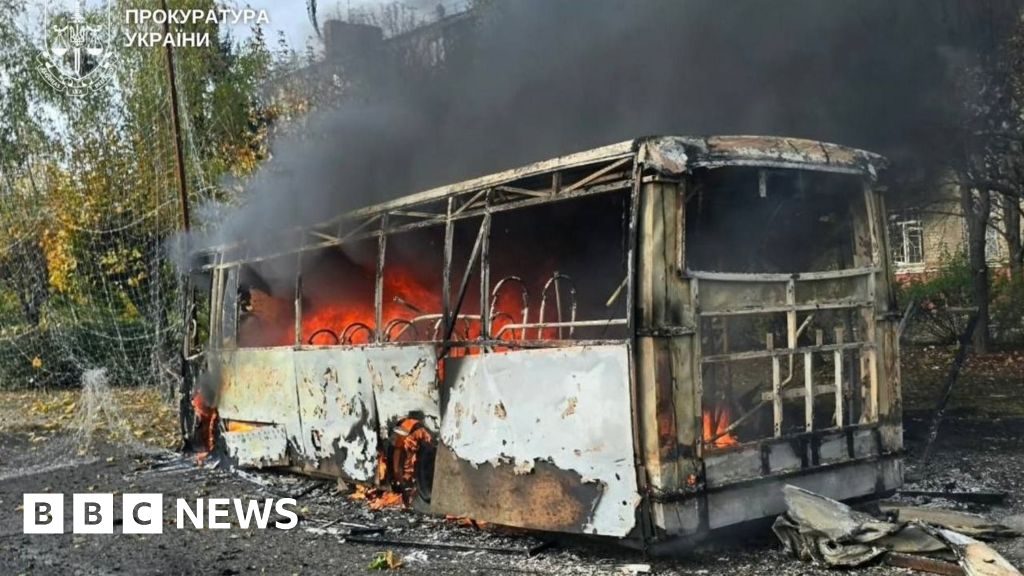
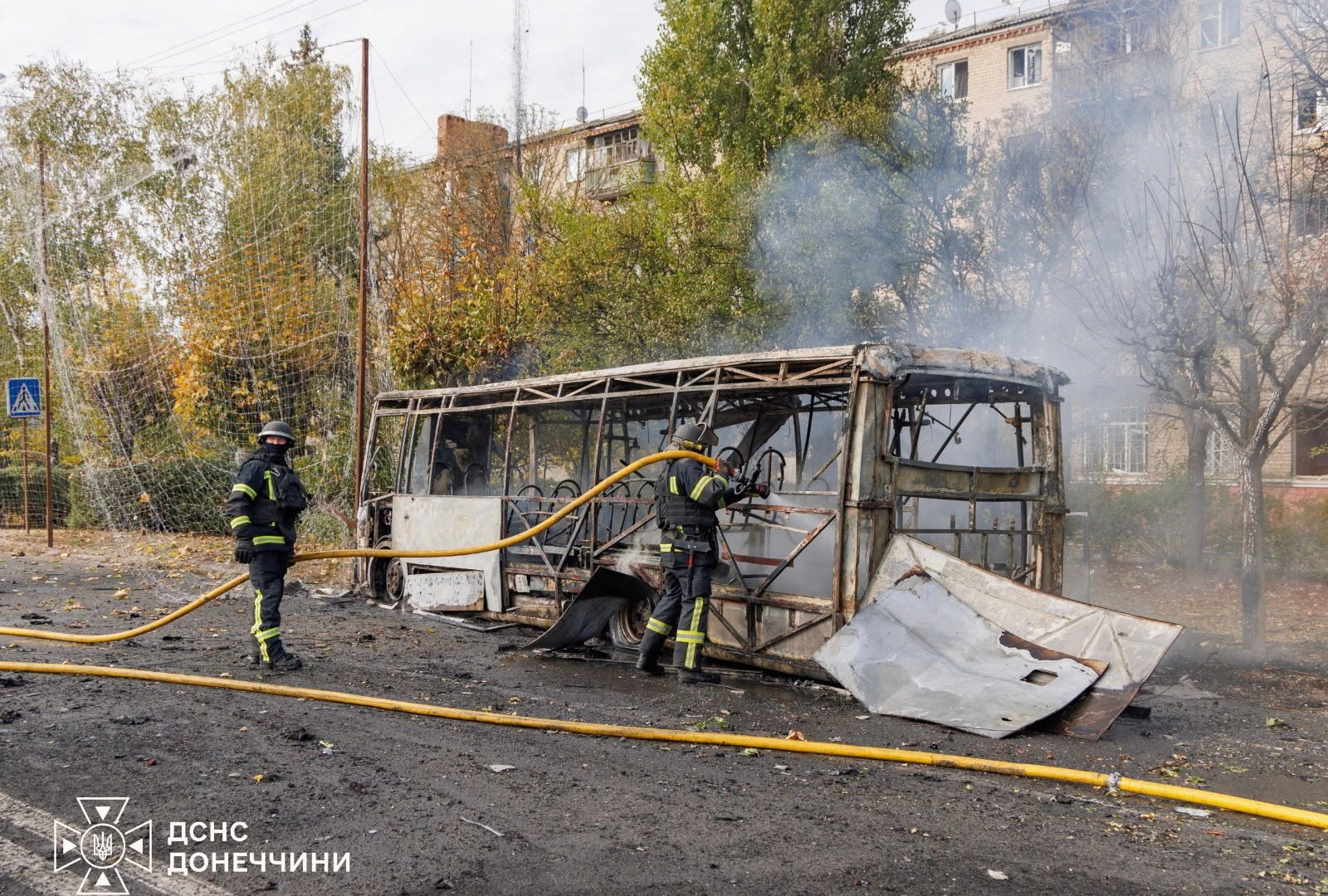
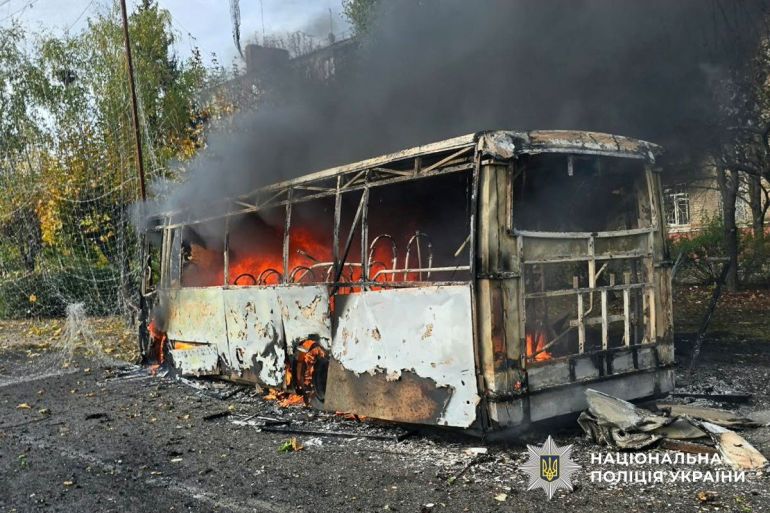
The kramatorsk bus attack on Thursday, October 8, 2026, has left at least 30 people dead and 18 injured, marking a devastating escalation in Russia’s aerial campaign against Ukrainian civilian infrastructure. The strike, which utilized a russian glide bomb to target a public transport stop and two buses, occurred in the eastern front-line city of Kramatorsk, a vital logistics hub in the Donetsk region.
Key Takeaways
- Massive Civilian Toll: At least 30 people were killed in the Kramatorsk bus strike, with death tolls in nearby Pryluky and Kyiv also rising sharply following recent missile and drone attacks.
- Weaponry Shift: The frequent use of glide bombs—ordnance fitted with winglets to extend range—is increasing civilian casualties due to their lack of surgical precision.
- Strategic Objective: The attacks coincide with a Russian military push to breach the “fortress belt” of Kramatorsk and Slovyansk to claim the entirety of the Donbas region.
- Infrastructure Warfare: Beyond direct strikes, Russia is targeting Ukraine’s energy, water, and digital infrastructure, including a strike on a Yandex data center in Russia.
- Diplomatic Tension: U.S. Secretary of State Marco Rubio warned that continued escalation could transform the bilateral war into a broader, more dangerous regional conflict involving NATO.
- For Residents in Conflict Zones: The shift toward glide bombs and widespread urban strikes means that traditional “safe zones” in front-line cities like Kramatorsk are disappearing. Evacuation becomes not just a suggestion, but a necessity for survival.
- For Global Energy and Tech Investors: The targeting of Russian oil refineries and major tech hubs like Yandex introduces volatility into energy markets and the digital services sector. Continued strikes on Russian infrastructure could lead to sudden shifts in commodity prices.
- For NATO Members and Diplomats: The warnings from Marco Rubio suggest that the risk of the war spilling over into Eastern Europe is rising. This may influence upcoming diplomatic discussions regarding the scale of military aid and the potential for negotiated settlements.
- US-Led Negotiations: Negotiators are scheduled to visit the United States this coming Friday and Saturday. The outcome of these talks will likely signal whether there is any movement toward a ceasefire or if the current stalemate will persist.
- The G20 Summit in Miami: The upcoming summit in December will provide a platform for world leaders to address the war, with significant pressure expected on the U.S. administration regarding its approach to Russian leadership.
- Donbas Offensive: Military analysts are watching the eastern outskirts of Kramatorsk. Any significant breach of the “fortress belt” by Russian forces would fundamentally change the strategic map of the war.
- www.bbc.com
- www.aljazeera.com
- www.theguardian.com
- www.washingtonpost.com
What Happened: A 48-Hour Escalation
On the morning of Thursday, October 8, 2026, a Russian aerial bomb struck a public transport stop and two civilian buses on Yuvileina Street in Kramatorsk. The strike, which occurred near a local dental clinic, was particularly lethal because it targeted a location where civilians were congregating for transit. While the Kramatorsk bus attack has been reported by various agencies with slight variations in the death toll—ranging from 30 to 33 fatalities—the humanitarian impact remains undisputed.
This tragedy follows a violent Wednesday in Ukraine. In the Chernihiv region, a Russian cruise missile strike destroyed a five-story residential apartment block in Pryluky, killing at least 22 people. Among the victims were five children, three of whom were only one year old, according to reports from the Chernihiv regional administration.
In the capital, Kyiv, the situation remains precarious. On Thursday, drone strikes hit the densely populated Solomyansky district, contributing to a total of four deaths and 19 injuries in the city that day. These strikes have caused systemic disruptions to the capital’s urban life, including voltage drops that temporarily halted the Kyiv metro and falling water pressure across the city’s right bank due to damage to the energy grid.
Why It Matters: The Battle for the Donbas
The intensification of these strikes is not incidental; it is deeply tied to the strategic geography of eastern Ukraine. Kramatorsk and Slovyansk are considered the core of a “fortress belt” that Ukraine is fighting to maintain. Currently, Russia controls much of the Luhansk region, but the remaining 20% of the Donetsk region remains under Ukrainian control.
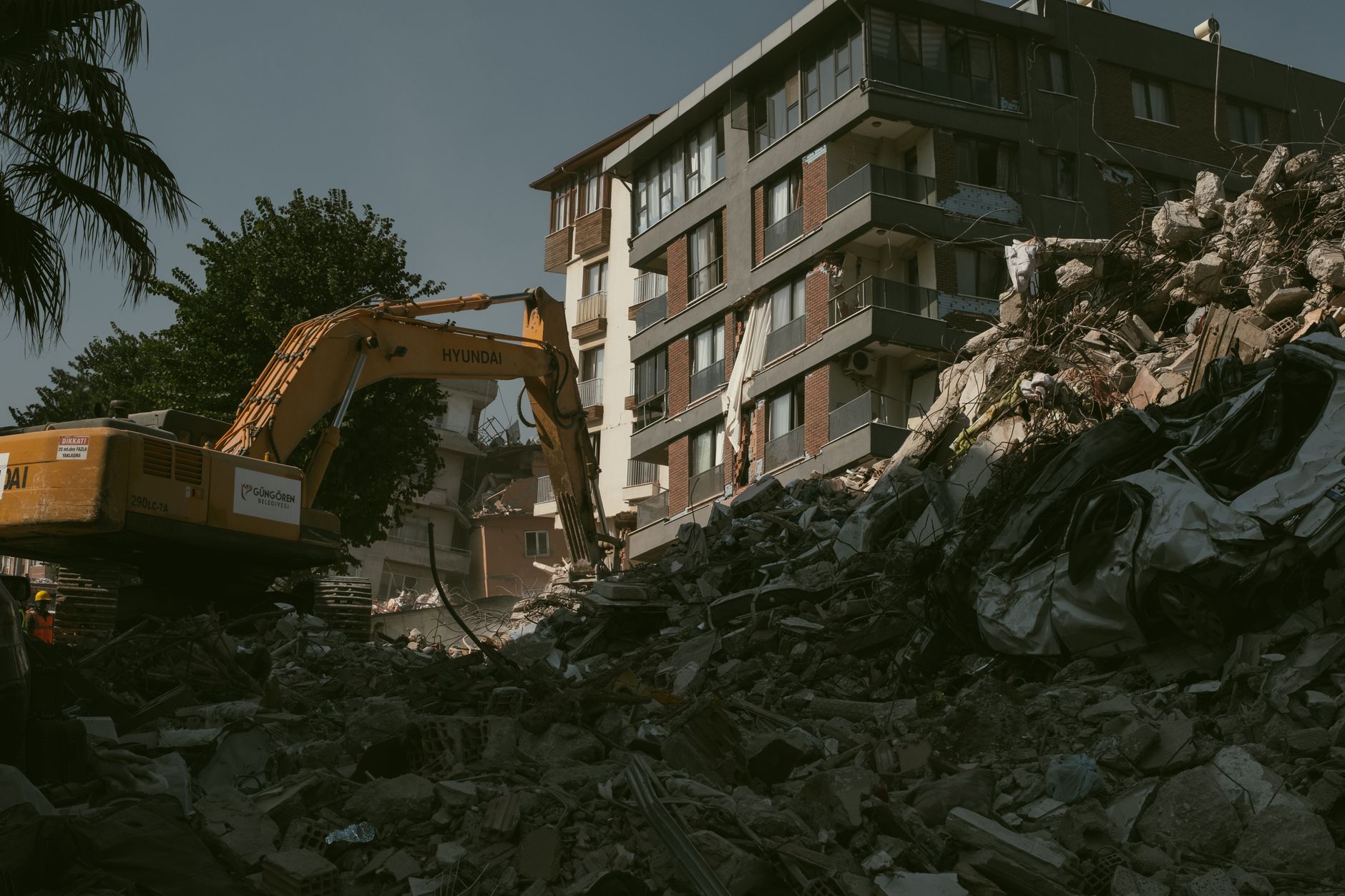
Kramatorsk serves as a critical logistics and supply hub for the Ukrainian military. By targeting the civilian transit and infrastructure of this city, Moscow appears to be attempting to destabilize the rear-guard support necessary for Ukrainian defense. As Russian forces advance toward the eastern outskirts of Kramatorsk, the city has transitioned from a relatively stable logistics center to a zone of near-daily bombardment.
The Technology of Terror: The Rise of Glide Bombs
A recurring and lethal element in this escalation is the deployment of glide bombs. Unlike traditional ballistic missiles, which fall in a predictable arc, glide bombs are fitted with winglets that allow them to glide toward a target from much greater distances.
While these weapons provide Russian pilots with more standoff distance, they lack the precision of other munitions. As noted by Audrey MacAlpine of Al Jazeera, glide bombs do not possess the surgical accuracy of a ballistic missile or the targeted control of a first-person view (FPV) drone. This lack of precision, combined with the sheer volume of ordnance—Kramatorsk was hit by as many as nine glide bombs in a single day in late August—has led to a significant increase in unintended civilian casualties.
Deep-Dive: Data and Casualties Across the Front
The following table summarizes the major strikes reported between Wednesday, October 7, and Thursday, October 8, 2026.
| Location | Event Type | Estimated Deaths | Injuries | Key Details |
|---|---|---|---|---|
| Kramatorsk | Glide bomb (Buses) | 30–33 | 18 | Target: Yuvileina St near dental clinic |
| Bilenke | Shelling/Ground | 3 | – | Settlement in Kramatorsk community |
| Pryluky | Cruise missile | 22 | – | Includes 5 children |
| Kyiv | Drone strike | 4 | 19 | Impacted Solomyansky district |
| Moscow Region | Drone strike | 1 | 1 | Damaged residential property and cars |
| Sasovo, Russia | Drone strike | – | – | Fire at Yandex data center |
Stakeholders and Reactions
The human and political fallout from these attacks has drawn sharp condemnation from both Ukrainian and international leaders.
Ukrainian Leadership:
President Volodymyr Zelenskyy has used the attacks to call for immediate Western intervention. “This strike will not go unanswered,” Zelenskyy stated via Telegram, emphasizing that Russia is attempting to “destroy all life in Donbas.” He has specifically lobbied for increased supplies of anti-ballistic capabilities and interceptors to protect civilian centers.
Donetsk Regional Governor Vadym Filashkin has been even more direct in his assessment of Russian tactics. He alleged that Russia is deliberately targeting civilians by using buses as “attractive targets” because a single strike can maximize the kill count. “For them, a bus full of passengers is an attractive target precisely because one strike can kill as many people as possible,” Filashkin said.
International Response:
UK Foreign Secretary Ed Miliband, who visited the site of the Pryluky strike, characterized the attacks as evidence of Putin’s “evil intent and evil strategy.” Miliband has pledged to expand sanctions to target Russia’s “war machine,” specifically focusing on its shadow fleet, oil companies, and cryptocurrency-based war financing.
In the United States, Secretary of State Marco Rubio offered a more cautious, albeit grim, assessment. Speaking in Portugal, Rubio described the conflict as a “dangerous stalemate.” He warned that if the conflict continues to escalate, it could lead to a “sabotage campaign in neighboring countries that are members of NATO,” potentially transforming a bilateral war into a much broader regional conflict.
The Digital and Economic Front
The conflict has also expanded into the digital and economic spheres. On Thursday, a Ukrainian drone strike reportedly hit a Yandex data center in the Sasovo region of Russia, causing a significant fire and forcing the company to suspend operations at the site. This represents a growing trend of Ukraine targeting Russian technological and economic infrastructure to increase the operational costs of the war.
Simultaneously, Ukraine has claimed responsibility for strikes on oil refineries, including a massive complex in Salavat, located approximately 1,200 km east of Moscow. These long-range strikes are designed to disrupt the Russian economy and limit the fuel supplies available for the military front.
What It Means for You
The implications of this escalation extend beyond the borders of Ukraine, affecting various global stakeholders:
Counterpoints and Open Questions
While Ukrainian officials and many international observers label these strikes as deliberate acts of terror, there remains a technical debate regarding the intent behind the Kramatorsk bus attack.
Some analysts, including those cited by Al Jazeera, point out that because glide bombs lack the surgical precision of modern guided missiles or FPV drones, it is difficult to confirm whether the buses were specifically targeted or if the strike was a result of the inherent inaccuracy of the weapon used. This distinction is crucial in international law, where the intent to target civilians versus “collateral damage” during a military operation carries different legal weights under the Geneva Conventions.
Furthermore, the effectiveness of the “negotiated settlement” path remains an open question. While the U.S. has expressed a desire for a permanent and fair settlement, the conflicting territorial demands—with Putin seeking the entirety of the Donbas and Kyiv refusing any concessions—suggest that a diplomatic breakthrough may be distant.
What Happens Next
Several key catalysts and dates will determine the trajectory of the conflict in the coming weeks:
Frequently Asked Questions
What is a glide bomb, and why is it so dangerous?
A glide bomb is a piece of aerial ordnance fitted with winglets. These wings allow the bomb to glide through the air toward a target after being released from an aircraft, providing the pilot with a much larger engagement range than a standard gravity bomb. They are dangerous because they allow for high-volume attacks from a distance, but they often lack the precision required to avoid civilian structures, making them highly destructive in urban environments.
Why is Kramatorsk considered a “fortress belt” city?
Kramatorsk, along with Slovyansk, forms a critical defensive line in the Donetsk region. These cities are major industrial and logistics hubs that allow Ukraine to move troops, supplies, and equipment throughout the Donbas. If these cities fall, Russia would gain control over the majority of the Donetsk region, fulfilling a primary strategic goal of the invasion.
How many people have died in the recent Russian attacks?
Casualty figures vary by report, but the most recent 48-hour period has seen a devastating toll. The Kramatorsk bus attack killed between 30 and 33 people. The Pryluky apartment strike killed 22 people. Including attacks in Kyiv and Bilenke, total deaths over the last two days are estimated to be at least 60 people.
Is the conflict expanding to include NATO countries?
While there is no direct combat between NATO and Russia, U.S. Secretary of State Marco Rubio has warned that the conflict could escalate into a “broader and far more dangerous regional conflict.” He suggested that increased Russian aggression could lead to sabotage campaigns in neighboring NATO member states, moving the war beyond a bilateral struggle between Ukraine and Russia.
In the wake of the Kramatorsk bus attack, the cycle of aerial bombardment and retaliatory digital strikes shows no sign of slowing. As the battle for the Donbas “fortress belt” intensifies, the civilian population remains at the center of a conflict that is increasingly characterized by its disregard for traditional rules of engagement.
References
Featured image: Image via bbc.com