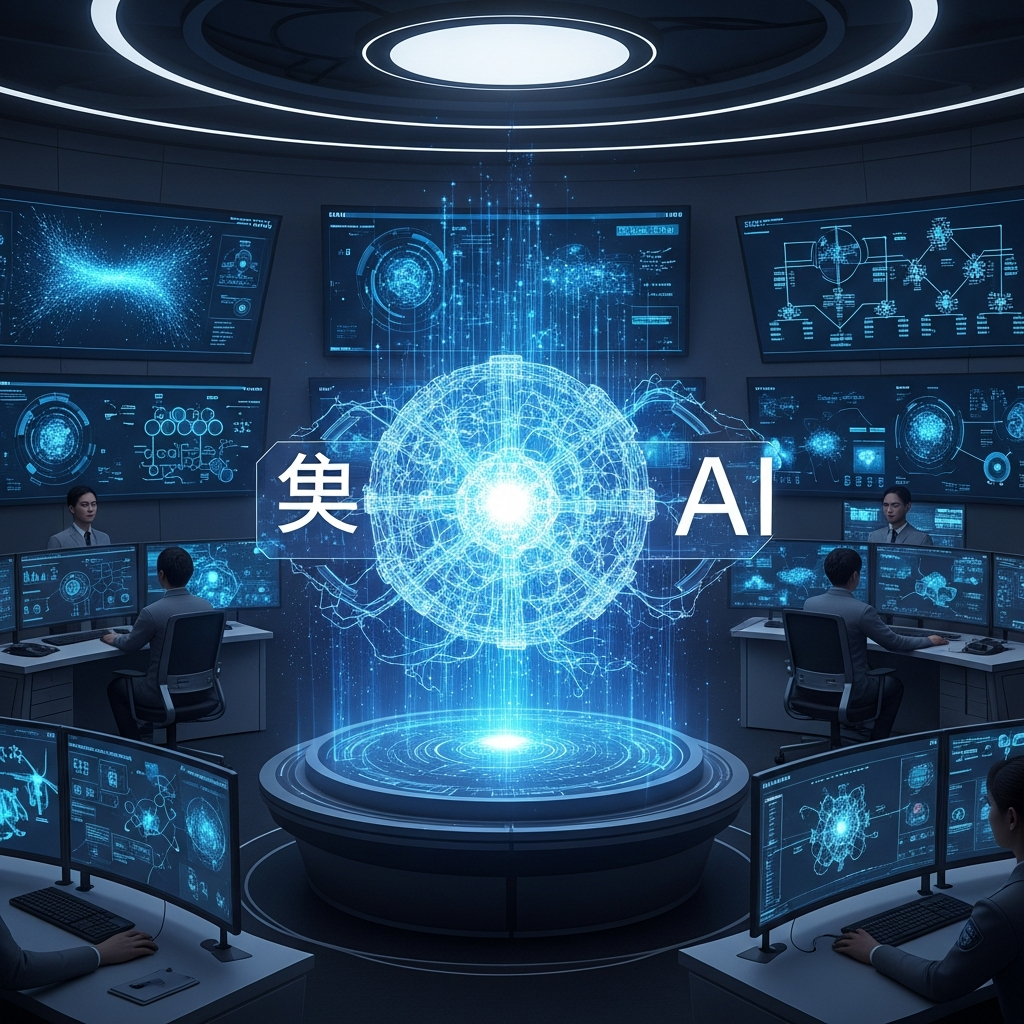
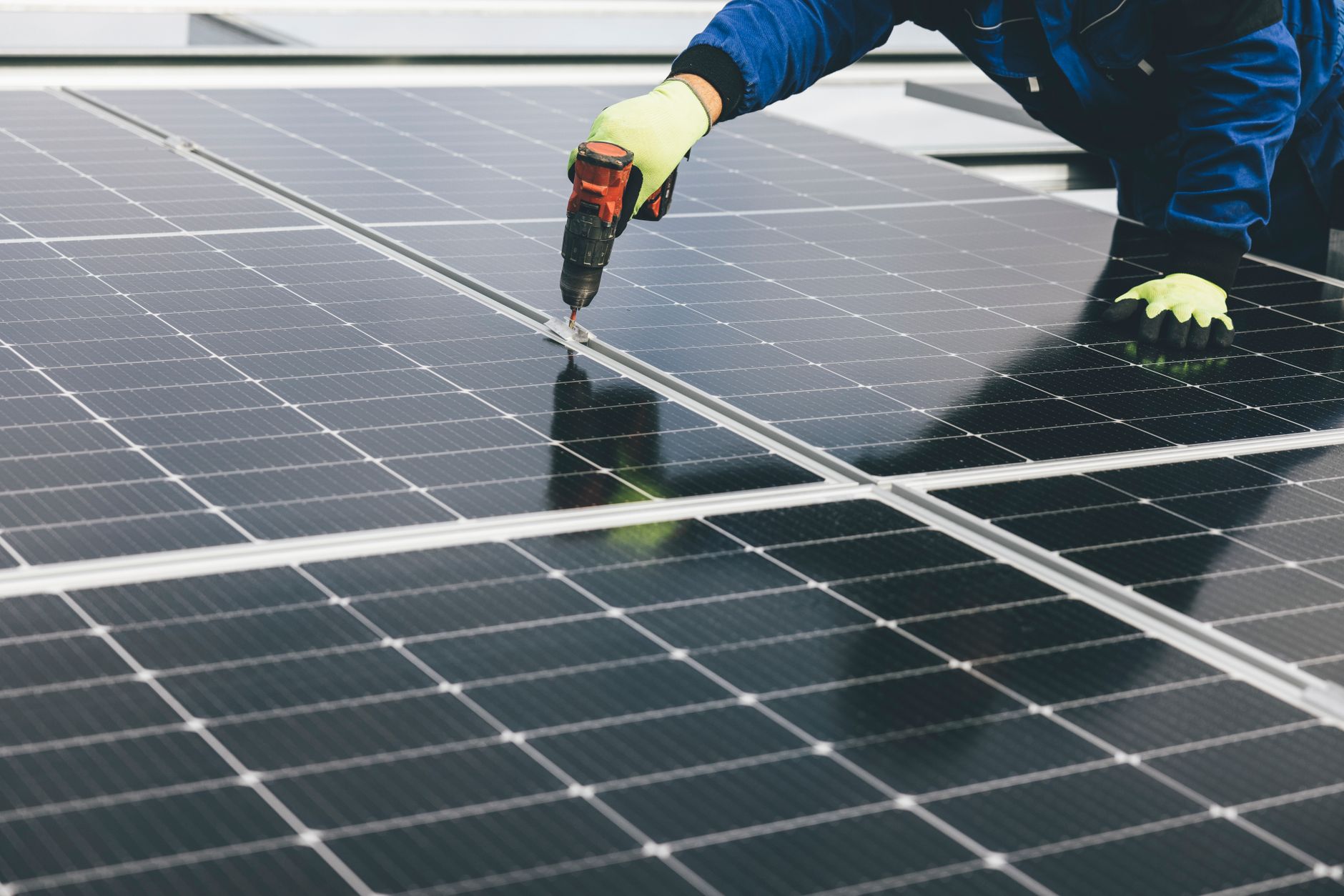
Modern tech companies are currently bifurcating into two distinct paths: the rapid, software-driven expansion of artificial intelligence and the capital-intensive, hardware-focused growth of climate technology. This divergence represents a fundamental shift in how the industry allocates resources, manages public perception, and approaches long-term scalability.
Key Takeaways
- The Dual-Track Economy: The sector is splitting between high-velocity AI software and high-capital climate hardware.
- Capital Realignment: Venture capital is increasingly flowing toward sustainable infrastructure and deep-tech solutions.
- Psychological Branding: To combat AI-related anxiety, companies are adopting “humanized” branding, including the use of mascots.
- Scaling Challenges: While AI scales through code, climate tech requires navigating the “Valley of Death” in physical manufacturing.
- Investor Focus: Long-term viability is being measured by a company’s ability to balance rapid innovation with physical-world integration.
The Great Tech Pivot: What is Changing in the Industry?
For the past decade, the dominant model for tech companies was the “SaaS” (Software as a Service) approach: build a platform, scale with minimal physical overhead, and achieve exponential growth. However, recent AI Shockwave: The Week That Changed Tech’s Future Forever events have accelerated a pivot toward more complex, multi-layered business models.
We are witnessing a transition from a purely digital economy to one that must reconcile digital intelligence with physical reality. This pivot is characterized by two competing forces: the extreme efficiency of AI-driven automation and the massive resource requirements of the green energy transition. While software-centric companies focus on optimizing existing workflows, deep-tech companies are building the very foundations—batteries, carbon capture, and smart grids—that the modern world requires to function.

The Climate Tech Surge: A New Era of Funding
While AI dominates the headlines, a massive shift is occurring in the financial plumbing of the technology sector. Climate tech funding is no longer a niche subset of “impact investing”; it has become a central pillar of tech industry trends.
Why Capital is Moving Toward Sustainability
Institutional investors and venture capitalists are recognizing that the next decade of growth will be driven by decarbonization. Unlike traditional software, which often seeks to disrupt existing markets, climate tech is tasked with building entirely new infrastructures. This requires a different kind of capital—patient, large-scale, and willing to endure longer development cycles. The shift is driven by regulatory pressures, the rising cost of carbon, and the undeniable necessity of energy security.
Interactive Guide: How Climate Tech Gets Funded
Understanding the lifecycle of a climate tech company is more complex than understanding a standard startup. Because these companies often deal with “atoms” (physical matter) rather than just “bits” (digital data), their funding journey follows a specific, high-stakes path. For those looking to navigate this, a new free interactive guide to how climate tech companies get funded provides a roadmap for the complexities involved.
The Climate Tech Funding Lifecycle
- R&D / Seed Stage: Focus on intellectual property (IP) and laboratory-scale proof of concept. Funding is often from government grants or specialized deep-tech VCs.
- Prototype / Angel Stage: Transition from theory to a physical prototype. This is where the “Valley of Death” begins, as costs rise before revenue is possible.
- Pilot / Series A: Deploying the technology in a controlled, real-world environment (e.g., a small-scale battery plant or a single carbon capture unit).
- Scaling / Series B & C: Moving from pilot to industrial-scale manufacturing. This requires massive capital expenditure (CAPEX) and often involves debt financing alongside equity.
- Infrastructure / Maturity: Integration into the global grid or supply chain, leading to IPO or acquisition by major energy or industrial players.
The Human Side of AI: Managing Public Anxiety
As AI business impact becomes more visible, so does the public’s apprehension. There is a growing tension between the efficiency promised by AI and the fear of displacement, loss of agency, and the “uncanny valley” of machine intelligence.
From Algorithms to Mascots: The Branding Shift
In a fascinating response to this tension, tech companies are increasingly moving away from cold, clinical interfaces toward more approachable, humanized branding. Recent reports indicate that tech companies are rolling out cuddly mascots and friendly avatars to ease AI anxiety. By giving an algorithm a face—one that is soft, colorful, and non-threatening—companies aim to lower the psychological barrier to adoption. This is a strategic move to transition AI from a “scary replacement” to a “helpful companion.”
Why Tech Companies are Humanizing their AI
This branding shift is not merely about aesthetics; it is about trust. As seen in various CES 2026: The Ultimate Guide to AI, Robots & Future Tech demonstrations, the goal is to make complex technology feel intuitive and safe. When users feel an emotional connection or a sense of familiarity with a tool, they are more likely to integrate it into their daily lives, reducing the friction of technological adoption.

What This Means for Investors and Consumers
For those watching the technology sector news, the distinction between these two paths—AI and Climate Tech—is vital for making informed decisions. Investors must balance the high-growth, high-volatility nature of AI with the high-capital, long-term stability of climate tech.
Comparison Table: AI Sentiment vs. Climate Tech Capital Intensity
| Feature | AI Sector | Climate Tech Sector |
|---|---|---|
| Primary Asset Type | Software / Algorithms | Hardware / Infrastructure |
| Capital Intensity | Moderate (Compute/Data) | High (Manufacturing/R&D) |
| Scaling Speed | Near-instantaneous | Multi-year (Physical builds) |
| Market Sentiment | High Hype / High Volatility | Steady Growth / Long-term |
| Primary Risk | Regulatory / Displacement | Technical / Resource Scarcity |
Checklist: Evaluating a Tech Company’s Long-term Viability
Whether you are an investor or a consumer, use this checklist to assess if a company is built for the next decade:
- [ ] Scalability vs. CAPEX: Does the company have a clear plan to manage the costs of physical scaling?
- [ ] Regulatory Moat: Does the company possess proprietary IP that can withstand increasing government oversight?
- [ ] Resource Resilience: For hardware companies, is the supply chain for raw materials (like lithium or cobalt) secure?
- [ ] Human Integration: For AI companies, is the user interface designed to build trust rather than cause friction?
- [ ] Energy Efficiency: Does the technology’s own carbon footprint align with the sustainability goals of its target market?
Future Outlook: The Next Decade of Tech Giants
The next generation of tech giants will likely be those that successfully bridge the gap between these two worlds. We may see AI companies becoming the “brains” of climate tech hardware—using machine learning to optimize energy grids or discover new materials for batteries.
As we move forward, the focus will shift from mere digital connectivity to physical-world optimization. This evolution will require navigating complex landscapes, including New Era: Big Tech Accountability & Landmark Verdicts Reshape legal frameworks and the massive engineering challenges of space and earth-bound technology, much like the advancements seen in NASA Propels Space Tech to Orbit.

Frequently Asked Questions
How are tech companies addressing AI-related public anxiety?
Tech companies are employing several psychological branding strategies to mitigate fear. This includes the use of “humanized” interfaces, such as friendly mascots and approachable avatars, to reduce the sense of the “uncanny valley.” Additionally, there is an increased focus on transparency regarding how data is used and how algorithms make decisions, aiming to build a foundation of trust with the general public.
Why is climate tech receiving more investment than traditional SaaS?
While SaaS (Software as a Service) remains profitable, the total addressable market for climate tech is arguably much larger and more urgent. The global transition to net-zero requires trillions of dollars in new infrastructure, hardware, and energy systems. Investors are moving toward climate tech because it offers a path to long-term, essential utility that is increasingly mandated by global policy and the physical realities of environmental change.
What are the key sectors driving tech company growth in 2024?
Growth is currently being driven by three primary pillars: Generative AI and its associated software ecosystem, renewable energy technologies (including advanced battery storage), and the hardware required to support both (such as specialized semiconductors and smart-grid infrastructure). The intersection of these sectors—where AI is used to optimize physical energy systems—is expected to be one of the most significant growth areas.
Stay ahead of the digital curve—subscribe to QuantoSei News for deep dives into the tech economy.
References
Featured image: Photo by Markus Spiske on Pexels