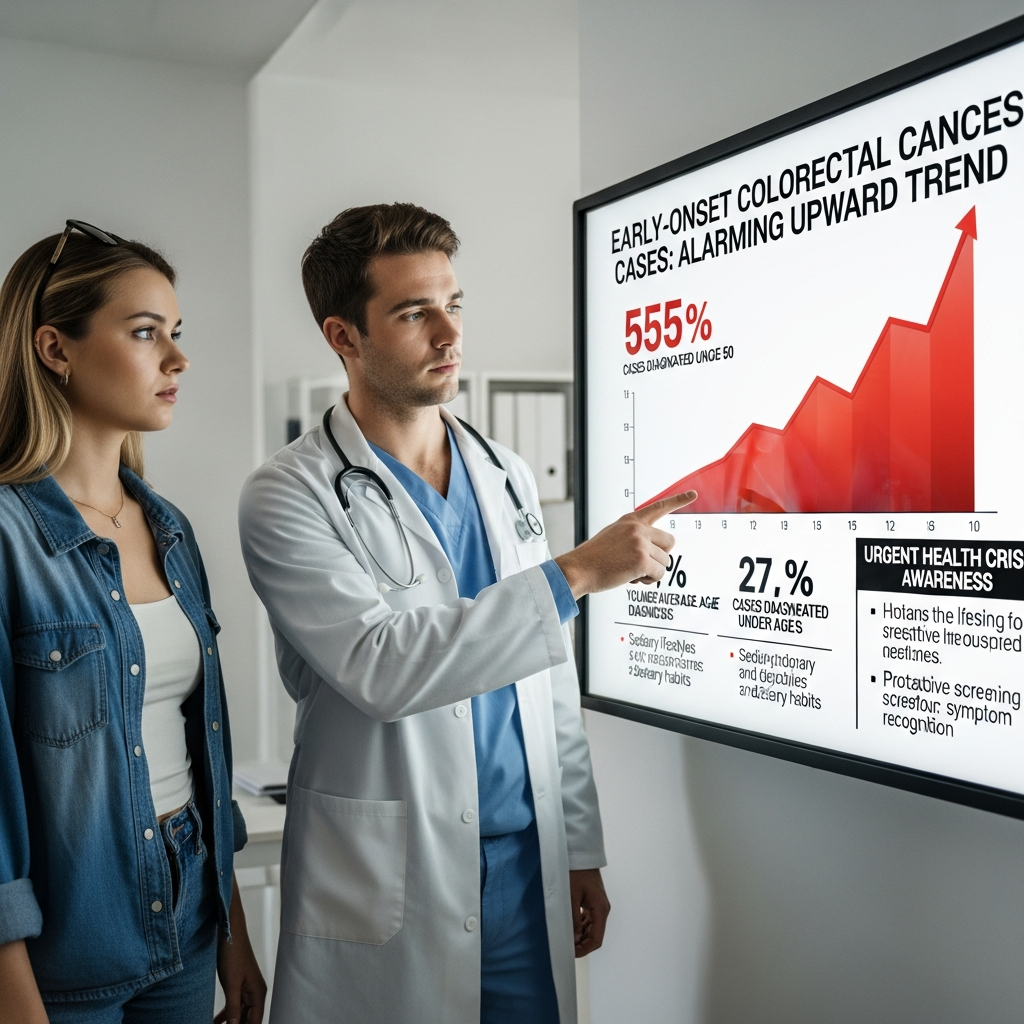
An alarming and unprecedented health crisis is unfolding: rectal cancer deaths among younger adults, particularly Millennials and Gen Z, are surging at rates far exceeding previous generations. This troubling trend highlights a critical need for increased awareness, proactive screening, and a deeper understanding of the factors driving early-onset colorectal cancer (EOCRC). Once considered a disease primarily affecting older individuals, CRC is now tragically impacting young adults, demanding urgent attention from both healthcare providers and the public.
The Alarming Rise of Rectal Cancer in Younger Generations
The data paints a stark picture of escalating mortality. Studies reveal that rectal cancer deaths are increasing two to three times faster than colon cancer deaths in adults aged 20 to 44. Projections indicate that if current trends persist, rectal cancer fatalities could even surpass colon cancer deaths by 2035. This isn’t just a statistical anomaly; it represents a significant shift in cancer epidemiology.
Startling Statistics: A Global Health Crisis
The increase in early-onset colorectal cancer (EOCRC), defined as cases diagnosed before age 50, is a global phenomenon. Research indicates that individuals born in 1990 are twice as likely to develop colon cancer and a staggering four times more likely to develop rectal cancer compared to those born in 1950. The Centers for Disease Control and Prevention (CDC) has reported a stunning 185% increase in colorectal cancer among individuals aged 20 to 24, and an even higher 333% increase for those aged 15 to 19.
This surge has profound implications: colorectal cancer is now the leading cause of cancer-related death for men under 50 and the second-leading cause for women under 50 in the United States. This marks a dramatic shift, as cancer moves from being predominantly a disease of older populations to one increasingly affecting younger, working-age adults.
The Cost of Delayed Diagnosis
A critical factor contributing to poor outcomes in younger patients is the significant diagnostic delay. On average, young adults experience a seven-month gap between the onset of symptoms and receiving a diagnosis and treatment. This delay is often exacerbated by the prevailing misconception among both patients and healthcare providers that colorectal cancer is an “old person’s disease.”
Consequently, a distressing 75% of individuals under age 50 are diagnosed at an advanced stage, where treatment options are more limited and prognosis is often worse. A cancer diagnosis at a young age also brings unique and severe challenges, including financial hardship, difficulties with family planning, and higher rates of anxiety, sexual dysfunction, and body image issues following treatment.
Unraveling the Mystery: Potential Causes of Early-Onset CRC
Scientists are actively investigating the complex reasons behind this alarming surge. While no single cause has been definitively identified, a combination of environmental, lifestyle, and biological factors is strongly suspected. Many young patients with EOCRC appear healthy and lack a family history of the disease, suggesting uncharacterized risk factors are at play.
The “Exposome” and Lifestyle Factors
A primary focus of research is the “exposome”—the totality of environmental factors and experiences an individual encounters from prenatal development through adulthood. This includes a drastic shift in diet, particularly the widespread consumption of ultraprocessed foods (UPFs) since the 1980s. These foods, which account for about half of American caloric intake, contain emulsifiers, additives, and industrial formulations increasingly linked to adverse health outcomes, including CRC.
Other potential contributing factors under investigation include:
Obesity and Sedentary Lifestyles: Higher rates of obesity, which has risen significantly since the 1970s, are strongly correlated with increased cancer risk.
Western Diet and Sugar Consumption: Diets high in processed meats, low in fiber, and heavy in sugar-sweetened beverages are implicated in microbiome disruption and inflammation.
Microbiome Disruption: Changes in the gut microbiome, possibly linked to diet and antibiotic use, are being studied. A groundbreaking 2025 study even proposed that colibactin, a toxin produced by specific strains of E. coli, could be a key driver, with exposure potentially occurring very early in life.
Environmental Pollutants: Exposure to pollutants in air, soil, water, and “forever chemicals” (PFAS) are also being examined.
Other Factors: In utero chemical exposures, chronic sleep disruptions, and stress are also considered potential contributors.
Beyond Genetics: Sporadic Cases and Tumor Biology
While inherited genetic mutations like Lynch syndrome account for a minority (up to 20%) of early-onset CRC cases, the majority are sporadic, meaning they lack a known hereditary component. This further deepens the mystery and underscores the need for comprehensive research.
Scientists are finding distinct molecular characteristics in tumors from younger patients compared to older ones. For instance, sporadic EOCRC often exhibits deregulated redox homeostasis, or oxidative stress, which some researchers link to rising obesity rates. Molecular tumor profiling is also progressing, helping to guide more targeted treatment decisions.
Empowering Action: Screening, Symptoms, and Prevention
Given the escalating incidence and mortality, proactive measures are paramount. Both healthcare providers and young adults must be vigilant.
Updated Screening Guidelines: Age 45 is the New 50
Recognizing the urgent trend, major health organizations have lowered the recommended age for colorectal cancer screening. In 2021, the U.S. Preventive Services Task Force (USPSTF) updated its guidelines, recommending routine CRC screening for average-risk adults begin at age 45, five years earlier than previously advised. Further research even suggests initiating screening at age 40 could significantly reduce cases and deaths.
Specific screening recommendations apply to certain groups:
Black individuals: Due to higher risk, Black men and women are advised to start screening at age 45.
Family history: If you have a close family member with CRC, you may need to start screening at age 40, or 10 years younger than the age your family member was diagnosed.
Symptoms: Anyone experiencing persistent symptoms, regardless of age, should prompt a thorough investigation, including a colonoscopy if warranted.
Don’t Ignore the Red Flags: Key Symptoms to Monitor
Early detection is crucial for curable outcomes. Primary care providers must fully investigate early symptoms in patients under age 45, and young adults should actively advocate for their health. It’s vital to be aware of and discuss any persistent changes with your doctor.
Key symptoms young people should never ignore include:
Rectal bleeding: Blood from the rectum, in the stool, or in the toilet. This should always be thoroughly investigated, even if initially attributed to hemorrhoids.
Unusual stools: Dark/black stools or narrow, thin, ribbon-like stools.
Persistent changes in bowel movements: Diarrhea or constipation lasting two weeks or more.
Low energy or tiredness: Often due to anemia from chronic blood loss.
Other general symptoms: Changes in appetite (feeling full early), unexplained weight loss, or persistent abdominal pain.
If you are unsatisfied with your symptom evaluation, do not hesitate to seek a second opinion. Patient advocacy can be life-saving.
Proactive Steps: Reducing Your Risk
While the exact causes of early-onset CRC are still under investigation, several lifestyle modifications can help reduce your overall cancer risk:
Avoid tobacco: Abstain from smoking or using any tobacco products, including e-cigarettes.
Limit alcohol: Consume alcohol responsibly (max two drinks daily for men, one for women), or ideally, avoid it.
Adopt a healthy diet: Focus on a high-fiber diet rich in fruits, vegetables, and whole grains. Limit red and processed meats, and reduce ultraprocessed foods and sugar-sweetened beverages.
Regular physical activity: Engage in consistent exercise to maintain overall health.
Maintain a healthy weight: Achieve and maintain a body mass index (BMI) within a healthy range.
- HPV vaccine: While not directly for CRC, getting vaccinated against human papillomavirus (HPV) helps guard against other cancers.
- nypost.com
- www.yalemedicine.org
- www.cancer.org
- www.the-scientist.com
Addressing Disparities and Future Research
The impact of EOCRC is not uniform. Research indicates significant disparities, with American Indians/Alaska Natives, Hispanics, Asians/Pacific Islanders, and Black patients experiencing higher rates of early-onset diagnoses compared to non-Hispanic white patients. Additionally, young males with CRC have shown poorer survival rates than females, with distinct gene mutation patterns.
To effectively combat this crisis, researchers emphasize a “cells-to-society” approach, considering biological, genetic, community health, access to care, systemic, and individual exposome factors. Global multidisciplinary teams, such as those supported by Cancer Grand Challenges, are actively conducting large-scale prospective studies to identify novel risk factors by tracking changes in exposomes, microbiomes, and epigenomes. The ultimate goal is to develop targeted prevention strategies and clinical interventions.
Frequently Asked Questions
What makes rectal cancer in young adults so concerning?
Rectal cancer in younger adults is alarming due to its rapid increase, with deaths rising two to three times faster than colon cancer in the 20-44 age group. A critical concern is the significant diagnostic delay—an average of seven months from symptom onset—leading to 75% of young patients being diagnosed at advanced stages. This late diagnosis often means more aggressive treatments, poorer prognoses, and unique challenges for individuals in their peak earning and reproductive years, including financial hardship and fertility concerns.
When should younger adults, especially Millennials, consider colorectal cancer screening?
Based on updated guidelines, most average-risk adults, including Millennials, should consider initiating colorectal cancer screening at age 45. This recommendation from the U.S. Preventive Services Task Force (USPSTF) lowered the previous age of 50 due to the rising incidence of early-onset cases. However, individuals with specific risk factors, such as a family history of CRC or inflammatory bowel disease, may need to start screening even earlier, possibly at age 40 or 10 years prior to a family member’s diagnosis. Black men and women are also advised to begin screening at age 45 due to higher risk.
What specific lifestyle changes can significantly lower my risk of early-onset colorectal cancer?
While the exact causes are still being investigated, significant lifestyle modifications can help reduce your risk of early-onset colorectal cancer. These include adopting a high-fiber diet rich in fruits, vegetables, and whole grains while limiting red and processed meats, ultraprocessed foods, and sugary beverages. Maintaining a healthy body weight through regular physical activity is crucial. Additionally, abstaining from all tobacco products, limiting alcohol consumption (no more than two drinks daily for men, one for women), and being aware of environmental exposures are important preventative steps.
A Call to Action for a Healthier Future
The rapid rise of rectal cancer deaths among younger adults, particularly Millennials, is a profound and urgent health crisis. This trend is a wake-up call for both the medical community and the public to prioritize early detection, comprehensive screening, and proactive risk reduction. By understanding the symptoms, advocating for timely medical evaluation, and adopting healthier lifestyles, we can collectively work to reverse these alarming statistics. Continued research into the “exposome” and the unique biology of early-onset cancers holds the promise of developing more effective prevention and treatment strategies, offering hope for a healthier future for all generations.