Key takeaways
- British endurance swimmer Lewis Pugh, 56, swam about 9.3 miles (roughly 15 km) of the Strait of Hormuz in sections over three days, according to The Associated Press.
- He heard two loud explosions minutes after entering the water on Monday and saw an oil tanker, about four kilometers away, that had been hit.
- Pugh warns that oil and chemical pollution from dozens of damaged tankers could harm dolphins, turtles, coral reefs and mangroves for years or decades.
- The AP report cites no measured spill volumes or independent environmental assessment, so the ecological damage described remains a warning rather than a confirmed finding.
The Strait of Hormuz swim completed this week by Lewis Pugh, a British endurance athlete and United Nations Patron of the Oceans, is believed to be the first long-distance swim in the waterway since the U.S.-Israeli war on Iran began on February 28, 2026. Pugh started from the Musandam Peninsula in Oman and finished by rounding the Cape of Hormuz, and he says tankers burned and exploded within sight of him while he swam. His stated goal was to turn attention to a part of the war that rarely reaches the headlines: what it is doing to the Sea and the animals that live in it.
The account comes from an interview Pugh gave to The Associated Press after he returned to London, published by CBS News on November 21, 2026, and echoed by other outlets including India Today. Most of the specifics of the swim come from Pugh himself, and the reports do not include independent confirmation of the attacks he describes. This article sets out what is known, what is claimed and what remains unanswered.
What happened during the Strait of Hormuz swim
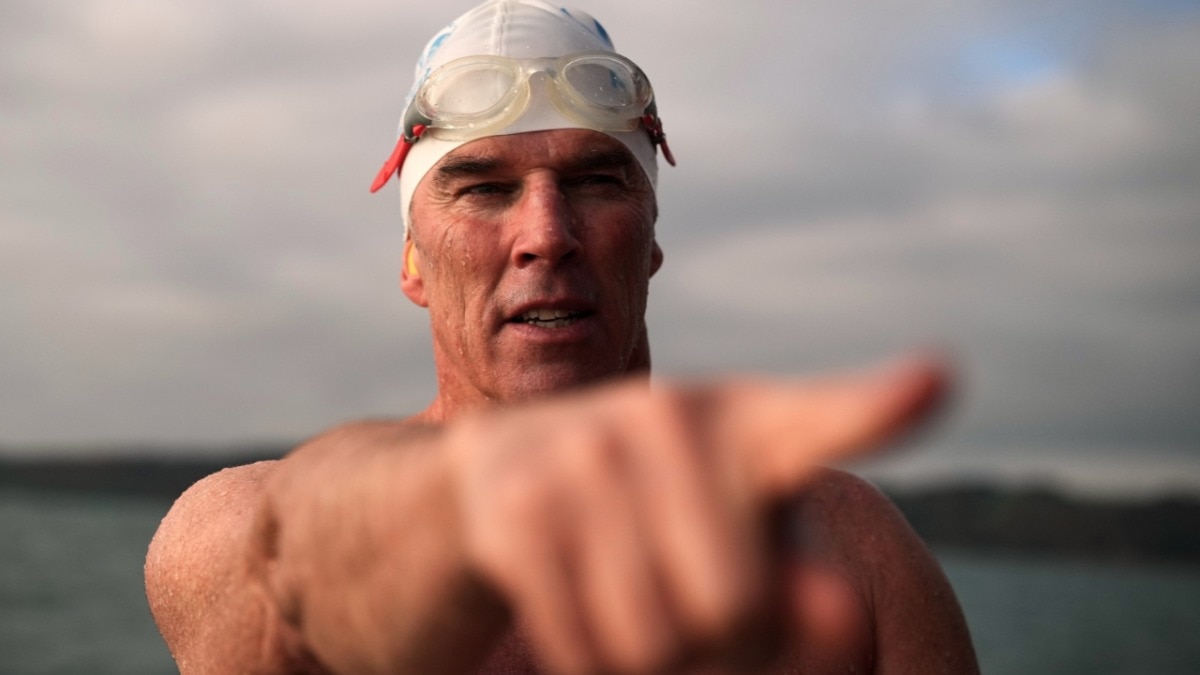
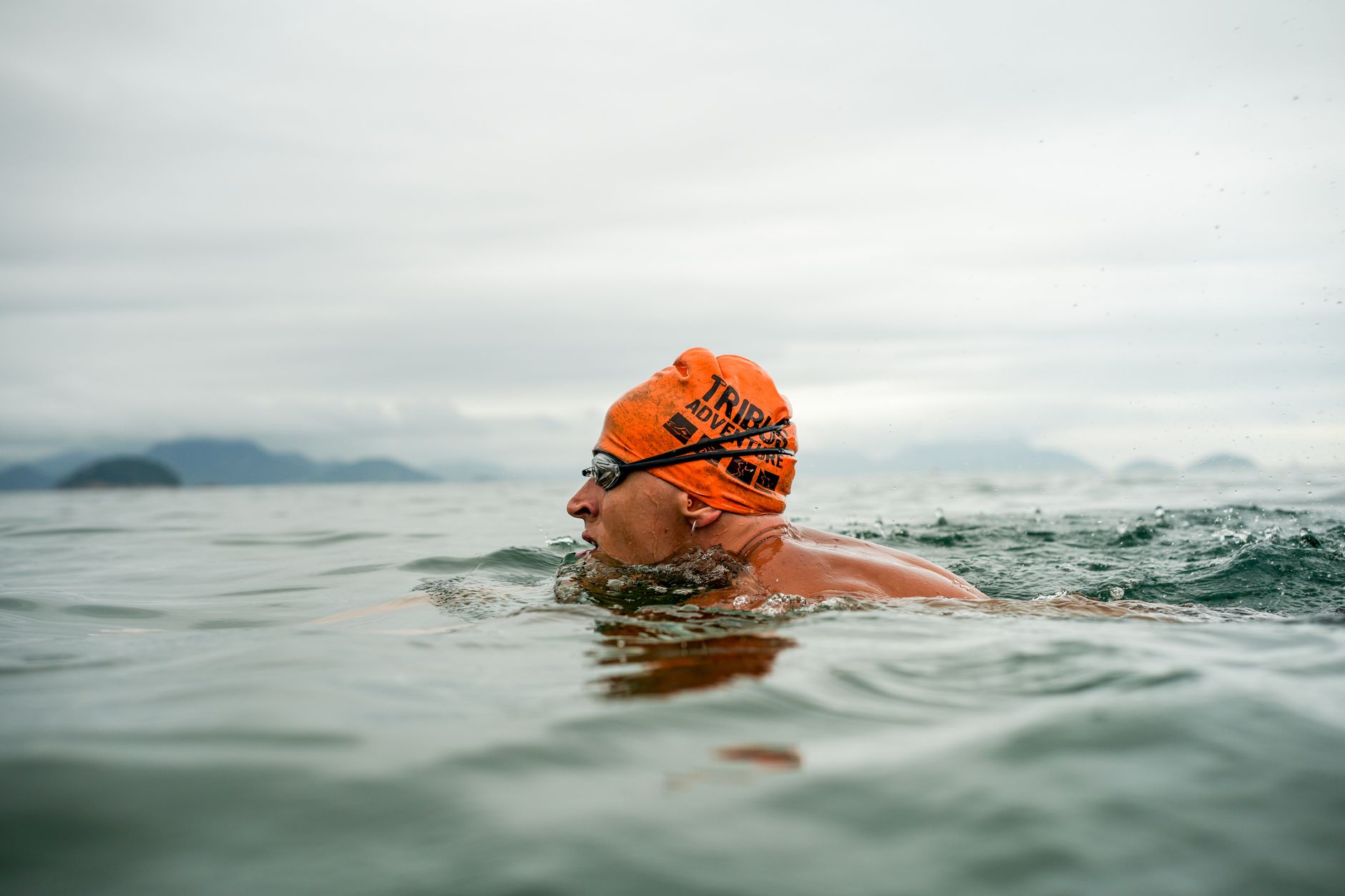
According to the AP, Pugh spent three days this week swimming parts of the strait. Photographs distributed by the Lewis Pugh Foundation show him diving in off the Musandam Peninsula, in Oman, on Wednesday, November 18, 2026. By the AP’s account, he wore only swimming trunks, goggles and a cap bearing the U.N. logo.
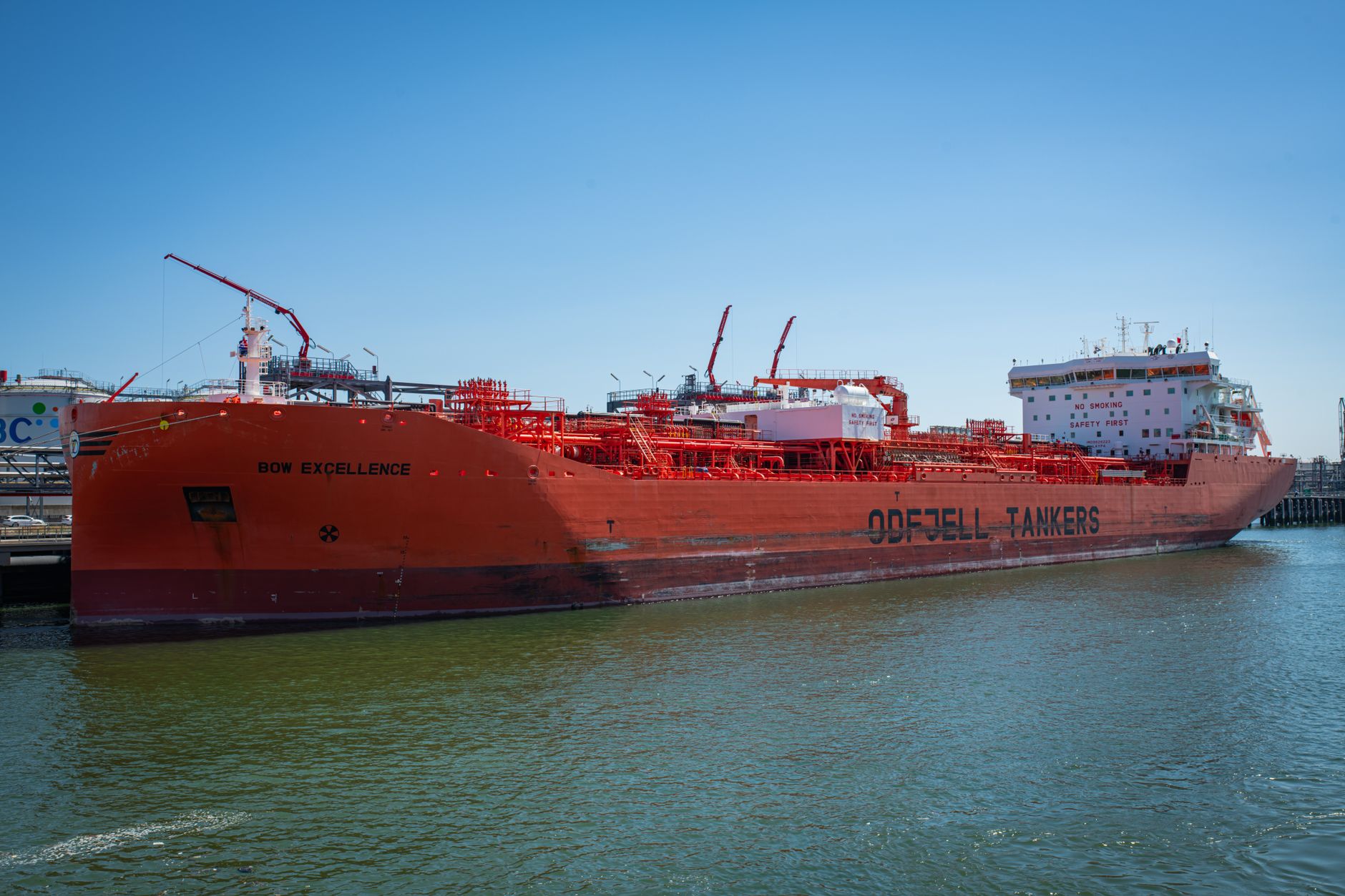
The first day of the challenge, a Monday, did not go as planned. Pugh said that minutes after he entered the water he heard two loud explosions that rocked the sea. “I looked up and I could see that an oil tanker about four kilometers away had been hit,” he told the AP. “The explosion was so loud, two booms, and then fighter jets coming in. And at that moment I realized we have to get out of here right now.”
He and his team left the water. The AP reported that he finished the swim after “more stops and starts,” including passing another vessel that sent fireballs into the sky after it was attacked.
The second day produced what Pugh described as the most vivid scene. He said he saw a gas carrier struck as he returned to the harbor. “I’ll never ever forget going past that gas carrier, the smell of the chemicals and then the flames, they were literally like fireballs going up into the sky. Around the ship, the water was on fire,” he said. “And to think of the impact which a casualty like this has on nature — it was very, very acute.”
On the final day, he completed the route, rounding the Cape of Hormuz. The AP reported the total swimming time at about 6½ hours across the three days, a pace set by safety rather than athletic ambition.
The swim at a glance
| Detail | What was reported |
|---|---|
| Swimmer | Lewis Pugh, 56, British endurance swimmer and U.N. Patron of the Oceans |
| Dates | Three days in the week of November 16, 2026; photographed diving in on November 18 |
| Start point | Musandam Peninsula, Oman, on the southern tip of the strait |
| Finish point | Rounding the Cape of Hormuz |
| Distance | About 9.3 miles (roughly 15 km) |
| Time in the water | About 6½ hours, in sections |
| Gear | Swimming trunks, goggles and a cap bearing the U.N. logo |
| Wildlife seen | Dolphins following his boat, turtles and ospreys |
| Distinction | Believed to be the first long-distance swim in the strait since the war began |
The phrase “believed to be” matters. The AP did not say it had verified that no one else had made such a swim, only that Pugh is thought to be the first.
Why the Strait of Hormuz swim matters
The swim matters less as an athletic feat than as a way of putting a different set of stakes in front of an audience that mostly follows the war through oil prices, military moves and diplomacy. Pugh’s message, as he put it to the AP, is blunt: “We’ve got to stop the war. We’ve got to open the strait, and we’ve got to clean up the pollution.”
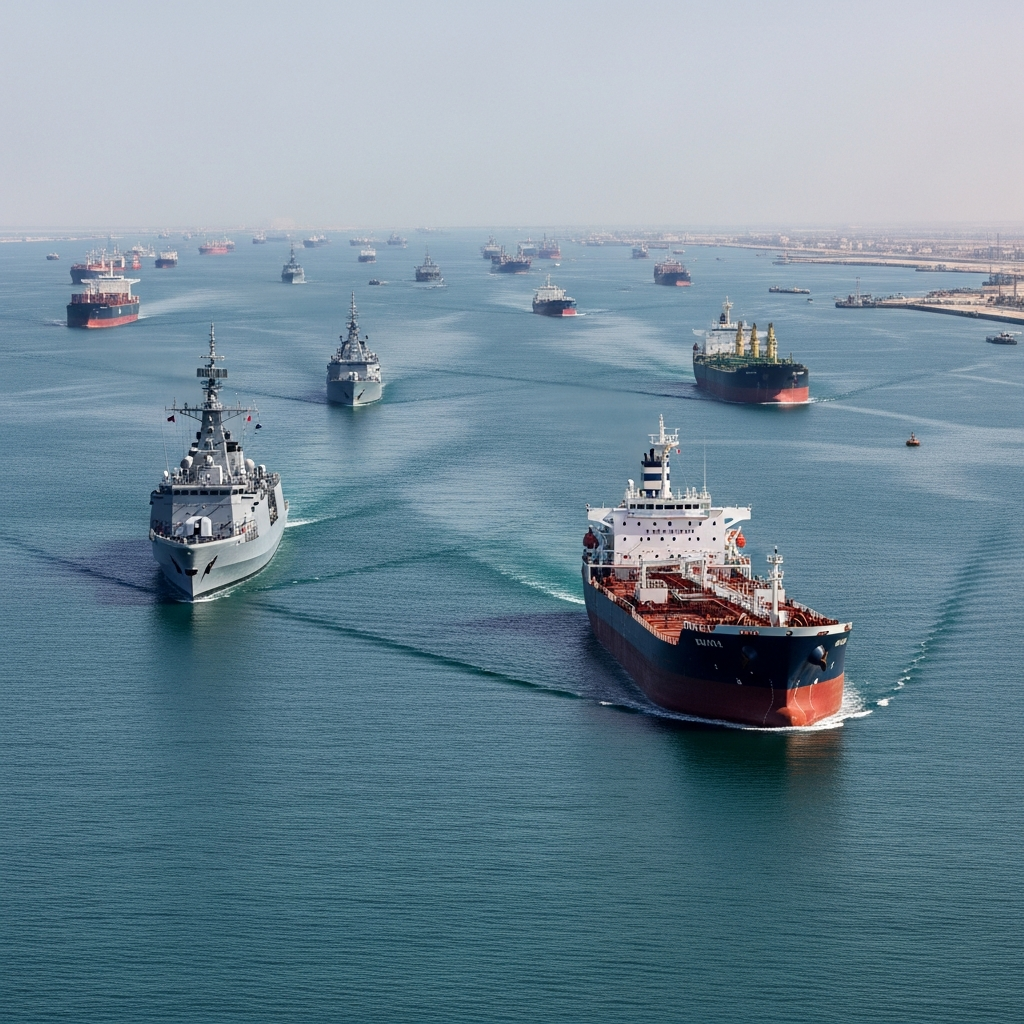
The strait carries outsized economic weight. According to the AP, a fifth of all oil traded passed through it before the U.S. and Israel launched the war on February 28. That fact is the reason the waterway dominates coverage of the conflict, and it is also the reason the environmental questions are hard to separate from the economics. Every tanker that is hit or mined carries cargo that, if released, ends up in the same water.
Pugh made the point directly. “Most people, when they think about the Strait of Hormuz, they think of a shipping lane,” he said. “But it is also one of the most beautiful places I have ever been … it’s one of the treasure troves of the natural world.”
There is also a human-safety dimension. The attacks Pugh described happened within a few kilometers of a civilian in the water. While he was a prepared athlete with a support team and a plan to swim in short sections, his account is a reminder that the strait is an active conflict zone in which vessels are being struck in daylight.
Background: the war, the mines and the unauthorized routes
The AP’s reporting provides a compact picture of the situation Pugh swam into.
- February 28, 2026: The U.S. and Israel launch the war on Iran.
- In recent weeks: Iran has increased attacks on vessels that it claims traveled along unauthorized routes in the strait, as it seeks to impose its control on the waterway, according to the AP.
- Sea mines: Several tankers have struck sea mines laid by Tehran, in some cases exploding and bursting into flames. The AP said one of them, last month, was carrying more than 2 million barrels of oil.
- Scale of damage: Pugh referred to “dozens of tankers” damaged since February, a figure he used in warning about leaking oil. The reports do not provide an independent tally.
The summaries available do not identify the tankers Pugh saw hit, and they do not say who attacked them. That gap is significant. Iran’s stated approach is to police what it calls unauthorized routes, but the reporting does not attribute the specific explosions Pugh witnessed to any party, and this article does not either.
Alongside the AP piece, CBS News linked to other reporting on the conflict that gives a sense of how unsettled the political picture remains. Headlines included that President Trump says he wants a “permanent” deal with Iran, that the U.S. and Israel are considering a new assault on Iran according to sources, and that an Iran war powers measure again fell short in the Senate. Those items are context only; the Pugh report does not draw on them.
The environmental stakes in the Strait of Hormuz
Pugh’s central argument is about time. Military and shipping crises are measured in days and weeks, but contamination of a coastline is measured in years. “It’s going to take years, decades for this area to recover,” he told the AP. “With all these ships being sunk, this area is under severe threat.”
He named the habitats and animals he believes are at risk: the region’s coastlines, coral reefs and mangrove forests, along with its wildlife. During his swim he said he saw large numbers of dolphins following his boat as he sailed in, as well as turtles and ospreys. He also recalled seeing hundreds of turtles during an earlier swim along the Omani coast before the war began.
His case for why damage would be lasting is straightforward. “When oil gets in there, when chemical pollution gets in there, it becomes very, very difficult to clean up that type of mess,” he said. “It lasts for generations.”
What is confirmed and what is not
It is important to separate observation from forecast in this story.
- Reported by Pugh as observed: explosions, a hit tanker about four kilometers away, a gas carrier on fire with burning water around it, a smell of chemicals, and the presence of dolphins, turtles and ospreys.
- Reported as a warning: that oil leaking from damaged tankers could create lasting problems for animals, coastlines, reefs and mangroves.
- Not reported: any measured spill volume, any count of affected animals, any scientific survey of the damage, or any statement from environmental regulators.
In other words, the environmental harm is presented as a credible concern from a long-time ocean advocate, not as a documented outcome. That does not make the concern baseless. A burning gas carrier and tankers carrying millions of barrels of oil are the kind of events that raise obvious pollution questions. But the reports provide no data on what, if anything, has been released into the water.
Who is Lewis Pugh, and what is “Speedo diplomacy”?
Pugh has spent about 40 years swimming in extreme places to push for stronger protection of marine environments. According to the AP, he was the first athlete to swim across the North Pole and to complete a long-distance swim in every one of the world’s oceans. His swims have taken him from Antarctica to the Red Sea and the English Channel. In 2023, he swam all 315 miles of the Hudson River to highlight the importance of clean rivers.
He has dealt with freezing water and predators, including great white sharks. Swimming in a conflict zone, the AP said, presented entirely new dangers, which is why the challenge was divided into sections.
His foundation says the campaigns have helped secure official agreements to protect more than 1.35 million square miles (about 3.5 million square kilometers) of vulnerable ocean. That figure is the foundation’s claim; the AP did not independently verify it in the text available.
Some have called his blend of epic swimming and political outreach “Speedo diplomacy.” Pugh embraces the idea that sport can open doors. “Sport opens doors, it creates dialogue, it enables people to start thinking about these important issues,” he said.
That approach has an obvious logic here. A stunt in a war zone gets attention that a policy paper would not, and it gives editors a human-scale image, a swimmer in the water with burning ships on the horizon, to illustrate a diffuse environmental risk. The question is whether attention translates into action, a point taken up below.
Stakeholders and what we have not heard
One notable feature of the coverage is how little official reaction it contains. The reports do not include responses from any government, from the United Nations beyond Pugh’s own title, or from Iranian, U.S. or Israeli officials. Pugh holds the title of U.N. Patron of the Oceans, and the swim cap carried the U.N. logo, but the reports do not indicate that the U.N. as an institution organized or commented on the swim. This article does not treat his views as the position of the United Nations.
The main stakeholders, as far as the reporting allows, are:
- Coastal communities and wildlife: The reports mention Oman’s coast, where Pugh began, and the habitats along it, though they do not quote local residents or officials.
- Shipping and energy interests: Tankers carrying oil and gas are the ones being hit, and the strait’s share of world oil trade makes any disruption relevant to energy markets.
- The governments involved in the war: The U.S. and Israel launched it, and Iran is imposing control on the strait and has laid mines, according to the AP.
- Environmental advocates: Pugh and his foundation, who want the strait reopened and polluted areas cleaned up.
The absence of official voices means readers should treat the picture as partial. The strongest claims in the story rest on one person’s eyewitness account and his assessment of what could follow.
What it means for you
Most readers will not swim anywhere near the strait, but the story touches several groups differently.
If you follow energy markets or run a business that depends on shipping, the swim is a reminder that attacks on vessels and mines in the strait remain active, per the AP’s description of recent weeks. A fifth of the world’s traded oil moved through the waterway before the war, so developments there continue to be relevant to fuel costs and supply chains. The reports do not quantify any effect on prices.
If you care about conservation or donate to ocean causes, expect the environmental side of the conflict to stay hard to measure until independent assessments are possible. Pugh’s warnings are a call to attention, not a survey of damage, so treat specific claims about ecological harm as concerns until data emerges.
If you live in or travel to the region, the reporting shows that vessels were being hit close to shore areas that Pugh swam, within roughly four kilometers in one case. Travel and safety decisions should rely on official government advisories rather than a single account.
If you are a news reader trying to weigh competing claims, note which statements are firsthand observation, which come from Iran’s stated policy as relayed by the AP, and which are forecasts. The Pugh story mixes all three.
Counterpoints and open questions
Several questions are unresolved, and some caution is warranted.
Is the damage already happening? Pugh warned that oil leaking from dozens of damaged tankers could create lasting problems. The reporting does not say how much oil has leaked, whether any of it has reached shore, or whether coral reefs and mangroves have been affected. Without monitoring data, the scale cannot be judged from the available reports.
Who attacked what? The AP says Iran has increased attacks on vessels it claims used unauthorized routes and that several tankers struck mines laid by Tehran. But the reports do not tie the specific attacks Pugh saw, including the tanker about four kilometers away and the gas carrier, to a named attacker. The fighter jets he mentioned are not identified either.
Can a swim change policy? Advocates say sporting stunts open doors, and the foundation points to protected-ocean agreements as evidence. Skeptics might argue that agreements to protect ocean areas in peacetime are a different matter from persuading governments in an active war to prioritize ecology. The reports do not include a critic’s view, so this is an open question, not a finding.
Was the swim itself a risk? Pugh divided the challenge into sections and left the water when the first explosions occurred. But the fact that attacks occurred while he was swimming raises the question of whether such actions can be done without drawing support teams and others into danger. The reports do not discuss any security arrangements.
Can the foundation’s numbers be trusted? The 1.35 million square miles figure comes from Pugh’s foundation and is described by the AP as the foundation’s claim. It is a reasonable indicator of his campaigning record but not an audited figure.
What happens next
The reports do not describe any planned follow-up swims, hearings or assessments, so what follows is a list of signals to watch, not scheduled events.
- Independent environmental assessments: Any survey or monitoring statement from regulators or scientific bodies on oil or chemical contamination near the strait would show whether Pugh’s warnings are being borne out.
- Further attacks and mine strikes: The AP notes that attacks have increased in recent weeks. More incidents involving tankers or gas carriers would add to the pollution risk he describes.
- Diplomacy and military decisions: CBS News headlines linked to the story point to Trump’s stated wish for a “permanent” deal with Iran, reports that the U.S. and Israel are weighing a new assault, and a war powers measure that again fell short in the Senate. Which direction those take will shape whether the strait reopens.
- Official responses to Pugh’s message: Whether any government or the U.N. addresses his call to stop the war, open the strait and clean up the pollution.
The bottom line
Pugh’s three days in the water produced a vivid but limited record: a swimmer, a team and a sequence of explosions and fires in a waterway that carried a fifth of the world’s traded oil before the war. The Strait of Hormuz swim does not settle how much pollution has entered the sea or who bears responsibility for the attacks. What it does is keep a question in view that the shipping and diplomacy headlines often leave out, namely what remains in the water, and for how long, after the fighting stops.
Frequently asked questions
Who is Lewis Pugh and why did he swim in the Strait of Hormuz?
Lewis Pugh is a 56-year-old British endurance swimmer and a United Nations Patron of the Oceans who has swum in extreme locations for about 40 years to promote ocean protection. He swam parts of the strait over three days to draw attention to how the war with Iran threatens the area’s habitat and wildlife. He says his message is to stop the war, open the strait and clean up the pollution.
How far did Pugh swim and where did he start?
According to the AP, he swam about 9.3 miles in total, starting from the Musandam Peninsula on the southern tip of the strait and ending by rounding the Cape of Hormuz. The swim was done in sections over three days, with about 6½ hours spent in the water. He is believed to be the first person to undertake a long-distance swim there since the war began.
What did Pugh see while swimming?
He said that minutes after he entered the water on Monday he heard two loud explosions and saw an oil tanker about four kilometers away that had been hit, followed by fighter jets. On another day he passed a gas carrier that had been struck, with fireballs rising and the water around it on fire. He also reported seeing dolphins, turtles and ospreys.
Has the war caused confirmed environmental damage in the strait?
The reports describe risks and warnings, not confirmed damage. Pugh cautioned that oil leaking from dozens of damaged tankers could harm animals, coastlines, coral reefs and mangrove forests, and said recovery could take years or decades. The AP account does not give spill volumes or an independent environmental assessment.
References
- Water was on fire: UK athlete swims in war-hit Hormuz to expose marine life threat — indiatoday.in
- Athlete swims Strait of Hormuz to raise awareness of Iran war’s toll on wildlife — cbsnews.com
Featured image: Image via India Today