The MINURSO mandate expiration on October 31, 2026, has left the disputed Western Sahara region in a state of profound diplomatic and security uncertainty following a paralyzing deadlock at the United Nations Security Council.
Key Takeaways
- Mission Termination: The United Nations Mission for the Referendum in Western Sahara (MINURSO) officially ceased operations after the Security Council failed to renew its mandate.
- Diplomatic Deadlock: A rare “dual veto” scenario occurred when the United States and the Russian Federation both blocked competing resolutions, leading to the mission’s expiration.
- Security Warnings: UN Secretary-General Antonio Guterres and humanitarian group Oxfam have warned that the absence of UN monitoring increases the risk of escalating hostilities.
- Humanitarian Risk: Oxfam reports that the political stalemate threatens the stability of Sahrawi refugee camps, which rely on predictable international aid.
- Conflicting Visions: The conflict remains split between Morocco’s autonomy-based proposal and the Polisario Front’s demand for a referendum on independence.
- For Humanitarian Organizations: Expect increased difficulty in securing “predictable, sustained and adequate” funding as the political landscape shifts. The decoupling of humanitarian aid from political conditionality will be a primary battleground.
- For Regional Security: The absence of UN observers means that any violation of the 1991 ceasefire may go unrecorded, potentially leading to rapid escalations between Moroccan forces and the Polisario Front.
- For International Law: The outcome of this deadlock serves as a litmus test for the authority of the UN Security Council in decolonization processes. If the U.S. and Russia continue to use the veto to block consensus, the UN’s ability to manage territorial disputes may be further eroded.
- Will the Polisario Front follow through on its threat to rupture ties with the UN? If they do, the political process led by de Mistura may collapse entirely.
- Can a new monitoring mechanism be established? With MINURSO in its “liquidation phase,” as Guterres noted, there is currently no substitute for the UN’s presence on the ground.
- How will the ‘liquidation phase’ affect local populations? As assets are transported back to troop-contributing countries, the physical footprint of the UN in the region will vanish, leaving a vacuum in local administration and security.
- The Liquidation Process: Watch for the speed and scale at which MINURSO assets are withdrawn. This process, which began on November 1, 2026, will determine how quickly the UN’s physical presence disappears.
- Diplomatic Shifts: Monitor whether the U.S. attempts to pass a new resolution through other channels or if it continues to push for the autonomy-centric framework in future sessions.
- Polisario-UN Relations: The level of cooperation (or lack thereof) between the Polisario Front and Staffan de Mistura will be a critical indicator of whether a negotiated settlement is still possible.
- Hostility Levels: Any increase in reported skirmishes or movements of military assets near the Moroccan berm will indicate that the security vacuum is being filled by active conflict.
- www.spsrasd.info
- www.spsrasd.info
- www.moroccoworldnews.com
- www.aljazeera.com
What Happened: The Collapse of the MINURSO Mandate
On October 30, 2026, the United Nations Security Council met to determine the future of the MINURSO mandate expiration, a decision that has been decades in the making. The meeting, intended to extend the peacekeeping mission, instead resulted in an unprecedented institutional crisis. The United States, acting as the “Penholder” for the resolution, proposed a draft that would have extended the mission for one year but significantly altered its core objectives.
According to reports from the Sahara Press Service (SPS), the American draft sought to remove the word “referendum” from the mission’s title and would have established Morocco’s autonomy proposal as the sole basis for future political negotiations. While the U.S. proposal received support from 11 of the 15 Security Council members—including permanent members France and the United Kingdom—it was met with a firm veto from the Russian Federation.
In a rapid sequence of diplomatic maneuvers, Russia introduced its own counter-proposal, which focused on a one-year technical extension of the existing mandate without the substantive shifts proposed by Washington. However, the United States subsequently voted against the Russian resolution. This “dual veto” left the council without a viable path forward, causing the MINURSO mandate to officially expire on October 31, 2026.
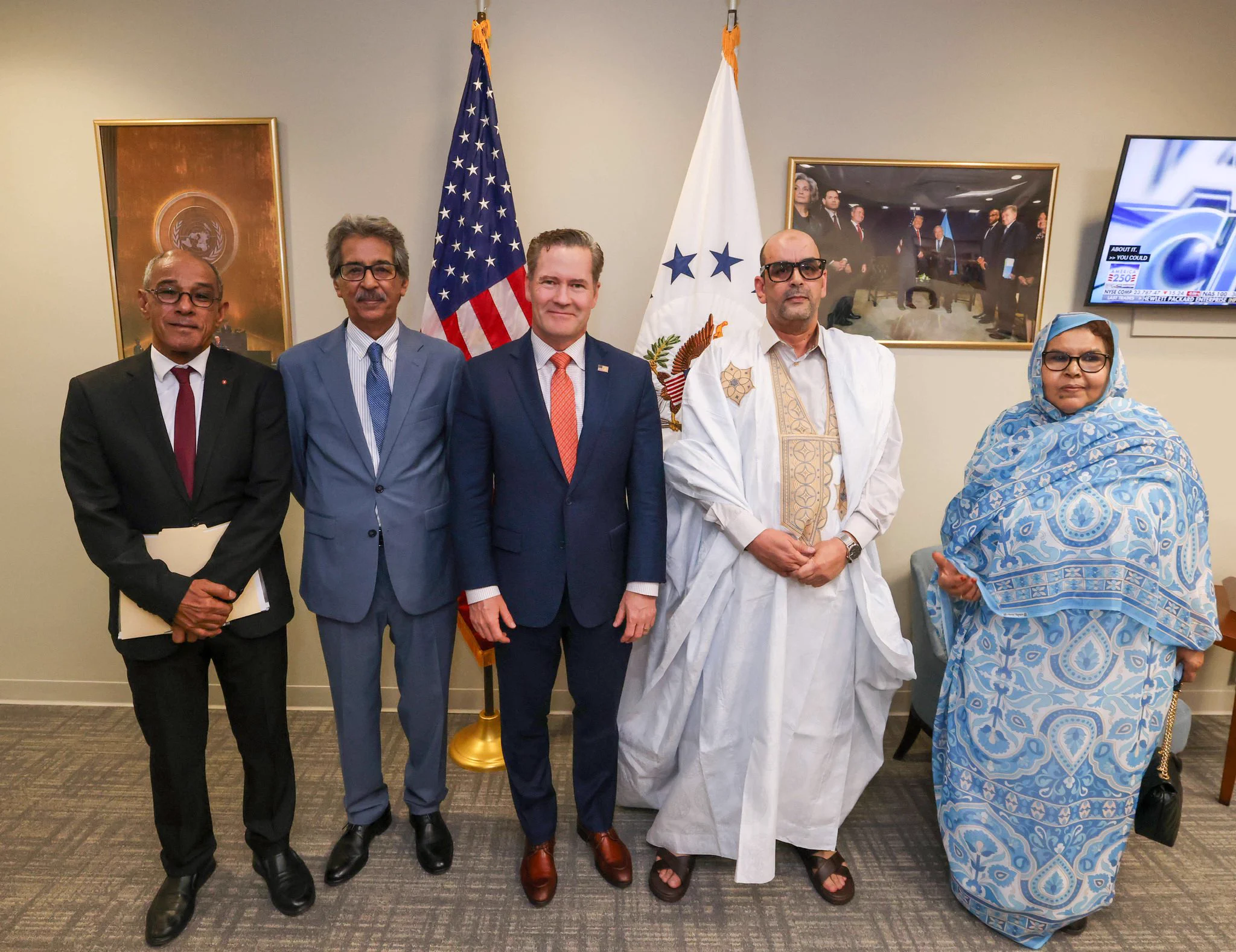
Following the vote, U.S. Ambassador to the UN Mike Waltz characterized the outcome as “unfortunate,” stating that the veto used to preserve the “letter R [in the Mission’s name] for referendum” had prevented the movement of a 50-year conflict. Conversely, Russia’s UN ambassador, Vassily Nebenzia, argued that Moscow opposed the American draft because it favored one side of the dispute, asserting that the Security Council cannot “automatically predetermine matters relating to sovereignty.”
Why It Matters: Security and Humanitarian Implications
The expiration of the mandate is not merely a bureaucratic shift; it represents the removal of a critical buffer in one of Africa’s most enduring territorial disputes. Since 1991, MINURSO has been tasked with monitoring a ceasefire and preparing for a referendum that would allow the Sahrawi people to decide their political future.
United Nations Secretary-General Antonio Guterres expressed deep concern regarding the security situation. In a statement released via his spokesperson, Stephane Dujarric, Guterres warned of the “risk of hostilities escalating” and urged all parties to exercise “maximum restraint” to avoid undermining regional stability.
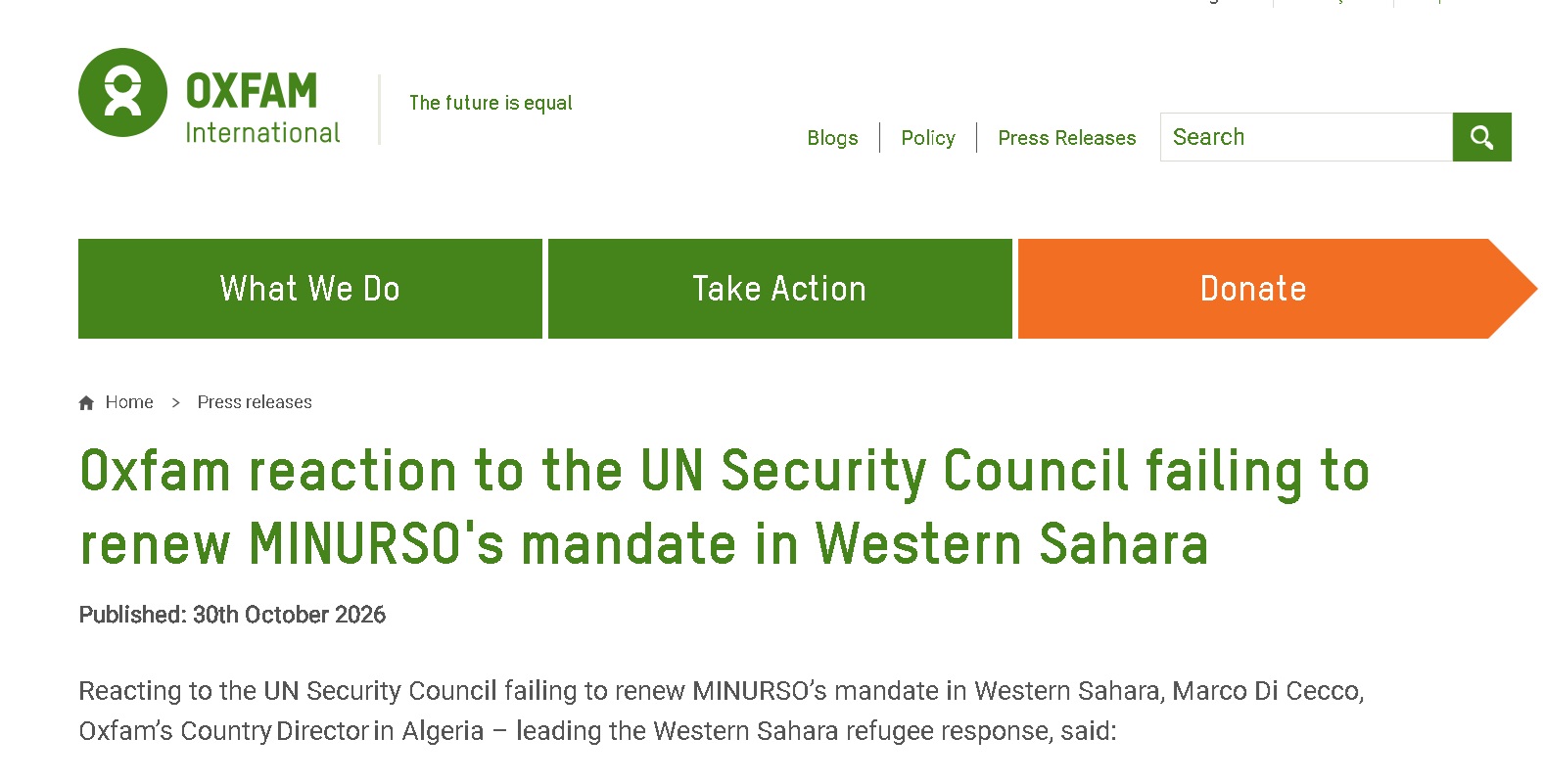
Beyond the immediate threat of military escalation, the MINURSO mandate expiration poses a direct threat to civilian populations. Oxfam, a leading international humanitarian organization, has issued a stark warning regarding the “grave humanitarian and security risks” resulting from the Council’s failure. Marco Di Cecco, Oxfam’s Country Director in Algeria, noted that the loss of MINURSO’s “monitoring and de-escalation functions” could have serious consequences for the prospects of a peaceful resolution and the safety of civilians on the ground.
The Humanitarian Crisis in the Tindouf Camps
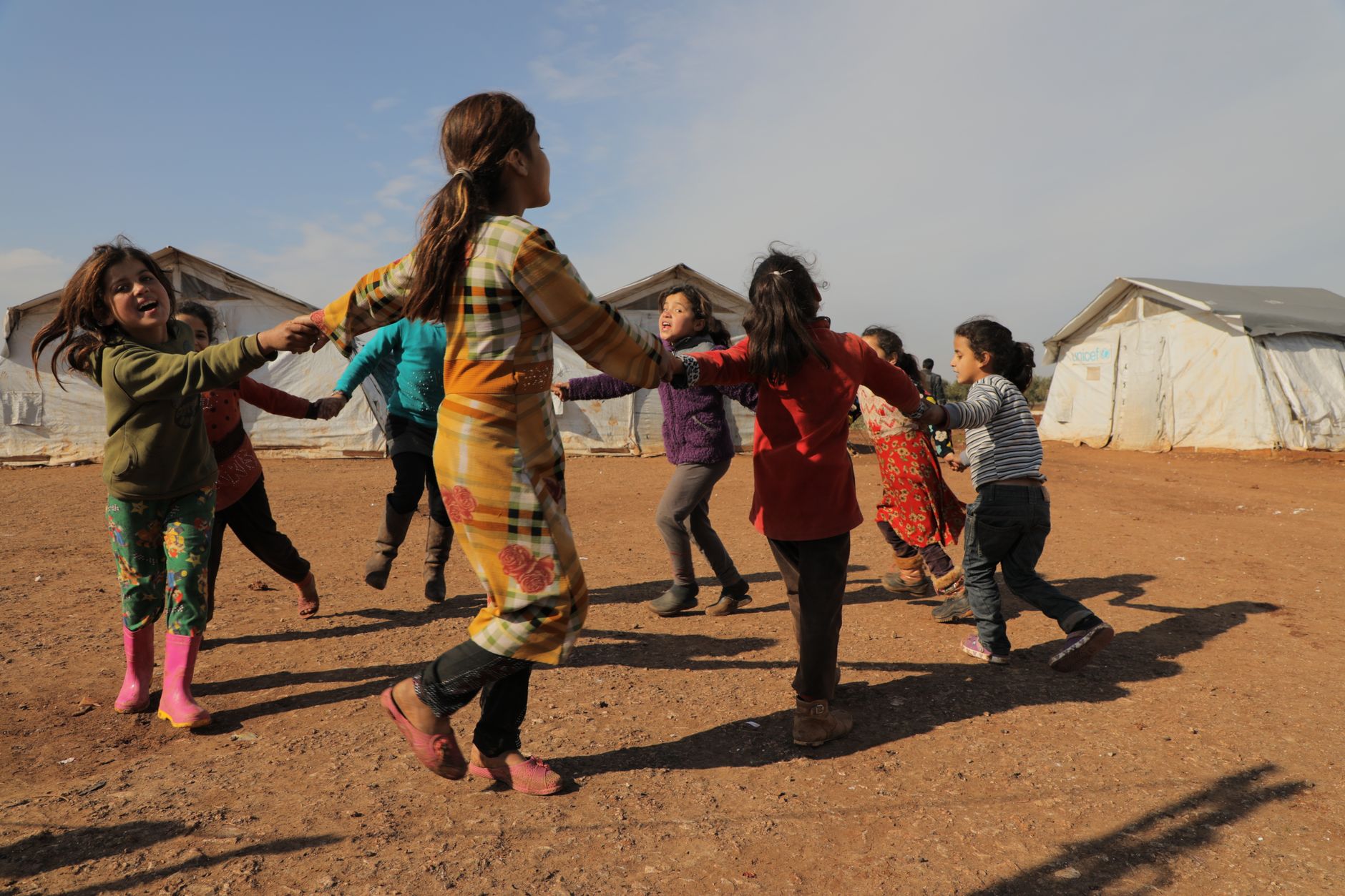
For five decades, generations of Sahrawi refugees have lived in displacement, primarily in camps near Tindouf, Algeria. These populations are heavily dependent on international assistance for water, food, and essential services. Oxfam has emphasized that the current political deadlock must not be allowed to diminish humanitarian aid.
Di Cecco warned that the international community must ensure that humanitarian assistance remains “at scale and provided based on need, without discrimination or political conditionality.” There is a growing fear that as the UN’s political presence wanes, the funding and logistical support required to sustain these camps may become increasingly volatile.
Deep-Dive: The Geopolitical Tug-of-War
The failure to renew the mandate is the result of deeply entrenched geopolitical interests that extend far beyond the borders of Western Sahara. The territory, roughly the size of Britain, has been a flashpoint between Morocco, which has claimed it since 1975, and the Polisario Front, an Algeria-backed movement seeking an independent Sahrawi Republic.
Stakeholder Perspectives and Positions
The following table outlines the divergent positions of the primary actors involved in the recent Security Council deadlock:
| Stakeholder | Primary Position | Key Argument or Reaction |
|---|---|---|
| United States | Favors Morocco’s autonomy plan | Believes the status quo is unacceptable and seeks a political solution via autonomy. |
| Russian Federation | Opposes unilateral U.S. drafts | Argues the Council should not predetermine sovereignty or favor one side. |
| Morocco | Claims sovereignty over territory | Views the non-renewal as a “significant development” in removing the issue from the UNSC. |
| Polisario Front | Seeks independence via referendum | Expressed concern at the “deadlock” and maintains its right to self-determination. |
| Algeria | Supports Polisario/Decolonization | Blamed “excessive bias” of the U.S. for the failure of the renewal. |
| Oxfam | Humanitarian advocacy | Warns that political inaction will deepen the humanitarian crisis for refugees. |
| MSP | Supports Morocco’s autonomy plan | Warns that the Polisario’s tactics could “sabotage” a peace opportunity. |
Academic Critique: The Risk of Unlawful Annexation
While the United States frames its approach as a way to move the conflict toward a “genuine autonomy” solution, academic critics argue the move is a violation of international law. Stephen Zunes, a professor at the University of San Francisco, has provided a critical analysis of the U.S. draft resolution.
Zunes contends that the resolution is designed to “institutionalize Morocco’s autonomy proposal,” which he argues effectively facilitates the “unlawful annexation” of Western Sahara. According to Zunes, the draft attempts to undermine the fundamental principle of self-determination by substituting the internationally recognized representative of the Sahrawi people—the Polisario Front—with a “broad spectrum of Sahrawi stakeholders.”
Zunes also warned that the proposed changes to funding structures, which emphasize “individual solutions” for refugees, could trigger a humanitarian crisis by attaching political conditions to essential services. He suggested that the draft could set a dangerous global precedent, allowing powerful nations to attempt to annex territories seized by force through the manipulation of UN mandates.
What It Means for Regional Stability
For residents, humanitarian workers, and regional governments, the MINURSO mandate expiration signals a shift from a managed, UN-monitored stalemate to an unmonitored and potentially volatile environment.
Counterpoints and Open Questions
While the humanitarian and legal risks are widely cited, there are competing views on whether the status quo was actually working. The Saharawi Movement for Peace (MSP), a group that split from the Polisario Front, argues that the Polisario’s strategy of “outdated armed separatism” has trapped the Sahrawi people in a fifty-year stalemate.
The MSP supports Morocco’s autonomy plan, claiming it is the only realistic path to peace. They have warned that the Polisario’s recent threat to suspend cooperation with UN Personal Envoy Staffan de Mistura could “sabotage” a unique diplomatic momentum driven by the United States.
This highlights several open questions that remain unanswered:
What Happens Next
As the UN begins the “liquidation phase” of the mission, several key developments will serve as signals for the future of the Western Sahara conflict:
Frequently Asked Questions
Why did the MINURSO mandate expire?
The mandate expired because the United Nations Security Council failed to reach a consensus on a renewal resolution. A deadlock occurred when the United States proposed a draft that prioritized Morocco’s autonomy plan, which the Russian Federation then vetoed. Russia’s subsequent attempt at a technical extension was also blocked by a U.S. vote, resulting in a “dual veto” that left the mission without a mandate.
What was the primary purpose of MINURSO?
Established in 1991, the Mission for the Referendum in Western Sahara (MINURSO) was tasked with two primary goals: monitoring the ceasefire between Morocco and the Polisario Front and organizing a referendum that would allow the Sahrawi people to choose between independence or integration with Morocco.
What is the “liquidation phase” mentioned by the UN?
The liquidation phase refers to the process of winding down the mission’s operations. This involves the withdrawal of personnel and the transportation of UN assets back to their respective troop-contributing countries. According to Secretary-General Guterres, this phase began following the mandate’s expiration.
How does the autonomy plan differ from a referendum?
A referendum is a direct vote by the population to decide on a specific political status, such as independence. Morocco’s autonomy plan proposes that the territory be granted a degree of self-governance under Moroccan sovereignty, rather than offering a choice of full independence through a vote.
Conclusion
The MINURSO mandate expiration marks the end of a 35-year chapter of UN peacekeeping in Western Sahara and the beginning of a much more uncertain era. As the diplomatic deadlock in New York leaves a vacuum in the desert, the Sahrawi people face the dual threats of increased military instability and a deepening humanitarian crisis
References
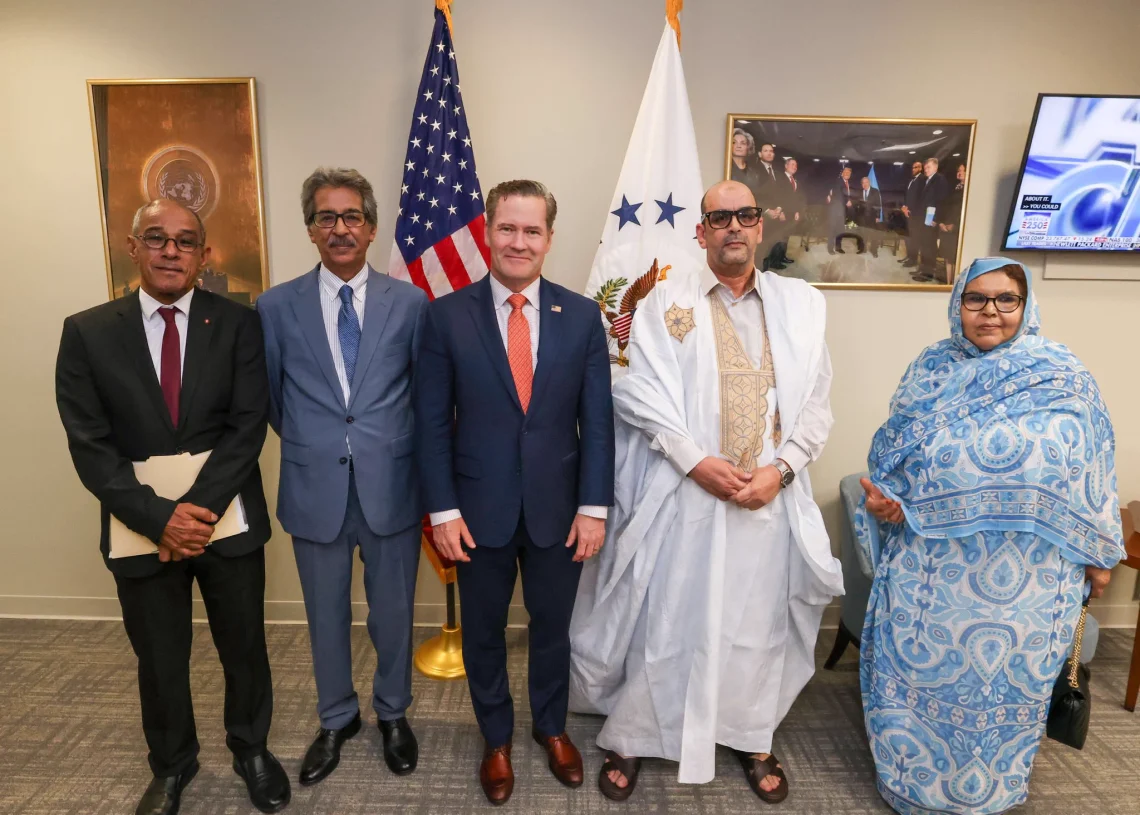
Featured image: Image via Sahara Press Service (SPS)