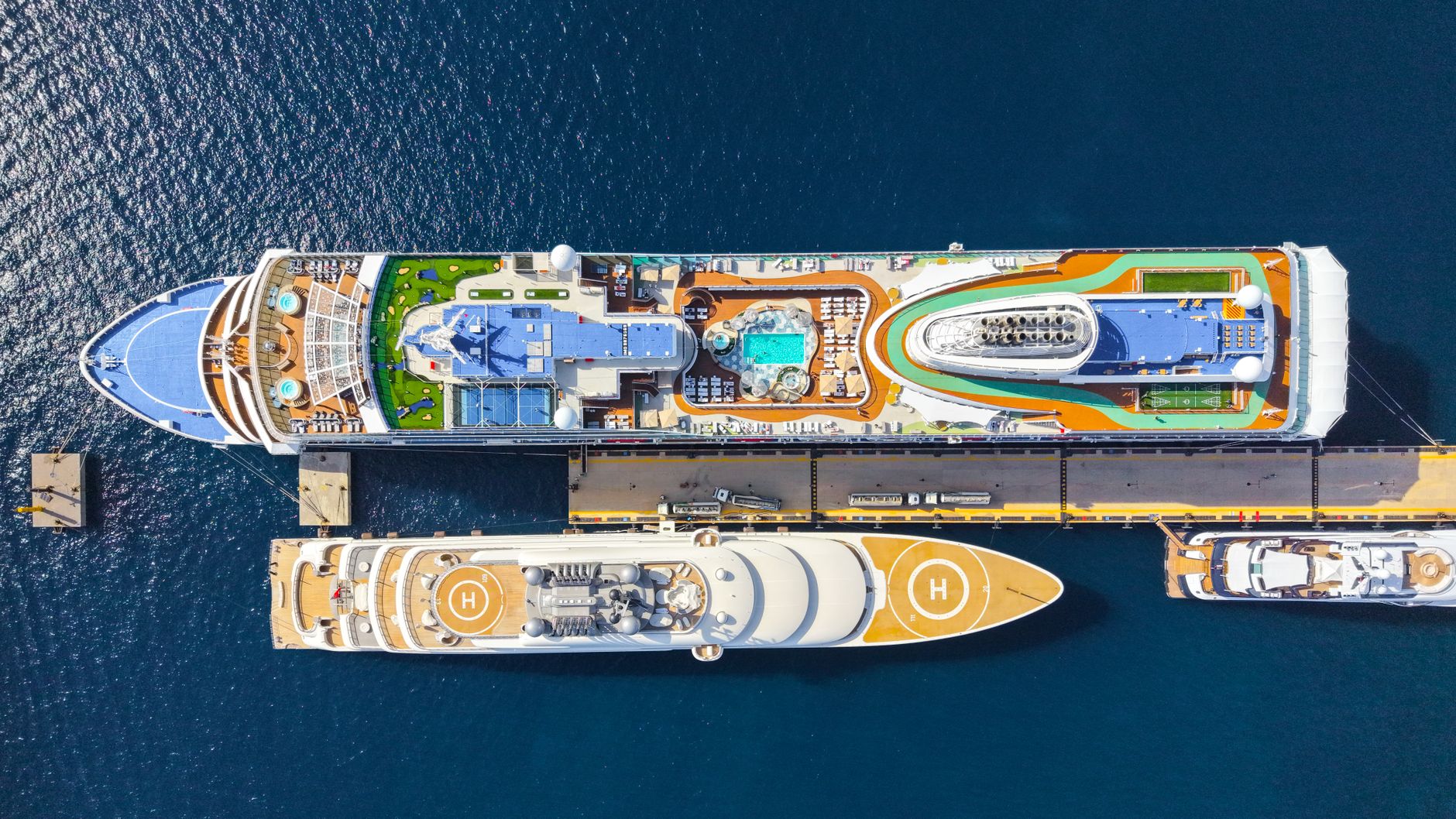
The villa Vie Odyssey cruise ship has officially come under the control of its lender, a move that leaves residents facing an uncertain future as the vessel remains docked in Cambodia. According to a message sent to residents and obtained by CBS News on November 1, 2026, the lender has assumed responsibility for the ship’s operational costs, including crew wages, fuel, and the general safekeeping of the vessel.
Key Takeaways
- Lender Control: The lender has officially taken possession of the MV Odyssey, assuming control over its immediate operations and costs.
- Relocation and Auction: The ship is expected to be moved from its current location in Cambodia to Singapore, where an auction could potentially take place.
- Resident Displacement: Passengers were required to remove all personal belongings from the ship over a single weekend before access was restricted.
- company Outlook: Mike Petterson, founder and executive chairman of Villa Vie, expressed optimism that a 30- to 90-day restructuring process could allow the company to find an operational partner.
- Financial Distress: Internal communications suggest the company had been facing financial difficulties for at least three months prior to arriving in Cambodia.
- Significant Investment at Risk: Residents, who act as shareholders in the company, have invested hundreds of thousands of dollars into the residential cruise model.
- If you are a resident or investor: Expect continued volatility. The next 90 days are critical. If a restructuring plan is not approved by the lender, the ship may be auctioned in Singapore, which could lead to a total loss of resident investments.
- If you are a prospective residential cruiser: This serves as a cautionary tale regarding the risks of niche, resident-funded business models. The lack of external institutional stakeholders means there is no safety net if the resident pool cannot meet capital calls.
- If you are in the maritime or cruise industry: Watch the legal proceedings in Singapore and the potential use of DIP financing in a residential context. This case could set a precedent for how lenders and resident-shareholders interact during a maritime insolvency.
- The Viability of the Partner Search: Can Villa Vie actually find an “operational partner” with enough capital to stabilize a vessel that is already in significant debt?
- The Auction Risk: If the ship is moved to Singapore for auction, what legal protections do the residents have to reclaim their cabins or their invested capital?
- The Bankruptcy Cost: A Chapter 11 filing is estimated to cost $3 million just for the first 60 days. Does the company have the liquidity to even enter this process?
- The Transparency Gap: While internal documents show distress dating back months, many residents claim they were only alerted to the severity of the situation very recently.
- The Relocation: The vessel must be moved from Cambodia to Singapore. The logistics and costs of this transit will be a significant hurdle.
- The 30-to-90-Day Window: This is the timeframe Petterson has identified for completing a restructure. During this time, the company must present a “viable plan” to the lender.
- Negotiations with Lenders: The company remains in negotiations, but the lender currently holds the operational reins. The success of these talks will determine if the ship stays with Villa Vie or goes to auction.
- The Decision on Chapter 11: If restructuring fails, the company may be forced into a formal bankruptcy process, which would trigger the $3 million-per-two-month cost structure.
- www.cbsnews.com
What Happened: The Takeover of the MV Odyssey
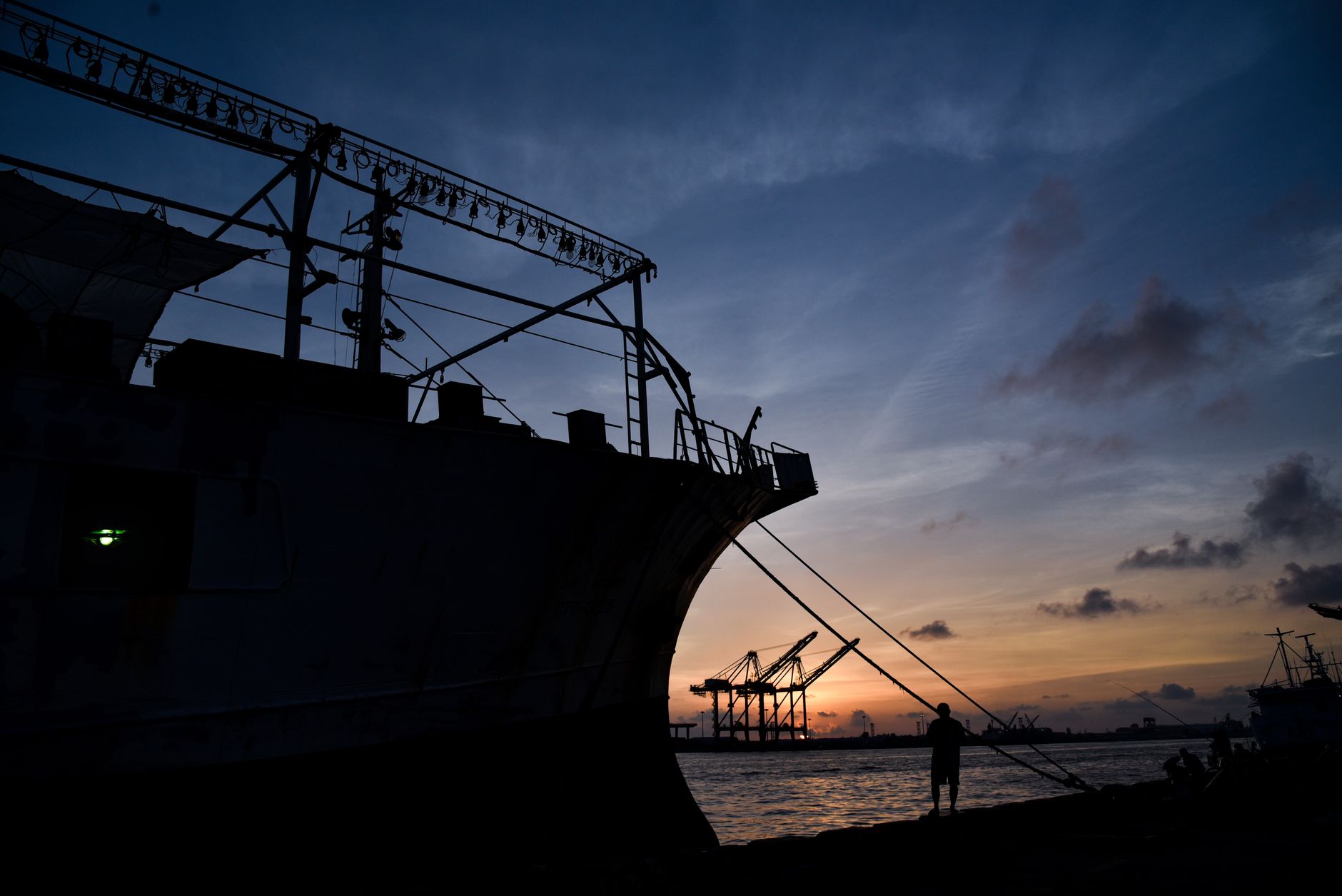
On November 1, 2026, residents of the Villa Vie Odyssey were informed that their floating home had been seized by its lender. The announcement comes after a period of mounting financial instability for Residential Cruise Holdings, the parent company of Villa Vie. The ship is currently docked at the Sihanoukville port in Preah Sihanouk province, Cambodia.
As part of the lender’s takeover, residents were given only a single weekend to vacate the ship and remove their personal belongings. This sudden transition was necessitated by the lender assuming direct responsibility for the vessel’s essential running costs. According to Mike Petterson, the company’s founder and executive chairman, the lender is now tasked with paying for the crew, fuel, and the ongoing maintenance required to keep the ship in a state of safekeeping.
While the takeover is a significant blow to the company’s autonomy, leadership is attempting to frame the situation as a manageable transition. Petterson told CBS News that the company is entering a restructuring phase that is expected to last between 30 and 90 days. He compared the situation to a car repossession, suggesting that it is possible to reclaim the asset if a viable plan is presented to the lender.
“They would be willing to work with a funded plan — they’re not out of negotiations,” Petterson stated, emphasizing that the company is actively exploring options to keep the ship operational.
Why It Matters: A Crisis in Residential Cruising
The situation surrounding the Villa Vie Odyssey is more than just a localized maritime dispute; it represents a critical moment for the emerging niche of residential cruising. Unlike traditional cruise lines where passengers book short-term vacations, Villa Vie operates on a model where residents purchase long-term accommodations, effectively becoming shareholders in the company.
This model creates a unique and highly concentrated financial risk. When the company faces a liquidity crisis, the impact is felt not just by investors, but by the very people who live on the vessel. The financial stakes are immense. For example, Joel Greiff, a resident from Naples, Florida, reported spending $350,000 on a cabin aboard the ship. After paying an initial deposit in August 2025 and the remaining balance in May 2026, Greiff spent only 26 days on board before the crisis unfolded.
Financial Breakdown of the Odyssey Crisis
| Financial Factor | Reported Amount / Detail | Source |
|---|---|---|
| Individual Cabin Investment | $350,000 (Example) | Joel Greiff via CBS News |
| Estimated Chapter 11 Cost | $3,000,000 (First 60 days) | Message to residents |
| Resident Buyout Attempt | 169 residents pledged funds | CBS News sources |
| Restructuring Timeline | 30 to 90 days | Mike Petterson |
Deep Dive: Financial Distress and Internal Struggles
Internal documents reviewed by CBS News reveal that the financial instability of the Villa Vie Odyssey was not a sudden development. The company had been experiencing signs of distress for at least three months prior to its arrival in Cambodia. This period of instability was marked by an increasing urgency to secure more capital from its resident-shareholders.
In an internal PowerPoint presentation from early August 2026, company leadership expressed a need to distinguish between residents who were “unable to contribute” further and those who were “unwilling to contribute.” This distinction suggests that the company’s cash flow was heavily dependent on additional infusions from its own residents to maintain operations.
One significant attempt to resolve the crisis from within the community also met with failure. A group of residents attempted to organize a buyout of the ship to secure its future. According to sources familiar with the matter, this effort had garnered pledges from 169 residents who were willing to provide additional funding to take control of the project. However, the effort collapsed after a lender denied the group the necessary funding.
The Resident-Shareholder Model
Petterson has defended the company’s practice of asking residents for funds, noting that because Villa Vie is entirely capitalized by its residents, they are, by definition, the shareholders. In this model, when the company faces a financial shortfall, the residents are called upon to provide the necessary capital to sustain the enterprise.
“Villa Vie was entirely capitalized by the residents themselves. There is no stakeholder outside of the residents,” Petterson explained. While this creates a sense of community ownership, it also places the entire burden of business risk on the individuals living on the ship.
Stakeholders and Conflicting Perspectives
The unfolding crisis has created a sharp divide between the company’s leadership and the residents who have invested their life savings into the project.
Company Leadership: The Optimists
Mike Petterson and the executive team maintain that the ship’s value remains intact. They argue that the debt and legal complexities do not erase the underlying value of the vessel or the community. Their strategy involves pursuing DIP (Debtor-in-Possession) financing and continuing to collect resident maintenance fees to support operations during a potential Chapter 11 bankruptcy process.
The Residents: The Skeptics
For many residents, the company’s optimistic tone feels like “false hope.” Having lost access to their homes and facing the potential loss of their entire investments, many feel the company has demonstrated a fundamental inability to manage a commercial enterprise.
Joel Greiff, who has since relocated to a $200-a-month rental in Kompat, Cambodia, expressed a blunt assessment of the management: “I do not feel ill will, I just feel that they don’t know how to run a business whatsoever.”
What It Means for You
The outcome of the Villa Vie Odyssey situation will have implications for several different groups:
Counterpoints and Open Questions
While the company is pursuing a restructuring path, several significant risks and unanswered questions remain:
What Happens Next
The immediate future of the Villa Vie Odyssey will be determined by several key milestones:
Frequently Asked Questions
Where is the Villa Vie Odyssey currently located?
The ship is currently docked in Sihanoukville, located in the Preah Sihanouk province of Cambodia. It is expected to be moved to Singapore in the near future.
Can residents get their money back?
It is currently unclear. While the company is attempting a restructuring to save the ship and the community, the lender has taken control. If the ship is auctioned off to satisfy debts, residents may face significant financial losses. Some residents, like Joel Greiff, have already begun to assume their investments may be lost.
What is the lender’s role in the ship’s operations?
The lender has taken over the responsibility for the ship’s operational costs. This includes paying the crew, covering fuel expenses, and ensuring the vessel is kept in a safe condition. The lender essentially holds the keys to the ship’s continued movement and maintenance.
Why was the company asking residents for more money?
Villa Vie uses a resident-shareholder model where the residents provide the capital. Internal communications suggest the company was facing a liquidity crisis and needed additional funds from residents to maintain operations and address financial distress that had been building for months.
Closing
The struggle for the future of the Villa Vie Odyssey remains a high-stakes battle between a company attempting to restructure its way out of insolvency and a lender seeking to protect its assets