
The WNBA Finals scheduling conflict in Atlanta has reached a critical point following the league’s decision to move Game 6 to a 12:30 p.m. ET midday slot on Thursday, October 30, 2026.
Key Takeaways
- Scheduling Clash: A pre-existing NBA matchup between the Atlanta Hawks and the Cleveland Cavaliers at state Farm arena forced the WNBA to alter the championship timeline.
- dream Dissatisfaction: The atlanta dream organization expressed significant frustration, stating the midday game was not the outcome they fought for.
- Venue Disparity: The Dream are forced to choose between their small home arena (3,500 capacity) and a shared NBA arena (17,600 capacity) that is often unavailable.
- Series Status: The Golden State Valkyries hold a 3-2 series lead following a 67-62 victory in Game 5.
- Proposed Solutions: A shift to Friday and Tuesday dates was discussed to allow for player rest, but requires mutual consent from both finalists.
- Will the WNBA prioritize NBA scheduling in future postseason planning?
- Is there a long-term plan for the Atlanta Dream to secure a dedicated, mid-sized arena?
- How will the league mitigate the ‘prestige gap’ when teams play in vastly different venue sizes?
- sports.yahoo.com
- bleacherreport.com
The Midday Decision: What Happened
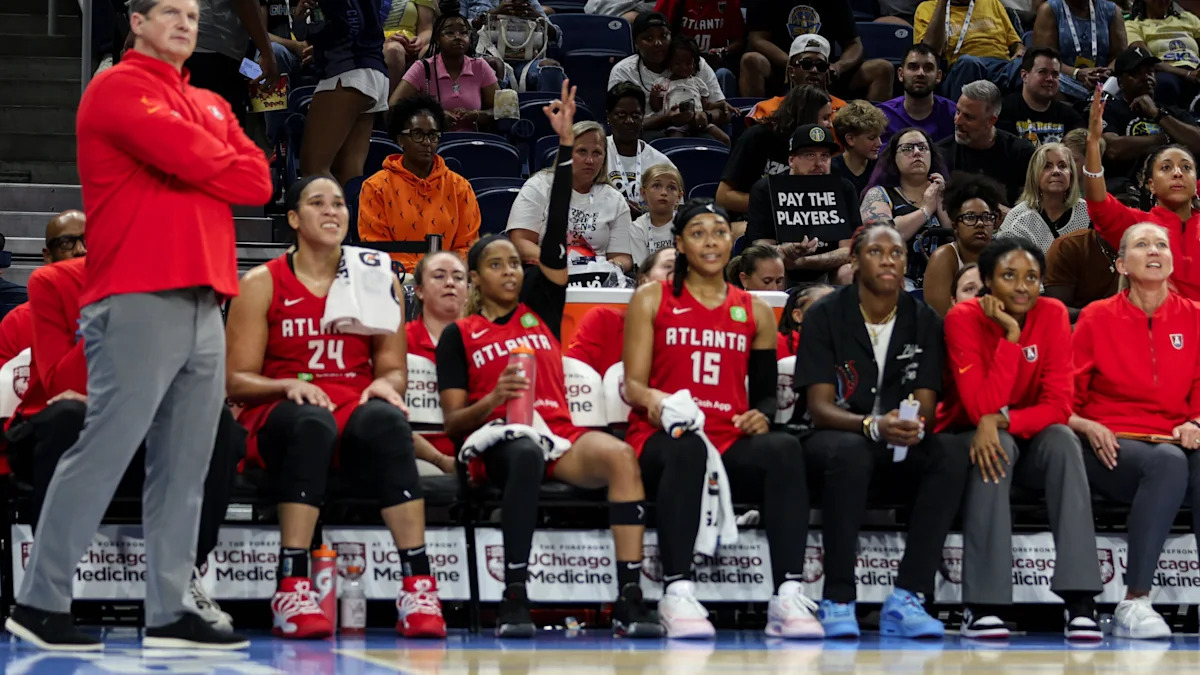
In a move that has drawn sharp criticism from media and team officials alike, the WNBA has opted to hold Game 6 of the championship series against the Golden State Valkyries at 12:30 p.m. ET this Thursday. This decision was necessitated by a direct scheduling overlap at State Farm Arena, where the Atlanta Hawks are slated to host the Cleveland Cavaliers on the same day.
According to reports from Yahoo Sports, the league and the NBA spent considerable time evaluating various scenarios to avoid a venue clash. One potential solution involved moving Game 6 to Friday, October 30, and pushing a potential Game 7 to Tuesday, November 3. However, as Alexa Philippou of ESPN noted on X, such a move would require the explicit agreement of both the Atlanta Dream and the Golden State Valkyries. Because a consensus was not reached, the league proceeded with the matinee game on Thursday.
This is not the first time the postseason has been disrupted by NBA scheduling. During this series, Game 3 had to be moved up by a day, and Game 4 was conducted as a doubleheader involving the Hawks to maximize the use of the larger facility. The decision to move the title-deciding Game 6 to the early afternoon has left many wondering how the league’s premier event can maintain its momentum under such logistical constraints.
Why the WNBA Finals Scheduling Conflict Matters
The implications of this scheduling decision extend far beyond a simple change in tip-off time. For a league experiencing unprecedented growth, the ability to host championship games in prime-time slots in high-capacity venues is a hallmark of professional legitimacy. The current situation highlights a fundamental tension between the WNBA’s rapid ascent and its existing infrastructure.
The Venue Capacity Dilemma
The Atlanta Dream face a unique challenge regarding their home-court advantage. During the regular season, the team plays at the Gateway Center Arena, which has a capacity of approximately 3,500 fans. While this venue is sufficient for regular-season play, it is insufficient for the massive demand generated by the WNBA Finals.
To accommodate larger crowds, the Dream have moved their postseason games to State Farm Arena, the home of the Atlanta Hawks. While this increases capacity to over 17,600, it makes the Dream beholden to the NBA’s schedule. This reliance creates a bottleneck where the WNBA’s most important games are secondary to the scheduling needs of the NBA.
| Feature | Gateway Center Arena | State Farm Arena |
|---|---|---|
| Primary Use | Atlanta Dream Regular Season | Atlanta Hawks Home Arena |
| Approximate Capacity | 3,500 | 17,600+ |
| Postseason Suitability | Limited (Low Capacity) | High (High Capacity) |
| Scheduling Control | High (Dream Controlled) | Low (Shared with NBA) |
Competitive Imbalance and Prestige
There is also the concern of competitive fairness. Joe Lacob, Governor of the Golden State Valkyries, previously expressed concerns regarding the disparity in atmosphere between the two teams’ home environments. He noted that it would not present a good image to have the Valkyries playing in the massive “Ballhalla” (the Chase Center in San Francisco) while the Dream are relegated to a much smaller setting.
If the series reaches a Game 7 and the Dream are unable to secure State Farm Arena, they may be forced to return to the 3,500-seat Gateway Center Arena. This would create a massive disparity in revenue potential, fan engagement, and the overall “feel” of a championship series, potentially impacting the perceived prestige of the WNBA title.
Stakeholder Reactions: Frustration and Criticism
The fallout from the scheduling decision has been swift, with stakeholders expressing a range of emotions from professional disappointment to outright anger.
The Atlanta Dream Organization
In an official statement released on Tuesday, the Dream organization made it clear they were not satisfied with the outcome. The team noted that they had “raised concerns” with the WNBA months ago regarding potential scheduling conflicts at State Farm Arena. The organization emphasized that a midday game “is not what we would have chosen and not what we fought for.”
Media and Broadcasters
Media members have been particularly vocal about the perceived lack of organization. Emily Austin, a WNBA broadcaster, took to X to describe the situation as “beyond embarrassing” and characterized the league’s management as “absolute incompetence.” The sentiment among many observers is that a league striving for major-league status should have more robust contingency plans for its championship series.
Team Ownership
Larry Gottesdiener, the majority owner of the Atlanta Dream, took a more diplomatic approach in his communications. He expressed gratitude to the various stakeholders who worked to resolve the conflicts, stating, “This is what the players and the fans deserve.” His comments suggest an effort to maintain professional relations despite the evident logistical hurdles.

The Economic Context: Valuation and Infrastructure
To understand why the Dream are in this position, one must look at the financial landscape of the league. According to NBC Sports, the Atlanta Dream were recently ranked 14th out of 15 WNBA teams in terms of valuation, estimated at $330 million.
While this represents significant value, it is on the lower end of the league’s spectrum. Analysts suggest that this relatively lower valuation may impact the organization’s ability to invest in or advocate for a permanent, larger-scale home stadium that is not shared with an NBA franchise. This creates a cycle where the team’s growth is capped by its physical infrastructure, which in turn complicates its ability to maximize postseason revenue.
What It Means for Fans and Players
For the Fans
If you are a fan planning to attend the games in Atlanta, the schedule shift creates several practical challenges. Midday games on weekdays are significantly harder to attend for working professionals, which may impact live gate attendance. Furthermore, the uncertainty regarding whether future games will be held at State Farm Arena or Gateway Center Arena makes travel and ticket planning difficult for out-of-town supporters.
For the Players
For the athletes, the primary concern is rest and rhythm. The proposed schedule shift—moving games to Friday and Tuesday—was intended to provide three full days of rest between games. By sticking to the Thursday matinee, the league has opted for a compressed schedule that may affect player performance and recovery, particularly in a high-stakes championship environment.
Counterpoints and Open Questions
While the criticism of the WNBA is intense, there are counterpoints to consider. The league is operating within a complex web of shared arena contracts and existing broadcast agreements. Changing a game date at the last minute can trigger significant financial penalties from broadcasters and disrupt the established rhythm of a multi-million dollar media contract.
However, several open questions remain:
Frequently Asked Questions
Why is the Game 6 time being changed in Atlanta?
The time was changed to 12:30 p.m. ET because the Atlanta Dream’s preferred venue, State Farm Arena, is already booked for an NBA game between the Atlanta Hawks and the Cleveland Cavaliers on that Thursday. This conflict made it impossible to host a standard evening game at the larger arena.
Where does the Atlanta Dream play their home games?
During the regular season, the Dream play at the Gateway Center Arena, which has a capacity of about 3,500. However, for the playoffs and the WNBA Finals, they move to State Farm Arena to accommodate larger crowds, as it has a capacity of over 17,600.
Can the WNBA schedule be changed to later in the week?
There was a proposal to move Game 6 to Friday, October 30, and Game 7 to Tuesday, November 3. While the WNBA expressed support for this, the change was contingent upon both the Atlanta Dream and the Golden State Valkyries agreeing to the new dates. Since an agreement was not reached, the current schedule stands.
What is the current status of the WNBA Finals?
The Golden State Valkyries currently lead the series 3-2. They secured their lead following a 67-62 victory in Game 5. The series could potentially go to a deciding Game 7.
What Happens Next
All eyes will be on State Farm Arena this Thursday as the WNBA attempts to navigate this logistical hurdle. The outcome of Game 6 will not only determine if the Golden State Valkyries clinch the championship but will also serve as a litmus test for how the league manages the growing pains of its expanding popularity.
Following Thursday’s game, the league will likely face increased pressure to address arena-sharing agreements and scheduling protocols to ensure that future championship series are not overshadowed by logistical complications. Whether the series ends on Thursday or moves to a potential Game 7, the conversation regarding the WNBA’s professional infrastructure is only just beginning.
References
Featured image: Photo by Reinis Brūzītis on Pexels