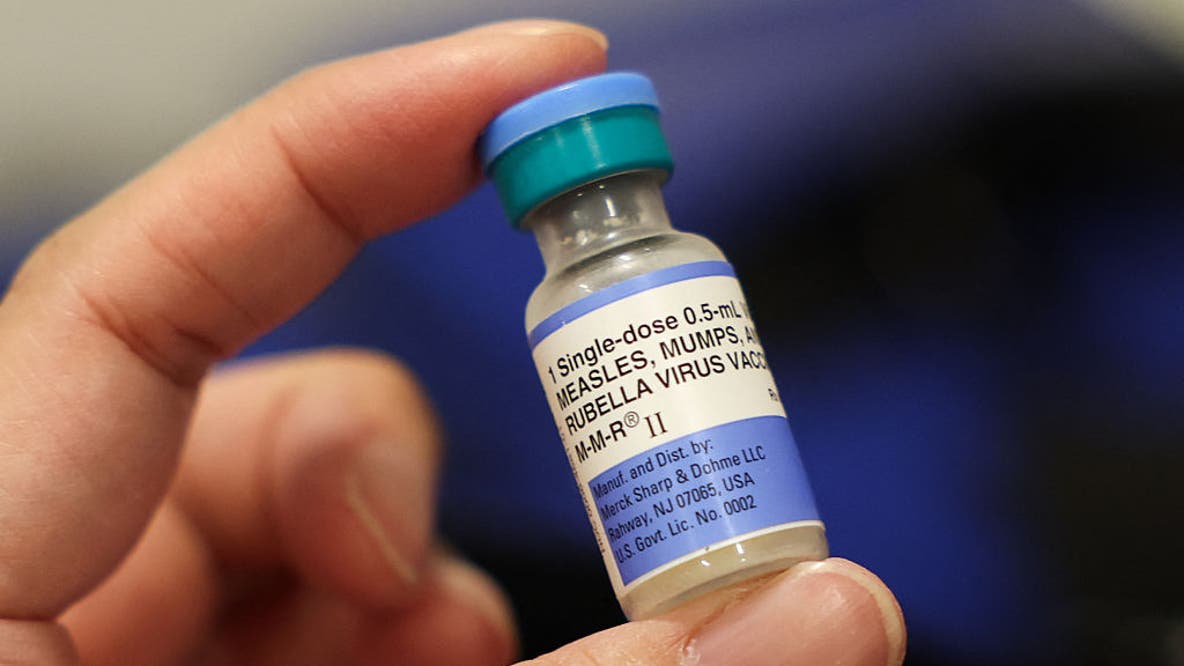
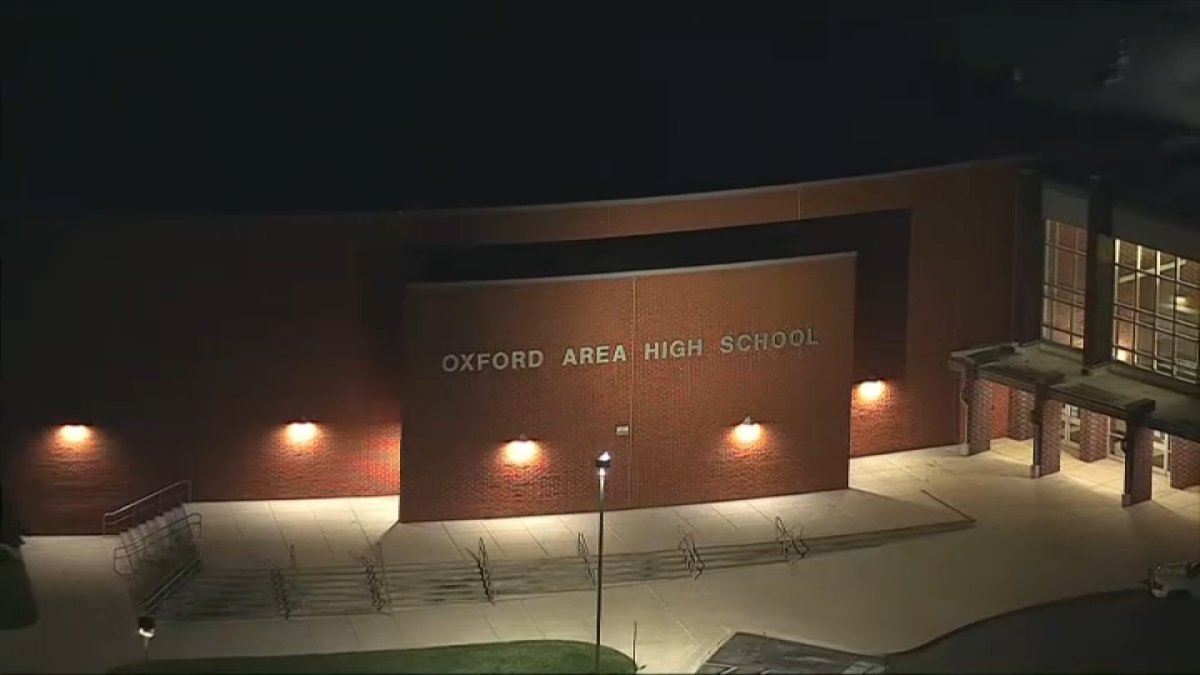
The Oxford Area High school in Chester county, Pennsylvania, has announced a mandatory closure for Friday, October 9, 2026, following a confirmed case of Oxford Area High School measles within the school community. This proactive measure, aimed at mitigating further transmission, comes as Pennsylvania grapples with its largest measles outbreak: Why the Crisis is Escalating”>measles outbreak: Why the Surge Matters”>measles outbreak in decades, characterized by rising case numbers and recent fatalities across the state.
Key Takeaways
- Mandatory Closure: Oxford Area High School will be closed to all students and staff on Friday, October 9, 2026, to facilitate immunity audits and facility sanitization.
- Strict Quarantine Protocols: Any individual who is unvaccinated or cannot provide documented proof of immunity must undergo a mandatory 21-day quarantine from all school-related activities.
- Statewide Crisis: Pennsylvania has surpassed 1,000 reported measles cases, with the outbreak affecting 39 counties and resulting in five confirmed deaths.
- Regional Hotspot: Chester County remains a primary area of concern, with reported cases concentrated heavily within the Philadelphia region.
- Public Health Response: The Chester County Health Department (CCHD) is leading contact tracing efforts and mandating staff immunity verification to prevent a larger community spread.
- Initial Symptoms: The first signs usually involve a high fever (reaching as high as 104 degrees Fahrenheit), a cough, a runny nose, and red, watery eyes (conjunctivitis).
- Koplik Spots: Approximately two to three days after the initial symptoms appear, patients may develop Koplik spots. These are tiny, white spots that appear inside the mouth on the inner lining of the cheek.
- The Measles Rash: Three to five days after the onset of symptoms, a characteristic rash begins to emerge. This rash typically starts at the hairline on the face and then spreads downward to the neck, chest, stomach, arms, legs, and eventually the feet.
- Fever Spikes: The CDC notes that when the rash appears, the patient’s fever may spike even higher than the initial 104 degrees Fahrenheit.
- First Dose: Administered between 12 and 15 months of age.
- Second Dose: Administered between 4 and 6 years of age.
- Completion of the Immunity Audit: The results of the CCHD-mandated staff audit will determine if any additional staff members must be placed under quarantine.
- Contact Tracing Results: The CCHD will continue its efforts to identify and notify individuals who may have been exposed to the confirmed case at the high school.
- Monitoring the Measles Dashboard: The Pennsylvania Department of Health will continue to update its real-time data. A continued rise in cases in Chester or Lancaster counties may trigger further school-wide or district-wide interventions.
- Sanitization Effectiveness: Following the enhanced cleaning on October 9, officials will monitor for any secondary reports of illness within the school community.
- www.fox29.com
- www.nbcphiladelphia.com
- 6abc.com
What Happened
On the evening of Thursday, October 8, 2026, the Oxford Area School District notified families that the high school campus would be closed to all students and staff on Friday, October 9. The decision was triggered by a confirmed case of measles linked to the school. While school closures are often associated with deep cleaning, the district and the Chester County Health Department (CCHD) have specified that this closure serves a critical administrative and regulatory purpose.
According to a statement from the district, the one-day closure is required to comply with a mandate from the CCHD. School officials must use this time to conduct a comprehensive audit of measles immunity documentation for every staff member working within the high school building. This ensures that the workforce is sufficiently protected and does not contribute to the spread of the virus within the educational environment.
In addition to the administrative audit, maintenance crews have been deployed to implement “enhanced cleaning and sanitization protocols” throughout the facility. These measures are designed to address potential environmental hazards, as measles is a highly contagious virus that can persist in the air or on surfaces.
Superintendent David A. Woods addressed the community in an official letter, acknowledging the distress the news might cause. “We understand that news like this may be concerning for families,” Woods wrote. “The health and well-being of our students, staff and community are incredibly important to us, and we recognize that receiving this information can raise questions, concerns and uncertainty.”
Why It Matters
The closure of Oxford Area High School is not an isolated incident but a symptom of a much larger and more dangerous public health crisis unfolding across Pennsylvania. The state is currently witnessing a significant escalation in measles transmission, which has reached a critical stage.
As of early October 2026, the Pennsylvania Department of Health has confirmed that the state has surpassed 1,000 measles cases. This surge is part of a widespread outbreak spanning 39 counties. The severity of this outbreak is underscored by the fact that the state has already recorded five confirmed measles-related deaths, including a recent fatality in Lancaster County.
The significance of the Oxford closure lies in the potential for schools to act as super-spreader environments. Because measles is highly contagious, a single case in a densely populated high school can rapidly lead to an exponential increase in local infections if immunity gaps are not immediately addressed. By enforcing strict vaccination audits and quarantine periods, health officials are attempting to build a “firewall” around the school community.
The Scale of the Pennsylvania Measles Outbreak
To understand the gravity of the situation in Chester County, it is necessary to examine the broader epidemiological landscape of the state. The outbreak is not evenly distributed, with certain counties bearing a disproportionate burden of the total case count.
As of October 5, 2026, data from the Philadelphia region indicated that 95 total cases had been recorded, with the vast majority concentrated in Chester County. The following table provides a breakdown of the reported cases in the surrounding region:
| Location | Number of Reported Cases |
|---|---|
| Chester County | 84 |
| Berks County | 6 |
| Montgomery County | 3 |
| Lehigh County | 1 |
| Bucks County | 0 |
| Delaware County | 0 |
| Northampton County | 0 |
| Philadelphia | 0 |
Note: While regional data shows 84 cases in Chester County as of Oct. 5, other reports from the district and state have suggested the county-specific count may be as high as 86, contributing to the statewide total of over 1,000 cases.
Deep Dive: The Science of Measles and Prevention
Understanding the biological nature of the measles virus is essential for comprehending why public health officials are responding with such rigor. Measles is caused by a highly infectious virus that spreads primarily through respiratory droplets in the air or through direct contact with infected secretions.
Symptoms and Progression
According to the Centers for Disease Control and Prevention (CDC), the onset of measles is often mistaken for other common illnesses, which can delay isolation. The typical progression of the disease includes:
The Role of Vaccination
The primary defense against this virus is the Measles, Mumps, and Rubella (MMR) vaccine. Public health officials emphasize that vaccination is the most effective way to prevent both individual infection and community-wide outbreaks. The CDC recommends a two-dose regimen for maximum protection:
Regarding efficacy, a single dose of the MMR vaccine is approximately 93% effective at preventing measles infection. However, receiving the full two-dose series increases that protection to approximately 97%. In a school setting, these percentages are vital; even with high vaccination rates, the remaining 3% of the population remains susceptible, which can lead to outbreaks in unvaccinated clusters.
Stakeholders and Reactions
The response to the Oxford Area High School measles case involves a complex interplay between school administrators, local health departments, and state-level political figures.
School Administration
Superintendent David A. Woods has maintained a stance of transparency and empathy. His communications focus on the dual necessity of maintaining safety and managing the anxiety of the student body and their parents. By emphasizing the partnership with the Chester County Health Department (CCHD), the district aims to project a sense of controlled, expert-led management of the crisis.
Public Health Authorities
Both the CCHD and the Pennsylvania Department of Health are operating in an active regulatory capacity. The CCHD is not merely advising; they are mandating specific actions, such as the staff immunity audit. This reflects a shift from general guidance to direct intervention as the outbreak reaches critical levels.
The Political Landscape
It is worth noting that the measles outbreak has become a point of contention in Pennsylvania’s political sphere. Reports indicate a public clash between Governor Josh Shapiro and figures such as RFK Jr. regarding the management of the rising case numbers and the approach to public health mandates. While the specific details of these debates are ongoing, the tension highlights the social and political complexities surrounding vaccine-related public health responses.

What It Means for You
The implications of this outbreak vary depending on your role within the community. If you are a resident of Chester County or a member of the Oxford Area School District, you should prepare for the following:
For Students and Staff
If you are a student or an employee at Oxford Area High School, your ability to participate in school life is now strictly tied to your vaccination status. According to the district’s official statement: “If you are not vaccinated for measles or can’t prove vaccination, you CAN NOT attend school or school functions and must be quarantined 21 days from school and all school functions.”
This means that even if you feel healthy, the absence of documented proof of immunity will result in a significant disruption to your education or employment for three weeks.
For Parents and Guardians
parents should immediately review the immunization records of their children. If there is any ambiguity regarding the two-dose MMR requirement, contact your pediatrician immediately. Furthermore, parents must be vigilant about symptoms. If a child develops a high fever, cough, or rash, they should be isolated and medical professionals consulted immediately to prevent further exposure to the school community.
For the Broader Community
Residents should be aware that the measles virus is airborne and can remain in the air for up to two hours after an infected person has left a room. Increased vigilance in public spaces—such as schools, community centers, and local businesses—is recommended, especially as the outbreak continues to spread through 39 Pennsylvania counties.
Counterpoints and Open Questions
While the school district’s response is decisive, several aspects of the current situation remain subjects of debate or uncertainty.
Statistical Discrepancies: There has been notable inconsistency in the reporting of total case numbers. On Tuesday, reports indicated that Pennsylvania had surpassed 1,000 cases, yet by Wednesday, the Pennsylvania Department of Health reported 943 confirmed cases. This discrepancy raises questions about the real-time accuracy of the state’s measles dashboard and how quickly data is being synthesized from local counties.
The Severity of Quarantine: The 21-day mandatory quarantine for unvaccinated individuals is a severe measure. While health officials argue it is necessary to account for the incubation period of the virus, critics and some families may view it as a significant disruption to the continuity of education and economic stability for working staff members.
Unconfirmed Exposures: Public health officials have previously warned of potential exposures at high-traffic locations, including the Children’s Hospital of Philadelphia (CHOP) Neonatal Intensive Care Unit (NICU) in mid-September and Philadelphia International Airport (PHL) in late September. The full extent of how these previous exposures may have contributed to the current localized outbreak in Chester County remains unconfirmed.
What Happens Next
As the Oxford Area High School closure concludes, several key developments will determine the trajectory of the outbreak in the region:
Frequently Asked Questions
What are the most common symptoms of measles?
Early symptoms of measles include a high fever (up to 104°F), cough, runny nose, and red, watery eyes. A few days later, tiny white spots called Koplik spots may appear inside the mouth. This is followed by a characteristic rash that starts at the hairline and spreads downward over the body. According to the CDC, the fever may spike even higher once the rash appears.
How long is the mandatory quarantine for measles?
For individuals who are unvaccinated or cannot provide documented proof of measles immunity, the Oxford Area School District has implemented a mandatory 21-day quarantine. This quarantine applies to all school-related activities and functions to ensure the virus does not spread through the community during the incubation period.
How effective is the MMR vaccine against measles?
According to the CDC, the MMR (Measles, Mumps, and Rubella) vaccine is highly effective. A single dose provides approximately 93% protection against the virus. However, receiving the full recommended two-dose series increases the effectiveness to approximately 97%.
Why is the school closing if only one case was confirmed?
The closure is a proactive measure mandated by the Chester County Health Department. It allows the school to conduct a mandatory audit of all staff immunity records and perform enhanced sanitization of the facility to mitigate the risk of a larger outbreak, especially given the high contagiousness of the virus.
As the Oxford Area High School community navigates this closure, the focus remains on the rapid identification of exposures and the strict enforcement of vaccination protocols to curb the spread of a virus that has already claimed lives across the state of Pennsylvania.
References
Featured image: Image via FOX 29 Philadelphia