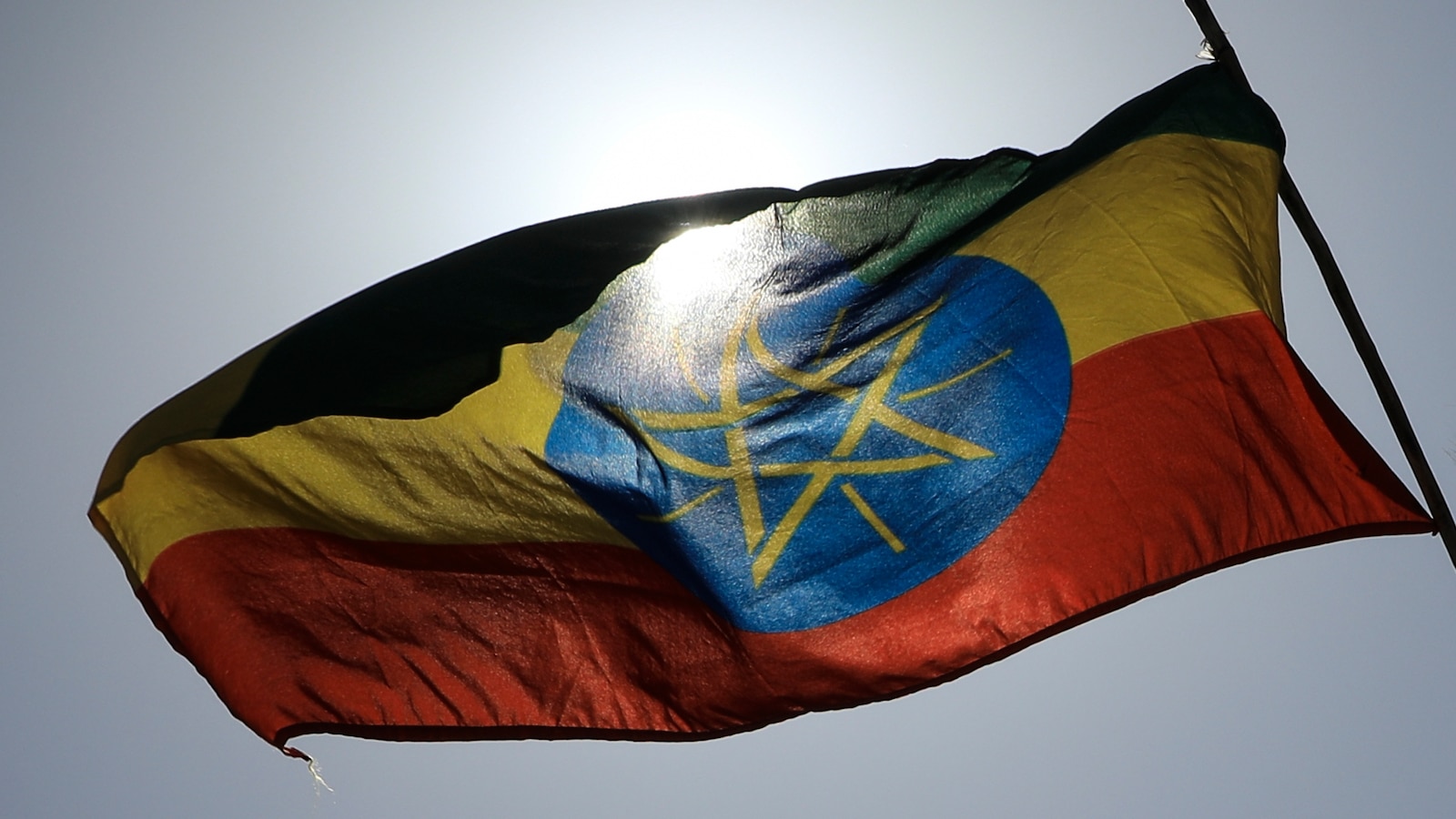
The Mekelle airport recapture by Ethiopian federal forces on Saturday, October 3, 2026, marks a pivotal shift in the renewed conflict within the tigray region, signaling a potential move toward a wider regional confrontation.
Key Takeaways
- Strategic Infrastructure Shift: Ethiopian federal forces and the breakaway Tigray Peace Force have reportedly retaken control of Alula Aba Nega Airport in Mekelle.
- TPLF Withdrawal: The Tigray People’s Liberation Front (TPLF) confirmed it has withdrawn from the regional capital, calling the move a “tactical decision” to prevent urban destruction.
- Diplomatic Rupture: Ethiopia has severed diplomatic ties with Eritrea, expelling 10 diplomats and closing its embassy in Asmara following allegations of Eritrean support for the TPLF.
- New Conflict Dynamics: The emergence of the Tigray Peace Force, a breakaway faction of Tigrayan rebels fighting alongside the federal government, distinguishes this conflict from the 2020–2022 war.
- Humanitarian Isolation: Severe disruptions to internet, cellular networks, and banking services, combined with the suspension of commercial flights, have left the Tigrayan population increasingly isolated.
- If you are a resident of Tigray: Expect continued instability, potential disruptions to food and medical supplies, and significant difficulty accessing financial services or communication networks. The security situation remains fluid as control of various neighborhoods is contested.
- If you are an international aid worker: Access to the Tigray region, particularly to cities like Axum and Shire, is severely limited due to flight suspensions and road closures. Coordination with local authorities is increasingly difficult due to the communication blackouts.
- If you are an investor in the Horn of Africa: The breakdown of the 2022 Pretoria Agreement and the diplomatic rift with Eritrea significantly increase the regional risk profile. Heightened military activity and potential interstate conflict may impact maritime security and regional trade stability.
- The Establishment of a New Administration: Abraham Belay, former president of the Tigray Interim Administration, stated that preparations are underway to establish a new administrative structure in Tigray, with the goal of holding regional elections within months. The speed and legitimacy of this process will be a major flashpoint.
- The Role of the Tigray Peace Force: Whether the federal government integrates this breakaway faction into a formal security role or uses them as a proxy force will determine the long-term stability of the region.
- Diplomatic Mediation: The African Union has urged restraint to protect the remnants of the 2022 peace process. Whether international mediators can bridge the gap between Ethiopia and Eritrea will be crucial in preventing a wider regional war.
- TPLF Counter-Offensives: The ability of the TPLF to regroup and launch operations from outside Mekelle will determine if the federal government achieves a decisive victory or enters a prolonged insurgency.
- abcnews.com
- mymotherlode.com
- www.arabnews.com
- www.aljazeera.com
What Happened: The Battle for Mekelle’s Infrastructure
On Saturday, October 3, 2026, reports emerged from residents and military officials that Ethiopian federal forces had regained control of Alula Aba Nega Airport, the primary aviation hub for Mekelle. This development follows a period of intense volatility that began on September 23, 2026, when TPLF fighters seized the airport, prompting Ethiopian Airlines to suspend all commercial flights to Mekelle, Axum, and Shire.
While the exact timeline of the airport’s transition remains difficult to verify due to severe communication blackouts in the region, an Ethiopian general, speaking on the condition of anonymity, provided high-level confirmation to news agencies. “The military is in full control of the airport. That much I can confirm,” the general stated.
Simultaneously, the Tigray People’s Liberation Front (TPLF) confirmed its withdrawal from Mekelle. In a statement issued on Saturday, the group characterized the exit as a temporary measure to protect the city from further destruction, noting that the regional administration would continue to operate from an undisclosed location. This withdrawal coincided with the entry of federal troops and allied fighters into the city, a move confirmed by pro-government militia sources, humanitarian workers, and local residents.
Why It Matters: A New Kind of War
The recapture of the airport and the movement of troops into Mekelle are not merely tactical shifts; they represent a fundamental change in the nature of the Ethiopian conflict. Unlike the devastating war that raged from 2020 to 2022, the current fighting features a new and complicating actor: the Tigray Peace Force.
This group, composed of former members of the Tigray Defense Forces, has broken away from the TPLF and is reportedly operating in coordination with federal troops, particularly in the neighboring Afar region. Analysts suggest this internal division within the Tigrayan movement may prevent the TPLF from maintaining the same level of unified military and political control they held during previous escalations.
Jalale Getachew Birru, an Ethiopia analyst for ACLED, noted that many reports indicate the government and its allies have begun to establish control over the Tigrayan capital. This shift suggests that the federal government may no longer need to rely solely on traditional federal administrative structures to manage the region, potentially delegating security responsibilities to the Tigray Peace Force.
Comparison: 2020 War vs. 2026 Conflict
| Feature | 2020–2022 War | 2026 Conflict |
|---|---|---|
| Primary Combatants | Federal Troops/Eritrea vs. TPLF | Federal Troops/Tigray Peace Force vs. TPLF |
| Political Unity | TPLF held unified command | TPLF facing breakaway factions |
| Diplomatic Context | Pretoria Peace Agreement in place | Breakdown of Pretoria Agreement |
| Regional Relations | Eritrea supported Federal side | Ethiopia-Eritrea diplomatic rupture |
Deep-Dive: The Geopolitical Escalation
The fighting in Tigray is rapidly expanding beyond regional borders, threatening to ignite a conventional interstate war in the Horn of Africa. At the center of this tension is the sudden and sharp deterioration in relations between Ethiopia and Eritrea.
On Thursday, the Ethiopian Ministry of Foreign Affairs announced the closure of its embassy in Asmara and ordered 10 Eritrean diplomats to leave the country, declaring them persona non grata. The Ethiopian government accused Eritrea of interfering in internal affairs and providing support to the TPLF—an allegation the Eritrean government has categorically denied. In response, Eritrea announced it would sever all diplomatic ties with Ethiopia.
This diplomatic rupture is compounded by accusations from Addis Ababa that other regional players, including Sudan and Egypt, are also providing support to the rebellion. The potential for a wider conflict involving the Horn of Africa and the Gulf region has alarmed international observers. Tommy Pigott, a U.S. State Department spokesman, warned that increasing cross-border tensions could jeopardize shared strategic interests and lead to a massive humanitarian crisis.

The Humanitarian and Economic Toll
For the civilians living through the resurgence of violence, the political and military maneuvers are overshadowed by the immediate loss of essential services. The conflict has brought Tigray to a near-standstill.
Residents in Mekelle report significant disruptions to banking and communications. The suspension of flights via Ethiopian Airlines has isolated the region, making the delivery of humanitarian aid and the movement of people nearly impossible. Furthermore, reports of road closures between Tigray and the Afar region have cut off vital supply lines.
In Addis Ababa, the impact is being felt through economic anxiety and the fear of urban combat. Following reports of explosions near military headquarters in the capital, residents expressed concern over the economic fallout. Abel, a 30-year-old shopkeeper in Addis Ababa, noted that if the war expands, ordinary people will bear the brunt of the suffering. Similarly, Bisrat, a college student, expressed fear that Ethiopia could follow the path of Sudan, which has been engulfed in a devastating civil war since April 2023.
In Mekelle, the atmosphere is one of profound uncertainty. Goitom, a 37-year-old resident, described a period of chaos following the TPLF withdrawal, where a security vacuum led to reports of theft in government offices. “It feels like we are back to square one,” he said, reflecting on the destruction witnessed during the previous war.
What It Means for You
Counterpoints and Open Questions
While the Ethiopian government views the recapture of Mekelle as a step toward restoring federal authority, the situation is far from settled. A major point of contention is the TPLF’s claim that their withdrawal is merely “tactical.” The group maintains that its forces will continue the conflict from other positions, suggesting that the war has not ended but has simply shifted its geography.
Furthermore, the independent verification of military movements remains a significant challenge. Due to the widespread internet and cellular outages, many reports of control—including the takeover of the airport—rely on resident accounts and anonymous military sources. It remains unconfirmed whether the federal government has established total control over the city or if urban guerrilla warfare is imminent.
Getachew Temare, an independent attorney and human rights defender, emphasized that the most critical question is not the fall of the city itself, but the political implications: “This is an extraordinary and largely unexpected turn in a war whose direction looked very different only days ago. But the most consequential question is not whether Mekelle falls. It is what this fall means politically.”
What Happens Next
As the federal government moves to consolidate its position, several key developments will serve as indicators of the conflict’s trajectory:
Frequently Asked Questions
What is the Tigray Peace Force?
The Tigray Peace Force is a breakaway faction of the Tigrayan rebels that has separated from the main TPLF leadership. Unlike the TPLF, this group is reportedly cooperating with the Ethiopian federal government and has been active in the neighboring Afar region. This division represents a significant shift in the political and military landscape of the Tigray conflict.
Why has Ethiopia severed ties with Eritrea?
Ethiopia has accused the Eritrean government of interfering in its internal affairs and supporting the TPLF rebels. Following these accusations, Ethiopia expelled 10 Eritrean diplomats and closed its embassy in Asmara. Eritrea has denied any involvement in the Tigray conflict and has responded by severing all diplomatic relations with Ethiopia.
Is the 2022 Pretoria Agreement still valid?
While the Pretoria Agreement was intended to end the 2020–2022 war, the TPLF has claimed the agreement has effectively collapsed due to the federal government’s failure to implement key provisions. The recent escalation in fighting and the breakdown of diplomatic relations suggest that the peace framework is currently non-functional.
How is the conflict affecting civilians in Mekelle?
Civilians in Mekelle are facing severe hardships, including the disruption of essential services like banking and telecommunications. The suspension of commercial flights has isolated the city, and there are growing fears of looting and renewed violence as the city changes hands between federal forces and rebel factions.
The recapture of Mekelle and its airport marks a significant, yet uncertain, milestone in the renewed Ethiopian conflict
References
Featured image: Image via ABC News