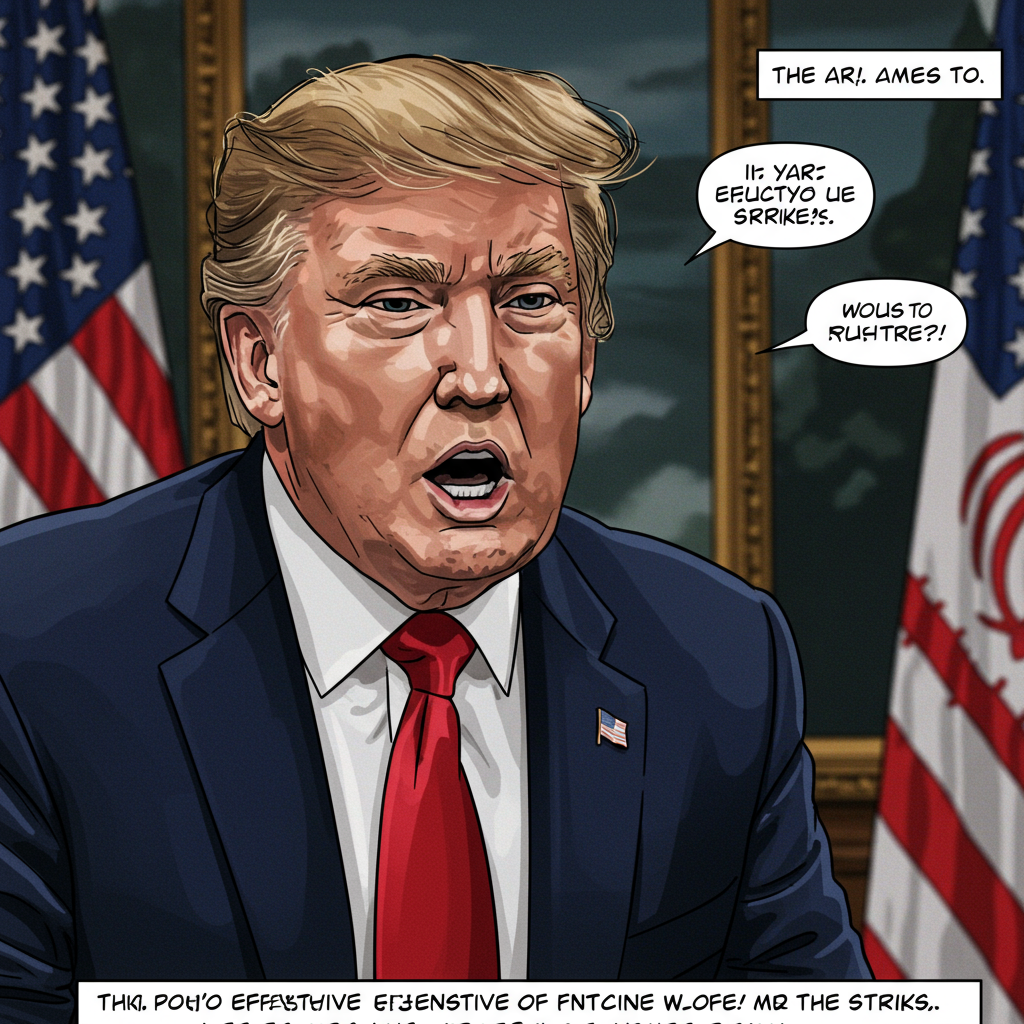
A Republican proposal to allocate $1 billion for White House security measures has sparked a furious national debate. At the heart of the controversy is whether these taxpayer funds will directly support President Donald Trump’s long-planned, lavish ballroom project. This substantial funding, included in a broader legislative package, comes amidst escalating costs and accusations of a broken promise regarding private financing.
The unexpected push for federal money has ignited strong opposition. Democrats and many critics argue this constitutes a “vanity project” forced onto American taxpayers. Meanwhile, Republicans and the White House frame the allocation as a critical national security imperative, especially after a recent alleged assassination attempt targeting the President. This clash of priorities highlights a deeper tension between perceived presidential needs, fiscal responsibility, and political messaging.
The East Wing Modernization Project: A Shifting Vision
President Trump first unveiled plans for a sprawling 90,000-square-foot White House ballroom in July 2025. This grand vision was part of a larger “East Wing Modernization Project.” The aim was to replace a demolished East Wing structure, providing a larger, more secure indoor venue. Trump cited the executive mansion’s current lack of space for significant events like state dinners and press gatherings.
Crucially, Trump and his aides consistently assured the public that the project would be entirely privately funded. Former White House press secretary Karoline Leavitt echoed these claims. Initial cost estimates began at $200 million, then rose to $300 million, and later hit $400 million, all explicitly slated for private donations. Public opinion, as an ABC News/Washington Post/Ipsos poll indicated, opposed the project by a 2-to-1 margin even then.
From Vanity to National Security: A Strategic Reframe
The narrative around the ballroom project dramatically shifted following a concerning incident. On April 25, 2026, an alleged assassination attempt occurred during the White House Correspondents’ Association Dinner. An individual, Cole Tomas Allen, reportedly stormed the Washington Hilton event with weapons. This event, described as a “wake-up call” by Senator Lindsey Graham, provided a new context.
Suddenly, what many critics initially dismissed as a “vanity project” was reframed as a national security necessity. Kevin Thompson, CEO of 9i Capital Group, observed this strategic pivot, noting, “What started as a vanity project is now being reframed as a security measure.” White House spokesman Davis Ingle emphasized that Congress “rightly recognized the need for these funds.” He cited the recent incident as a reason to “fully and completely harden the White House complex.” Proponents argued a secure facility on White House grounds was essential for the President and Cabinet.
The $1 Billion Proposal: Unpacking the Security Funding
Senate Republicans late Monday proposed a significant $1 billion allocation for White House security measures. This substantial sum is specifically designated for the U.S. Secret Service. Its purpose is to implement “security adjustments and upgrades” related to the East Wing Modernization Project. This includes both “above-ground and below-ground security features.”
The legislation, championed by figures like Senate Judiciary Committee Chair Chuck Grassley, includes guardrails. It explicitly states these funds may not be used for non-security aspects of the project. A spokesperson for Grassley clarified that the bill does not fund the ballroom’s construction itself. Instead, it “provides funds for Secret Service enhancements” for presidential protection. The Trump administration’s Justice Department filing detailed extensive upgrades. These include “missile resistant steel columns, Military-grade venting, drone-proof ceilings and bullet, ballistic, and blast proof glass.” More comprehensive measures like “bomb shelters, a state of the art hospital… and Top Secret military installations” were also mentioned.
Political Battle Lines: Democrats’ Fierce Opposition
The proposal has ignited fierce backlash from Democratic lawmakers and activists. Democratic Representative Yassamin Ansari of Arizona condemned the plan. She labeled it another instance of “the American people footing the bill for his outrageous pet projects.” This comes, she noted, while other essential services, such as healthcare, face cuts. Senator Dick Durbin, the top Democrat on the Senate Judiciary Committee, criticized Republicans. He argued they prioritize “tens of billions of dollars for the President’s vanity ballroom project” while Americans struggle financially.
Critics like Melanie D’Arrigo and Ron Filipkowski have gone further. They allege that Trump’s initial claims of private funding were a “lie” and a “scam.” Activist Amy Siskind highlighted the irony of such spending amidst rising gas prices. Financial literacy instructor Alex Beene noted the high price tag would “produce hesitation and cause more questioning as to the essential nature of such a transaction.” Senate Minority Leader Chuck Schumer encapsulated the opposition. He stated Republicans are “on a different planet than American families,” prioritizing “more raids and a Trump ballroom.”
The Reconciliation Package: A Strategic Legislative Path
The inclusion of this $1 billion in a reconciliation package is a critical detail. This partisan budget maneuver allows the bill to potentially bypass a filibuster. It can pass the Senate with a simple majority. The Senate Judiciary Committee’s portion, chaired by Sen. Chuck Grassley, allocates nearly $31 billion for Immigration and Customs Enforcement (ICE). It also designates $3.5 billion for Customs and Border Protection (CBP), $2.5 billion for the Department of Homeland Security (DHS), and almost $1.5 billion for the Department of Justice (DOJ).
Grassley framed this legislative effort as a necessary counter to Democrats’ perceived desire for “open borders.” He also cited their “radical, anti-law enforcement agenda.” Similarly, the Senate Homeland Security and Governmental Affairs Committee, led by Sen. Rand Paul, released its nearly $33 billion portion. This included substantial funding for CBP, ICE, and border security. Paul criticized Senate Democrats for refusing to fund border security and immigration enforcement. Republicans are leveraging existing gridlock over these agencies to advance their broader funding goals.
Legal Hurdles and Ongoing Construction
The ballroom project has also navigated significant legal challenges. The National Trust for Historic Preservation filed a lawsuit to halt construction. District Judge Richard Leon initially ruled in late March that building the ballroom without congressional authorization was illegal. He allowed an exception for White House “safety and security” work, later clarifying this. This permitted “below-ground construction” and “strictly necessary” above-ground work for securing below-ground elements.
However, a three-judge panel of the D.C. Circuit Court of Appeals administratively stayed Leon’s injunction. This temporary ruling allows work on both the ballroom and its security features to continue pending oral arguments. This highlights the complex interplay of executive action, legislative oversight, and judicial review in federal projects.
Frequently Asked Questions
What is the White House East Wing Modernization Project and its current status?
The East Wing Modernization Project is a proposal by President Trump for a 90,000-square-foot ballroom at the White House. Its goal is to provide a larger, more secure venue for official events. Initially touted as privately funded, the project now faces a $1 billion federal security funding proposal. Construction has faced legal challenges from historic preservationists, but a federal appeals court recently allowed work to continue temporarily.
Why did the White House security funding proposal become part of a larger immigration bill?
Senate Republicans strategically included the White House security funding in a larger reconciliation package primarily focused on immigration and border security. This legislative maneuver allows the entire bill to bypass a filibuster, potentially passing with a simple majority vote in the Senate. Republicans are leveraging existing gridlock over funding for agencies like ICE and Border Patrol to advance their broader legislative agenda, which now includes the controversial security allocation.
How does the recent $1 billion security funding for the White House ballroom contrast with President Trump’s original funding claims?
President Trump initially stated that the ballroom project would be entirely funded by private donations, costing taxpayers “absolutely nothing.” Original estimates for the project, which escalated from $200 million to $400 million, were all slated for private money. The new $1 billion proposal from Senate Republicans, however, explicitly uses federal taxpayer dollars for “security adjustments and upgrades” related to the project, contradicting the initial promise of private funding for all aspects. Critics view this as a broken promise.
The Path Forward: A Divisive Debate
The debate over the White House security funding is far from over. It represents a microcosm of larger political battles concerning federal spending, executive power, and national priorities. While Republicans frame it as essential for presidential protection, Democrats decry it as wasteful spending on a presidential “vanity project.” The inclusion in a reconciliation package underscores the partisan nature of this legislative push.
As the bill advances, likely reaching the Senate floor within weeks, the tension will only intensify. The controversy encapsulates a complex interplay of security concerns, political strategy, fiscal responsibility, and public perception. The ultimate fate of the $1 billion funding, and the White House ballroom itself, remains a subject of intense scrutiny and ongoing political contention.