A dramatic setback struck SpaceX’s ambitious Starship program recently, as an apparent explosion rocked its crucial water deluge system during a test at the Starbase facility in Boca Chica, Texas. This incident, captured on video, occurred just days before the highly anticipated 12th test flight of the upgraded Starship rocket. It highlights the immense challenges and inherent risks involved in developing the world’s most powerful launch system, especially with NASA’s lunar ambitions heavily relying on Starship’s success.
The Explosive Test at Starbase Shakes Preparations
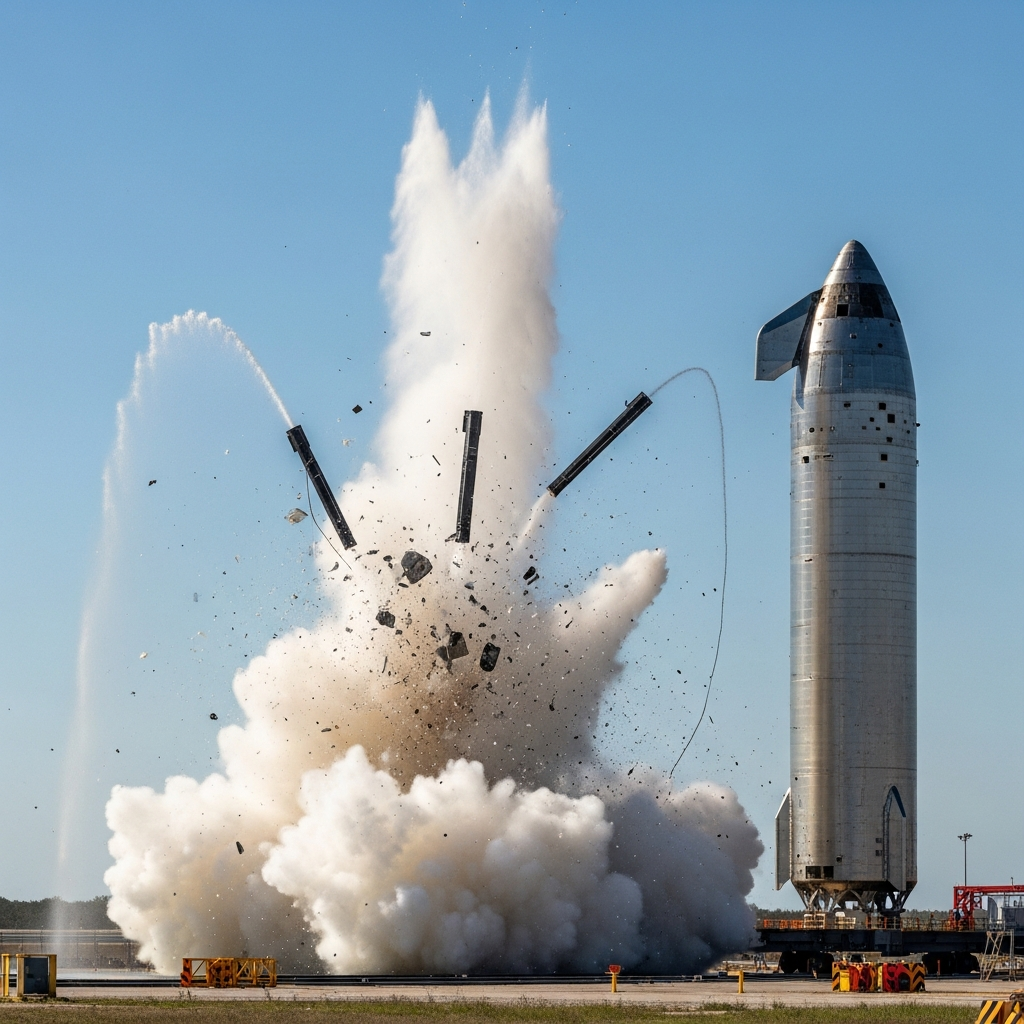
On Sunday, May 4, 2026, an unexpected and explosive event erupted at SpaceX’s Starbase facility. The incident happened during a critical test of Starship’s water deluge system. Videos published by NASA Spaceflight and shared by StarbaseTracking showed a startling scene. Massive columns of water shot upwards from the “deluge farm” area. An unidentified object, possibly a gas combustor, was violently ejected from the test site. Moments later, the entire system appeared to shut down.
This alarming event occurred as SpaceX intensifies preparations for Starship’s Flight 12. This crucial test flight is currently slated for May 12, with a potential backup date on May 13. The company had previously acknowledged experiencing issues with the deluge system. Sunday’s explosive test was likely an effort to resolve these known problems.
Understanding Starship’s Vital Water Deluge System
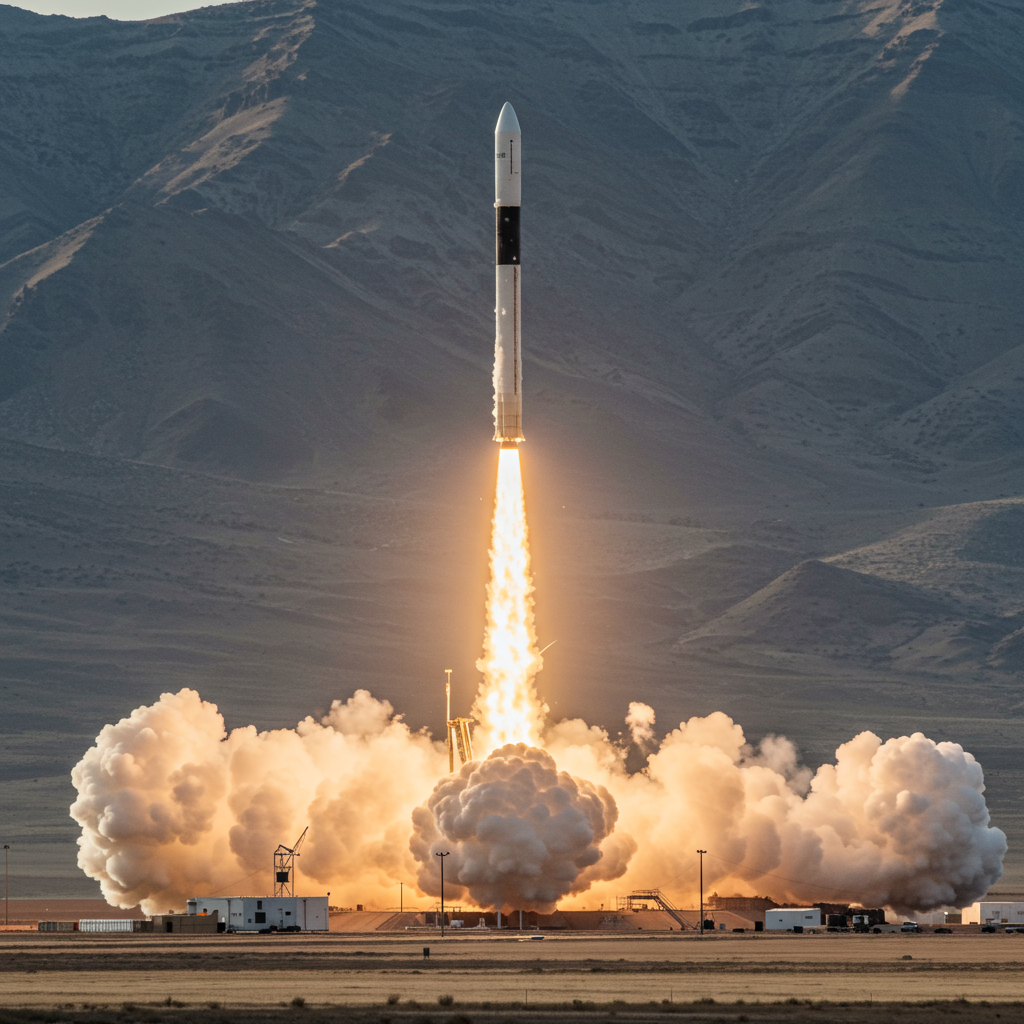
The water deluge system is a paramount component of Starship’s launch infrastructure. Its primary purpose is to absorb the colossal heat and energy generated by the rocket’s engines during liftoff. This system protects the launch pad from catastrophic damage. The extreme thrust, reaching nearly 17 million pounds from 33 Raptor engines, necessitates robust protection.
SpaceX developed this powerful system after a costly “careless mistake.” Starship’s inaugural flight on April 20, 2023, occurred without a water deluge system in place. That disastrous launch severely damaged the launch pad. The Super Heavy booster tore concrete into pieces and hurled dust and debris into surrounding areas. Following this hard lesson, SpaceX implemented significant improvements. These included a reinforced steel plate for the launch pad and the massive water deluge system.
The system is designed to spray an astounding 350,000 gallons of water – or approximately 1.3 million liters – during Starship ignition and liftoff. Most of this water vaporizes instantly due to the extreme heat. In February 2026, SpaceX successfully conducted a full-duration test of a similar deluge system at its Starbase Orbital Launch Pad 2. This earlier success demonstrated the system’s protective capabilities. However, the recent May 4 incident underscores the complex engineering challenges still present. Space enthusiasts, like YouTuber Marcus House, noted that a “Gas unit here looked to have popped its top.” House attributed this to the “Huge pressures needed to drive that water.”
Starship Version 3: High Stakes and Ongoing Delays
The upcoming Flight 12 is particularly significant. It marks the maiden suborbital flight of the upgraded Starship Version 3 (V3) vehicle. This new iteration of the megarocket is larger and more powerful than its predecessors. It integrates Booster 19 with Ship 39, forming the first Block 3 Starship stack. A key highlight is the debut of the new Raptor V3 engines. These engines are engineered for greater thrust and improved efficiency. Furthermore, the Starship V3 vehicle incorporates enhanced heat-shield systems and a slightly stretched structure. These upgrades enable it to accommodate heavier payloads, including potential next-generation Starlink V3 satellites.
The debut of Starship V3 has already faced multiple delays. SpaceX CEO Elon Musk initially announced a target sometime in the second week of March. By mid-March, the launch moved to April. Now, it is scheduled for May 12, with a backup on May 13. Each delay highlights the rigorous testing and refinement required for such a complex system.
‘Test Like You Fly’: SpaceX’s Iterative Development Philosophy
SpaceX operates on a “fail fast, learn fast” philosophy. This iterative approach to rocket development often involves high-stakes tests and, occasionally, dramatic incidents. The company’s mini-documentary series, ‘Test Like You Fly,’ recently discussed the challenges of developing its fully reusable vehicle. In one episode, SpaceX revealed that the Ground Support Equipment (GSE) of the water deluge system automatically aborted during two static fire attempts of Starship’s B19 booster. The GSE is a substantial steel plate beneath the orbital launch mount, designed to spray pressurized water upwards. This prior issue underscores the ongoing complexities with the system.
The recent deluge explosion is not an isolated incident in SpaceX’s history of testing. Just last month, a test of Starship’s Raptor engines at the McGregor test site also resulted in a significant explosion. An anomaly during the engine test led to a huge plume of smoke followed by an explosion from the test stand itself. These events are part of SpaceX’s intensive development process. They gather critical data, even through failures, to refine their designs.
Beyond the Launch Pad: Community and Environmental Concerns
The rapid expansion and testing at Starbase, Texas, have not been without controversy. Over 70 Texas homeowners have filed a lawsuit against SpaceX. They allege significant property damage caused by Starship rocket launches and landings. These residents claim their homes suffer “repeatedly damaged by noise, vibrations, and sonic booms” from Starship operations. The lawsuit accuses SpaceX of negligence and “conscious indifference” to their safety.
A study conducted during Starship’s fifth test flight in October 2024 revealed concerning data. Researchers found that the rocket generates noise at least 10 times louder than a Falcon 9 rocket. This poses a significant risk of structural damage to surrounding areas, including broken glass and falling ornaments. The legal filing asserts that SpaceX’s “negligent acts, omissions, and conduct” directly caused the plaintiffs’ damages. Environmental organizations also previously sued the Federal Aviation Administration (FAA). They accused the FAA of rushing the permitting process for Starship’s inaugural launch. They claimed inadequate environmental review or mitigation requirements. These lawsuits underscore the broader impact of SpaceX’s ambitions on local communities and the environment.
The Road Ahead: Implications for Starship and NASA
The immediate impact of the latest deluge system incident on Starship’s May 12 test flight remains unclear. SpaceX is facing pressure to accelerate its launch cadence. Flight 12 is a pivotal step towards this goal and the rapid evolution of its fully reusable launch system. A successful launch would advance crucial capabilities like orbital refueling demonstrations and future Mars exploration plans.
NASA’s lunar ambitions heavily rely on Starship’s development. The agency plans to test Starship in low-Earth orbit next year. This is in preparation for the first lunar landing attempt in over half a century, tentatively scheduled for 2028 as part of the Artemis program. Delays in Starship’s development could have significant ripple effects on these critical national space goals. Observers note a significant ramp-up in production at SpaceX’s Starfactory to support the envisioned sustained flight operations. As SpaceX navigates these engineering challenges, the world watches closely. The journey to Mars is paved with both innovation and unexpected hurdles.
Frequently Asked Questions
What caused the recent explosion during SpaceX’s Starship deluge system test?
The exact cause of the explosion on May 4, 2026, is still under investigation by SpaceX. Videos showed massive amounts of water shooting upward, followed by an unidentified object—possibly a gas combustor—being ejected. Experts like Marcus House speculated the incident could be due to “huge pressures needed to drive that water.” This event highlights known challenges with the Ground Support Equipment (GSE) of the deluge system, which had previously caused automatic aborts during static fire tests of the B19 booster.
How might this incident impact Starship Flight 12’s scheduled launch date?
The immediate impact on Starship Flight 12, currently scheduled for May 12 (with a backup on May 13), remains uncertain. While drone footage suggested potentially minimal damage to the overall structure, the severity of the system’s operational integrity after the “popped” component could necessitate further inspections or repairs. Given the system’s critical role in launch pad protection and the FAA’s strict safety protocols, any required fixes could lead to additional delays for the already rescheduled test flight.
Why is the Starship water deluge system so crucial for future launches and NASA’s Artemis program?
The water deluge system is vital because it protects the launch pad from the extreme heat and immense thrust (nearly 17 million pounds) generated by Starship’s 33 Raptor engines during liftoff. Its absence during Starship’s inaugural flight on April 20, 2023, caused catastrophic damage to the launch infrastructure. For future high-cadence launches and NASA’s Artemis program, which relies on Starship for lunar landings by 2028, ensuring the launch pad’s reusability and safety is paramount. The system’s reliable operation is essential for maintaining launch schedules and protecting billions of dollars in infrastructure.