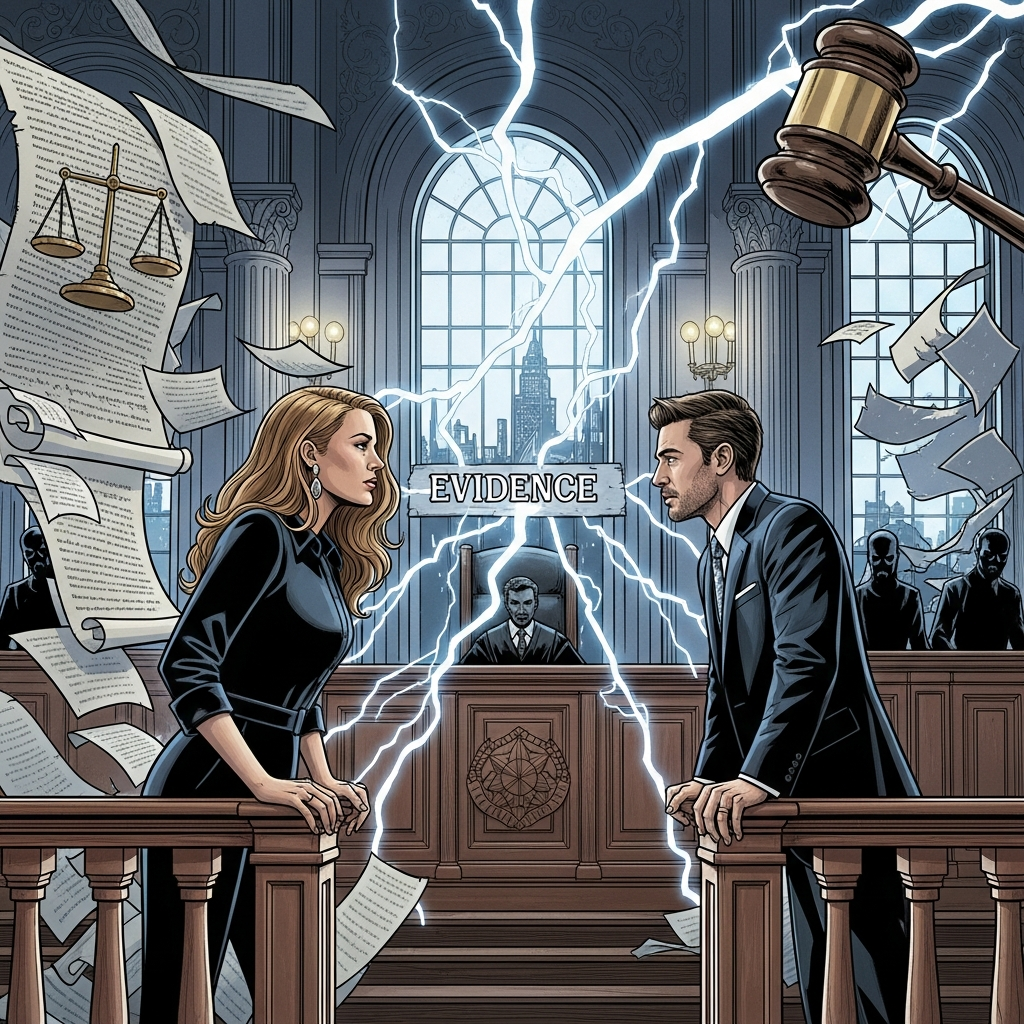
Hollywood is bracing for a high-stakes legal battle as Blake Lively and Justin Baldoni are confirmed to proceed to a jury trial on May 18. Despite dedicated efforts by federal judges to broker a resolution, last-minute settlement negotiations have collapsed, signaling an unprecedented showdown between the “It Ends With Us” co-stars. This highly anticipated trial in New York City is set to unravel explosive allegations, capturing the attention of both fans and industry observers eager to understand the evolving landscape of workplace conduct in entertainment.
The Rocky Road to Trial: Repeated Settlement Failures
The path to trial for Blake Lively and Justin Baldoni has been fraught with repeated attempts at out-of-court settlements, all proving unsuccessful. The most recent efforts, just days before the scheduled trial, saw Magistrate Judge Sarah L. Cave order individual conference calls with the legal teams for both Lively and Baldoni. The objective was clear: ascertain each client’s updated settlement position and find common ground to avert a public trial.
However, these crucial discussions, held on a recent Monday afternoon, ended in a stalemate. Reports indicate that both sides rejected any deal, leaving Judge Cave with no viable path to a resolution. This outcome mirrors previous attempts; the legal dispute, initiated in December 2024, has seen multiple failed mediations. Late last year, Judge Lewis Liman had also mandated settlement talks, which included a face-to-face meeting between Lively and Baldoni in a Manhattan courtroom months ago. Bryan Freedman, Baldoni’s attorney, publicly stated in February that despite “nudging and high hopes,” all attempts to reach a deal had been “unsuccessful.” The recent Monday’s outcome felt like “déjà vu” for those following the contentious case.
Unpacking the Lawsuit: What Claims Remain?
The impending trial will focus on a significantly narrowed set of allegations following a pivotal ruling by Judge Lewis Liman on April 2. In a detailed summary judgment, Judge Liman dismissed 10 of Lively’s original 13 claims against Baldoni, his Wayfarer Studios executives, and PR team. Crucially, Lively’s sexual harassment claims were among those dismissed.
The “Independent Contractor” Status: A Game-Changer
The dismissal of the sexual harassment claims was not a judgment on their merits, but rather based on jurisdictional and contractual grounds. The court determined that Blake Lively was working as an “independent contractor” during the production of “It Ends With Us,” rather than an employee. This distinction significantly impacts the applicability of certain legal protections against sexual harassment under the law. Lively’s legal team clarified that these claims were not proceeding to trial “not because the defendants did nothing wrong,” but due to this specific legal classification.
Despite this, court excerpts shared by Lively reportedly indicated that while direct sexual harassment claims against Baldoni might have been dismissed on technical grounds, the court found “sufficient evidence” that “Wayfarer parties sexually harassed her by creating a hostile work environment.” This suggests a complex legal landscape where evidence of problematic workplace behavior exists, even if specific claims cannot proceed under the initial legal framing.
The core of Lively’s remaining lawsuit now centers on allegations of retaliation, breach of contract, and aiding and abetting retaliation. Specifically, the battlefield of the matter involves an alleged “preemptive online smear campaign” or “astroturfing” conducted by Baldoni’s Crisis PR crew against Lively. This alleged campaign occurred ahead of the premiere of “It Ends With Us,” distributed by Sony. Lively has consistently maintained that this “astroturfing claim was always the real case.”
Blake Lively’s Unwavering Stance and Public Statements
Blake Lively has been vocal about her commitment to pursuing justice, even as the legal battle progresses. Ahead of the failed settlement talks, she reposted strong remarks urging fans not to be “distracted by the digital soap opera.” She vowed to “never stop doing my part in fighting to expose the systems and people who seek to harm, shame, silence and retaliate against victims.”
Following the April 2 ruling, Lively expressed gratitude for the opportunity to finally present the “heart of my case” to a jury. She emphasized her readiness to “finally tell my story in full at trial,” not just for herself but for others who lack such a platform. Lively clarified that she initiated the lawsuit due to “pervasive RETALIATION” she faced for “privately and professionally asking for a safe working environment for myself and others.” Her commitment extends to shining a light on “vicious form of online retaliation” to make it easier to detect and combat.
Justin Baldoni’s Defense and Celebrated Legal Victories
Justin Baldoni and his legal team have welcomed the dismissals as a significant victory. His lead attorney, Bryan Freedman, stated, “The truth has prevailed,” emphasizing that the court’s decision validated their position. Baldoni’s team expressed satisfaction that “all sexual harassment claims and every claim” brought against Baldoni and individual defendants were dismissed. They attributed this outcome to the court’s “careful review of the facts, law and voluminous evidence” provided, especially given the seriousness of the initial allegations.
The judge’s opinion also provided a nuanced perspective, with Judge Liman emphasizing the necessity for “creative artists… to have some amount of space to experiment within the bounds of an agreed script without fear of being held liable for sexual harassment.” Baldoni had previously vehemently denied all allegations and filed a $400 million countersuit against Lively and her husband, Ryan Reynolds, though this countersuit was dismissed earlier. With a “significantly narrowed case” remaining, Baldoni’s attorneys anticipate presenting their defense vigorously in court.
Broader Implications for Hollywood and Workplace Dynamics
The Blake Lively and Justin Baldoni trial carries significant implications beyond the immediate parties involved. It highlights the complex challenges of defining and enforcing workplace conduct standards within the entertainment industry, particularly concerning the distinction between employees and independent contractors. This legal classification has proven to be a pivotal factor in the viability of certain claims, potentially setting a precedent for how future disputes are approached.
The case also underscores the critical role of reputation management and digital integrity in an age where online smear campaigns can have devastating professional consequences. Lively’s focus on “astroturfing” and “coordinated digital attacks” brings a modern dimension to defamation claims. Furthermore, the mention of other prominent figures like Taylor Swift and Scarlett Johansson in unsealed documents related to the case hints at the broader scope and impact of these celebrity legal battles on industry norms and accountability. The upcoming trial will undoubtedly be a closely watched event, influencing discussions on power dynamics, retaliation, and the pursuit of justice in Hollywood.
Frequently Asked Questions
What specific claims will be addressed in the Blake Lively and Justin Baldoni trial?
The upcoming trial for Blake Lively and Justin Baldoni, scheduled for May 18, will primarily focus on Lively’s remaining claims of retaliation, breach of contract, and aiding and abetting retaliation. A key aspect of these allegations involves an alleged “preemptive online smear campaign” or “astroturfing” orchestrated by Baldoni’s PR team against Lively, which Lively asserts was “always the real case.” These claims will be presented to a jury in New York City.
Why were Blake Lively’s sexual harassment claims dismissed despite evidence of a hostile work environment?
Blake Lively’s sexual harassment claims were dismissed not on their merits, but due to legal technicalities surrounding her employment status. The court determined she was an “independent contractor,” not an employee, which impacted the legal standing for such claims. Lively’s lawyers clarified that this dismissal does not mean “the defendants did nothing wrong.” In fact, court documents indicated “sufficient evidence” that “Wayfarer parties sexually harassed her by creating a hostile work environment,” even if direct claims could not proceed due to her contractual status.
How might the outcome of the Lively-Baldoni trial impact future workplace disputes in Hollywood?
The Lively-Baldoni trial could significantly impact Hollywood by further defining the legal distinctions between employees and independent contractors, particularly concerning harassment claims. A ruling could influence how studios structure contracts and how individuals pursue legal action for workplace misconduct. The focus on alleged online smear campaigns also sets a precedent for digital reputation in legal battles. This high-profile case highlights the increasing scrutiny on industry power dynamics and the push for greater accountability and transparency regarding workplace safety and conduct.
Conclusion: An Unprecedented Showdown Looms
With all last-minute settlement hopes dashed, the stage is now set for an extraordinary legal clash between Blake Lively and Justin Baldoni. The upcoming trial on May 18 represents a pivotal moment, not only for the “It Ends With Us” co-stars but potentially for the wider entertainment industry. As the legal teams prepare to present their cases, the focus will be on the remaining allegations of retaliation and an alleged online smear campaign, navigating the complexities of independent contractor status and the pursuit of justice in the public eye. This highly anticipated showdown promises to deliver critical insights into the evolving landscape of Hollywood workplace dynamics and accountability.