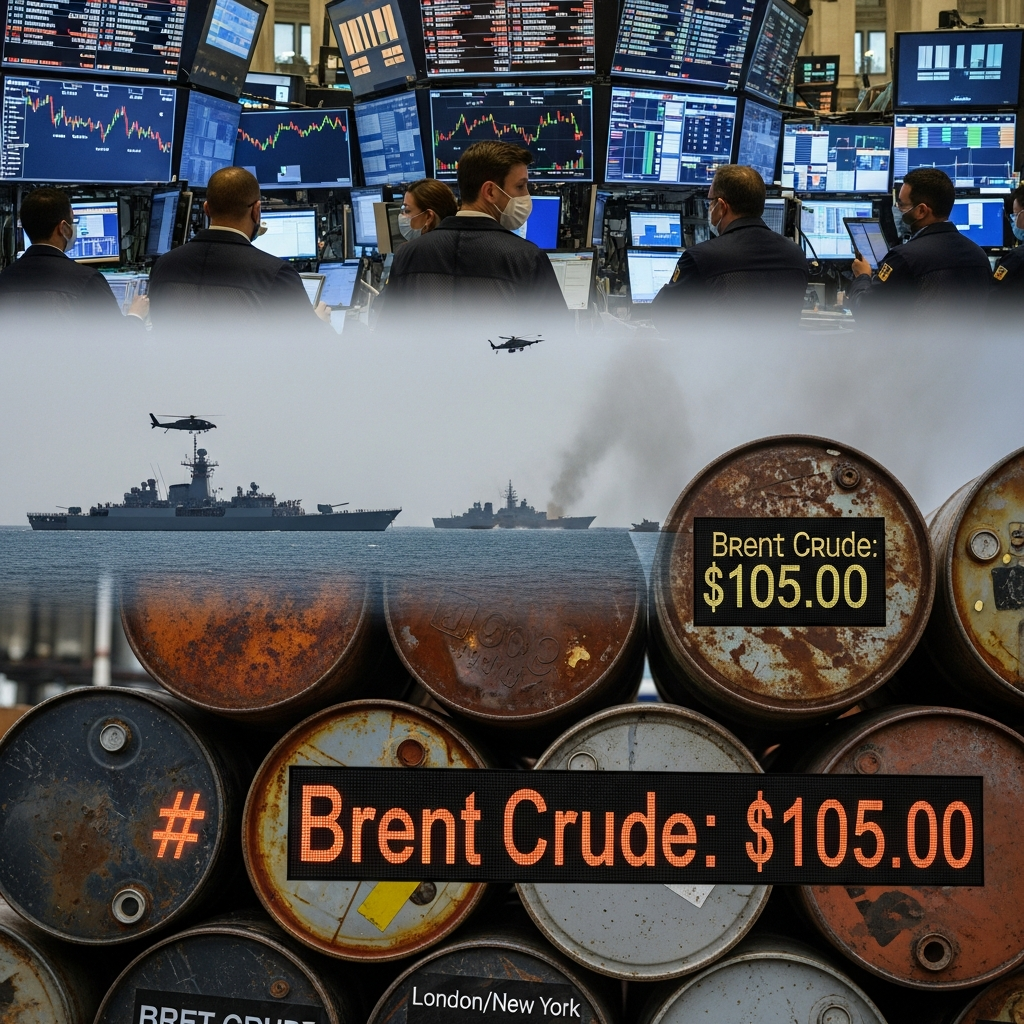
The global energy landscape is a complex web of economic forces and geopolitical tensions, with oil prices in Asia often serving as a sensitive barometer for broader market health. From the bustling trade hubs to emerging industrial powerhouses, understanding the dynamics of crude oil is crucial for businesses, investors, and consumers alike. This article dives deep into the multifaceted factors driving recent volatility, drawing insights from comprehensive market analyses to reveal the intricate dance between supply, demand, and international relations.
The Volatile Landscape of Asian Oil Prices
Asian economies, as major consumers and importers, are acutely vulnerable to fluctuations in crude oil prices. Recent periods have demonstrated how quickly market sentiment can shift, influenced by everything from Middle Eastern conflicts to industrial output figures in China. The impact isn’t isolated to energy sectors; it ripples through global supply chains, affecting everything from manufacturing costs to consumer prices, as evidenced by unexpected consequences like a crash in Hyderabad’s egg prices due to export halts.
Geopolitical Flashpoints and Supply Shocks
Geopolitical events consistently emerge as primary drivers of oil price volatility. The strategic importance of key shipping lanes and production regions means that conflicts can rapidly trigger supply concerns and drive prices upward.
Middle East Conflicts and the Strait of Hormuz
A significant escalation in the Middle East, such as that observed in March 2026, profoundly impacts global energy markets. The US/Israeli military operation leading to the death of Iran’s Supreme Leader and subsequent retaliatory missile attacks by Iran’s Islamic Revolutionary Guard Corps (IRGC) sent immediate shockwaves.
The Strait of Hormuz stands out as a critical chokepoint. Responsible for roughly one-fifth of global petroleum consumption, disruptions here are a major concern. During such escalations, commercial traffic can sharply decline, with some major carriers pausing transits, effectively creating a “shadow closure.” This situation creates immense uncertainty, driving market volatility and stoking inflation fears due to higher oil and energy prices. While a short-term conflict might see a swift market retracement, a prolonged closure of the Strait of Hormuz is considered a critical “tail risk” by institutions like Goldman Sachs, potentially pushing oil prices above $100 per barrel.
Russia-Ukraine Tensions and Energy Infrastructure
Beyond the Middle East, other conflicts also contribute to supply anxieties. For instance, in November 2025, a Ukrainian drone attack on Russia’s Novorossiysk oil export hub in the Black Sea caused Brent crude and US West Texas Intermediate (WTI) crude prices to surge by approximately 2%. Such incidents highlight the fragility of energy infrastructure in conflict zones and their immediate effect on global benchmarks.
Economic Headwinds and Demand Dynamics
While geopolitical events grab headlines, underlying economic shifts play an equally crucial role in shaping oil prices, particularly in Asia. Demand-side factors, often driven by the economic health of major industrial nations, can temper or amplify supply shock impacts.
China’s Industrial Output and Global Demand
China, as the world’s second-largest economy and a colossal energy consumer, holds immense sway over global oil demand. A slowdown in Chinese industrial production, as seen in October 2025 when growth hit a 14-month low at 4.9% (missing forecasts of 5.5%), directly translates to reduced demand for crude. This deceleration, attributed partly to manufacturing and mining slowdowns and national holidays, contributes to overall negative global market sentiment. Additionally, slumping Asian factory orders, due to low demand from the US and ongoing tariff impacts, further underscore concerns about weakened export-oriented growth across the region.
Global Monetary Policy and Currency Movements
Decisions by major central banks, particularly the US Federal Reserve, create significant ripples. Hawkish comments from Fed officials in November 2025, dampening expectations for a US interest rate cut, led to a global market selloff. Higher interest rates typically strengthen the US dollar, making dollar-denominated oil more expensive for international buyers and potentially reducing demand. Conversely, expectations for rate cuts, such as those from the Bank of England in December 2025 due to slowing UK wage growth and rising unemployment, can weaken the dollar and provide some upward pressure on oil prices.
The interplay of these factors creates a dynamic currency market, with safe-haven assets like the US dollar strengthening during uncertainty, while currencies like the Japanese Yen may weaken due to interest rate differentials.
Strategic Buffers and Market Resilience
Despite the significant risks, several structural elements can buffer the impact of short-term conflicts and supply disruptions on oil prices in Asia and globally. These mechanisms contribute to market resilience and prevent more extreme price spikes.
OPEC+, Strategic Reserves, and Alternative Routes
Key among these buffers are the actions of OPEC+ and the availability of strategic reserves. OPEC+ has demonstrated the capacity for supply adjustments, with a potential increase of 206,000 barrels per day (b/d) and an approximate 4 million b/d of spare capacity. Nations like China, a major importer of Iranian oil, hold strategic oil reserves for about 200 days of consumption, providing a crucial safety net. Furthermore, available pipeline capacity, estimated at 2.6 million b/d, can bypass critical chokepoints like the Strait of Hormuz, mitigating the impact of partial closures.
The Mitigating Role of Electric Vehicles
The burgeoning growth of Electric Vehicles (EVs) also plays a subtle yet increasingly important role. With EVs now representing approximately 20% of global auto supply, their expanding presence partially mitigates the overall impact of sudden oil supply shocks compared to historical events. This structural shift gradually reduces global reliance on fossil fuels, adding another layer of resilience to the energy market.
Broader Market Repercussions Beyond Crude
The ripple effects of oil price volatility and the underlying geopolitical and economic forces extend far beyond the energy sector. Investors and businesses must understand these broader repercussions across various asset classes.
Equity Market Volatility
Market uncertainty drives volatility across global equity markets. Sell-offs in Wall Street, often triggered by hawkish Fed comments, quickly spill over into Asian and European markets. Asian stock indices like Japan’s Nikkei, Australia’s resource shares, and South Korea’s Kospi experience steep declines during periods of global uncertainty. European equities, particularly vulnerable due to energy import dependence and low gas inventories, bear a significant brunt of geopolitical shocks. Investment teams often respond by reducing net equity beta through downside protection to bolster portfolio resilience.
Commodity Markets: Gold and Beyond
Commodities like gold typically benefit from uncertainty, acting as a safe haven. Gold prices tend to advance when expectations for interest rate cuts rise or geopolitical tensions escalate, supported by a weaker US dollar. Conversely, regional conflicts can create highly localized, yet severe, commodity shocks. For example, the Iran-Israel-US conflict caused egg prices in Hyderabad, India, to crash dramatically due to stalled West Asia exports and disruptions at key ports. This highlights how global events can trigger unexpected market distortions.
Currency Movements and Investment Strategies
Oil prices serve as a primary transmission channel for currency markets. A sustained oil price increase would heighten volatility and pressure FX carry trades. During periods of uncertainty, the US dollar often strengthens as a safe haven. Investors closely monitor interest rate differentials and economic data, anticipating how central bank policies might influence currency valuations. Goldman Sachs, for instance, maintained an overweight stance on the US dollar during a period of conflict, seeking its safe-haven benefits. Overall, multi-asset solutions often involve reducing risk exposure in equities and credit hedges, aiming for asymmetric protection while preserving upside potential.
Frequently Asked Questions
How do geopolitical conflicts specifically affect global oil prices and the Asian market?
Geopolitical conflicts impact global oil prices primarily through supply disruptions and increased uncertainty. Critical events, such as Middle East conflicts affecting the Strait of Hormuz (responsible for one-fifth of global petroleum consumption), can lead to “shadow closures” of key shipping lanes, driving up prices due to supply fears. Similarly, attacks on energy infrastructure, like the drone attack on Russia’s Novorossiysk hub in November 2025, create immediate supply concerns. For Asia, a major importing region, these disruptions translate directly to higher energy costs, impacting national economies and regional trade.
What key economic indicators should be monitored for future Asian oil price trends?
To gauge future Asian oil market trends, it’s crucial to monitor several key economic indicators. China’s industrial output is paramount; a slowdown, such as the 14-month low observed in October 2025, signals reduced demand. Global monetary policy, particularly from the US Federal Reserve, influences the US dollar’s strength, making dollar-denominated oil more expensive. Additionally, global growth forecasts, manufacturing PMI data across Asia, and reports on consumer spending provide insights into overall demand health. Monitoring these indicators helps anticipate shifts in global oil consumption and price direction.
How can businesses and investors prepare for sustained volatility in the global energy market?
Businesses and investors can prepare for sustained volatility in the global energy market by adopting robust risk management strategies. This includes diversifying energy supply chains to reduce reliance on single regions or suppliers, hedging against price fluctuations through derivatives, and exploring investments in alternative energy sources like electric vehicles, which provide a long-term buffer against oil shocks. For investors, maintaining a diversified portfolio with downside protection and considering safe-haven assets like gold during periods of high geopolitical risk can help mitigate potential losses from sharp movements in oil prices in Asia and globally.
Conclusion
The dynamics of oil prices in Asia are deeply intertwined with a complex interplay of geopolitical tensions, economic shifts, and strategic market responses. While events like Middle Eastern conflicts and industrial slowdowns in China create significant volatility, structural buffers such as OPEC+ spare capacity, strategic oil reserves, and the rise of Electric Vehicles offer some measure of resilience. Navigating this intricate landscape requires a keen understanding of both immediate market triggers and long-term trends. For businesses and investors, preparing for sustained volatility by diversifying, hedging, and staying informed on global developments remains paramount. The duration of conflicts, more than immediate price levels, often dictates the long-term market impact, emphasizing the need for adaptable strategies in an ever-evolving energy world.