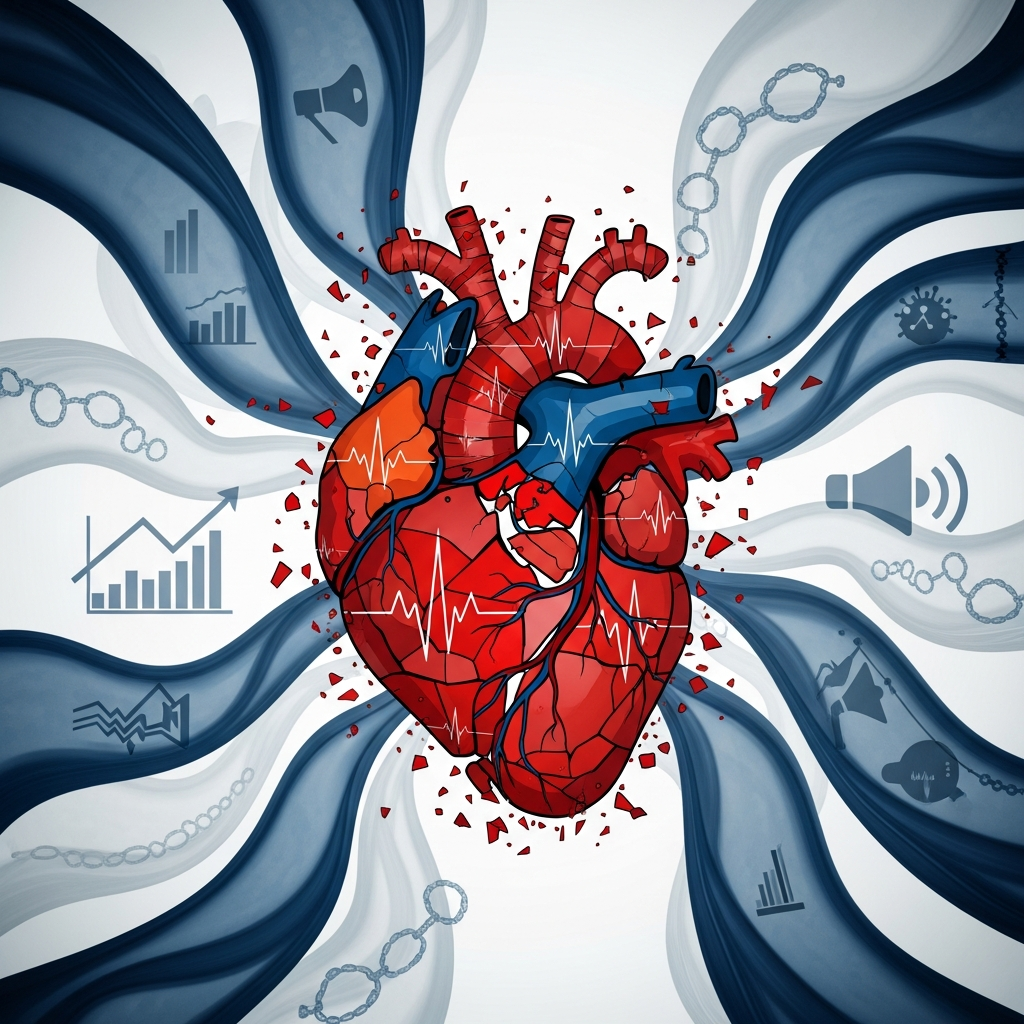
Heart disease remains the leading killer of women, yet a startling lack of public awareness persists regarding its prevalence and deadliness. This critical disconnect jeopardizes countless lives, as women often delay seeking care or misinterpret vital symptoms. Experts like Dr. Mary Cushman, a distinguished professor and cardiologist at the University of Vermont, have recently highlighted this urgent public health crisis in a significant Yahoo Health article published on March 5, 2026, underscoring the pressing need for a renewed focus on women’s cardiovascular health. Understanding the unique risks and symptoms women face is crucial for early detection and prevention.
The Silent Epidemic: Heart Disease’s Grip on Women
Despite advancements in medical science, heart disease continues to claim more women’s lives than all cancers combined. This alarming reality is often obscured by common misconceptions, leading many women to underestimate their personal risk. For decades, heart disease has been the number one cause of death for women, yet this fact remains largely unrecognized by the public. The situation, rather than improving, appears to be worsening, according to recent expert observations.
Challenging Common Misconceptions
A revealing 2020 American Heart Association (AHA) survey underscored this critical awareness gap. The study found a disturbing trend: a growing number of women mistakenly believed breast cancer, not heart disease, was the leading cause of death among females. Compounding this misinformation, the survey also indicated a decline in general knowledge about the crucial symptoms of a serious cardiac event. This regression in public understanding is particularly perplexing given the long-standing scientific knowledge about women’s unique cardiovascular risks and symptom presentations.
The implications of these misconceptions are profound. When women are unaware of the true threat, they are less likely to adopt preventive measures, recognize early warning signs, or seek immediate medical attention during a heart attack. This delay can lead to more severe outcomes and increased mortality rates. Addressing these ingrained beliefs is essential to empowering women to take proactive control of their heart health.
Decoding Unique Heart Attack Symptoms in Women
One of the most significant challenges in combating women’s heart disease is the often-atypical way symptoms manifest compared to men. While the classic “Hollywood heart attack” portrays crushing chest pain, women frequently experience more subtle and varied signals. These less obvious signs can lead to delayed diagnosis and treatment, which are vital for survival and recovery. Recognizing these unique manifestations is a critical step towards better outcomes.
Beyond Chest Pain: What Women Experience
Women might experience a range of symptoms beyond typical chest pain, or their chest pain might feel different. Common signs can include:
Unusual fatigue: Extreme tiredness that comes on suddenly and lasts for days.
Shortness of breath: Difficulty breathing, sometimes even without exertion.
Pain in other areas: Discomfort in the jaw, neck, back, arms (especially the left arm), or stomach.
Nausea or vomiting: Often dismissed as digestive issues or flu.
Lightheadedness or dizziness: Feeling faint or unsteady.
Sweating: Breaking out in a cold sweat.
It’s crucial for women to pay attention to these less-common signals, especially if they appear suddenly or accompany other symptoms. Early recognition and immediate medical attention are paramount in improving survival rates and reducing long-term heart damage.
Why Does This Knowledge Gap Persist?
The enduring lack of awareness about women’s heart disease continues to baffle medical professionals. Dr. Cushman, who co-authored the impactful 2020 AHA study, expressed her frustration at this persistent problem. Scientists have understood women’s unique cardiac risks for many years, yet public understanding lags significantly behind. This suggests a systemic issue, perhaps rooted in how health information is disseminated and absorbed by the general public.
The Youth Disconnect: A Future Concern
Dr. Cushman recently shared an anecdotal account of engaging students on her campus about heart disease. Her interactions revealed a striking lack of deep understanding among younger demographics regarding these critical health topics. “I just feel like younger people aren’t thinking deeply about these topics,” she commented, noting their apparent unawareness. This observation highlights a generational knowledge gap that could exacerbate the public health problem in the future if not addressed.
Furthermore, Dr. Cushman questioned the efficacy and reach of existing public health campaigns, such as the widely recognized “Go Red for Women” initiative. She pondered whether these programs are truly reaching their intended audiences or if their presence is felt in the right places to make a substantial impact. The challenge lies not just in creating awareness campaigns, but in ensuring they resonate and educate diverse demographics effectively. The Vermont Center for Cardiovascular and Brain Health, where Dr. Cushman serves as co-director, is actively working to bridge these critical gaps in understanding.
Experts on the Front Lines: Dr. Mary Cushman’s Call to Action
Dr. Mary Cushman, M.D.’89, M.Sc., holds esteemed positions as a University Distinguished Professor of Medicine and Pathology & Laboratory Medicine, and co-director of the Vermont Center for Cardiovascular and Brain Health. As a cardiologist at the University of Vermont, her insights carry significant weight, particularly concerning women’s heart health. Her proactive engagement, from co-authoring pivotal studies to directly interacting with students, demonstrates a profound commitment to elevating public awareness.
Dr. Cushman’s efforts underscore the critical role of medical experts in translating complex scientific understanding into accessible public health messages. Her perplexity regarding the persistent lack of awareness, despite years of scientific advancement, serves as a powerful call to action for the medical community, policymakers, and public health organizations. It’s a clear indication that current strategies require re-evaluation and reinforcement to effectively reach and educate the population, especially younger individuals and women at risk.
Empowering Women: Practical Steps for Heart Health
Taking proactive steps is crucial for protecting against heart disease. Empowering women with knowledge and actionable strategies can significantly reduce risk and improve outcomes. It’s about more than just recognizing symptoms; it’s about fostering a lifelong commitment to cardiovascular wellness.
Advocate for Your Heart
Every woman needs to become her own strongest advocate. This involves several key practices:
Know Your Family History: Understand if heart disease runs in your family, as genetics can play a role.
Regular Check-ups: Schedule annual physicals and discuss your heart health with your doctor. Monitor blood pressure, cholesterol, and blood sugar levels regularly.
Understand Your Risks: Discuss specific risk factors with your healthcare provider, such as high blood pressure, high cholesterol, diabetes, obesity, smoking, and stress.
Adopt a Heart-Healthy Lifestyle: Prioritize regular physical activity, a balanced diet rich in fruits, vegetables, and whole grains, and limit processed foods, unhealthy fats, and excessive sugar.
Manage Stress: Find healthy coping mechanisms for stress, as chronic stress can negatively impact heart health.
Recognize Symptoms and Act Fast: Learn the unique signs of a heart attack in women and do not hesitate to call emergency services immediately if you suspect one. Even subtle symptoms warrant urgent medical attention.
By integrating these practices into daily life, women can significantly reduce their risk and contribute to a more informed and proactive approach to heart health. It is not enough to simply exist; women must thrive by protecting their most vital organ.
Frequently Asked Questions
Why is there still a lack of awareness about heart disease being the leading killer of women?
Despite significant scientific understanding of how heart disease uniquely affects women, public awareness remains stubbornly low. Experts like Dr. Mary Cushman point to several factors, including historical misconceptions (such as prioritizing breast cancer awareness), the often-atypical symptoms women experience, and potentially inadequate reach or messaging of existing public health campaigns like “Go Red for Women.” A 2020 American Heart Association survey even revealed a decline in knowledge among women about both the primary cause of death and specific cardiac symptoms.
Where can women find reliable information and support for heart health, like those mentioned by Dr. Cushman?
Women seeking reliable information and support for heart health can turn to reputable organizations such as the American Heart Association (AHA). Dr. Cushman, who is affiliated with the University of Vermont and the Vermont Center for Cardiovascular and Brain Health, co-authored a key AHA study. While programs like “Go Red for Women” are widely known, Dr. Cushman questions their current effectiveness in reaching all demographics. It’s advisable to consult with your personal healthcare provider and utilize resources from established medical institutions for personalized advice and the most current guidelines.
What are the key steps women should take to better protect themselves against heart disease?
To protect themselves against heart disease, women should proactively engage in several key steps. These include understanding their personal risk factors and family history, maintaining a heart-healthy lifestyle through balanced nutrition and regular physical activity, and effectively managing stress. Crucially, women must also familiarize themselves with the often-subtle symptoms of a heart attack specific to females, such as unusual fatigue or jaw pain, and seek immediate medical attention if these occur. Regular doctor visits to monitor blood pressure, cholesterol, and blood sugar are also essential.
Conclusion: A Collective Call to Awareness
The persistent lack of awareness regarding heart disease as the number one killer of women is a critical public health challenge that demands immediate and sustained attention. The insights from experts like Dr. Mary Cushman underscore that while scientific understanding has progressed, the message is still not reaching the women who need it most. This isn’t just a medical problem; it’s a societal one that requires collective action.
Empowering women means providing them with accurate information, helping them recognize their unique symptoms, and encouraging them to advocate for their own heart health. Campaigns must evolve to effectively reach younger generations and diverse communities. By prioritizing education, fostering proactive health habits, and ensuring that every woman understands her risk, we can collectively work towards a future where heart disease no longer remains a silent, deadly threat. It’s time to bridge the awareness gap and save lives.