Understanding the world requires a look beyond singular narratives. From local economic surges driven by cultural phenomena to critical debates on media regulation and shifting geopolitical landscapes, today’s top headlines paint a complex picture. This comprehensive overview offers unique global insights and diverse perspectives, helping you navigate the crucial events shaping our communities and international relations right now. Discover the latest updates impacting everything from urban living to national security, ensuring you stay well-informed and engaged.
The Power of Pop Culture: South Florida’s “Benito Bowl” Economic Boost
The influence of pop culture on local economies is often underestimated. In South Florida, Puerto Rican restaurants recently experienced a significant economic boost, affectionately termed the “Benito Bowl” effect. This surge followed superstar Bad Bunny (Benito) headlining the Super Bowl halftime show. Despite the performance occurring thousands of miles away, its debut on national television created a powerful ripple effect for businesses.
Local eateries, like El Rinconocito in Hialeah, saw their popularity soar. Owners reported thriving business, attracting both loyal customers and newcomers keen to explore Puerto Rican cuisine. This cultural moment fostered immense pride among the Puerto Rican community. Food, such as alcapurria, pasteles, and carne frita, acted as a powerful cultural ambassador. It highlighted how major events, even distant ones, can spark local economic growth and foster shared cultural discovery through food.
Media & Free Speech Under Scrutiny: The FCC Investigates The View
The landscape of media regulation and free speech in the United States faces significant challenges. Recent reports indicate the Federal Communications Commission (FCC), under the Trump administration, initiated an investigation into ABC’s daytime talk show, The View. This action followed the show’s interview with Texas Democratic Senate candidate James Talarico. Critics swiftly labeled the probe as “government intimidation.”
FCC Democrat Anna Gomez characterized the investigation as an attempt to weaponize regulatory authority. She suggested its primary goal was to suppress free speech and chill perceived critics. The core of the issue revolves around the FCC’s “equal-time rule,” which mandates broadcasters offer comparable airtime to opposing political candidates. Historically, “bona fide news programs” enjoyed an exemption from this rule. However, the current FCC leadership is questioning whether entertainment talk shows still qualify. This controversial stance departs from decades of established precedent. Experts warn this could have a chilling effect on broadcasters, potentially leading to self-censorship regardless of legal outcomes.
Germany at a Crossroads: Geopolitics, Economy, and Security
Germany is navigating a complex web of international relations, domestic policy challenges, and evolving security threats. Recent headlines from the nation underscore its crucial position in Europe and the world.
Geopolitical Strains: Trump, NATO, and European Trade
A nationwide poll revealed a majority of Germans (61%) view former US President Donald Trump as a “threat to the country.” This sentiment stems from Trump’s aggressive stance on trade and his critical remarks about NATO. German Defense Minister Boris Pistorius strongly defended Germany’s commitment to NATO, citing its significant sacrifices in Afghanistan. Meanwhile, a setback for European trade occurred with the EU Parliament’s decision to review the EU-Mercosur free-trade agreement. German Foreign Minister Johann Wadephul called this a “serious political mistake,” warning of damaged trust in future trade negotiations.
Domestic Policy Debates and Economic Shifts
Domestically, Germany faces debates over economic policy and social structures. The Christian Democratic Union (CDU) proposed restricting the right to part-time work, aiming to boost the economy amidst a skilled worker shortage. However, this proposal faces strong opposition, with critics warning of “great damage.” Public opinion in Baden-Württemberg also showed 50% of voters favoring cooperation with the far-right Alternative for Germany (AfD), challenging traditional political “firewalls.” In the financial sector, Deutsche Bank plans to close approximately 100 branches, pushing customers toward online services and AI assistants. This shift highlights a broader trend of technological integration in banking.
Cybersecurity and Public Safety Initiatives
Germany is also ramping up its national security posture. Federal Interior Minister Alexander Dobrindt announced a “much more aggressive” cybersecurity strategy, vowing to “strike back” against attackers. This comes as the Bundesbank’s IT systems face billions of attacks annually. On the public safety front, police shootings in 2025 remained high, intensifying calls for Tasers as a non-lethal alternative for officers. Furthermore, an anti-terrorism operation led to the arrest of a suspected Hamas member at Berlin’s BER Airport, accused of procuring ammunition for potential attacks. Infrastructure is also evolving, with Germany’s EU-wide eCall system for vehicles upgrading to 4G connectivity. This promises faster emergency response times and could significantly reduce traffic fatalities.
Navigating Urban Challenges: New York City and Boston’s Evolving Landscapes
Urban centers like New York City and Boston constantly grapple with growth, infrastructure, and quality of life issues. Their recent headlines reflect ongoing efforts and significant public concerns.
NYC’s Congestion Pricing and Urban Mobility Debates
In New York City, the contentious congestion pricing plan faces further delays due to an ongoing lawsuit initiated by the Trump administration. A federal judge’s ruling is now expected in January. Beyond this legal battle, the city continues to confront traffic fatalities, with recent incidents involving pedestrians and scooter riders. These events highlight persistent dangers posed by vehicle traffic. Transit system updates include the phasing out of the MetroCard in favor of OMNY, alongside public dissatisfaction with certain train services. Political commentary also focuses on Mayor Adams’s administration and the NYPD’s increased use of force, painting a picture of a city in flux.
Boston’s Aspirations: Housing, Transit, and Community Building
Residents in Greater Boston expressed clear aspirations for 2026, primarily centered on improving their daily lives. Housing affordability remains a top concern. Many hope for effective city council proposals and simply “cheaper housing,” as high rents force residents out of state. Public transportation is another critical area. Bostonians wish for fewer MBTA train closures, smoother operations, and more frequent service on lines like the Blue Line. Beyond essential services, desires extend to enhancing community life. Calls for more bike lanes, community events, vibrant nightlife, and increased green spaces reflect a strong desire for a more connected and livable urban environment.
Connecting the Dots: Broader Implications of Today’s Headlines
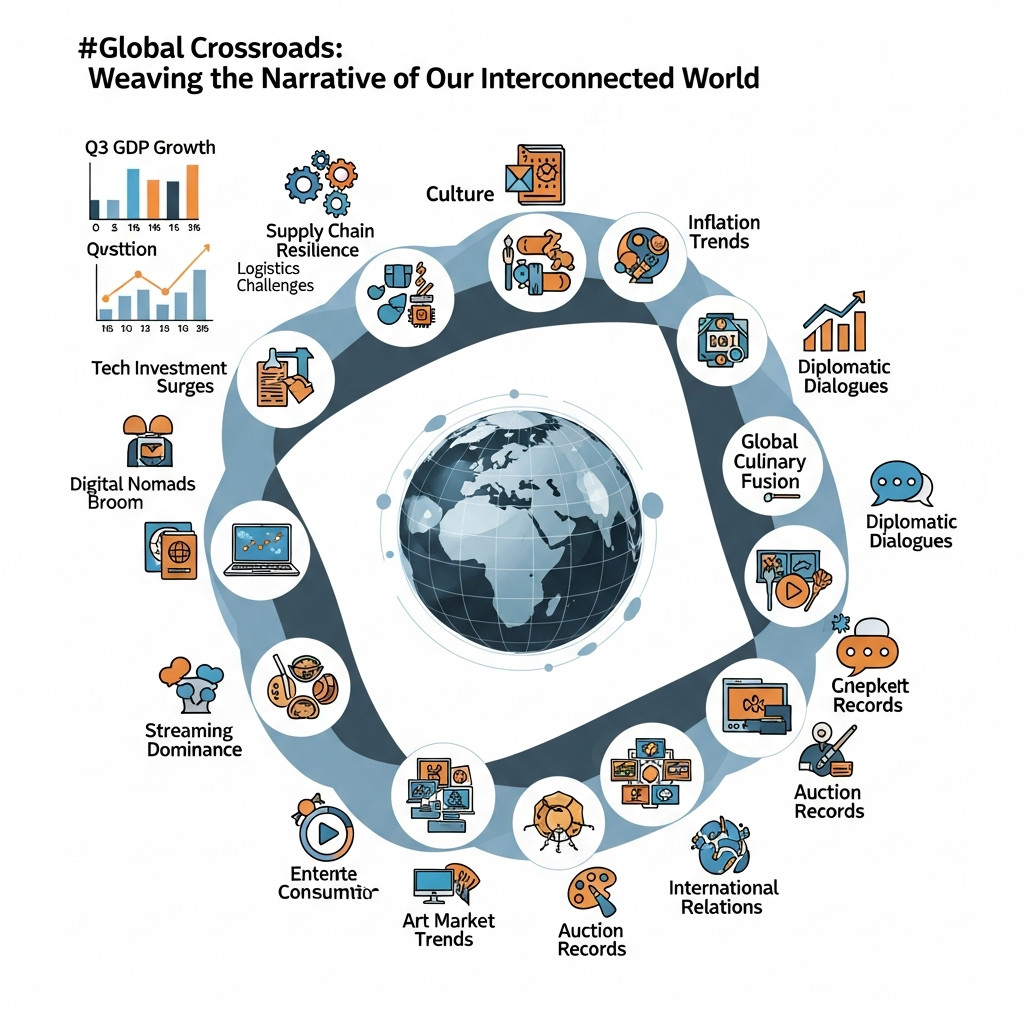
These diverse global perspectives and current news items reveal several overarching themes. We see the profound cultural impact on local economies, demonstrating how shared experiences can drive tangible benefits. The debates around media regulation in the US underscore critical questions about free speech, government oversight, and the definition of news in the digital age. Globally, Germany’s strategic responses to geopolitical tensions, economic policy shifts, and evolving security threats reflect the complexities faced by major nations. Finally, the urban challenges in New York City and Boston highlight universal struggles with infrastructure, affordability, and the continuous quest for improved quality of life. Understanding these interconnected narratives offers valuable insights into the forces shaping our world.
Frequently Asked Questions
What are the primary concerns regarding media regulation and free speech in the US?
The main concerns center on potential government intimidation of news organizations and the erosion of free speech protections. Specifically, the FCC’s reported investigation into The View and its reinterpretation of the “equal-time rule” and “bona fide news exemption” for talk shows have raised alarms. Critics argue this could lead to a chilling effect, where media outlets might self-censor to avoid regulatory scrutiny, thereby limiting diverse political discourse and independent reporting.
Which local economies are experiencing significant boosts from cultural events?
South Florida’s Puerto Rican restaurants recently saw a substantial economic uplift, dubbed the “Benito Bowl” effect. This was directly linked to multi-Grammy-winning superstar Bad Bunny headlining the Super Bowl halftime show. Despite the event’s physical distance, the cultural pride and widespread celebration of his performance drove increased demand for Puerto Rican cuisine, leading to booming business for local eateries in areas like Hialeah.
How are major European nations like Germany adapting to evolving geopolitical and domestic challenges?
Germany is adapting through a multi-faceted approach. Geopolitically, it is responding to US trade threats and critical remarks about NATO by reaffirming its alliance commitments while calling for a tougher stance against aggressive policies. Domestically, it is debating economic reforms like restricting part-time work, addressing the rise of far-right political parties, and modernizing its banking sector with AI. Security-wise, Germany is enhancing cybersecurity defenses, re-evaluating police equipment, and proactively combating terrorism.