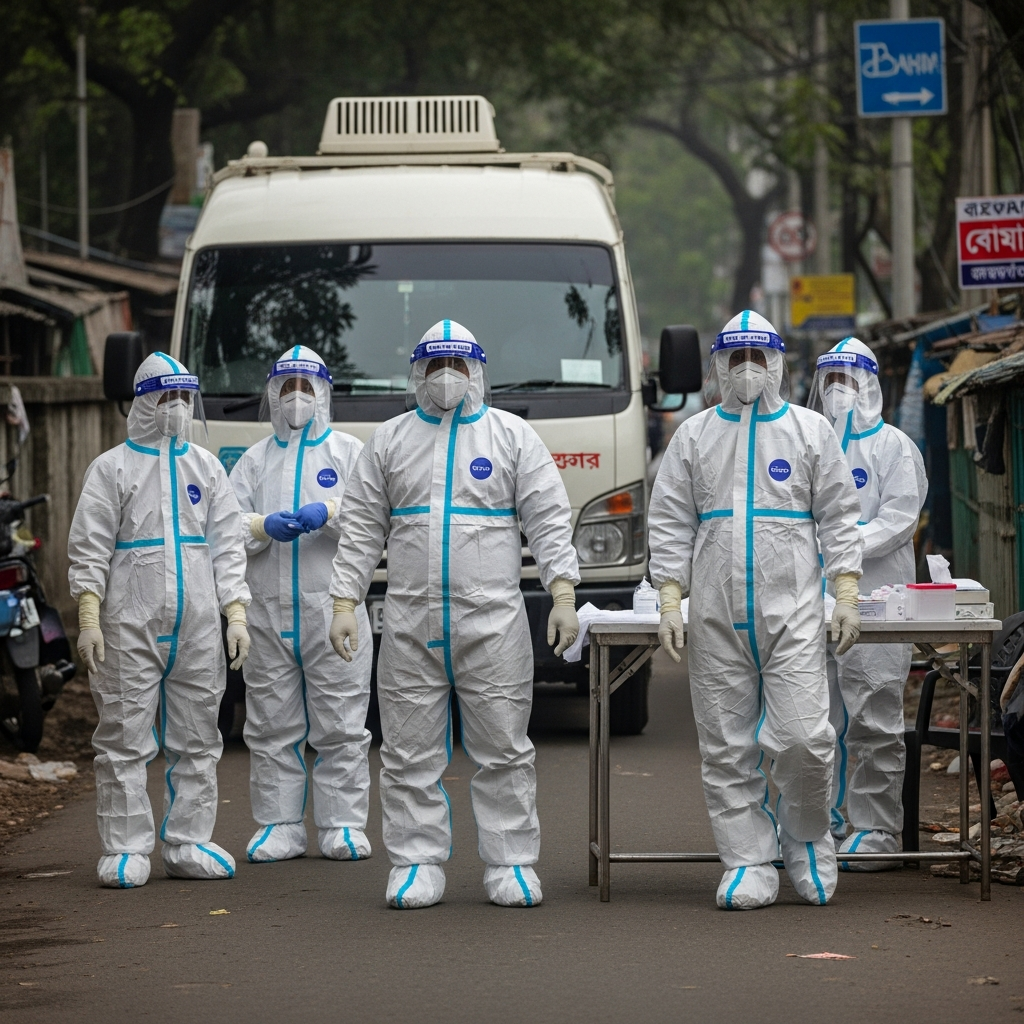
The world is once again turning its attention to a formidable health challenge: the Nipah virus. A recent outbreak in West Bengal, India, has prompted a swift international response and reignited global conversations about this highly dangerous pathogen. While experts largely agree the current situation is unlikely to escalate into a widespread global emergency, understanding the Nipah virus is crucial for public health preparedness and personal safety. This guide provides essential insights into what Nipah virus is, how it spreads, its severe symptoms, and the ongoing efforts to combat it.
Nipah Virus: A Resurfacing Threat and Global Vigilance
A recent cluster of Nipah virus cases in West Bengal, India, has triggered heightened health screenings across Southeast Asian airports. Countries like Thailand, Nepal, and Taiwan have quickly implemented precautionary measures, including enhanced surveillance for passengers arriving from the affected Indian state. This rapid international response highlights the serious nature of Nipah virus, a zoonotic disease with a high fatality rate and no known cure.
The Indian Health Ministry confirmed two initial cases, involving two young nurses who tragically contracted the virus after treating a patient suspected of being the index case. These confirmed infections mark the first reported instances in West Bengal since 2007, prompting comprehensive public health measures. Indian authorities report that nearly 200 close contacts were monitored and tested, with no further outbreaks detected. Despite these assurances, the emergence of even a few cases after a long gap underscores the ongoing threat posed by Nipah virus in the region.
Understanding Nipah: Origin, Transmission, and Reservoirs
Nipah virus is classified as a zoonotic disease, meaning it primarily lives in animals but can transmit to humans. It first emerged dramatically in 1999 during an outbreak among pig farmers in Malaysia and Singapore, claiming over 100 lives. Since then, the virus has caused nearly annual outbreaks across South and Southeast Asia, particularly in Bangladesh and India.
The primary natural reservoir for the Nipah virus is fruit bats, specifically those from the Pteropus genus, often called “flying foxes.” These bats can carry the virus without showing any symptoms, silently spreading it through their saliva, urine, and droppings.
Human infection can occur through several pathways:
Direct or Indirect Contact with Infected Animals: Primarily fruit bats or pigs, or exposure to their contaminated tissues or secretions.
Contaminated Food: Consuming food products, like raw date palm sap or fruits, that have been contaminated by infected bats. Outbreaks in Bangladesh have frequently been linked to the harvesting of date palm juice, where fruit bats roost in the palm trees and contaminate the sap.
Person-to-Person Spread: Once the virus spreads to humans, it can transmit between people through close contact or exposure to an infected person’s bodily fluids. This risk is particularly pronounced in healthcare settings if proper infection control measures are not rigorously followed.
The Alarming Symptoms and Devastating Impact of Nipah Infection
The incubation period for Nipah virus typically ranges from four to 14 days, though some cases have shown symptoms emerging as late as 45 days post-exposure. The initial symptoms are often non-specific, making early diagnosis challenging as they resemble common illnesses. These can include:
High fever
Headache and muscle pain
Cough and sore throat
Vomiting and nausea
Difficulty breathing, sometimes leading to pneumonia
As the infection progresses, Nipah virus can rapidly lead to severe neurological complications. Patients may experience disorientation, dizziness, and drowsiness. A critical symptom is encephalitis, or brain inflammation, which can cause seizures and, in severe cases, lead to a coma within 24 to 48 hours.
The fatality rate for Nipah virus is exceptionally high, ranging from 40% to 75%, significantly deadlier than many other viral infections. Even survivors of acute encephalitis can face long-term health consequences. Approximately 20% may experience persistent neurological issues, including seizure disorders, personality changes, and cognitive impairments. Some individuals may even suffer relapses or develop delayed-onset encephalitis months or years after initial recovery. The possibility of asymptomatic cases further complicates detection and containment efforts.
Challenging the Spread: Containment and Prevention Strategies
Given the severe nature of the Nipah virus, controlling its spread relies heavily on robust public health measures and community awareness. In the face of the recent West Bengal outbreak, Indian health authorities swiftly initiated “enhanced surveillance, laboratory testing, and field investigations” to ensure timely containment.
Preventing infection primarily involves minimizing exposure to the virus’s known reservoirs and transmission pathways:
Avoid Contact with Bats and Sick Animals: Especially pigs in endemic areas. Farmers in vulnerable regions are advised to consider bat proximity when establishing new pig farms.
Safe Food Practices: Do not consume raw date palm sap unless it has been boiled. Thoroughly wash all fruits before consumption, especially those that may have been contaminated by bat droppings or saliva.
Hygiene: Practice good hand hygiene, particularly after contact with animals or visiting areas where bats are prevalent.
Healthcare Precautions: Healthcare workers must adhere strictly to standard infection control protocols, including wearing appropriate personal protective equipment (PPE), when caring for suspected or confirmed Nipah virus patients to prevent person-to-person spread.
Beyond immediate containment, experts highlight the broader implications of Nipah outbreaks. The increasing contact between fruit bats and human populations, some suggest, may be linked to habitat destruction and climate change. As bat habitats are disrupted, these natural virus hosts may be forced to seek proximity to human settlements, increasing the risk of zoonotic spillover events. This connection serves as a stark reminder of the intricate link between environmental health and human well-being.
The Search for a Cure: Treatment and Vaccine Development
Currently, there are no licensed treatments or vaccines specifically approved for Nipah virus in humans. Medical management is limited to supportive care, focusing on alleviating symptoms and managing complications. This involves rest, intravenous fluids, and close monitoring in a high-quality, resource-intensive healthcare setting.
Despite the lack of current solutions, research and development are actively underway:
Monoclonal Antibodies: Promising monoclonal antibody treatments, which mimic the body’s natural immune response, have completed Phase I clinical trials and are being used on a compassionate basis in some instances.
Antiviral Medications: Researchers are exploring the efficacy of existing antiviral drugs, such as remdesivir (used for COVID-19), which has shown positive results in nonhuman primates infected with Nipah virus.
- Vaccine Development: The World Health Organization (WHO) identified Nipah as a priority pathogen in 2018, underscoring the urgent need for accelerated research. Scientists at Oxford University, leveraging technology similar to their COVID-19 vaccine, launched the world’s first Phase II clinical trial for a Nipah vaccine in Bangladesh in December 2025. This collaborative effort, funded by the Coalition for Epidemic Preparedness Innovations (CEPI), involved 306 healthy participants.
- abcnews.go.com
- www.theguardian.com
- globalnews.ca
- www.straitstimes.com
- www.greenmatters.com
While these advancements offer hope, global awareness of Nipah virus remains low, despite its recurring outbreaks and high mortality rate. The ongoing research and development efforts are critical in building defenses against this potent and persistent global health threat, which has even inspired fictional portrayals like the movie “Contagion.”
Frequently Asked Questions
How deadly is the Nipah virus, and why is it so concerning?
The Nipah virus is exceptionally deadly, with a fatality rate typically ranging from 40% to 75% of infected individuals, depending on the healthcare resources available. This high mortality rate, coupled with the absence of a specific vaccine or antiviral treatment, makes it a significant public health concern. The virus can also cause severe neurological complications like brain inflammation (encephalitis) and long-term disabilities in survivors, further highlighting its devastating impact. Its zoonotic nature and ability to transmit from animals to humans, and then sometimes human-to-human, adds to its epidemic potential.
Where have Nipah virus outbreaks historically occurred, and what makes some regions vulnerable?
Nipah virus was first identified in Malaysia in 1999 and has since caused outbreaks primarily in South and Southeast Asia, with recurrent cases in Bangladesh and India, particularly in states like Kerala and West Bengal. Other affected countries include Singapore, the Philippines, and Thailand. These regions are vulnerable due to the presence of fruit bats, the virus’s natural reservoir, and cultural practices like harvesting raw date palm sap, which can be contaminated by bat excretions. The close proximity of human settlements to bat habitats or pig farms in these areas also increases the risk of zoonotic spillover.
What are the most effective preventive measures individuals can take against Nipah virus infection?
Individuals can significantly reduce their risk of Nipah virus infection by practicing key preventive measures. First, avoid contact with fruit bats and sick pigs, and do not consume raw date palm sap or fruit that may have been contaminated by bat secretions. Always thoroughly wash fruits before eating them. Second, maintain excellent personal hygiene, especially handwashing, particularly if you live in or visit an endemic region. Third, if caring for someone suspected of having Nipah, ensure strict adherence to infection control guidelines, including wearing protective gear, to prevent person-to-person transmission.
The Nipah virus remains a serious and persistent global health challenge. While the current situation in India is under close monitoring and containment, continuous vigilance, public education, and sustained research efforts are paramount. Staying informed through reliable health advisories and understanding the risks associated with this deadly pathogen are crucial steps in safeguarding public health and preventing future outbreaks.