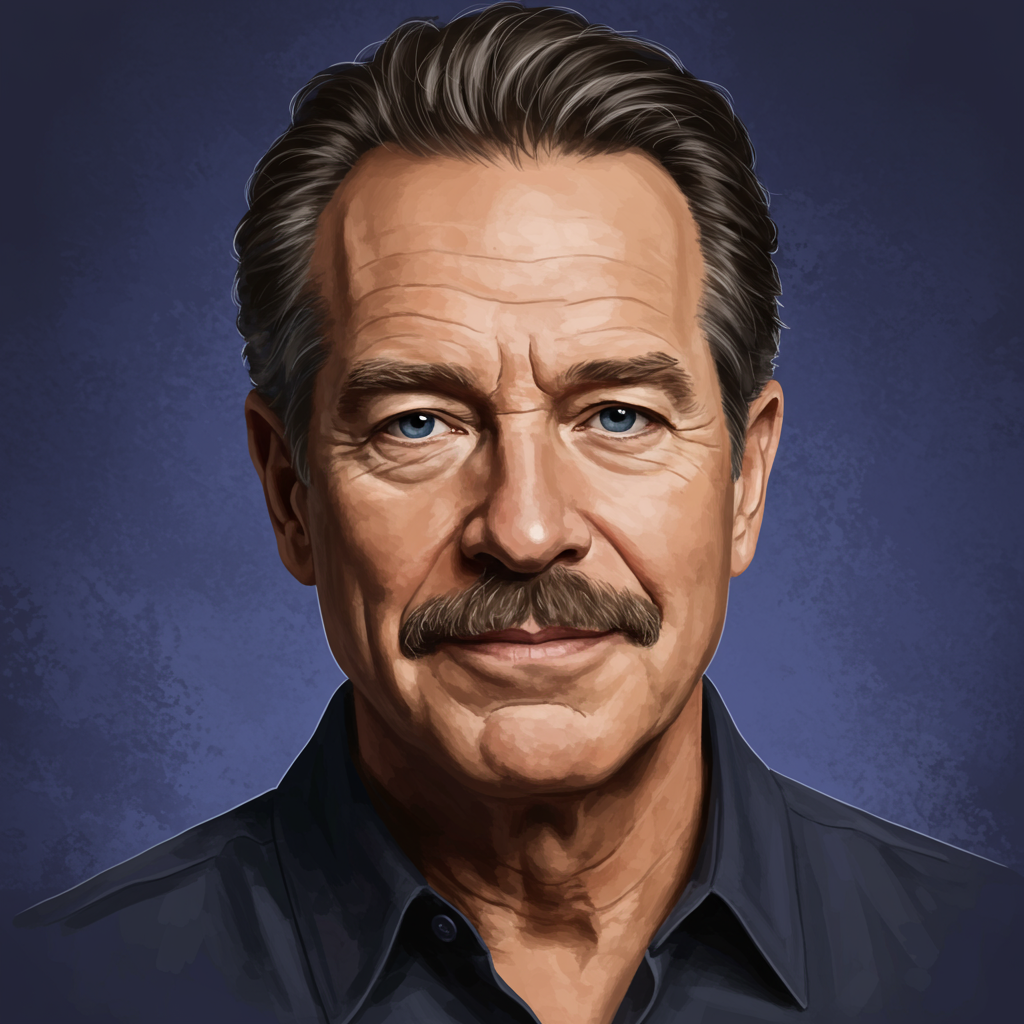
The life of a child star often promises glitz and glamour, but for many, the reality after the spotlight fades can be starkly different. This is the challenging narrative unfolding for Tylor Chase, known to fans as Martin Qwerly from Nickelodeon’s beloved “Ned’s Declassified School Survival Guide.” Recent viral videos and widespread reports have brought his current struggle with homelessness in California to public attention, sparking a compassionate outpouring of support from former co-stars, fellow actors, and local authorities. His story highlights the complex issues of addiction, mental health, and the difficult transition many child actors face away from fame.
The Public Struggle of Tylor Chase
Tylor Chase, now 36, has recently been the subject of several concerning videos circulating online. These clips show the former Nickelodeon actor in a visibly disheveled state, living on the streets of Riverside, California. The footage quickly went viral, igniting a wave of public concern and drawing attention to his difficult circumstances. While his public struggles are recent news, Chase’s journey since his Nickelodeon days has been a winding path marked by personal challenges and creative pursuits.
Viral Videos and Public Awareness
The initial resurfaced clip, reportedly from September, showed Chase experiencing homelessness, prompting an immediate emotional response from those who remembered him from his acting career. These videos have been instrumental in raising awareness about his situation. Despite the distressing nature of the footage, police interacting with Chase noted he expressed no concern when informed about the videos. This calm demeanor, amidst what appears to be a profound personal crisis, adds a layer of complexity to his public image.
A Life After Nickelodeon: From Fame to Streets
Tylor Chase found fame early, at just 15, appearing in all three seasons of “Ned’s Declassified” from 2004 to 2007. His role as the quirky Martin Qwerly made him a recognizable face to a generation of young viewers. However, after the show concluded, his acting career saw only a few minor roles before he largely stepped away from the industry. This transition from child star to private citizen is a common, yet often difficult, path for many who experience early fame.
Early Career and Post-Show Transition
Following his acting stint, Chase moved to Georgia, seeking a quieter life with his father and attempting a creative reinvention. This period marked the beginning of his exploration into other artistic outlets. His decision to leave the entertainment industry, while understandable, often comes with its own set of challenges, including navigating identity beyond a public persona.
Creative Pursuits and Personal Battles
Around 2014, Chase began sharing poetry videos on YouTube, offering a window into what he described as a “darker inner world.” A particularly poignant poem, “Bipolar,” revealed feelings of fragility and hopelessness, with lines that painted a picture of inevitable doom. After leaving Georgia, he settled in Riverside, California, near his mother. Here, he continued his artistic endeavors, self-publishing two fantasy novels in 2020 under the pen name Shrine Tylor. These novels reportedly explored themes of escape and the search for meaning. Despite these creative outlets, his life began to unravel, leading to his current state of homelessness. Court records indicate multiple criminal cases since August 2023, primarily for alleged shoplifting and being under the influence of a controlled substance.
The Outpouring of Support: Co-Stars, Fellow Actors & Police
The public revelations about Tylor Chase’s homelessness have spurred a remarkable wave of support, demonstrating the enduring bonds within the entertainment community and the dedicated efforts of local outreach programs. These efforts represent a multi-faceted approach to assisting someone struggling with complex personal issues.
Daniel Curtis Lee’s Emotional Reunion
One of the most heartwarming responses came from Daniel Curtis Lee, who played Simon “Cookie” Nelson-Cook on “Ned’s Declassified.” Upon seeing the viral footage, Lee embarked on a mission to find his former co-star. He successfully located Chase on the streets of Los Angeles, leading to an emotional reunion that Lee documented on Instagram. Their video showed Lee embracing Chase, sharing a meal, and even FaceTiming with another “Ned’s Declassified” alum, Devon Werkheiser. Crucially, Lee secured a hotel room for Chase, offering immediate shelter from the elements. Lee’s actions underscored a commitment to long-term support, discussing rehabilitation and even helping Chase reconnect with his father.
Shaun Weiss’s Personal Offer
Adding another layer of support, Shaun Weiss, known for his role in “The Mighty Ducks” and his own well-documented recovery journey from addiction, stepped forward. Weiss, who has become an advocate for sobriety, publicly offered Chase a bed at a detox facility and a spot for long-term treatment in San Clemente, California. Emphasizing that “recovery is possible,” Weiss’s offer brings invaluable lived experience and direct access to resources. The immediate challenge, however, remains locating Chase to connect him with these vital services.
Police Outreach Efforts
Local authorities in Riverside have also been actively involved in trying to assist Chase. Ryan Railsback, Public Information Officer for the Riverside Police Department (RPD), confirmed that officers frequently interact with Chase, sometimes as often as once a week. The RPD operates a specialized outreach division specifically designed to engage with unhoused individuals. This division provides comprehensive services, including mental health support, drug and alcohol treatment, and temporary shelter. Despite these consistent efforts, police report that Chase has repeatedly declined all offers of assistance, maintaining a cooperative and cordial demeanor during their interactions. The RPD acknowledges that accepting help is ultimately Chase’s personal decision.
Family’s Perspective
Tylor Chase’s mother, Paula Moisio, has publicly addressed her son’s situation, offering a crucial family perspective. She has firmly advised against public fundraising for Chase, going so far as to request the removal of a GoFundMe campaign that had raised over $1,200. Moisio believes that Chase needs “medical attention not money,” explaining that he frequently loses phones and cannot manage money effectively for his medications. This highlights the complex challenge of providing effective support when an individual may not be receptive or capable of managing resources independently.
Challenges to Recovery: Why Help is Refused
The repeated refusal of assistance by Tylor Chase, despite numerous compassionate offers, underscores the complex challenges inherent in addiction and mental health struggles, particularly when an individual is experiencing homelessness. This resistance makes the path to recovery profoundly difficult for both the individual and those trying to help.
Addiction and Mental Health Hurdles
Reports indicate that Chase has faced charges related to being under the influence of controlled substances. While he denies any diagnosed mental health conditions, his poetry and his mother’s comments about needing “medical attention” suggest underlying issues. Experts often note that addiction and mental health are intertwined, creating a formidable barrier to accepting help. Individuals may not recognize the severity of their situation, or they may fear the unknown of treatment more than their current circumstances. This resistance often requires immense patience, understanding, and persistent, non-coercive support.
Navigating Support and Personal Autonomy
The situation with Tylor Chase also brings to light the delicate balance between offering help and respecting an individual’s autonomy. While friends, family, and authorities are eager to provide assistance, ultimately, the decision to accept treatment or housing rests with Chase himself. This reality can be heartbreaking for those extending a hand, but it is a fundamental principle in adult services, especially concerning mental health and substance abuse. The hope is that continued, consistent offers of support, coupled with the renewed public attention, might eventually lead him to accept the path to recovery.
Broader Context: The Pressures on Child Stars
Tylor Chase’s story is a poignant reminder of the intense and often unique pressures faced by child actors. While many successfully navigate the transition to adult life, others encounter significant hurdles, from managing public identity to dealing with the financial and emotional aftermath of early fame. His journey resonates with the experiences of many who stepped into the unforgiving spotlight at a young age.
The Child Star Phenomenon
The journey from childhood fame to adult life is fraught with unique psychological and practical challenges. Child stars are often thrust into an adult world with immense responsibilities and public scrutiny, often without the necessary coping mechanisms or support systems. The abrupt end of a successful show can leave them feeling lost, struggling to redefine their identity outside of their famous role. This phenomenon can contribute to mental health issues, substance abuse, and difficulty maintaining stable personal and professional lives.
Lessons from Other Child Actors
The experiences of other child stars offer a spectrum of outcomes. While some, like Natalie Portman or Joseph Gordon-Levitt, successfully pivot to acclaimed adult careers, others face significant struggles. Jodie Sweetin (Full House) openly battled addiction and achieved sobriety. Shaun Weiss, who is now offering help to Chase, serves as a powerful example of recovery. The Olsen twins (Mary-Kate and Ashley) famously built a fashion empire, stepping away from acting. These varied paths highlight that there is no single trajectory for child stars; each individual’s journey is shaped by their unique circumstances, resilience, and support network. Tylor Chase’s situation underscores the importance of continued empathy and understanding for those who began their lives in the public eye.
Frequently Asked Questions
What is the current situation regarding Tylor Chase’s homelessness?
Former Nickelodeon actor Tylor Chase, known for “Ned’s Declassified School Survival Guide,” is currently experiencing homelessness in Riverside, California. Recent viral videos brought his situation to public attention. While he appears cordial with police and has been offered shelter, mental health support, and substance treatment by both authorities and fellow actors, he has consistently declined these offers. His mother stated he needs medical attention, not money.
Who among Tylor Chase’s former co-stars and peers has offered him assistance?
Several individuals from the entertainment industry have stepped forward to help Tylor Chase. Daniel Curtis Lee, his co-star from “Ned’s Declassified,” located Chase, provided him with a meal, checked him into a hotel, and facilitated a reconnection with his father. Devon Werkheiser, another “Ned’s” alum, expressed heartbreak and hope for his recovery. Additionally, Shaun Weiss, known from “The Mighty Ducks” and a public recovery advocate, secured a bed for Chase at a detox facility and arranged for long-term treatment.
Why is Tylor Chase’s mother advising against public fundraising for him?
Tylor Chase’s mother, Paula Moisio, has firmly requested that public fundraising efforts for her son cease. She believes that Tylor needs “medical attention not money” because he consistently refuses treatment and struggles to manage resources. She noted that he loses phones frequently and cannot manage money for his medications, indicating that direct financial contributions would not effectively address his core needs.
Understanding the Road Ahead
Tylor Chase’s story is a powerful illustration of resilience, the complexities of personal struggles, and the profound impact of community support. While his current circumstances are challenging, the outpouring of empathy and practical offers of help from his former colleagues, fellow actors, and dedicated police outreach teams offers a glimmer of hope. His journey underscores the need for continued patience and understanding for individuals battling addiction and mental health issues, especially when coupled with the unique pressures of a life lived, in part, in the public eye. The path to recovery is often long and arduous, but with sustained support, there remains hope for a brighter future for Tylor Chase.