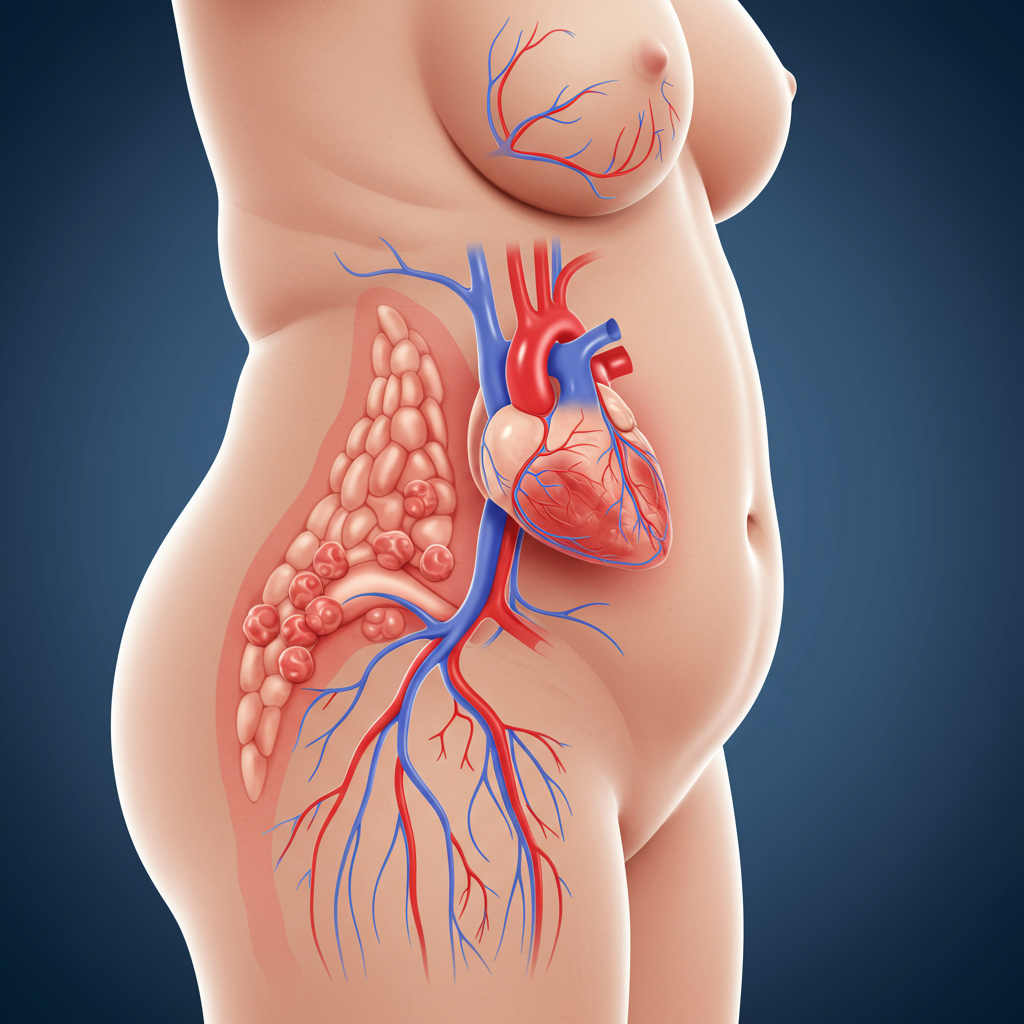
Connecting the Dots: Weight, Heart Health, and Postmenopausal breast cancer Risk
New international research reveals a potentially concerning connection for postmenopausal women: carrying extra weight alongside existing cardiovascular disease could significantly elevate the risk of developing breast cancer. This groundbreaking study suggests that the interplay between metabolic health and heart conditions might create a uniquely heightened vulnerability. For millions of women navigating the post-menopause years, understanding this link is crucial for proactive health management and risk assessment.
Unpacking the Latest Study Findings
The recent research, published in the peer-reviewed journal CANCER, analyzed health data from over 168,000 postmenopausal women. None of these participants had type 2 diabetes or cardiovascular disease (CVD) when the study began. Over approximately a decade of follow-up, more than 6,700 women were diagnosed with breast cancer.
The study’s key finding is particularly stark for those who developed cardiovascular disease during the observation period. Researchers found that in these women, every 5-point increase in Body Mass Index (BMI) was associated with a substantial 31% higher risk of breast cancer. This contrasts sharply with women who did not develop CVD during the study, where the same BMI increase was linked to a 13% higher risk. This suggests that heart disease isn’t just a co-occurring condition but potentially amplifies the risk associated with higher BMI. The researchers estimated this combination of being overweight (BMI ≥ 25 kg/m²) and having CVD could contribute to an additional 153 breast cancer cases per 100,000 women each year. Interestingly, the study did not find that developing type 2 diabetes similarly affected the BMI-breast cancer risk relationship in this cohort.
Beyond Simple Weight: The Broader Metabolic Picture
While high BMI is a known breast cancer risk factor for postmenopausal women, particularly for estrogen receptor-positive subtypes, this study underscores the importance of overall cardiometabolic health. Other research supports this broader view, suggesting a “common soil” hypothesis where cardiovascular disease and breast cancer share underlying risk factors and biological pathways.
A large cohort study highlighted that while individual cardiovascular risk factors like high blood pressure or cholesterol (apart from obesity) might have limited overall impact on breast cancer risk alone, the presence of multiple such factors significantly increases the risk. This combined risk was found to be especially pronounced in postmenopausal Black women in that particular study, indicating that the relationship can be complex and influenced by factors like race and menopausal status.
Another study focusing on healthy women observed how changes in BMI trajectory over time were significantly associated with worsening markers for both cardiometabolic health and breast cancer risk, particularly among postmenopausal women. This suggests that weight gain itself can drive changes in biological signals linked to both conditions.
The Hypertriglyceridemic-Waist Phenotype: A Specific Marker
Delving deeper into metabolic markers, research indicates that specific combinations are particularly telling. The “hypertriglyceridemic-waist” (HW) phenotype, characterized by elevated waist circumference (indicating central obesity) combined with high triglycerides, has been identified as a strong predictor of increased breast cancer risk in women, regardless of menopausal status. This phenotype seems particularly linked to estrogen receptor/progesterone receptor-positive (ER+/PR+) breast cancer subtypes.
These findings emphasize that focusing solely on BMI might miss nuances. Central obesity and specific lipid profiles, components of metabolic syndrome, appear to play a crucial role, often more predictive than other individual metabolic factors.
Exploring the Biological Links: Why the Connection Exists
Scientists are actively researching the biological pathways that connect excess weight, cardiometabolic issues, and breast cancer risk. Several mechanisms are proposed:
Hormone Production: Fat tissue, especially around the abdomen, produces excess estrogen. High estrogen levels are strongly linked to increased breast cancer risk in postmenopausal women.
Inflammation: Obesity and metabolic syndrome are associated with chronic low-grade inflammation throughout the body. This inflammation can potentially promote cancer cell growth and may hinder the immune system’s ability to detect and destroy cancer cells.
Adipokines and Growth Factors: Fat tissue also releases signaling molecules called adipokines (like adiponectin, leptin, resistin) and growth factors (like IGF-1). Imbalances in these molecules are associated with both metabolic dysfunction and cancer development. Research suggests that lower levels of adiponectin, in particular, may mediate the link between metabolic abnormalities (especially the HW phenotype) and increased breast cancer risk.
Insulin Resistance: Metabolic syndrome often involves insulin resistance, where the body’s cells don’t respond effectively to insulin. This can lead to higher circulating insulin and insulin-like growth factors, which may stimulate the growth of cancer cells.
The study connecting BMI changes to cardiometabolic risk scores and breast cancer-related protein markers provides further evidence that these factors are biologically intertwined, with cardiometabolic health potentially influencing breast cancer risk at a molecular level.
Implications for Risk Assessment and Prevention
The results of this study and related research carry important implications. The lead author suggested that these findings could help inform risk-stratified breast cancer screening programs, potentially allowing healthcare providers to identify postmenopausal women with higher combined risks who might benefit from more frequent or tailored screening approaches.
Furthermore, the study authors advocate for future research to specifically include women with a history of cardiovascular diseases in weight loss trials aimed at breast cancer prevention. This highlights the potential power of addressing excess weight not just for heart health, but also as a strategy to lower breast cancer risk in this vulnerable group.
Practical Steps for Postmenopausal Women
Based on these findings, postmenopausal women can take proactive steps to potentially reduce their risk:
Prioritize Healthy Weight: Aim for and maintain a healthy body weight. Even modest weight loss can improve metabolic health markers.
Manage Cardiovascular Risk Factors: Work with your doctor to monitor and manage conditions like high blood pressure, high cholesterol, and blood sugar levels. Addressing these collectively is key.
Adopt a Healthy Lifestyle: Focus on a balanced diet rich in fruits, vegetables, and whole grains, limit processed foods and sugary drinks, and engage in regular physical activity. These strategies benefit both heart health and help manage weight.
Be Breast Aware: Familiarize yourself with the normal look and feel of your breasts and report any changes (lumps, swelling, skin changes, nipple discharge) to your doctor promptly.
Attend Screenings: Participate in routine mammography screening as recommended by your healthcare provider.
These actions support overall well-being and directly target the interconnected risk factors highlighted by the research.
Frequently Asked Questions
How does having heart disease specifically increase breast cancer risk in postmenopausal women with higher BMI?
The research indicates that while high BMI alone increases breast cancer risk, the presence of cardiovascular disease seems to amplify* that risk significantly. For a 5-point BMI increase, the risk jump was 31% in women who developed CVD during the study compared to 13% in those without CVD. The exact mechanisms are still being explored but may involve shared biological pathways like chronic inflammation, hormonal imbalances from excess fat tissue, and altered levels of signaling molecules like adiponectin, which are affected by both metabolic health and heart conditions.
Are there specific screening recommendations for postmenopausal women with both high BMI and cardiovascular risk?
Currently, standard breast cancer screening guidelines typically focus on age. However, researchers like the lead author of the study suggest that these findings could inform future “risk-stratified” screening programs. This might mean that postmenopausal women identified with both high BMI and cardiovascular disease risk factors could potentially benefit from more personalized or frequent screening schedules, though specific guidelines for this combined risk group are not yet standard practice.
What lifestyle changes are most important for postmenopausal women to lower breast cancer risk if they have high BMI or heart disease?
Focusing on lifestyle changes that benefit both weight management and cardiovascular health is key. Prioritizing achieving and maintaining a healthy weight through diet and exercise is crucial, as excess fat contributes to both risks and potentially links them biologically. Managing individual components of metabolic syndrome like blood pressure, cholesterol, and triglycerides through healthy eating, regular physical activity, and medical intervention if needed are also vital steps supported by research showing combined risk factors are particularly impactful.
Conclusion: A Call for Integrated Health Focus
This recent study underscores a critical message for postmenopausal women: managing weight and maintaining cardiovascular health are not independent health goals but are deeply intertwined, with significant implications for breast cancer risk. The findings highlight that the combined burden of high BMI and heart disease creates a uniquely elevated vulnerability. As breast cancer cases continue to rise globally, understanding and addressing these complex, interconnected risk factors through lifestyle changes and medical management offers a powerful path towards prevention and better health outcomes in the post-menopause years.
Word Count Check: 1195