Cancer treatment journeys are often depicted through the lens of chemotherapy, showing its intense, systemic effects. However, radiation therapy offers a different, equally vital path for many patients battling various cancers. This powerful technique utilizes precisely targeted, high-energy beams aimed directly at cancerous cells. The goal is to halt disease progression, alleviate pain, or in many cases, achieve a complete cure.
For individuals navigating their cancer treatment, understanding the real patient experience of radiation therapy is essential. It contrasts significantly with chemotherapy in its delivery and immediate impact. Delving into what radiation truly feels like – from the daily sessions to managing gradual side effects – provides invaluable insight into this cornerstone of oncology care. Unlike systemic treatments affecting the entire body, radiation’s effects are typically localized, concentrating impact on the treated area.
Inside the Radiation Treatment Room
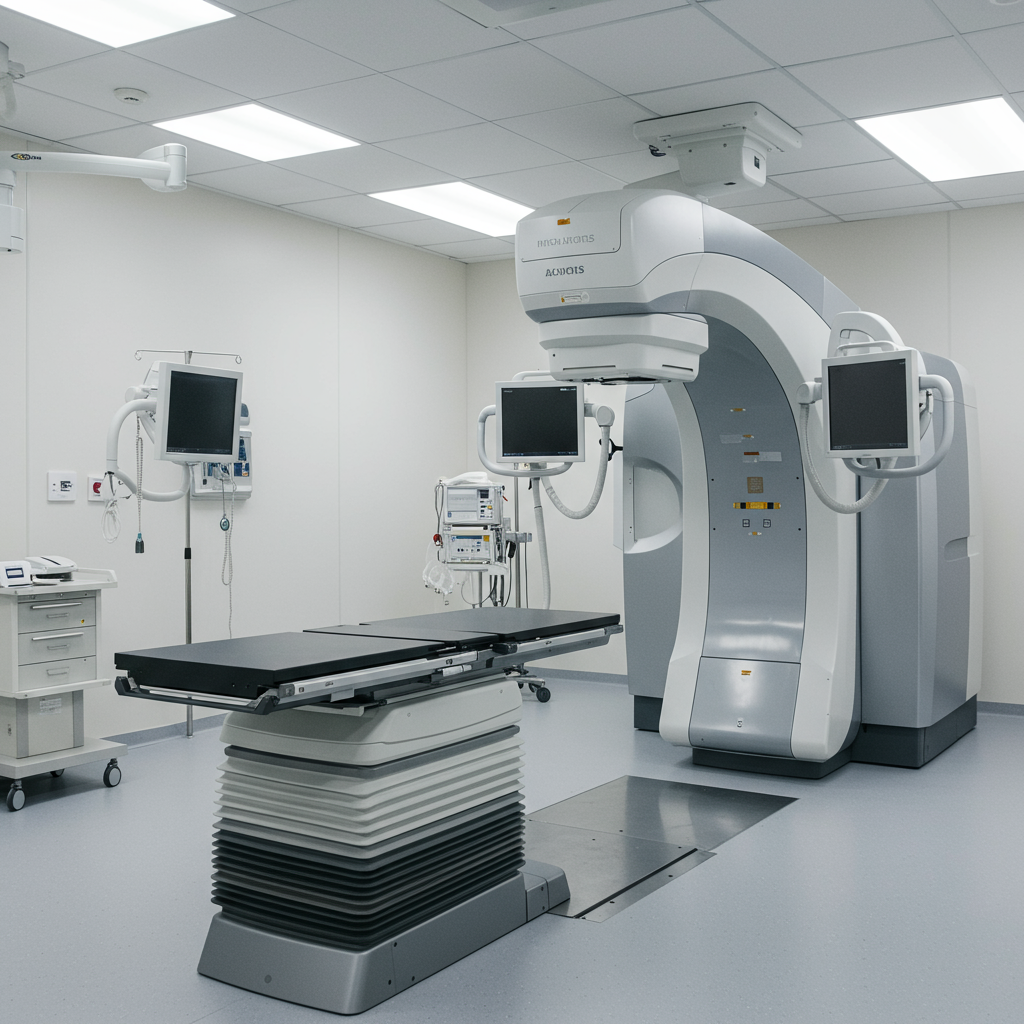
Step into the radiation therapy room, and you’ll encounter a piece of advanced medical technology: the linear accelerator. These machines are large but designed for precise control. Your sessions are remarkably brief for the actual energy delivery, often lasting just a few minutes. However, the setup takes longer.
You’ll lie comfortably on a specialized treatment table. Expert radiation therapists will carefully position you, using tiny, permanent markers or temporary tattoos to ensure the radiation beams are directed to the exact location with pinpoint accuracy. The machine will move around you, delivering the prescribed dose.
Crucially, during the treatment itself, you are generally alone in the room. Yet, you are under constant supervision via monitors and can speak with the therapists through an intercom. You might hear mechanical whirring or clicking sounds as the machine operates. The most important aspect of the experience inside the room is that you will feel absolutely nothing from the radiation beams themselves. There is no heat, no tingling, no physical sensation whatsoever as the energy works within your body.
Immediate Effects and Cumulative Changes
Leaving the treatment room, most patients report feeling perfectly normal right away. There are typically no instant side effects like the nausea or dizziness some may experience immediately after chemotherapy infusions. This often allows patients to resume their daily activities promptly after a session.
However, the effects of radiation therapy are cumulative. They build up gradually over the course of your treatment plan, which can extend over several weeks. Imagine it like repeated sun exposure – the damage becomes visible and felt over time, not after the first minute. The side effects become more noticeable as the total radiation dose in the treated region increases with each session.
Common Side Effects Experienced by Patients
The specific side effects you might encounter depend significantly on the area of the body being treated. Because radiation is a localized treatment, its impact is concentrated where the energy beams are directed.
Battling Fatigue: A Universal Challenge
One of the most widely experienced side effects, regardless of the treatment site, is fatigue. This isn’t just feeling tired; it’s often a profound, bone-deep exhaustion that persistent rest struggles to alleviate. This debilitating fatigue typically begins about one to two weeks into the treatment schedule. It tends to worsen as the treatment progresses and the cumulative dose increases. Effectively managing this fatigue becomes a significant part of a patient’s daily routine. Gentle, short periods of activity might paradoxically help manage energy levels for some.
Skin Reactions in the Treatment Zone
The skin within the path of the radiation beams is frequently affected. Early on, it might become pink, red, or feel dry and itchy, much like a mild sunburn. As treatment continues, these changes can intensify, leading to blistering, peeling, and significant soreness. The skin can become very sensitive, requiring specialized care. Using only gentle soaps and creams recommended by your care team is vital. Think of the need to support the skin’s natural barrier function (a concept important in general skincare) when it is compromised by radiation, similar to how gentle products support skin health in other contexts. Protecting this vulnerable area is paramount.
Site-Specific Discomforts and Symptoms
Depending on the body part receiving radiation, patients may experience various localized effects:
Head and Neck Radiation: Can cause a sore throat, difficulty swallowing (dysphagia), alterations in taste perception, and significant dry mouth (xerostomia).
Chest Radiation: May lead to soreness or pain with deep breaths, or develop a cough.
Abdomen or Pelvic Radiation: Can result in nausea, diarrhea, or irritation of the bladder or bowel.
Radiation to Limbs: Might cause swelling (lymphedema) or stiffness in joints.
These localized discomforts can be challenging but are typically managed with appropriate medications and supportive therapies prescribed by your care team.
Radiation vs. Chemotherapy: Understanding the Differences
Comparing radiation therapy side effects to those of chemotherapy highlights their fundamental differences. Chemotherapy is a systemic treatment, circulating throughout the entire body. Its effects are widespread, potentially causing issues like severe nausea, hair loss, lowered blood counts increasing infection risk, and nerve damage (neuropathy).
In contrast, radiation’s impact is generally confined to the specific area being treated. While side effects can be significant and uncomfortable, they are localized. As some patients note, radiation therapy can sometimes feel like “less systemic wear and tear” compared to certain chemotherapy regimens, particularly when used for symptom management. This isn’t universally true for every patient or cancer type, but it underscores that radiation can be a less broadly debilitating option in specific clinical situations. This difference in impact is crucial when oncologists plan a patient’s treatment strategy, often selecting radiation to target known disease sites while minimizing effects elsewhere. For instance, in certain lymphomas where radiation is used for specific node groups after chemotherapy, the focus is on the localized effect without adding systemic burden.
The Diverse Roles of Radiation Therapy
Radiation therapy serves crucial, multifaceted purposes in cancer management. It is frequently employed as a primary curative treatment, aiming to completely eliminate cancer cells. This is common for many early-stage cancers like certain breast, prostate, or head and neck cancers. The goal is to eradicate the tumor and prevent recurrence.
However, radiation is also an indispensable tool in palliative care for patients with advanced or metastatic cancer. Even when a cure is not possible, radiation can dramatically improve a patient’s quality of life. It can effectively shrink tumors that are pressing on nerves or organs, providing significant relief from pain and discomfort. Radiation can stop bleeding caused by tumors or help strengthen bones weakened by cancer spread (bone metastases), preventing painful fractures. In this palliative setting, radiation offers valuable symptom control, often with a potentially lower burden of side effects compared to aggressive, systemic therapies, allowing patients to maintain better function and comfort. Just as maintaining bone density and structure is key in conditions like osteoporosis, managing bone health in the context of cancer spread through targeted radiation is vital for stability and pain relief.
Your Essential Partner: The Cancer Care Team
Navigating the complexities of radiation therapy, both physically and emotionally, is a significant undertaking. The support and expertise of the radiation therapy team are absolutely invaluable. This team typically includes radiation oncologists, oncology nurses, radiation therapists, medical physicists, dosimetrists, and various support staff. They work collaboratively to design and deliver your precise treatment plan, monitor your progress, manage any side effects, and provide essential emotional support throughout your journey.
Many patients highlight the compassionate and professional care they receive. Open, honest communication with your team is paramount. Never hesitate to ask questions, report any new or worsening side effects, or voice your concerns. They possess the expertise and resources to help you navigate challenges and ensure your treatment is as effective and comfortable as possible.
Practical Strategies for Patients Undergoing Radiation
Preparing for and actively managing life during radiation therapy can significantly ease the process. Here are some practical tips frequently shared by patients and recommended by care teams:
Prioritize Rest to Combat Fatigue: Listen intently to your body’s signals. Schedule dedicated rest periods throughout your day, even if it’s just sitting quietly. Incorporating gentle physical activity, like short walks, can sometimes paradoxically help boost energy levels over time.
Adopt Meticulous Skin Care: Use only gentle, fragrance-free products specifically approved by your radiation team on the treated area. Avoid sun exposure, harsh soaps, perfumes, hot water, and tight clothing that could rub the sensitive skin. Ask for specific recommendations on creams and lotions.
Focus on Nutrition and Hydration: Maintain a balanced, nutritious diet and stay well-hydrated by drinking plenty of fluids. This supports your body’s overall healing processes and helps manage certain side effects like dry mouth or digestive issues.
Seek and Accept Emotional Support: Connect regularly with friends, family, or fellow patients in support groups. Consider talking with a counselor or therapist. Sharing your feelings and concerns can provide immense relief and perspective.
- Plan Logistics Ahead: Arrange reliable transportation to and from your daily appointments, especially if fatigue becomes a factor. Plan simple meals or ask for help with household tasks on days you anticipate feeling particularly tired.
- www.mayoclinic.org
- nypost.com
- health.clevelandclinic.org
- www.allure.com
- www.glamour.com
Empowering yourself with knowledge about the process and potential side effects allows you to take proactive steps in managing your care and well-being.
Addressing the Emotional Landscape of Treatment
Beyond the physical symptoms, undergoing radiation therapy encompasses a significant emotional journey. It’s natural to experience anxiety about the diagnosis itself, the large treatment machine, and the potential impact of side effects on daily life. Frustration can arise from the persistent fatigue or the disruption to established routines.
Yet, this period also often reveals incredible resilience and strength. Completing daily sessions can provide a powerful sense of accomplishment and control. The unwavering support from your care team, loved ones, and peer support groups can foster a sense of hope and reinforce that you are not facing this alone. Recognizing and addressing the emotional toll is just as critical as managing the physical aspects of treatment.
Frequently Asked Questions
What does radiation therapy feel like during the session itself?
During the actual radiation therapy session, you will not feel the energy beams. The process involves lying on a table while the machine moves around you, potentially making mechanical noises. There is no sensation of heat, pain, tingling, or anything physically happening inside your body while the radiation is being delivered. The only physical interaction is usually during the positioning and setup phase before the machine starts.
How do radiation therapy side effects compare to chemotherapy?
Radiation therapy side effects are primarily localized to the specific area treated (e.g., skin irritation, discomfort near the tumor site) and typically develop gradually over the course of treatment. Common effects include fatigue and skin changes. Chemotherapy is a systemic treatment affecting the whole body, often causing more widespread and acute issues like severe nausea, hair loss, and impacts on blood cell counts. Radiation can sometimes result in less systemic “wear and tear” compared to certain chemotherapy regimens, though this varies greatly.
How long do side effects from radiation therapy last after treatment ends?
Radiation therapy side effects usually peak about one to two weeks after the entire treatment course is completed. Following this peak, they generally begin to subside over the next several weeks to months. Fatigue is often the most lingering side effect, potentially persisting for a few months. Skin reactions and localized discomforts typically improve more quickly once treatment concludes, but individual recovery timelines can vary widely depending on the dose, treatment area, and overall health.
Concluding Thoughts
Radiation therapy stands as a potent and sometimes misunderstood cornerstone of cancer treatment. From a patient’s vantage point, it involves relatively quick, painless daily sessions that lead to gradual, localized side effects, predominantly fatigue and skin changes in the treated region. While these effects can be challenging, they differ significantly from the systemic impact often associated with chemotherapy. With the dedicated support of a skilled cancer care team, these side effects are frequently manageable. Whether utilized with curative intent or for crucial palliative relief, radiation therapy plays an indispensable role in improving patient outcomes and enhancing quality of life. Understanding the reality of the patient experience helps demystify this essential medical intervention.