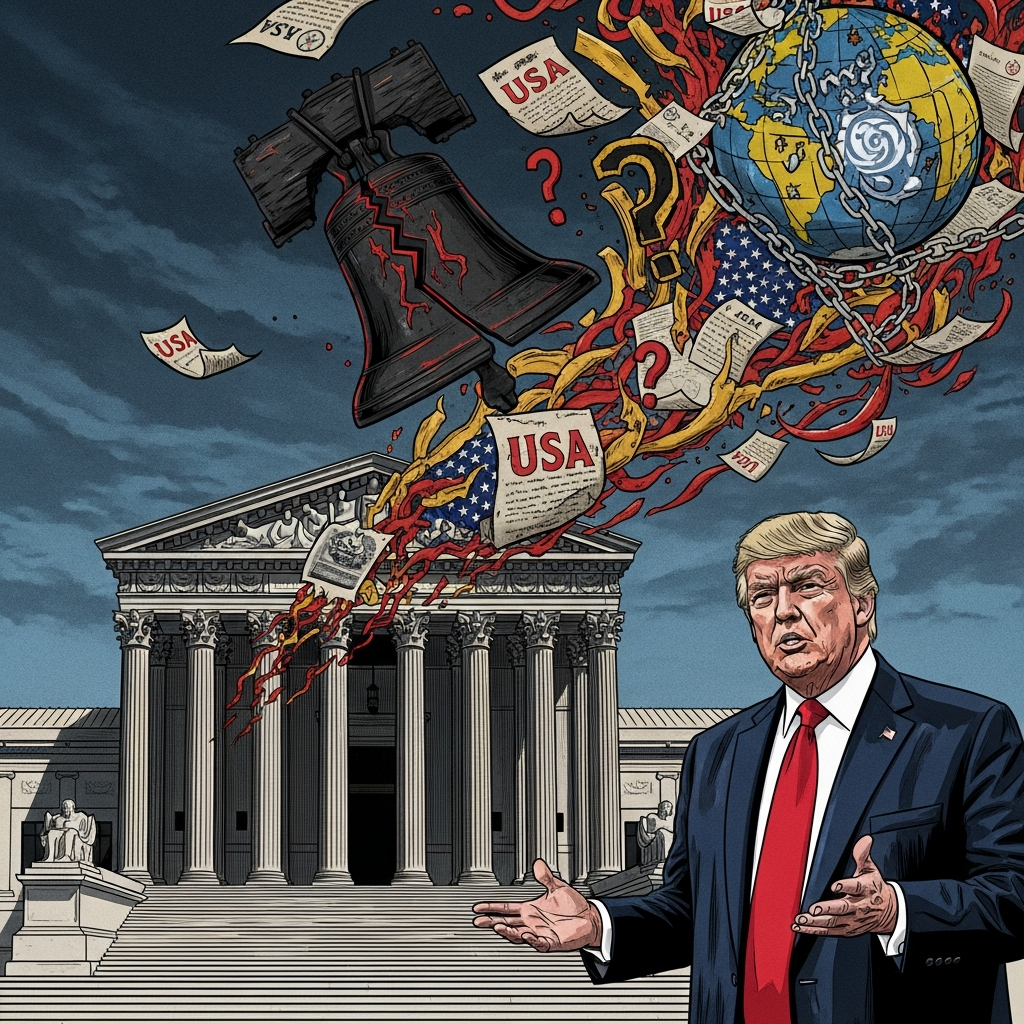
A significant legal battle is brewing over federal attempts to reshape election administration. Two prominent Republican election officials are confidently predicting that former President Donald Trump’s mail-in voting order will soon be overturned by the courts. This executive directive, aimed at limiting absentee ballots and centralizing election authority, has already sparked numerous lawsuits. Critics, including a broad coalition of states and legal experts, argue the order is an unconstitutional overreach, threatening the integrity of state-run elections and potentially suppressing voter turnout.
The contention highlights a deepening rift within the Republican Party regarding election management. While the Trump administration asserts these measures are crucial for “clean voter rolls” and election integrity, state officials, even in conservative areas, maintain that the Constitution delegates election oversight to the states. This ongoing struggle underscores fundamental questions about federalism, voter access, and the future of American democracy as election cycles intensify.
Republican Officials Speak Out Against Federal Overreach
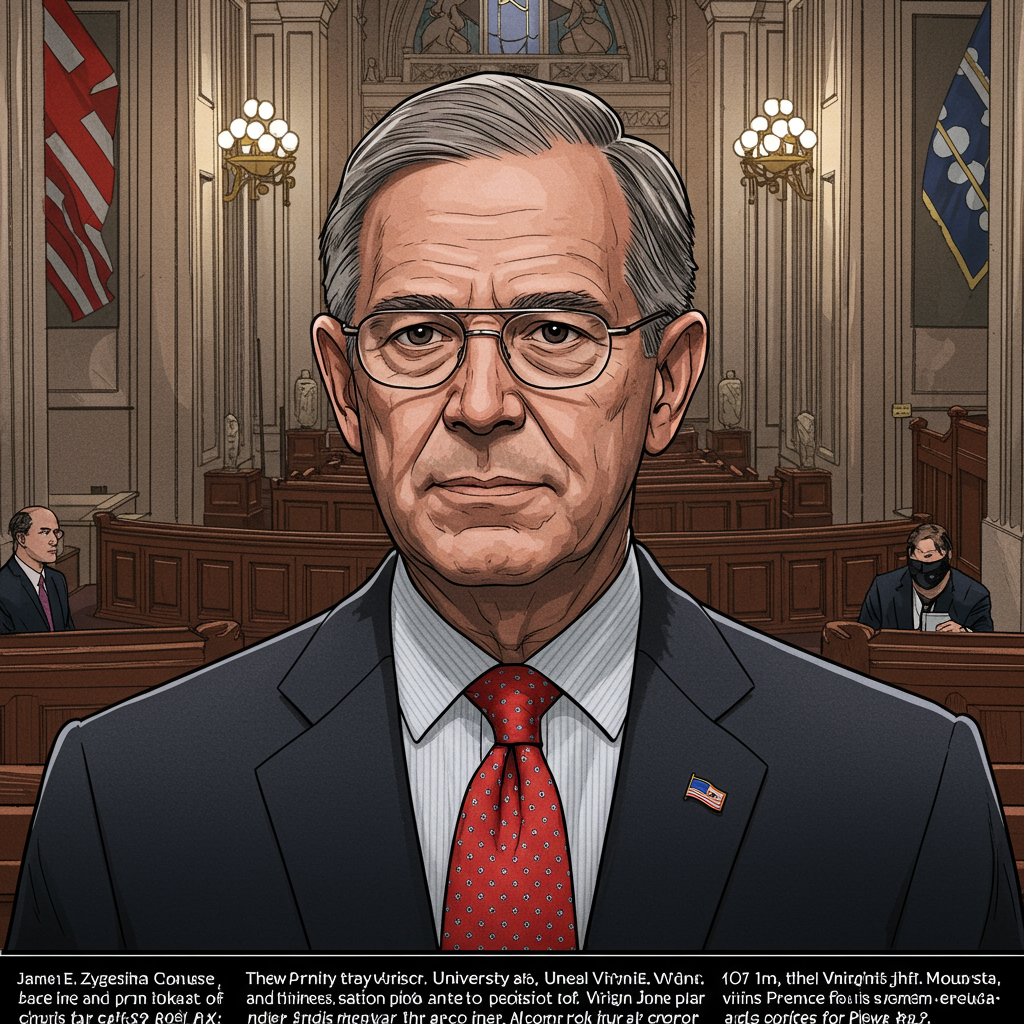
During a recent appearance on ABC’s “This Week,” Pennsylvania Secretary of the Commonwealth Al Schmidt and former Maricopa County, Arizona Recorder Stephen Richer voiced strong expectations that litigation against the Trump election order will succeed. Both officials, Republicans themselves, emphasized the need for clear, consistent rules that build public trust rather than sow confusion. Schmidt explicitly stated, “We want voters to know that the election is going to be free, fair, safe and secure, and that everyone knows what the rules are prior to going into this.” He warned that confusion only serves those aiming “to sow distrust in the outcome of an election.”
Richer, who led elections in Maricopa County from 2021 to 2025, agreed with some aspirations for secure elections but stressed that “the form does matter.” He noted that Arizona already has robust safeguards, including proof-of-citizenship requirements and advanced ballot-tracking technology, making many of the federal order’s provisions redundant or ill-suited for states with established systems. Their unified stance reflects a growing resistance among state-level Republicans to federal mandates on election procedures.
The Scope of Trump’s Executive Order and its Immediate Challenges
The executive order itself is far-reaching. It mandates the creation of a national list of approved absentee voters and directs the attorney general to investigate alleged wrongful distribution of mail-in ballots. These provisions, seen by many as a significant escalation of attempts to consolidate election authority, quickly drew a volley of legal challenges. At least four major lawsuits have been filed.
One prominent challenge comes from a coalition of Democratic leaders, including Senate Minority Leader Chuck Schumer and House Minority Leader Hakeem Jeffries, alongside the Democratic Party apparatus. Another significant suit was filed by 23 states, including Arizona and Pennsylvania, under the leadership of Governor Josh Shapiro. These lawsuits largely argue that the Trump election order violates Article I, Section 4 of the Constitution, which grants states primary authority over “the Times, Places and Manner of holding Elections.” They seek a federal injunction to halt its implementation. Jeffries condemned the order as “unlawful and unconstitutional,” asserting it was “designed to try to suppress the electorate.”
A Broader Pattern: Federal Demands and State Resistance
The executive order isn’t an isolated incident but part of a broader pattern of the Trump administration seeking to assert federal control over state-run elections. This includes efforts to relitigate the results of the 2020 presidential election, with the FBI seizing voter records from key areas like Fulton County, Georgia, and Maricopa County, Arizona. These actions align with debunked conspiracy theories about widespread voter fraud claims in the 2020 election, despite numerous audits finding no credible evidence.
This aggressive approach has sparked resistance even in deeply conservative states. Idaho Secretary of State Phil McGrane, a Republican, notably refused demands from the Trump Justice Department for sensitive state voter data, citing concerns over voter privacy and state independence. Idaho’s history of rejecting federal mandates, dating back to the “motor voter” law in the 1990s, underscores a deep-seated commitment to state sovereignty in election administration. Federal judges have largely sided with states, dismissing Justice Department lawsuits attempting to seize unredacted voter rolls, with one judge warning of a “chilling effect on voter registration.”
Cybersecurity Concerns and Shifting Federal Support
While the focus often remains on voter registration and ballot access, another critical area of contention involves election cybersecurity. The Trump administration implemented deep cuts to the Cybersecurity and Infrastructure Security Agency (CISA), a federal body providing crucial cybersecurity support to states. A Brennan Center for Justice survey revealed that over 60% of local election officials nationwide were concerned about these cuts.
States like Illinois, however, have taken proactive steps to insulate themselves. Following a 2016 Russian intelligence hack of its voter database, Illinois significantly bolstered its own cyber capabilities, establishing the state-funded Cyber Navigator Program. This proactive state-level investment ensures Illinois’s paper ballot system remains secure and its cyber defenses robust, even amidst federal withdrawal. Nonetheless, some Republican clerks, like Tazewell County’s John Ackerman, voiced apprehension about reduced confidential intelligence sharing from the federal government regarding election threats, which could impact proactive defense strategies.
The “SAVE America Act” and Unworkable Proposals
Beyond executive orders, legislative efforts are also stirring controversy. The proposed “Save America Act,” championed by Trump and his allies, seeks a sweeping overhaul of U.S. election laws. Its core provisions include mandating in-person proof of citizenship to register, requiring photo identification at the polls, and effectively ending most mail-in ballots. Voting rights advocates warn these changes could disenfranchise millions of eligible voters.
Election administrators nationwide are issuing strong warnings that these proposals are unworkable and impossible to implement within proposed timelines. Stephen Richer famously called the idea of implementing such changes by the midterms “laughable.” Officials point to the immense logistical challenges: current registration mostly happens online or by mail, and offices are not equipped for a sudden influx of in-person citizenship verifications. Furthermore, the bill proposes criminal penalties for election workers, a move seen as highly destabilizing given the increased threats and harassment they already face. This could drive experienced professionals out of the field, further weakening election infrastructure.
Guardrails Under Pressure: What’s Next for State Elections?
The 2020 election demonstrated that “men and women of principle” within the administration and at the state level served as critical “guardrails” against unlawful actions. However, experts like election lawyer David Becker warn that this line of defense is now “largely gone,” with loyalty to Trump increasingly dictating appointments in key federal roles. This shifts the burden of upholding electoral integrity primarily to state election officials and the courts.
Indeed, officials like Georgia Secretary of State Brad Raffensperger and Al Schmidt have consistently emphasized the constitutional basis of state-level election administration. While courts have so far largely stymied federal attempts at overreach, legal challenges take time. This period allows “untold damage” to public trust, leaving election officials caught in the middle of intense political pressure and misinformation. The constitutional principle of federalism remains the strongest bulwark against nationalizing elections, but its defense requires ongoing vigilance from state leaders and an informed citizenry.
Frequently Asked Questions
What are the main legal arguments against the Trump election order on mail-in voting?
The primary legal arguments against the Trump election order focus on its alleged violation of Article I, Section 4 of the U.S. Constitution. This clause grants states the primary authority to regulate the “Times, Places and Manner of holding Elections.” Opponents, including multiple state attorneys general and Democratic congressional leaders, contend that the federal order oversteps this constitutional boundary by attempting to nationalize election procedures, such as creating a national absentee voter list or dictating how mail-in ballots are distributed. They argue that such federal intervention undermines state sovereignty in election administration and could lead to voter suppression.
How have state election officials, including Republicans, responded to federal demands for voter data or election oversight?
State election officials, encompassing both Democrats and a significant number of Republicans, have largely resisted federal demands for unredacted voter data and attempts to centralize election oversight. Republican officials like Idaho Secretary of State Phil McGrane, Missouri Secretary of State Denny Hoskins, and Georgia Secretary of State Brad Raffensperger have publicly refused to provide sensitive voter information without a court order, citing state laws, voter privacy concerns, and constitutional principles of state control over elections. They emphasize that while they support election integrity, federal overreach often creates logistical nightmares, fosters distrust, and is based on unsubstantiated voter fraud claims.
What are the practical challenges of implementing proposed federal election reforms like the “Save America Act”?
Implementing proposed federal election reforms such as the “Save America Act” would pose immense practical challenges for state and local election officials. The act’s requirements—mandating in-person proof of citizenship for registration, photo ID at polls, and severely limiting mail-in voting—would require a complete overhaul of existing systems. Election offices, currently set up for online and mail registration, lack the infrastructure for mass in-person verification. Officials warn of “thousands of hours” needed for re-registration, overwhelming offices, and massive confusion for voters. Furthermore, proposed criminal penalties for election workers could lead to significant staff turnover, further destabilizing already strained election systems and making it difficult to recruit new personnel.
Conclusion
The ongoing legal battle over federal attempts to dictate election procedures marks a pivotal moment for American democracy. While former President Trump’s mail-in voting order and legislative proposals aim to centralize authority, they face staunch resistance from state election officials, bipartisan opposition, and court challenges rooted in constitutional principles. The collective pushback, particularly from Republican officials like Al Schmidt and Stephen Richer, underscores the deeply held belief that election administration is, and must remain, a state-led endeavor. As future elections approach, the tension between federal aspirations and state sovereignty will continue to shape discussions around election integrity, voter access, and the enduring strength of America’s democratic institutions. The resilience shown by states in protecting their processes, from cybersecurity enhancements to outright defiance of federal demands, highlights the crucial role of local governance in safeguarding electoral fairness.