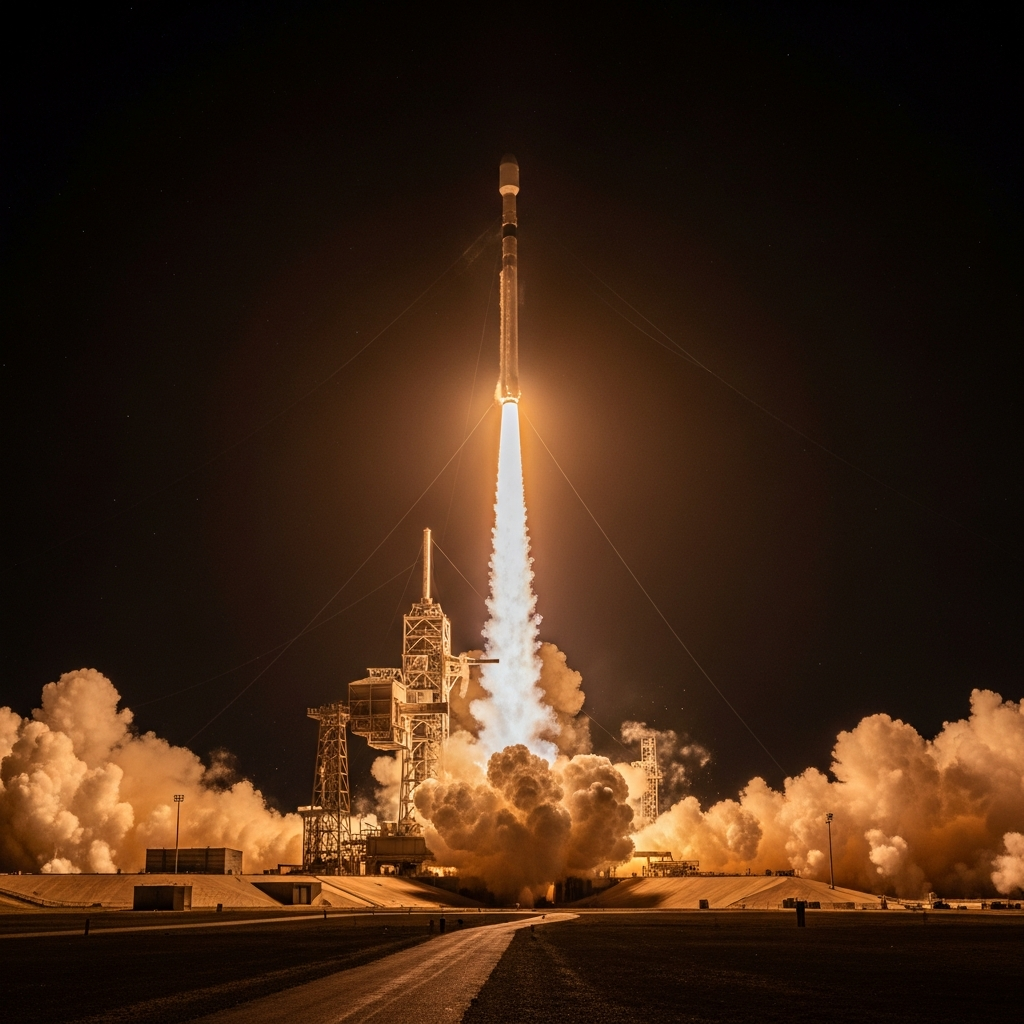
The night sky across the globe lit up with a breathtaking display on April 1, 2026, as the full moon, affectionately known as the “Pink Moon,” reached its peak. This spectacular celestial event captivated skywatchers worldwide and gained extra significance by coinciding with NASA’s historic Artemis 2 mission launch. Join us as we explore stunning photographs from this memorable night and delve into the science and lore behind April’s enchanting full moon.
Unveiling the April Pink Moon 2026: Name, Peak & Meaning
Each month’s full moon carries a unique name, often rooted in Indigenous American, colonial, or European traditions, reflecting seasonal changes. The April full moon is famously known as the “Pink Moon.” However, despite its name, the moon does not actually appear pink. This poetic moniker comes from the Phlox subulata plant, a vibrant wildflower commonly called creeping phlox or moss pink, which blankets North American landscapes in early spring with its cheerful pink blooms. The name symbolizes renewal, growth, and the vibrant transition into warmer months.
Beyond its most popular designation, the April full moon is also recognized by several other evocative names. It is frequently referred to as the Paschal Moon, signifying the first full moon to occur after the spring equinox. This specific lunar timing is crucial for determining the date of Easter Sunday, which, in 2026, fell on April 5, just days after the Pink Moon’s peak. Other traditional names include the Frog Moon, the Breaking Ice Moon, and the Budding Moon of Plants and Shrubs, each painting a vivid picture of the season’s environmental shifts.
When Did the Pink Moon Dazzle?
The April Pink Moon 2026 reached its peak illumination on April 1, 2026. For observers in Central Daylight Time (CDT), this precise moment occurred at approximately 9:12 p.m. (10:12 p.m. Eastern Time). While this marks the technical peak, the most favorable viewing conditions across the Northern Hemisphere are generally found just after sunset. As the moon rises in the eastern sky, its full disk becomes magnificently visible to the naked eye. Skywatchers had ample opportunities, as the moon continued to appear bright and nearly full for several nights surrounding April 1. For those in the UK, the moon peaked at 3:12 AM BST on Thursday, April 2, appearing full during the evenings of April 1 and 2.
A Historic Coincidence: The Pink Moon & Artemis 2 Mission
What made the April Pink Moon 2026 particularly special was its incredible timing with a monumental leap in human space exploration. On April 1, just hours before the moon reached its fullest phase, NASA launched its Artemis 2 mission. This historic launch marked a pivotal moment: the first crewed mission to the moon in over 50 years and a critical step towards establishing a sustained human presence on our lunar neighbor.
Four courageous astronauts – Reid Wiseman, Victor Glover, Christina Koch, and Jeremy Hansen – embarked on a 10-day journey to the far side of the moon. This mission is designed to test the Orion spacecraft’s systems with a human crew before future lunar landings. Commander Reid Wiseman perfectly captured the moment, stating to ground control, “We have a beautiful moon rise, we’re headed right at it,” minutes after the bone-shaking ascent into low-Earth orbit. This profound connection between humanity’s reach for the stars and the ancient glow of our closest celestial body made the 2026 Pink Moon an unforgettable event. To learn more about this incredible journey, explore our daily breakdown of the Artemis 2 mission.
Worldwide Spectacle: Jaw-Dropping Pink Moon Photography
Billions of stargazers across the globe were treated to a magnificent spectacle, and countless photographers seized the opportunity to capture the Pink Moon’s splendor. When observed low on the horizon, the moon often takes on vibrant orange or red hues. This visual effect, known as atmospheric scattering, occurs as moonlight passes through a greater thickness of Earth’s atmosphere, dispersing blue light and allowing redder tones to prevail. This phenomenon can also contribute to the “moon illusion,” making the moon appear larger than usual.
Let’s delve into a selection of the incredible photographs shared from around the world:
Europe’s Enchanting Lunar Views
Somerset, UK: Photographer Josh Dury captured a stunning image in the pre-dawn hours of April 2. The full Pink Moon loomed majestically over the western horizon, framed by a trio of crosses on Brent Knoll. Dury noted the astronomical significance, linking the Paschal full moon (April 2) to the timing of Easter (April 5), a tradition stretching back centuries.
Frankfurt, Germany: Kirill Kudryavstev provided a unique perspective, photographing the yellow full moon as a Boeing 777 commercial jet skimmed across its bottom. The jet created fascinating atmospheric distortion, adding dynamic movement to the serene lunar backdrop. Kudrayavtsev also crafted a beautifully contrasting image, silhouetting the weathervane of the Church of the Three Kings against the glowing moon.
North American Skylines Under Lunar Glow
Kennedy Space Center, Florida: Gregg Newton captured the moon rising over the eastern horizon on April 1. The enormous Artemis 2 countdown clock dramatically framed the celestial body, perfectly blending the natural wonder with the monumental human endeavor.
New York City: Lokman Vural Elibol captured the Pink Moon glowing exquisitely between the illuminated tips of the Empire State Building and another New York skyscraper. From Union City, New Jersey, Gary Hershorn also photographed the moon passing behind the iconic spire of the Empire State Building, revealing more of the urban skyline as natural and artificial light merged.
Washington D.C.: Photographer J. David Ake imaged Earth’s natural satellite as it glowed above the Lincoln Memorial. The Pink Moon kept “Honest Abe” company, its ancient surface streaked with delicate clouds.
Venice Beach, California: Apu Gomes took in the scene as the Pink Moon ascended over California’s iconic Venice Beach, elegantly framed by swaying palm trees in the early spring sky.
Southern Hemisphere’s Lunar Perspectives
Buenos Aires, Argentina: Luis Robayo captured a timely image of the lunar disk hanging over an obelisk. Remarkably, a massive Artemis 2 Space Launch System rocket was projected onto the monument, creating a powerful visual metaphor for humanity’s renewed journey to the moon.
Miami, Florida: Megan Briggs captured a beautifully detailed shot on March 31, the night before the moon reached its full phase. Ancient lava fields, appearing as dark lunar maria, marred the silvery lunar surface. These features were intricately threaded with bright streaks of reflective debris, left behind by violent asteroid impacts over millennia.
Beyond the Pink: Upcoming Lunar Events & Stargazing Tips
While the April Pink Moon 2026 was a spectacular highlight, the lunar calendar offers many more opportunities for skywatching throughout the year. For instance, May 1, 2026, will bring the “Flower Moon.” Additionally, May 31 will host a rare “Blue Moon,” signifying the second full moon within a single calendar month. Other notable full moons in 2026 include the Strawberry Moon in June, the Buck Moon in July, the Sturgeon Moon in August, and the Harvest Moon in September, each carrying its own rich history and seasonal association.
Feeling inspired to capture your own photos of Earth’s natural satellite? Ensure you check out our comprehensive guide to photographing the moon. You’ll also find our expert picks for the best cameras and lenses for astrophotography to help you get started.
Frequently Asked Questions
Why is the April full moon called the ‘Pink Moon’ even though it’s not pink?
The April full moon is named the “Pink Moon” after the Phlox subulata wildflower, also known as creeping phlox or moss pink. This plant is native to North America and blooms in vibrant pink hues during early spring. The name is a traditional designation reflecting seasonal natural changes rather than the moon’s actual color. When low on the horizon, the moon might appear orange or red due to atmospheric scattering, but it won’t be truly pink.
When was the peak viewing time for the April Pink Moon 2026, and will it be visible again soon?
The April Pink Moon 2026 reached its peak illumination on April 1, 2026, at approximately 9:12 p.m. Central Daylight Time (10:12 p.m. ET). For optimal viewing in the Northern Hemisphere, observing the moon as it rose in the eastern sky after sunset was ideal. While the moon was technically “full” for a specific moment, it appeared almost full to the naked eye for several nights immediately following April 1, offering multiple opportunities for skywatchers.
What was the significance of the Artemis 2 mission coinciding with the Pink Moon, and how can I follow future lunar events?
The coincidence of the April Pink Moon 2026 with the launch of NASA’s Artemis 2 mission was highly significant. Artemis 2 marked the first crewed lunar mission in over 50 years, sending four astronauts on a 10-day journey around the moon, symbolizing humanity’s renewed commitment to lunar exploration. You can follow future lunar events by checking astronomical calendars, subscribing to space and astronomy newsletters, and visiting websites like Space.com or NASA’s official channels for updates on upcoming missions and skywatching opportunities.
Conclusion
The April Pink Moon 2026 was a truly remarkable celestial event, offering not only a beautiful display for skywatchers across continents but also serving as a poignant backdrop to NASA’s historic Artemis 2 mission. Its traditional name, rooted in the vibrant spring landscape, connected ancient lore with modern scientific ambition. As we continue to look up, remember that each full moon carries its own story and spectacle. Stay informed about upcoming lunar events and never miss an opportunity to witness the wonders of our universe.