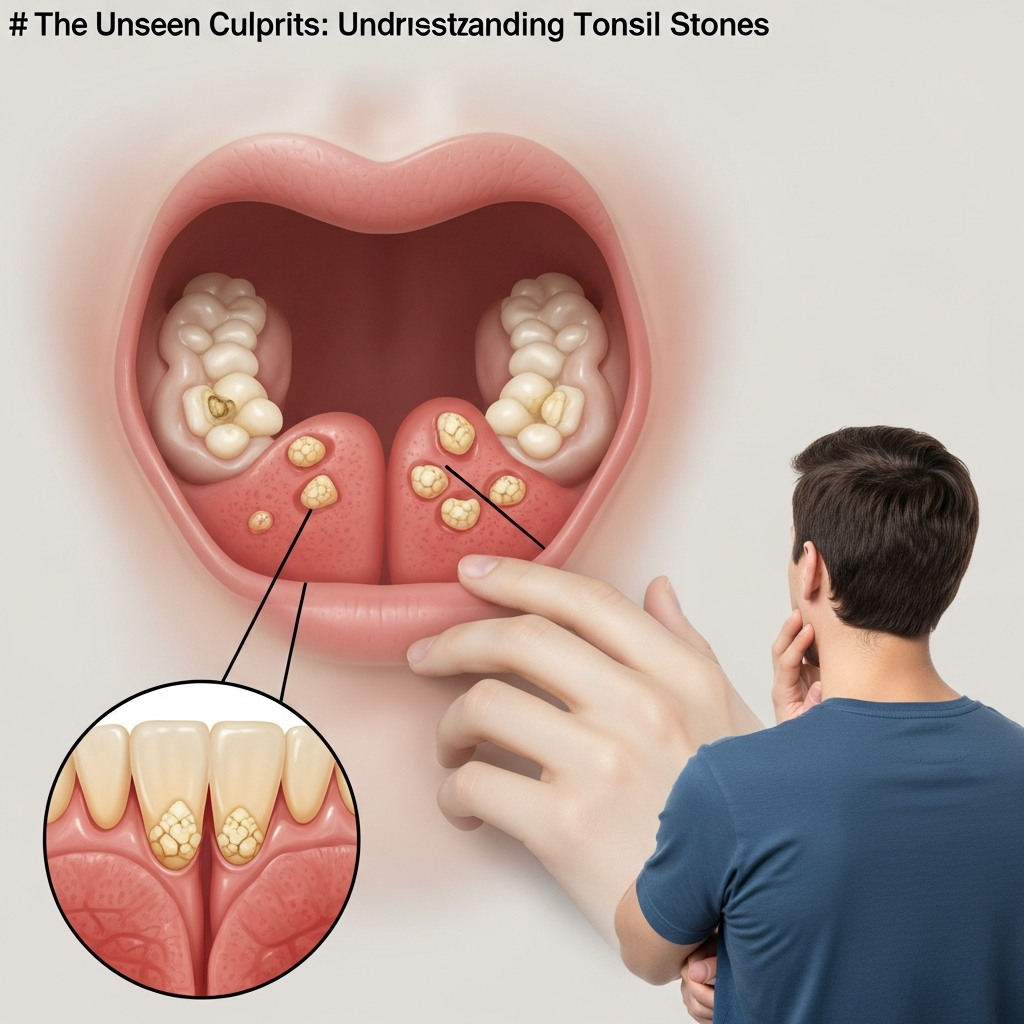
Have you ever felt a persistent sore throat or noticed small, yellowish lumps at the back of your throat? You might be experiencing tonsil stones, also known as tonsilloliths. Often a hidden cause of chronic bad breath, these pesky deposits affect a surprising number of people. While the idea of “cleaning your tonsils as you brush” might sound like a simple fix, understanding the true nature of tonsil stones, their prevention, and safe removal methods is key to genuine relief and better oral health. This guide dives deep into what causes tonsil stones, how to manage them at home, when to seek professional help, and even reveals an unexpected danger to your tonsil health you might not know about.
Understanding Tonsil Stones: More Than Just Bad Breath
Tonsil stones are a common, yet frequently misunderstood, oral health issue. They can cause discomfort, make swallowing difficult, and are a notorious source of halitosis. Many mistake their symptoms for other conditions, making proper diagnosis and treatment crucial.
What Are Tonsil Stones?
Tonsilloliths are small, pebble-like formations that develop in the tonsils. Dr. Brynna Connor, Healthcare Ambassador at NorthWestPharmacy.com, describes them as “lumps made from food debris, bacteria, dead cells and/or mucus.” Your tonsils, important immune system components, feature irregular pits and craters called crypts. When this debris gets trapped in these folds, it can harden and calcify over time, creating the distinct, often foul-smelling, stones.
Why Do They Form? Anatomy vs. Habits
While poor oral hygiene and tobacco use can certainly contribute, the primary reason many individuals develop tonsil stones often lies in their tonsil anatomy. Dr. Aaron Thatcher, a clinical assistant professor, highlights that some people simply have more crypts prone to trapping material. Even those with excellent dental care can suffer from tonsil stones due to their unique tonsil structure. It’s less about a lack of cleaning and more about how debris enters these specific pockets.
Common Symptoms of Tonsilloliths
Small tonsil stones might go unnoticed. However, larger or multiple stones can cause a range of bothersome symptoms. Dr. Dahlia Philips, Medical Director at MetroPlus Health, points to “bad breath, persistent sore throat, ear pain for some and white or yellow lumps in the tonsils themselves” as common indicators. Other clues include an unpleasant taste in the mouth, a cough, or difficulty swallowing. If you suspect tonsil stones, observing these symptoms can help in identifying the issue.
Safe & Effective Home Remedies for Tonsil Stones
Fortunately, tonsil stones are generally not dangerous and are often manageable with simple at-home strategies. Dr. Connor assures that these stones are part of the body’s immune response and can be dealt with effectively. While directly “brushing your tonsils” isn’t a recommended or safe practice, focusing on overall oral hygiene and specific targeted actions can help.
The Power of Proper Oral Hygiene
Diligent oral hygiene is fundamental to preventing tonsil stones. Regular brushing, especially after meals, thorough rinsing, and consistent flossing are crucial steps. Don’t forget to brush your tongue, as this significantly reduces the overall bacteria in your mouth. Dr. Philips notes that this minimizes the accumulation of bacteria and food particles that lead to stone formation. Consistent dental visits also play a vital role in maintaining a clean oral environment.
Gargling: Simple Yet Effective
Regular gargling is a straightforward way to flush out debris and prevent buildup in tonsil crypts. Experts suggest that the act of gargling is more important than the specific solution. Plain water, salt water (1/2 teaspoon in a cup of warm water), or baking soda solutions are all effective. Gargle for 30 seconds to 1 minute, several times daily, to help loosen stones and ease any associated sore throat symptoms by reducing oral bacteria.
Water Flossers: Gentle Dislodging
An oral irrigator, or water flosser, can be surprisingly effective for dislodging existing tonsil stones and preventing new ones. Aim the water stream directly at your tonsils, using the lowest possible pressure to avoid irritation. This gentle stream can safely rinse out trapped particles from the crypts, a method often recommended by experts.
Careful Manual Removal with Cotton Swabs
For stones that are visible and accessible, a clean cotton swab or soft toothbrush can gently dislodge them. It’s crucial that the tool used is brand-new and clean to prevent introducing more bacteria. Be cautious, as this method can be challenging if you have a strong gag reflex. If manual removal is difficult or causes discomfort, stop immediately and consider other options or professional help.
When to See a Doctor: Medical Interventions
While home remedies are often successful, there are situations where medical intervention for tonsil stones becomes necessary. Knowing when to consult a healthcare professional can prevent further complications and provide lasting relief.
When Home Remedies Aren’t Enough
If you experience persistent symptoms, severe pain, discomfort, or if tonsil stones significantly impact your social life or career, it’s time to see a doctor. Symptoms like difficulty breathing or swallowing, significant tonsil swelling, or signs of infection such as fever or throat drainage warrant immediate medical attention. Frequent and bothersome stones, such as coughing them up every couple of days, are also a strong reason to consult a specialist.
Surgical Options: From Cryptolysis to Tonsillectomy
For severe or chronic cases, several surgical options exist. The most effective, permanent solution is a tonsillectomy—the complete surgical removal of the tonsils. However, this procedure is painful, requiring at least two weeks of recovery and carrying a risk of bleeding. Since tonsils play a role in the immune system, many prefer less invasive alternatives if possible.
Other procedures aim to reduce the problematic crypts without full tonsil removal:
Laser Tonsil Cryptolysis: Uses a laser to remove and resurface tonsil crypts.
Coblation Cryptolysis: A newer, lower-temperature option using radio frequency and saline to smooth out crevices.
These surgical decisions are highly personal and require thorough discussion with a doctor to weigh benefits against potential complications.
Unexpected Dangers to Your Tonsils: The Grill Brush Risk
Beyond tonsil stones, your tonsils can be vulnerable to other, less obvious threats. One significant danger, often overlooked during summer grilling season, comes from an unexpected source: wire grill brushes.
The Hidden Hazard of Wire Grill Brushes
Wire grill brushes, featuring stiff metallic bristles, are commonly used for cleaning grill grates. However, their potential for causing harm far outweighs their utility. The biggest issue, according to pitmaster Erica Blaire Roby, is “bristle shedding.” Detached wire bristles can easily transfer from the grill to food and subsequently be ingested. MU Health Care notes that ingested wire bristles can negatively impact or cause harm to the tonsils, mouth, neck, and throat. Paul Jimenez, a grilling expert, recounts finding a wire from his brush in a grilled steak, prompting him to stop using them entirely.
An estimated 130 people in the U.S. visit the emergency room annually due to ingesting these fragments. Dr. Tonia Farmer, an ear, nose, and throat surgeon, strongly advises against using wire brushes, especially old or worn ones. These tiny metal pieces are easily missed, especially in busy environments, and brushes degrade quickly under high heat, increasing bristle loss.
What Happens if a Bristle is Ingested?
Ingested wire bristles can stick to meat during cooking and become lodged in various tissues. Dr. Farmer has observed bristles embedded in the back of the tongue and tonsils. More dangerously, they can travel further down the digestive tract, potentially causing an abdominal abscess (a serious infection) or even perforating the intestine. This can lead to life-threatening inflammation and sepsis. Immediate symptoms might include a sensation of something stuck, pain, blood in saliva, or throat swelling. Dr. Farmer urges seeking emergency medical attention right away and advises against trying to dislodge the bristle by eating or drinking, as this could cause more damage. Diagnosing these bristles can be extremely difficult, often requiring special X-rays.
Safer Grill Cleaning Alternatives
Given these severe risks, it’s wise to discontinue using wire grill brushes. Several effective and safer alternatives are available:
Grill Bricks or Pumice Stones: These conform to the grill shape, wear down with use, and eliminate bristle risk.
Wooden Grill Scrapers: These form natural grooves matching your grill over time, becoming safe and effective.
Nylon Grill Brushes: Ideal for cool grills, preventing scratches, especially on porcelain grates.
Balled-up Aluminum Foil: A simple and effective scrubber.
Half a Lemon or Onion: Can be used with tongs to clean hot grates.
Steam Cleaning: A wet cloth held with tongs for a hot grill.
Purpose-built Bristle-Free Tools: Products like Grill Rescue or BBQ Daddy offer specialized safe cleaning.
Comprehensive Oral Health: Beyond Tonsil Stones
Your oral health is a gateway to your overall well-being. Neglecting daily oral care, which indirectly influences conditions like tonsil stones, can lead to a cascade of problems extending far beyond your mouth.
The Ripple Effect of Poor Oral Care
Poor oral hygiene, primarily the failure to remove plaque, leads to issues like cavities, gingivitis, and periodontitis. Plaque, a sticky film of bacteria, can begin to decalcify tooth dentin within 48 hours. Untreated gum disease, like periodontitis, can lead to tooth loss. Beyond dental problems, research indicates potential links between inflammatory dental conditions and systemic issues such as dementia and heart disease. A study found frequent tooth brushing linked to a reduced risk of atrial fibrillation and heart failure.
ADA Guidelines for Optimal Oral Hygiene
The American Dental Association (ADA) provides clear guidelines for maintaining optimal oral health:
Brushing: Brush twice daily for at least two minutes with fluoride toothpaste.
Flossing: Floss at least once daily. Water flossers or interdental brushes are also good options.
Dental Visits: Schedule professional check-ups every six months, or more often if prone to issues.
Additional steps include drinking fluoridated water, avoiding tobacco, using fluoride rinses if recommended, and maintaining a healthy diet low in sugar. An electric toothbrush can also enhance plaque removal.
Frequently Asked Questions
What are tonsil stones and how do they form?
Tonsil stones, or tonsilloliths, are small, hardened deposits that form in the natural crevices or crypts of your tonsils. They are typically made from trapped food particles, bacteria, mucus, and dead cells. While poor oral hygiene and tobacco use can contribute, a significant factor is the individual anatomy of the tonsils—some people simply have more crypts prone to trapping debris. These trapped materials calcify over time, leading to the formation of the stones.
What are the most effective home remedies for removing tonsil stones?
Several safe and effective home remedies can help dislodge and prevent tonsil stones. These include maintaining excellent oral hygiene (brushing teeth and tongue, flossing), regular gargling with salt water or plain water, using a water flosser on a low setting to gently rinse the tonsils, and, for accessible stones, carefully using a clean cotton swab or soft toothbrush. If stones are difficult to remove or cause discomfort, stop and consider professional advice.
When should I seek medical help for recurring tonsil stones?
While tonsil stones are generally harmless and manageable at home, you should seek medical attention if you experience severe pain or discomfort, persistent sore throat, difficulty breathing or swallowing, swelling of the tonsils, or any signs of infection like fever. If you frequently cough up stones (e.g., every couple of days) or if the condition significantly impacts your quality of life, a doctor can discuss professional removal, antibiotics for infection, or surgical options like laser cryptolysis or tonsillectomy.
Conclusion: Empowering Your Tonsil Health
Understanding tonsil stones and the proper ways to manage them can significantly improve your oral health and overall well-being. While the initial thought of “cleaning tonsils” might seem straightforward, it’s clear that genuine prevention and safe removal involve more nuanced strategies than simply brushing the tonsils themselves. From diligent oral hygiene and effective home remedies to recognizing when medical intervention is needed, you now have the tools to address tonsil stones confidently. Furthermore, by being aware of hidden dangers like wire grill brush bristles, you can take proactive steps to protect your tonsils from unexpected harm. Prioritizing your oral health is a vital step towards a healthier, more comfortable life.