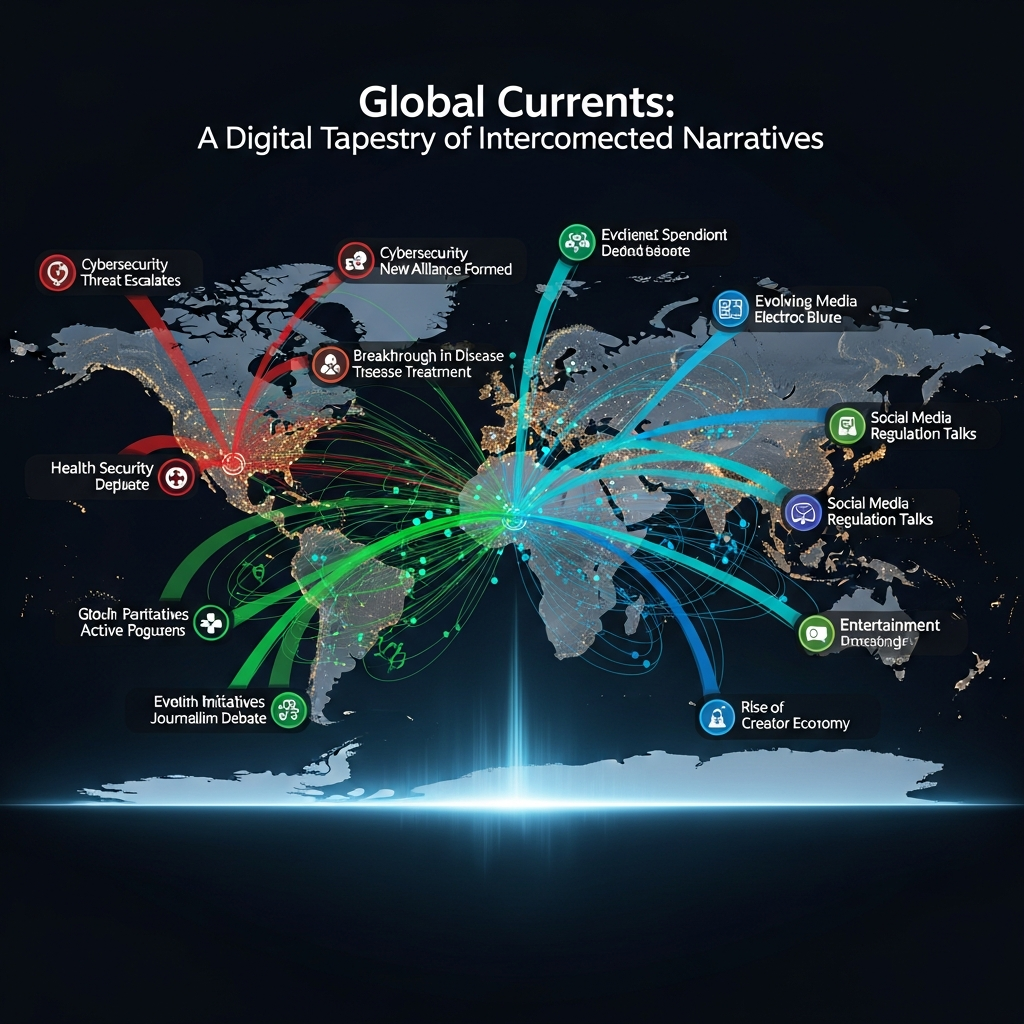
Staying informed in today’s fast-paced world means navigating a complex tapestry of global headlines. From crucial shifts in national security to inspiring health initiatives, evolving media landscapes, historical reflections, and the vibrant world of entertainment, current events shape our understanding. This article unpacks a range of pivotal stories, offering a comprehensive look at key developments and the diverse perspectives that define them. Understanding these disparate narratives provides a richer insight into our interconnected global society.
Decoding Geopolitical Tensions: The Latest in National Security
Recent events underscore the intricate challenges facing international security and foreign policy. Discussions around controversial military actions highlight the complexities of modern warfare and the pursuit of accountability. The “fog of war” defense often surfaces in these intense scenarios.
Controversial Military Strikes and Accountability
Defense Secretary Pete Hegseth recently addressed a contentious military follow-up strike on a suspected drug boat in the Caribbean Sea. He attributed the lack of observed survivors to the inherent chaos of combat, or “the fog of war.” Hegseth stated he did not personally witness survivors after the initial attack. The boat was “on fire” and “exploded in fire and smoke,” he reported, making visibility impossible. He later learned of the second strike but unequivocally supported the decision. This “double tap” incident, involving a U.S. strike against an alleged drug vessel, has drawn significant bipartisan scrutiny from lawmakers. Critics are suggesting that these actions could potentially constitute a war crime. Since September, the U.S. has conducted over 20 similar operations against vessels suspected of drug trafficking from Venezuela, resulting in more than 80 fatalities.
Diplomacy and Threats: Trump’s Stance on Drug Trafficking
Hegseth maintained that Special Operations commander Adm. Frank Bradley made the correct decision to sink the boat and eliminate the threat. He assured that Bradley has the administration’s full backing. President Donald Trump and the White House have also defended Hegseth. White House press secretary Karoline Leavitt confirmed Hegseth authorized Adm. Bradley to order the strikes. Trump himself, while reiterating he and Hegseth were unaware of the second strike, praised his defense secretary’s performance. In a notable escalation, Trump warned during a Cabinet meeting that the U.S. would “start doing those strikes on land, too” to combat alleged drug traffickers. He specifically mentioned Colombia, stating that “Anybody doing that and selling it into our country is subject to attack.” Despite this aggressive stance, Trump also indicated a willingness for diplomatic engagement, mentioning a recent phone call with Venezuelan President Nicolas Maduro.
Health Breakthroughs and Public Awareness Campaigns
Beyond geopolitical conflicts, personal stories of health and recovery often resonate deeply, driving public engagement and awareness. One such story recently captured global attention, demonstrating the powerful ripple effect of public figures sharing their health journeys. These stories underscore the importance of early detection and accessible health resources.
King Charles’s Cancer Journey Inspires Global Screening Drive
King Charles’s positive update on his cancer treatment has triggered a substantial increase in visits to cancer screening websites. In a televised message, the King announced his cancer treatment could be scaled back in the new year. He credited this “good news” to early diagnosis, effective medical intervention, and strict adherence to his doctors’ orders. The monarch, who disclosed his diagnosis in February 2024, used this platform to strongly encourage the public to use available cancer screening programs. His early diagnosis was pivotal, he emphasized, allowing him to “continue leading a full and active life, even while undergoing treatment.” This message was delivered in support of the “Stand Up To Cancer” campaign.
Buckingham Palace later expressed delight at the worldwide media reaction and deep gratitude for the kind comments received. A Palace spokesperson affirmed His Majesty would be “greatly encouraged and deeply touched” by the positive reception. The King was “particularly pleased at the way it has helped to shine a light on the benefits of cancer screening programmes.” He believes that sharing aspects of his personal diagnosis and treatment journey could serve a public good.
The Measurable Impact on Health Engagement
The King’s announcement had an immediate and measurable impact. Cancer Research UK reported a visit surge to its new “Screening Checker” website. Approximately 100,000 people visited the site, with the majority coming directly after the King’s broadcast. NHS England’s cancer-related web pages also saw a “substantial spike” in activity, recording nearly 4,000 views in 24 hours. This was a significant leap compared to the approximately 8,000 views registered over the entire preceding week. Michelle Mitchell, Chief Executive of Cancer Research UK, remarked that this robust public response “shows just how important open conversations about cancer can be.” The charity developed its “simple new Screening Checker” to help people understand their screening eligibility. Mitchell underscored the potential life-saving benefit, concluding that checking eligibility could be “an important step towards protecting your health.”
The Shifting Sands of News Consumption: India’s Digital Habits
The way people consume news is constantly evolving, with digital platforms playing an increasingly dominant role. This is particularly evident in rapidly developing markets like India, where mobile technology has reshaped how citizens access and engage with news. Understanding these patterns is crucial for media strategists and content creators alike.
Social Media vs. News Apps: The Indian Experience
Indians predominantly encounter news headlines first on social media platforms such as YouTube and WhatsApp. This contrasts with traditional news apps, which remain a vital source for trusted and verified updates, especially in regional languages. This dual consumption highlights social media’s immediacy and widespread reach for initial news discovery. Dedicated news applications, meanwhile, serve as a destination for in-depth, credible information. Digital news consumption in India is rising significantly, with over 70% of the population preferring online sources. Mobile technology is key; 79% of users access news directly via their smartphones. This mobile-first approach underpins how quickly information, particularly breaking news, spreads.
Social media acts as the primary “first stop” for headlines, with about 49% of Indians relying on platforms like YouTube, WhatsApp, and Facebook for initial breaking news. YouTube, in particular, leads news discovery within social media, boasting a 55% user reach for its news channels in India. It is the most impactful social platform for news consumption, followed by WhatsApp and Facebook.
The Enduring Power of Trusted News Sources
Despite social media’s prevalence for initial news encounters, popular news applications play a vital role. These apps capture a substantial audience by providing regional language news and personalized notifications. Users frequently prefer them for official and verified headlines. The growth of regional news is a significant factor boosting app popularity. By 2025, it’s projected that 60% of digital content consumption in India will be in regional languages. This trend positions news apps offering vernacular updates as increasingly important.
A key distinction in Indian news consumption is the influence of trust and credibility. While social media is widely used for immediate headlines, many Indians turn to established news apps and trusted brands for verified information. This is particularly true during critical periods like elections or major national events. This indicates a conscious user decision to seek out more detailed and reliable coverage from dedicated news sources after initial social media exposure.
Remembering History: 9/11 and the Power of Media
Historical events, especially those of immense tragedy, are often etched into collective memory. Media coverage plays a crucial role in documenting these moments, providing a timestamp of global reactions and sentiments. The September 11th terrorist attacks stand as a poignant example of how headlines capture a nation’s and the world’s immediate grief and shock.
Front-Page Reactions: A Global Chronicle of Shock
The 24th anniversary of the September 11, 2001, terrorist attacks serves as a powerful reminder of their profound and lasting global impact. For many, these attacks represented the single biggest news story of their lifetime. Individuals often recall precisely where they were when they first learned of the events. This collective memory underscores the attacks’ emotional weight.
The immediate global reaction to 9/11 was vividly captured on the front pages of newspapers worldwide on September 12, 2001. These newspapers collectively mirrored the widespread feelings of sadness, shock, and horror that permeated society. The Newseum, a former museum in Washington, D.C. dedicated to media history, archived over 100 newspaper front pages from the day after the attacks. These front pages bore powerful and stark headlines such as “ACT OF WAR” and “AMERICA’S DARKEST DAY.” These headlines profoundly underscored the immense impact the attacks had on the American psyche and global consciousness. Major American newspapers like The New York Times and The Washington Post, alongside international publications such as Canada’s The Globe and Mail and London’s The Daily Telegraph, showcased this worldwide shared experience of grief. These newspaper headlines from September 12, 2001, collectively provide an enduring historical record of global shock.
Celebrating Excellence: The 2025 Primetime Emmy Nominations
Beyond the serious news of politics and global events, the entertainment industry continues to capture significant public interest. Awards ceremonies, like the Primetime Emmys, celebrate artistic achievement and shape cultural conversations. The annual announcements generate immense anticipation and debate among fans and industry insiders.
Leading Contenders and Record-Breaking Achievements
The 77th annual Primetime Emmy Awards nominations for 2025 were recently announced, highlighting a strong field of contenders. The ceremony will broadcast live on CBS on Sunday, September 14, with comedian Nate Bargatze hosting. Bargatze himself received a nomination for “Your Friend, Nate Bargatze.” Apple TV+’s “Severance” leads with an impressive 27 nods after its second season. HBO Max’s “The Penguin” followed closely with 24 nominations. “The White Lotus” (HBO Max) and “The Studio” (Apple TV+) each garnered 23 nominations. Notably, “The Studio” joined “The Bear” for the most nominations ever received by a comedy series in a single year. Other acclaimed shows like “Hacks” also earned top nominations.
Notable Firsts and Anticipated Winners
A particularly noteworthy achievement this year is veteran movie star Harrison Ford’s first-ever Emmy nomination at 83 years old. He was recognized for his supporting role in the sitcom “Shrinking.” Actors Harvey Guillén and Brenda Song unveiled the nominations. Nominees for outstanding reality competition and outstanding talk series were exclusively revealed on “CBS Mornings.” This year’s competition looks fierce across categories, promising an exciting awards season. Previous Emmys saw FX’s “Shōgun” and “The Bear” dominate, while “Hacks” took home the top comedy award and “Baby Reindeer” excelled in limited series.
The nominees for Outstanding Drama Series include “Andor,” “The Last of Us,” and “Severance.” For Outstanding Comedy Series, “Abbott Elementary,” “The Bear,” and “Hacks” are among the top picks. Leading acting nominations saw Britt Lower and Adam Scott for “Severance,” Pedro Pascal for “The Last of Us,” and Jeremy Allen White for “The Bear.” Cate Blanchett and Colin Farrell are strong contenders in the Limited Series acting categories. The extensive list also includes nominations for supporting roles, directing, and writing. This breadth of talent ensures a robust recognition of excellence across television.
Frequently Asked Questions
How do global headlines impact public awareness on diverse issues?
Global headlines significantly shape public awareness across various crucial issues. For instance, King Charles’s public sharing of his cancer journey directly led to a measurable surge in visits to cancer screening websites, highlighting the power of influential figures to drive health awareness. Similarly, the widespread media coverage of events like the 9/11 attacks documented collective shock and profoundly underscored their global impact. Even discussions around controversial military actions, such as the drug boat strikes defended by Pete Hegseth, spark bipartisan inquiries and bring national security concerns into public discourse. These headlines collectively inform, engage, and sometimes provoke public action.
Where do people primarily access breaking news headlines today?
The primary platforms for accessing breaking news headlines vary globally, but social media plays an increasingly dominant role. In India, for example, about 49% of people first encounter news headlines on platforms like YouTube, WhatsApp, and Facebook. While social media offers immediate dissemination, dedicated news applications remain crucial for verified and in-depth reporting, particularly for regional news. Mobile devices are central to this trend, with 79% of users in India accessing news via smartphones. This indicates a hybrid consumption model where social media alerts users to breaking news, and trusted news apps provide comprehensive, credible details.
Why is staying informed across various news categories crucial?
Staying informed across diverse news categories is crucial for developing a comprehensive understanding of our interconnected world. As demonstrated by the disparate headlines discussed—from geopolitical military actions and royal health initiatives to evolving digital news consumption and entertainment awards—each category offers unique insights into societal trends, challenges, and achievements. Engaging with varied perspectives on global headlines allows individuals to connect seemingly unrelated events, understand broader implications, and participate more effectively in informed discussions. This holistic approach to news consumption enhances critical thinking and provides a richer context for understanding both local and global dynamics.
Conclusion
The modern news landscape is a rich, multifaceted environment, constantly reflecting the complexities of our world. From the strategic nuances of national security debates to the inspiring public health impact of royal revelations, the evolving digital habits of news consumers, the enduring power of historical memory, and the vibrant celebrations of artistic achievement, each global headline offers a unique lens through which to view our society. By engaging with these diverse perspectives, we gain a deeper appreciation for the forces shaping our present and influencing our future. Staying attuned to this wide range of information is not just about being informed; it’s about understanding the intricate web of human experience that defines our global community.