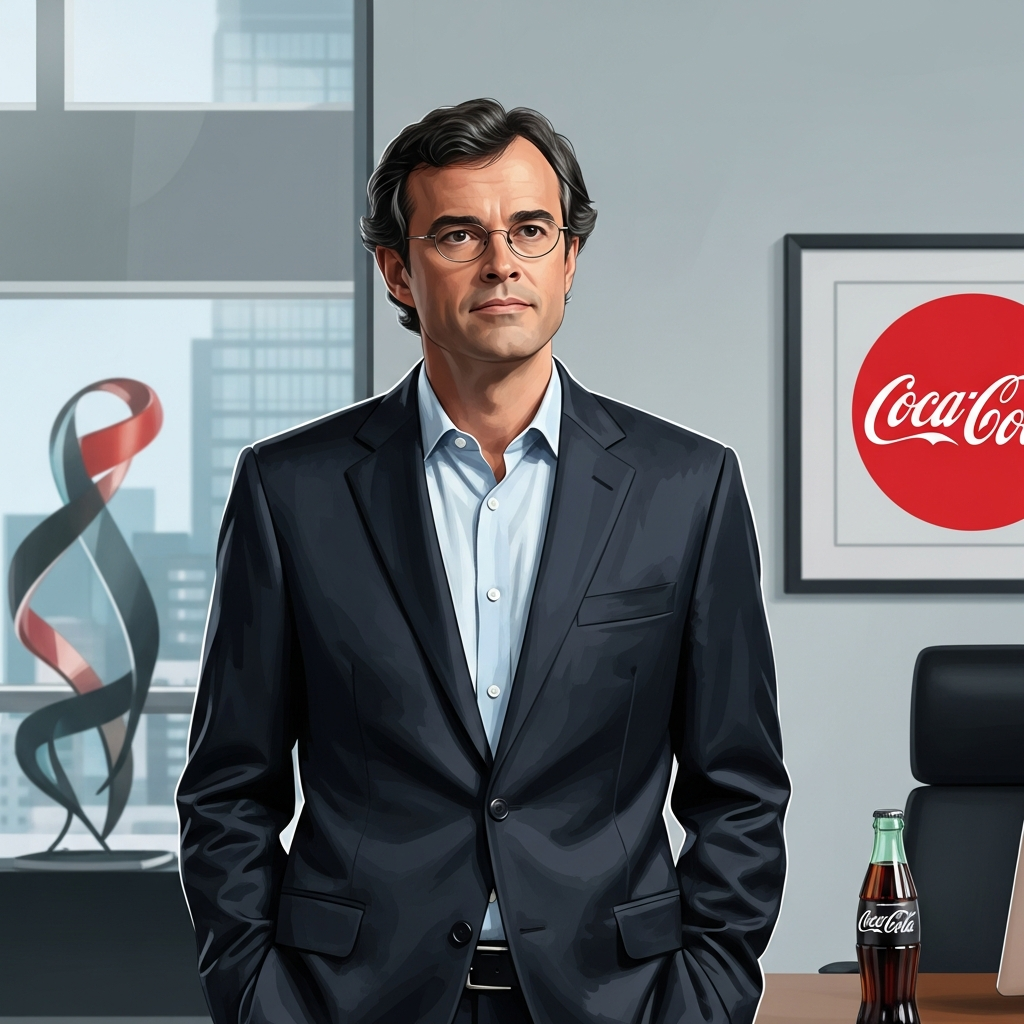
The global beverage giant, The Coca-Cola Company, is set for a significant leadership transition, announcing that veteran executive Henrique Braun will assume the role of Chief Executive Officer. This pivotal change signals a new chapter for the iconic brand, aiming to build on its robust legacy while navigating an evolving global market. Braun, currently the company’s Executive Vice President and Chief Operating Officer, will take the helm on March 31, succeeding James Quincey, who will transition to Executive Chairman. This carefully planned succession underscores Coca-Cola’s commitment to continuity and strategic evolution, ensuring its position at the forefront of the competitive beverage industry.
The Dawn of a New Era at Coca-Cola
This major corporate announcement marks a pivotal moment for Coca-Cola. It comes as the company continues to adapt to dynamic consumer preferences and economic shifts worldwide. The leadership change is the culmination of a “methodical approach” to succession planning, a process that has been underway for several years. This internal promotion reflects confidence in the company’s talent pipeline and its strategic direction.
A Strategic Succession Unveiled
Effective March 31, Henrique Braun, 57, will step into the demanding role of Chief Executive Officer. James Quincey, 60, will conclude his impactful nine-year tenure as CEO, moving into the Executive Chairman position. This move allows Quincey to continue contributing to the company’s strategic vision at the board level. Furthermore, Braun is slated for nomination to the company’s board of directors, solidifying his leadership within the organization. This ensures a seamless handover and sustained strategic guidance for the Atlanta-based global powerhouse.
Henrique Braun: A Veteran Leader for Global Growth
Henrique Braun brings nearly three decades of dedicated experience within The Coca-Cola Company to his new role. His journey through various critical leadership positions has prepared him to steer the beverage giant through its next phase of growth. Observers highlight his profound understanding of global markets and operational intricacies.
From Latin America to Global COO: Braun’s Proven Path
Braun’s career at Coca-Cola began in 1996. He quickly ascended through the ranks, demonstrating exceptional leadership across diverse international markets. Before becoming Chief Operating Officer in January, Braun served as President of Coca-Cola’s Latin America operating unit. This experience proved crucial for developing best practices in volatile, often inflationary, environments. He successfully applied these insights to bottlers across the Americas. His extensive background also includes leadership roles in Brazil, Greater China, and South Korea. This global exposure provides him with a unique perspective on consumer trends and market dynamics. Braun holds a bachelor’s degree in agricultural engineering from the Federal University of Rio de Janeiro, an MBA from Georgia State University, and a master’s in industrial engineering from the University of Michigan. His deep company experience and proven track record in challenging markets are key assets.
Priorities for a Dynamic Beverage Landscape
As the incoming Coca-Cola CEO, Henrique Braun has articulated a clear vision. He aims to unlock future growth by capitalizing on global opportunities and enhancing responsiveness to consumer needs. He also plans to expand the use of technology to drive performance across the vast Coca-Cola system. Braun emphasizes working closely with the company’s extensive network of bottlers. This collaborative approach is essential for navigating evolving tastes and competitive pressures. He expressed his honor at the appointment, pledging to build on the company’s global growth momentum.
James Quincey’s Enduring Legacy: A Decade of Transformation
James Quincey’s 30-year career with Coca-Cola culminates in a powerful legacy. His nine years as CEO were marked by significant transformation and strategic foresight. He is widely credited with reshaping Coca-Cola into a “total beverage company.” This shift broadened its portfolio beyond traditional sodas.
Shaping Coca-Cola into a Total Beverage Company
Under Quincey’s stewardship, Coca-Cola strategically diversified its product offerings. The company reportedly added ten billion-dollar brands, venturing into categories like sparkling water, coffee (Costa Coffee), energy drinks, and even milk (Fairlife). He spearheaded a strong emphasis on zero-sugar and low-calorie options. Quincey also led a major refranchising plan and oversaw a substantial restructuring in 2020. This involved halving the brand lineup to reallocate investments toward faster-growing products. Furthermore, he guided Coca-Cola into the alcoholic beverage market with Topo Chico Hard Seltzer. His vision fostered a more agile and networked company, embracing digital modernization in marketing and operations. David Weinberg, an independent director on Coca-Cola’s board, praised Quincey as a “transformative leader.” Under his leadership, Coca-Cola’s stock price experienced significant growth, climbing nearly 63%.
Navigating Challenges and Driving Innovation
Quincey successfully steered Coca-Cola through the unprecedented challenges of the COVID-19 pandemic. He is also credited with playing a pivotal role in creating Coca-Cola Europacific Partners. This entity stands as one of the world’s largest independent bottlers. His ability to innovate and adapt the business model for an increasingly dynamic market is well recognized. Quincey expressed strong confidence in Henrique Braun, affirming his belief that Braun is the “right leader” for future growth.
The Road Ahead: Navigating Market Dynamics and Consumer Shifts
Henrique Braun’s leadership comes at a crucial time for the beverage industry. Ongoing economic uncertainty, coupled with potential pressures on sales in regions like the U.S. and Europe, present significant challenges. Consumers are increasingly scrutinizing ingredients and seeking healthier, more affordable options. This intensifies competition with rivals like PepsiCo.
Despite these headwinds, Coca-Cola boasts a vast portfolio of over 200 brands worldwide. Recent successes, such as Sprite surpassing Pepsi as the second-bestselling carbonated soft drink in the U.S., highlight the company’s resilience. Braun will be tasked with continuing this growth trajectory. He will focus on expanding key brands and responding to evolving consumer demands. His extensive experience in diverse and volatile markets makes him well-suited for this complex environment. The transition is expected to be smooth, with confidence expressed by the board in Braun’s capabilities.
Maintaining Atlanta’s Global Hub Status
The leadership transition also reinforces Atlanta’s critical role in the global business landscape. As Coca-Cola CEO, Henrique Braun will operate from the company’s founding city and global headquarters. This ensures that strategic decisions for the multi-hundred-billion-dollar enterprise remain deeply rooted in Atlanta. His position solidifies his influence as one of the city’s most prominent corporate figures. This continuity in leadership from Atlanta underscores the company’s deep historical ties and its unwavering commitment to its home base.
Frequently Asked Questions
What is the effective date for Henrique Braun becoming Coca-Cola CEO, and what role will James Quincey assume?
Henrique Braun will officially assume the role of Chief Executive Officer for The Coca-Cola Company on March 31. This strategic transition follows a methodical succession plan. Current Chairman and CEO James Quincey, who has led the company for nine years, will transition to the position of Executive Chairman. This move allows Quincey to continue providing strategic guidance at the board level while ensuring a smooth leadership handover to Braun.
Who is Henrique Braun, and what experience makes him suitable to lead Coca-Cola?
Henrique Braun is a seasoned executive with nearly three decades of experience at The Coca-Cola Company. Currently, he serves as Executive Vice President and Chief Operating Officer. His extensive background includes leadership roles across Latin America, Brazil, Greater China, and South Korea, providing him with deep global market insights. Experts laud his proven track record in navigating volatile economic environments and developing best practices. His comprehensive operational and international experience positions him ideally to lead Coca-Cola through evolving consumer preferences and market dynamics.
How does this leadership change reflect Coca-Cola’s future strategy amidst evolving consumer demands?
This leadership transition reflects Coca-Cola’s strategic commitment to both continuity and dynamic adaptation. By appointing an internal veteran like Henrique Braun, the company ensures a deep understanding of its core business and global bottling system. Braun’s stated priorities—capitalizing on global growth, enhancing responsiveness to consumer needs, and leveraging technology—align with the industry’s shift towards diverse, healthier, and technologically integrated beverage solutions. This move aims to build on James Quincey’s “total beverage company” vision, further innovating and expanding the portfolio to meet future market challenges and opportunities.
Conclusion
The appointment of Henrique Braun as the new Coca-Cola CEO marks a significant strategic pivot for the global beverage giant. This carefully orchestrated leadership change leverages the deep expertise of a company veteran, ensuring continuity while embracing future-focused growth. Building on James Quincey’s transformative legacy, Braun is poised to steer Coca-Cola through an increasingly complex market. His focus on global opportunities, consumer responsiveness, and technological integration will be crucial. As Coca-Cola moves forward, this transition underscores its enduring strength and adaptability, promising continued innovation and market leadership from its Atlanta headquarters.