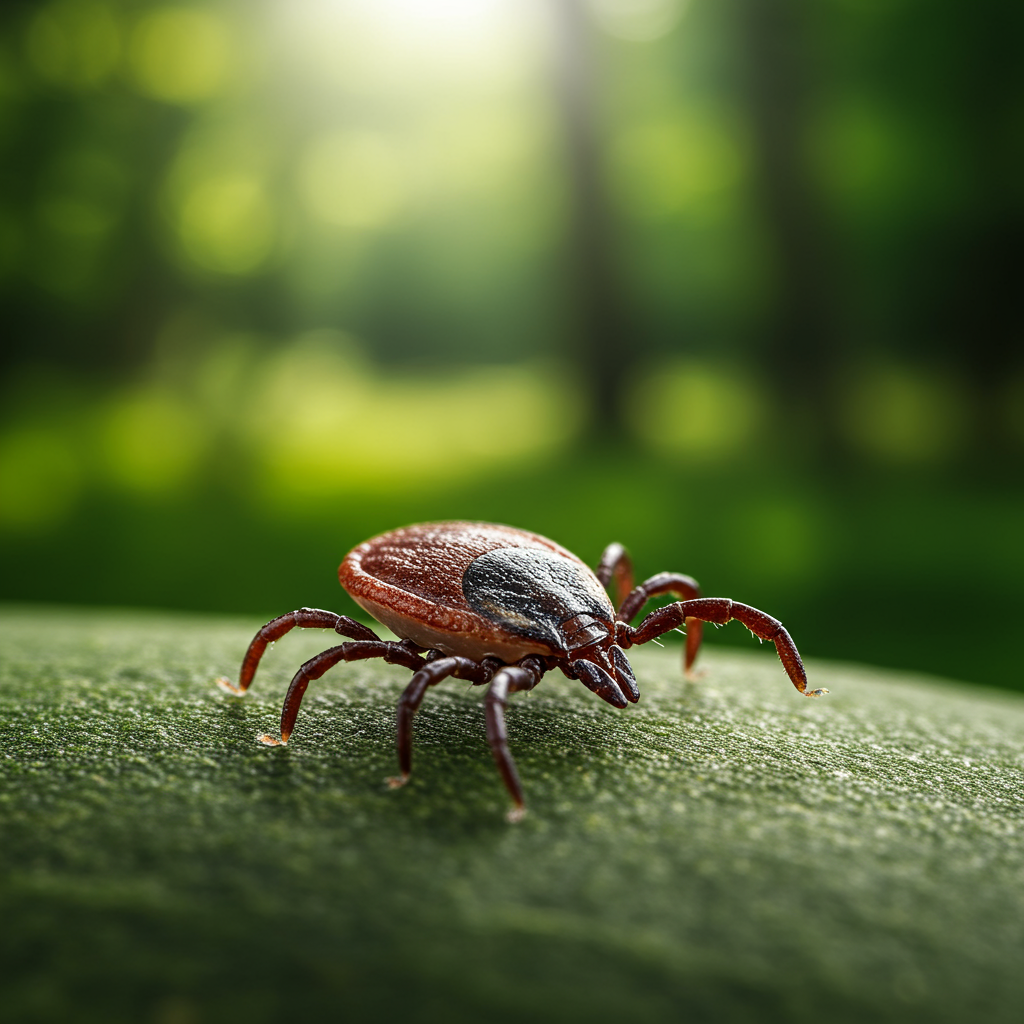
Tick season is here, and experts warn it’s shaping up to be particularly challenging this year. Across the United States and Canada, tick populations and the illnesses they carry, like Lyme disease, are on the rise. This growing threat isn’t just a minor nuisance; it poses a significant public health concern. Understanding the reasons behind this surge and implementing effective protection strategies are crucial steps for staying safe outdoors.
Why is the tick threat increasing? Several interconnected factors are creating a perfect storm for tick proliferation.
The Perfect Storm: Why Tick Populations Are Expanding
Climate change plays a major role. Warmer temperatures allow ticks to survive milder winters and expand into regions that were previously too cold. This extends their active season, sometimes requiring vigilance year-round in some areas. Winters are simply “no longer limiting the tick population,” notes one expert.
Habitat changes also contribute significantly. Reforestation efforts create preferred woodland environments for species like blacklegged ticks. At the same time, human expansion into previously undeveloped or forested areas brings people and pets into closer contact with tick habitats. Wildlife, particularly whitetail deer, are primary hosts for deer ticks and thrive in these expanding suburban and urban environments. Their movement helps ticks spread rapidly across the landscape. Experts describe this decades-long trend as an “epidemic in slow motion.”
Increasing tick diversity is another concern. New tick species are appearing in regions where they were previously uncommon, sometimes bringing novel diseases. Southern species, like the Gulf Coast tick and Lone Star tick, are now detected further north. While the blacklegged tick remains the primary concern for Lyme disease in the Eastern U.S., the presence of multiple tick types increases the overall risk of encountering a variety of tickborne pathogens.
Rapid growth in tick numbers directly correlates with a rise in tickborne illnesses. Data from various regions show dramatic increases in reported Lyme disease cases. For instance, Ohio saw over a tenfold increase in Lyme cases in a decade. Officials estimate nearly half a million Lyme infections occur annually in the U.S. The speed of this spread over the last decade is often underestimated.
Understanding the Tick Threat: Species and Risks
Ticks are not uniform; different species pose different risks and inhabit various environments. The blacklegged tick, or deer tick, is the main vector for Lyme disease, anaplasmosis, babesiosis, and other illnesses. These ticks typically prefer wooded areas. Lone Star ticks are found in woodlands with dense undergrowth, while American dog ticks frequent grassy fields and areas with less tree cover. Knowing which ticks are common in your local area or travel destination helps assess your specific risk. Resources like the CDC’s surveillance data can be helpful.
Tick activity varies by species and life stage. Blacklegged tick nymphs, tiny and responsible for most Lyme cases, are highly active in spring and summer. Adult blacklegged ticks are more active in cooler months. Other species like Lone Star and American dog ticks are generally active from April through September. While seasonal peaks exist, ticks can potentially be encountered year-round depending on the climate.
A single tick bite can be particularly concerning because ticks often carry multiple pathogens. This means a bite could transmit Lyme disease and anaplasmosis simultaneously, potentially leading to more severe health impacts than a single infection. Awareness of the potential for co-infections is important.
Proactive Steps: Essential Tick Bite Prevention
Preventing tick bites is the most effective strategy to avoid tickborne illnesses. Fortunately, several proven methods can significantly reduce your risk.
Before heading outdoors, especially in tick-prone areas, understand your local risks. Different regions have different dominant tick species and associated diseases.
When walking or hiking, stay in the center of cleared trails. Avoid pushing through tall grass, dense brush, or thick undergrowth where ticks typically wait to grab onto a host. Ticks often crawl up from vegetation on the ground.
Choose your clothing wisely. Wear light-colored clothing to make ticks easier to spot against the fabric. Cover exposed skin as much as possible by wearing long-sleeved shirts and long pants. Tuck your pants into your socks to create a barrier that prevents ticks from crawling up your legs.
Use effective tick repellents correctly. EPA-registered insect repellents containing 20-30% DEET, 20% picaridin, or 30% synthetic oil of lemon eucalyptus (OLE – avoid for children under 3) are recommended for use on exposed skin. Always follow product instructions for reapplication frequency.
Treat clothing and gear with permethrin. This insecticide kills ticks on contact and can remain effective through several washes. Apply permethrin to clothes, shoes, and camping gear outdoors, hanging them up while treating, never while wearing them. Commercial permethrin-treated clothing is also available.
after Spending Time Outdoors: Checks and Routines
Your actions immediately after coming inside are critical for preventing bites and potential infection. Remove your clothing and place it directly into a dryer on high heat for at least 10 minutes. High heat effectively kills any ticks that might be clinging to the fabric.
Follow this with a thorough body check. Ticks are small and can attach anywhere, but they favor warm, hidden spots. Carefully inspect underarms, behind ears, behind knees, the groin area, hairline, waist, belly button, and between fingers and toes. Use a mirror or have a partner assist with hard-to-see areas like your back. Blacklegged tick nymphs can be as small as a sesame seed, requiring close attention.
Showering after outdoor activities is also recommended. Ticks often crawl on the skin for some time before biting and may be washed off during a shower.
Don’t forget your furry companions. Pets should also be checked for ticks immediately after spending time outdoors. Consult your veterinarian about tick-preventative products recommended for pets in your area.
Safe Tick Removal: Act Quickly
If you find an attached tick, prompt and safe removal is key. For Lyme disease, a tick typically needs to feed for 36 to 48 hours to transmit enough bacteria to cause infection. Removing it sooner significantly reduces risk.
The best tool for tick removal is fine-tipped tweezers. Grasp the tick as close to the skin’s surface as possible. Pull upward with steady, even pressure. Do not twist or jerk the tick, as this can cause its mouthparts to break off and remain embedded.
Avoid using folk remedies like burning the tick, covering it with petroleum jelly, or using nail polish. These methods are ineffective and can potentially cause the tick to release more pathogens.
If mouthparts remain embedded after removal, clean the area with rubbing alcohol or soap and water. The mouthparts can be left alone; they are unlikely to cause illness and will typically expel on their own.
After removal, dispose of the live tick safely by putting it in a sealed container, wrapping it tightly in tape, or flushing it down the toilet. Clean the bite area and your hands with soap and water or rubbing alcohol.
Keeping the removed tick for potential testing might seem helpful. However, the CDC advises against sending individual ticks for testing, as the result from one tick may not be informative, especially since multiple bites are possible. Instead, focus on symptom monitoring.
Recognizing symptoms and Seeking Medical Care
Vigilance for symptoms following potential tick exposure is extremely important. Symptoms can vary widely and often overlap with other illnesses.
Lyme disease is the most common U.S. tickborne illness. Early symptoms typically appear 3 to 30 days after a bite. A characteristic bull’s-eye rash (erythema migrans) occurs in most cases, but not always, and can appear anywhere on the body. Flu-like symptoms often accompany or precede the rash, including fever, headache, fatigue, joint stiffness, muscle aches, and swollen lymph nodes.
Other tickborne illnesses like anaplasmosis, babesiosis, ehrlichiosis, and Rocky Mountain spotted fever can also present with flu-like symptoms. Anaplasmosis, for example, can cause a dangerous drop in blood cells and may require emergency care.
If you experience any of these symptoms after spending time outdoors, especially in tick-prone areas, contact your doctor immediately. Early diagnosis and treatment, typically with antibiotics like doxycycline, amoxicillin, or cefuroxime, are crucial for a full recovery. Delayed treatment can allow the infection to spread, potentially causing severe problems affecting joints, the heart, or the nervous system. Some individuals may experience persistent symptoms even after treatment, known as post-Lyme disease syndrome.
Taking proactive steps, understanding the risks, and acting quickly if symptoms arise are your best defenses against the increasing threat posed by ticks and tickborne illnesses.
Frequently Asked Questions
Why is tick season getting worse across the U.S. and Canada?
Experts point to several factors making tick seasons more severe. Milder winters linked to climate change allow more ticks to survive. Expanding forests and human development into natural areas increase contact between ticks and people. Growing populations of deer and other wildlife help ticks spread rapidly. An increase in the diversity of tick species also contributes to rising risks.
What are the most effective ways to prevent tick bites?
Effective prevention involves multiple strategies. Use EPA-registered tick repellents on exposed skin. Treat clothing and gear with permethrin. Wear light-colored clothing, long sleeves, long pants tucked into socks when in tick habitats. Stay on cleared paths and avoid dense vegetation. Conduct thorough tick checks on yourself and pets immediately after being outdoors.
How do I safely remove an attached tick and what are the next steps?
Use fine-tipped tweezers to grasp the tick firmly as close to the skin as possible. Pull straight up with steady pressure. Do not twist or jerk. Clean the bite area and your hands with rubbing alcohol or soap and water. Monitor the bite area and yourself for symptoms of tickborne illness in the following weeks. Contact a doctor if symptoms like a rash or flu-like symptoms develop.
Stay informed about tick activity in your region and the types of tickborne illnesses prevalent there. While the increasing tick population is concerning, applying these prevention strategies and knowing how to respond can help you continue to enjoy the outdoors safely. Awareness and preparedness are your strongest allies in the fight against tick bites.