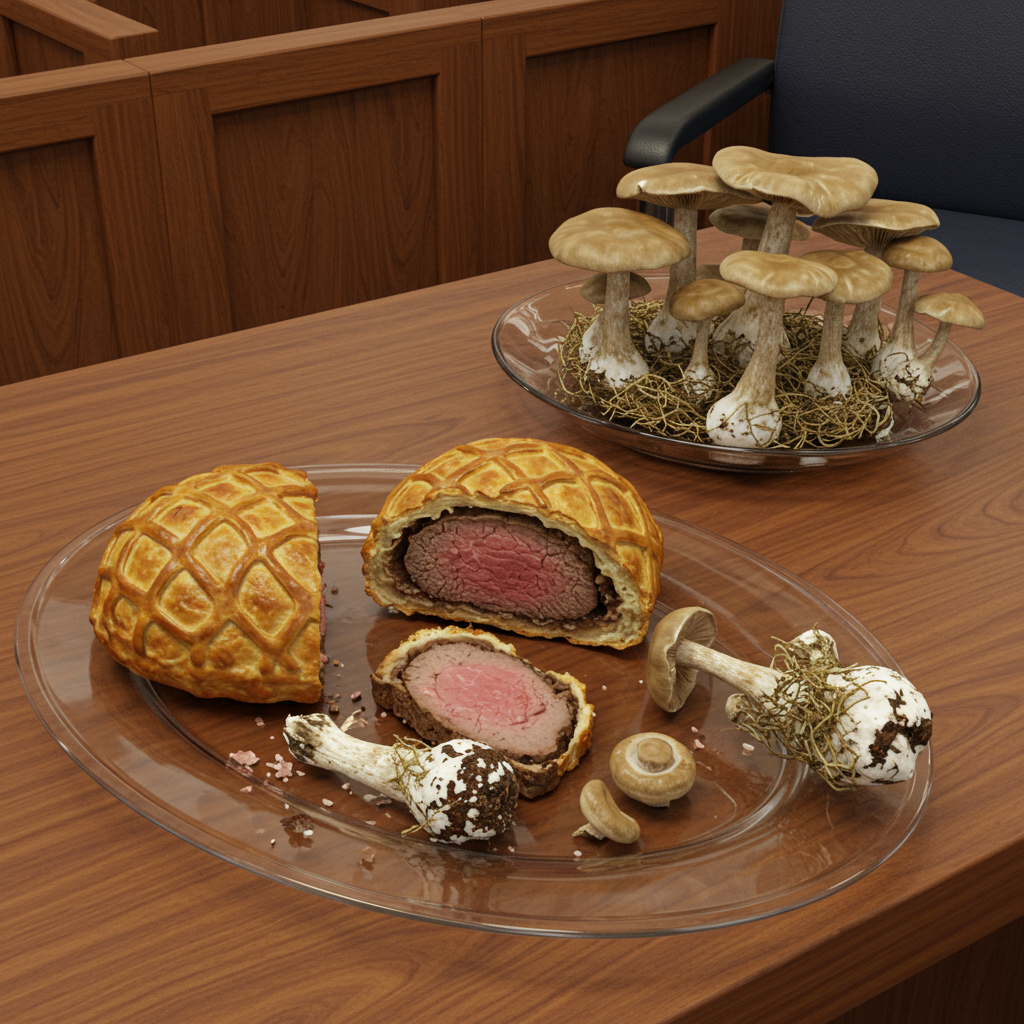
A grim glimpse into one of Australia’s most shocking criminal cases has emerged. Following the guilty verdict against Erin patterson, a court has now released compelling photographic evidence central to the tragic events. These images depict the toxic mushrooms and the remains of the fatal Beef Wellington meal that led to the deaths of three people in a small Victorian town.
The case, often dubbed the “mushroom murders,” captivated attention both locally and internationally. At its heart was a family lunch hosted by Erin Patterson at her home in Koornalla, near the town of Leongatha, in July 2023.
The Fatal Family Gathering
Erin Patterson, aged 50, invited four relatives of her estranged husband to lunch on July 29, 2023. The planned gathering included her former in-laws, Don Patterson and Gail Patterson, both aged 70, along with Gail’s sister, Heather Wilkinson, 66, and Heather’s husband, Ian Wilkinson.
Tragically, three of the guests became severely ill shortly after the meal and later died in hospital: Don Patterson, Gail Patterson, and Heather Wilkinson. Ian Wilkinson also fell gravely ill but survived after an extended period of intensive medical treatment. Erin Patterson’s estranged husband, Simon Patterson, was invited but chose not to attend the lunch, reportedly feeling “uncomfortable” due to existing tensions.
Beef Wellington and Deadly Fungi
The dish served to the guests was Beef Wellington. The central allegation was that this meal contained highly poisonous death cap mushrooms (Amanita phalloides). These fungi are notoriously deadly, responsible for the vast majority of fatal mushroom poisonings worldwide.
A critical fact highlighted during the trial was the resilience of death cap mushroom toxins. Unlike many other poisons, the deadly compounds in these mushrooms cannot be destroyed by cooking, freezing, or even drying. Even consuming a small piece can be fatal.
Key Court Exhibits Revealed
Following the lengthy trial, the Supreme Court of Victoria made public approximately 100 images that were presented to the jury as evidence. These exhibits provided visual support for the prosecution’s case against Erin Patterson. Among the most striking images released are photographs of the leftover Beef Wellington from the fatal lunch.
These leftovers were crucial pieces of evidence. Police recovered them from Patterson’s household bin shortly after the guests became ill. The samples were carefully collected in specimen bags to prevent contamination before being sent for forensic analysis. Tests confirmed the presence of deadly death cap mushroom toxins in the meal remnants.
The Digital Breadcrumb Trail
Investigators meticulously pieced together a digital trail pointing towards Erin Patterson having actively sought out the poisonous mushrooms. Evidence showed Patterson had used the online plant identification database, iNaturalist. Her search history revealed she had viewed sightings of death cap mushrooms in towns located near her home before the fatal lunch.
Furthermore, mobile phone location data linked Patterson to travel in the vicinity of these specific towns where death cap mushrooms had been recently reported by concerned locals. This data also indicated she purchased a food dehydrator during her travels home. Photos recovered from her mobile phone added another layer of evidence, appearing to show what looked like death cap mushrooms on weighing scales, suggesting preparation.
The Mystery of the Discarded Dehydrator
A key piece of physical evidence was a food dehydrator. Traces of death cap mushrooms were later found inside this appliance. Evidence presented at trial, including CCTV footage, showed Erin Patterson disposing of a food dehydrator at a local e-waste transfer station just days after the fatal lunch.
When questioned by police, Patterson initially denied ever owning a food dehydrator. However, this claim was contradicted by evidence presented by the prosecution. An instruction manual for a dehydrator was found in her kitchen drawer. Additionally, posts she had made in a true crime Facebook group showed her discussing and boasting about using such an appliance. Police recovered the discarded dehydrator from the tip. Forensic analysis subsequently found not only traces of death cap mushrooms but also Erin Patterson’s fingertips on the device.
Prosecution Alleges Deliberate Deception
The prosecution’s case rested on the argument that Erin Patterson’s actions were not a tragic accident but a deliberate act of murder and attempted murder. They contended she engaged in a series of “major deceptions.” Firstly, they alleged she fabricated a cancer diagnosis to create a narrative that might explain her potential future actions or gain sympathy. Patterson later admitted in court that she had never had cancer, claiming the lie was a cover for planned weight loss surgery she felt embarrassed to discuss.
Secondly, prosecutors argued that Patterson intentionally added death cap mushrooms to the Beef Wellington portions served to her guests while ensuring her own plate was free of the toxin. Survivor Ian Wilkinson testified about the meal setup, noting that his wife was served on a different colored plate, a detail the prosecution used to suggest individual plating allowed for control over ingredients. Thirdly, they alleged she lied about also becoming sick from the food to deflect suspicion. Finally, prosecutors argued she engaged in a clear cover-up, attempting to destroy crucial evidence like the food dehydrator and lying extensively to police investigators about her actions and knowledge.
The Defence’s Claim of Accident
Throughout the trial, Erin Patterson maintained her plea of not guilty to all charges. Her legal team argued that the deaths were a “terrible accident.” Patterson testified as the sole witness for her defence for eight days. She reiterated that the fatal lunch was not intentional and that she had no motive to harm her in-laws or their relatives, whom she claimed she had invited to maintain a positive relationship.
Patterson offered explanations for her inconsistent statements and actions. She attributed her lie about having cancer to embarrassment over weight loss surgery plans and wanting advice on how to tell her children. Regarding why she didn’t experience the same severe symptoms as her guests, she claimed she had secretly binged on a cake brought by her mother-in-law and then made herself sick. Despite her emotional testimony and explanations, the jury ultimately rejected her defence.
Guilty Verdict Handed Down
After a trial spanning nine weeks and a week of jury deliberation, the 12-member jury in the Supreme Court of Victoria found Erin Patterson guilty on all counts: three counts of murder and one count of attempted murder. Patterson reportedly showed little emotion as the verdicts were read in court, only blinking rapidly.
The verdict means the jury was satisfied beyond reasonable doubt that Patterson knew the mushrooms were deadly and intended to cause harm or death. The release of court exhibits, including the images of the Beef Wellington leftovers found discarded in the bin and the evidence related to the deliberate disposal of the mushroom-laced dehydrator, visually underscore the key findings of the trial that led to the conviction.
Frequently Asked Questions
What was the meal served that led to the Erin Patterson case?
The fatal meal served by Erin Patterson at her home in July 2023 was Beef Wellington. Evidence presented during her murder trial showed this dish contained highly poisonous death cap mushrooms. These specific fungi are known for toxins that are not neutralized by cooking.
What were some key pieces of evidence presented against Erin Patterson?
Crucial evidence included leftovers of the Beef Wellington recovered from her bin containing death cap mushroom traces. Investigators also presented her online search history for death cap mushrooms on iNaturalist, mobile phone location data placing her near sighting locations, photos on her phone showing mushrooms on scales, and a food dehydrator found discarded at a tip with mushroom traces, which contradicted her initial denials of ownership.
Why did Erin Patterson claim she wasn’t as sick as her guests?
During her defence testimony, Erin Patterson claimed she had eaten a different part of the Beef Wellington and secretly binged on a cake brought by her mother-in-law after the meal. She stated she then made herself sick, which she suggested might have explained why she did not suffer the same level of severe mushroom poisoning symptoms as her guests.
Conclusion
The conviction of Erin Patterson marks the conclusion of a complex and harrowing case centered around a fatal family meal. The release of court exhibits, including images of the poisonous Beef Wellington leftovers, provides a stark visual record of the evidence that contributed to the jury’s finding of guilt. As Erin Patterson awaits sentencing, the details revealed through the trial exhibits ensure the public understands the tragic events and the basis upon which the verdict was reached in this high-profile Australian case.