The upcoming samsung galaxy studio headphones are reportedly at the center of a strategic branding shift as the tech giant prepares to enter the premium over-ear audio market. According to recent leaks and trademark filings, Samsung is moving beyond its successful Galaxy Buds lineup to introduce a more substantial, high-fidelity audio experience aimed at competing with established industry leaders.
Key Takeaways
- New Branding: Samsung may officially name its upcoming over-ear headphones “Galaxy Studio,” according to a leak from tipster @evowizz.
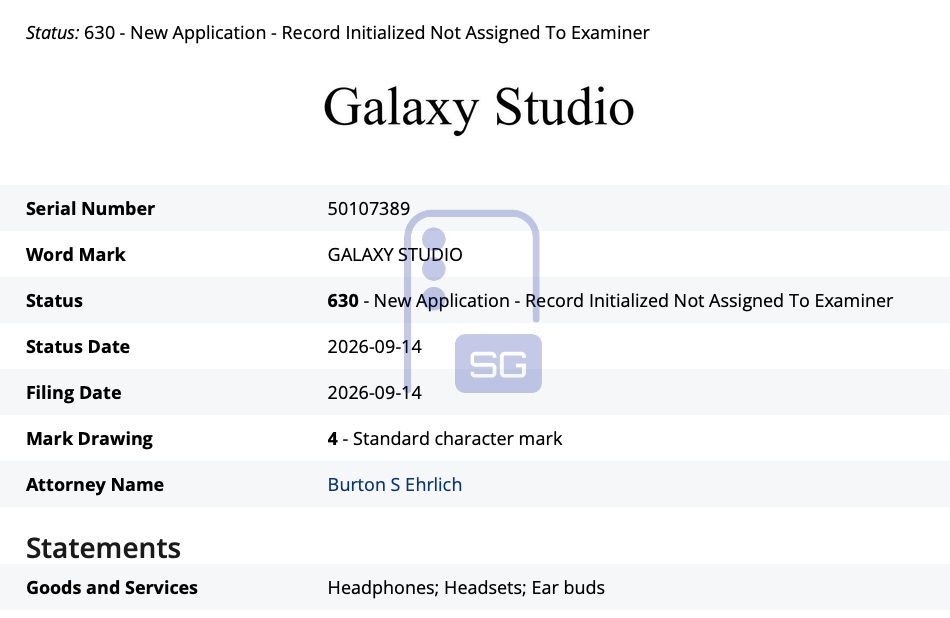
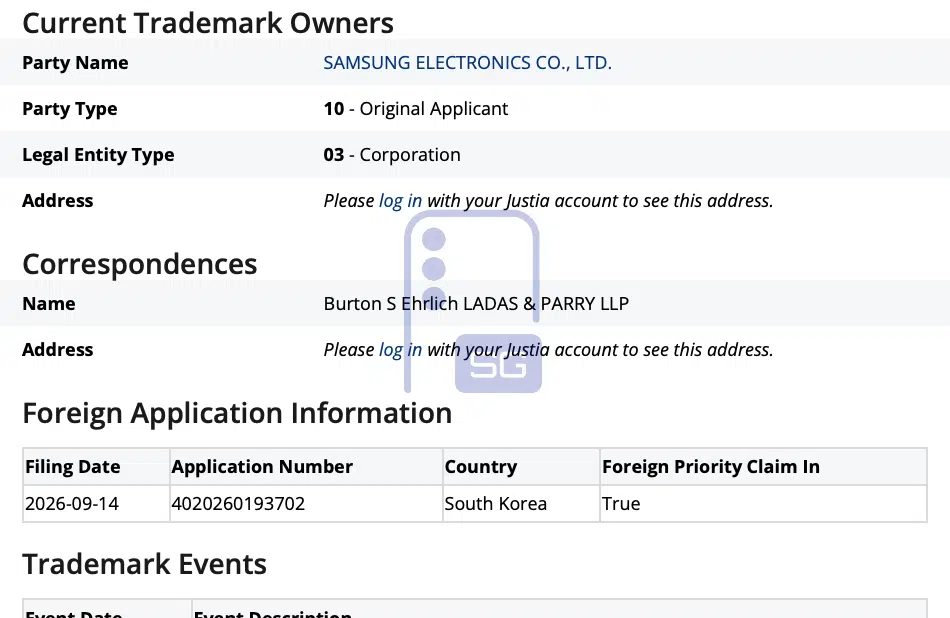
- Trademark Evidence: A September 14, 2026, U.S. trademark application by Samsung under Class 9 (audio goods) provides strong evidence for this product launch.
- Internal Codename: The project is currently known internally within Samsung as “H1.”
- Strategic Shift: The name “Galaxy Studio” marks a transition from being a retail service name (Class 35) to a dedicated hardware brand (Class 9).
- Market Ambition: This move signals Samsung’s intent to challenge dominant players like Sony, Bose, and Apple in the high-end over-ear segment.
- The Galaxy Buds Era: Focused on portability, convenience, and integration with smartphones. These devices prioritized the “on-the-go” lifestyle.
- The Galaxy Buds On Era: A move toward specialized form factors, such as open-ear designs, to cater to specific user needs like situational awareness.
- The Galaxy Studio Era (Project H1): A move toward immersion, high-fidelity, and long-form listening. This targets the user who wants to replace their dedicated home or office headphones with a mobile-first, high-performance alternative.
- Additional Trademark Filings: Keep an eye on the USPTO for filings related to “Galaxy Studio” in other classes, such as software or mobile applications, which would suggest a deep ecosystem integration.
- Supply Chain Leaks: As the product moves closer to production, expect leaks regarding battery capacities, driver sizes, and specific sensor technologies (such as proximity sensors or heart rate monitors).
- Samsung Unpacked Events: While Samsung often announces wearables at specific seasonal events, a major new hardware category like over-ear headphones might warrant a dedicated announcement or a prominent spot in a major Unpacked presentation.
- sammyguru.com
- 9to5google.com
What Happened
On October 8, 2026, industry reports surfaced suggesting that Samsung is nearing the launch of its first dedicated line of over-ear headphones. The primary catalyst for this news was a leak from Android developer and well-known tipster @evowizz on the platform X (formerly Twitter). The tipster claims that the new hardware will carry the name “Galaxy Studio.”
This claim gained significant traction due to the tipster’s track record; SammyGuru noted that @evowizz was the same source who accurately predicted the naming of the recently released Galaxy Buds On.
While the leak provides a potential name, technical specifications, design aesthetics, and an official release window remain unconfirmed. However, the news is bolstered by official legal documentation. According to a report by Abhinav Anand, News Editor at SammyGuru, Samsung filed a new trademark application in the United States on September 14, 2026. This specific filing targets Class 9, which encompasses goods such as headphones, headsets, and earbuds. This is a significant departure from Samsung’s existing use of the “Galaxy Studio” name, which has historically been reserved for retail demonstration zones and pop-up experience centers.

Why It Matters
For years, Samsung has been a dominant force in the true wireless stereo (TWS) market through its Galaxy Buds series. However, the over-ear headphone market represents a different tier of consumer engagement, characterized by higher price points, longer battery life requirements, and a focus on professional-grade active noise cancellation (ANC).
By introducing the Samsung Galaxy Studio headphones, the company is attempting to close a gap in its wearable ecosystem. For users already deeply embedded in the Samsung Galaxy mobile ecosystem, a dedicated pair of over-ear headphones would offer seamless integration, potentially including features like auto-switching between devices, enhanced spatial audio, and deep integration with Galaxy AI services.
Furthermore, the choice of the word “Studio” is a calculated branding move. In the audio industry, “studio” is a term synonymous with professional monitoring, high-fidelity reproduction, and precision. By adopting this nomenclature, Samsung is signaling to audiophiles and professional creators that these are not merely lifestyle accessories, but serious tools for high-quality sound consumption.
Deep-Dive: The Trademark Evolution
To understand the weight of this announcement, one must look at the legal distinction between the trademark classes Samsung has utilized in the past versus its recent filings. Trademark classes are used by the United States Patent and Trademark Office (USPTO) to categorize the specific types of goods and services a company intends to protect.
| Feature | Previous “Galaxy Studio” Use | New “Galaxy Studio” Filing (Sept 2026) |
|---|---|---|
| Trademark Class | Class 35 | Class 9 |
| Primary Focus | Retail and demonstration services | Audio hardware and electronics |
| Core Goods/Services | Pop-up stores, retail zones, consumer info | Headphones, headsets, earbuds |
| Strategic Intent | Customer experience and brand presence | Product manufacturing and sales |
As noted by SammyGuru, Samsung has held the “Galaxy Studio” trademark under Class 35 since 2016. This was used to describe physical retail experience zones where consumers could interact with Samsung electronics. The new filing on September 14, 2026, under Class 9, specifically lists “Headphones; Headsets; Ear buds” as the goods. This transition suggests that Samsung is no longer just using the name to describe where you buy things, but what you are buying.
The “H1” Codename and Development
While the public-facing name may be “Galaxy Studio,” the internal development of these headphones has been tracked under the codename “H1.” This internal designation suggests a focused, perhaps even modular, development process. In many large-scale tech organizations, codenames are used to protect intellectual property during the sensitive stages of acoustic engineering and industrial design.
Samsung’s Audio Strategy: From Buds to Studio
Samsung’s expansion into over-ear audio is not an isolated event but rather a continuation of a broader strategy to dominate the “Galaxy” ecosystem. The company’s audio roadmap has evolved rapidly over the last several years:
This tiered approach allows Samsung to capture multiple segments of the market: the casual listener (Buds), the fitness enthusiast (open-ear models), and the premium audiophile or traveler (Studio).
What It Means for You
For Galaxy Ecosystem Users
If you own a Galaxy S-series smartphone, a Galaxy Tab, or a Galaxy Watch, you can expect a significantly enhanced audio experience. The Samsung Galaxy Studio headphones will likely feature proprietary codecs that optimize wireless transmission between Samsung devices, potentially offering higher bitrates than standard Bluetooth connections used by competitors.
For Audiophiles and Professionals
If you are looking for high-fidelity sound, the “Studio” branding suggests a focus on a flatter, more accurate frequency response. While Samsung has traditionally been viewed as a consumer electronics giant rather than a high-end audio specialist, the move into Class 9 audio goods indicates a serious attempt to compete with the sonic profiles offered by brands like Sennheiser or Sony.
For Competitor Loyalists
If you currently use Apple AirPods Max or Sony WH-1000XM series headphones, Samsung’s entry into this space provides more choice. The primary advantage for Samsung users will be the “walled garden” benefits—features like seamless device switching and integrated AI assistants that work more fluidly within the Android/Samsung framework than they do in a cross-platform environment.
Counterpoints and Open Questions
Despite the strength of the trademark evidence and the credibility of the tipster, several significant questions remain.
First and foremost, a trademark application is not a guarantee of a product launch. Companies frequently file for trademarks to protect various potential directions, and it is possible that Samsung may ultimately choose a different name or even decide not to move forward with the “H1” project as planned.
Second, there is the risk of brand confusion. As SammyGuru pointed out, using a name previously reserved for retail experience zones could potentially cause minor friction in marketing. Consumers who associate “Galaxy Studio” with a physical store might find the transition to a hardware name slightly jarring, though this is a common occurrence in large-scale corporate rebranding.
Finally, the technical hurdle is immense. The over-ear market is currently dominated by companies with decades of specialized acoustic engineering experience. Samsung will need to prove that its software-driven approach to audio can match the hardware-centric excellence of brands like Bose or Sony, particularly regarding the naturalness of active noise cancellation and the longevity of battery life under heavy ANC use.

What Happens Next
Industry observers should look for several key signals in the coming months to confirm the trajectory of the Samsung Galaxy Studio headphones:
Frequently Asked Questions
Is the name “Galaxy Studio” officially confirmed by Samsung?
No. As of October 2026, the name remains a rumor based on a leak from tipster @evowizz and a trademark application filed by Samsung. While the trademark filing provides strong circumstantial evidence, Samsung has not made an official statement regarding the naming or the release of the headphones.
What is the difference between the Galaxy Buds and the rumored Galaxy Studio?
Based on current industry trends and the branding itself, the Galaxy Buds are likely to remain Samsung’s line of in-ear, portable earbuds focused on convenience and fitness. The Galaxy Studio is expected to be a line of over-ear headphones, designed for superior sound immersion, longer battery life, and a more premium, professional-grade listening experience.
What does the “H1” codename mean?
“H1” is the internal project name used by Samsung engineers and developers during the research and development phase. Codenames are standard practice in the technology industry to maintain secrecy regarding new product designs and features before they are ready for public announcement.
Why did Samsung file a new trademark in September 2026?
Samsung filed the new trademark under Class 9 specifically to protect the “Galaxy Studio” name for use on physical audio hardware like headphones and headsets. This is distinct from their existing Class 35 trademark, which covers retail and demonstration services.
Closing
Samsung’s potential move into the over-ear market with the Samsung Galaxy Studio headphones represents a significant evolutionary step for the company’s audio division. By leveraging the established “Galaxy” brand and pivoting toward a “Studio” identity, Samsung is positioning itself to challenge the status quo of the premium audio industry. Whether the “H1” project can deliver the sonic performance required to satisfy enthusiasts remains to be seen, but the strategic groundwork is clearly being laid.
References
Featured image: Image via SammyGuru