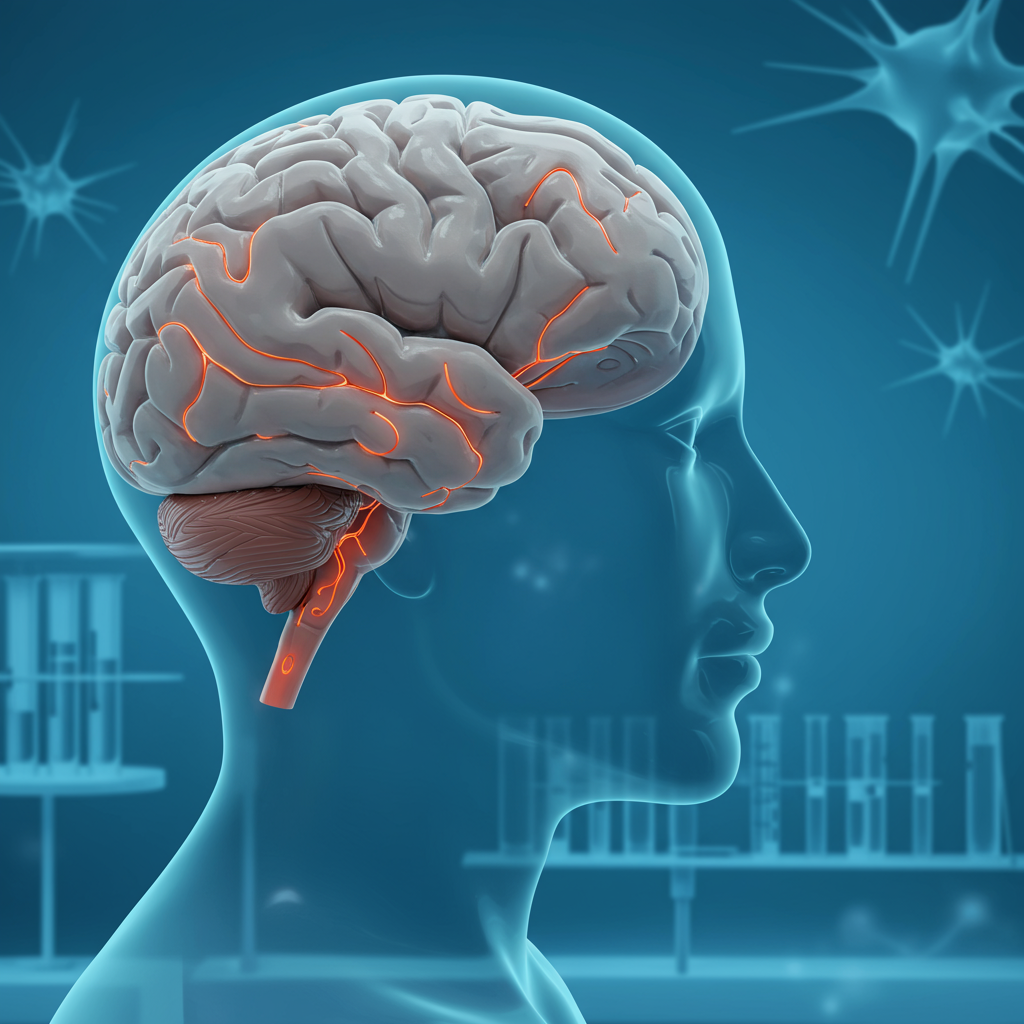
A groundbreaking new study delivers a crucial warning to adolescents and parents alike: cannabis use during the teenage years can significantly increase the risk of developing serious mental health disorders. Published in JAMA Health Forum, this extensive research found that past-year cannabis use in U.S. teens doubled the likelihood of psychotic and bipolar disorders by age 26, alongside elevated risks for depression and anxiety. This pivotal investigation challenges the common perception of marijuana as a harmless or “natural” substance, underscoring profound public health implications in an era of increasing cannabis legalization and rising THC potency.
Unpacking the Landmark Research on Adolescent Cannabis Use
The study, a comprehensive longitudinal analysis conducted within the Kaiser Permanente Health System in Northern California, tracked nearly half a million adolescents aged 13 to 17. Researchers meticulously analyzed electronic health records from 2016 to 2023, following participants until they reached 25 years old. A critical aspect of this methodology was the exclusion of teens who already showed signs of mental illness before using cannabis. This careful approach helps address the “chicken or the egg” dilemma, suggesting a potential causal link rather than just self-medication of pre-existing conditions.
Dr. Lynn Silver, a pediatrician and researcher involved in the study, highlighted the alarming findings: teens who reported cannabis use in the past year faced twice the risk of being diagnosed with severe mental illnesses such as bipolar disorder (marked by alternating episodes of depression and mania) and psychotic disorders like schizophrenia, which involves a break with reality. While these severe conditions affected a smaller segment of the study population, their societal cost is immense. Schizophrenia alone is estimated to cost the U.S. $350 billion annually, dwarfing the cannabis market’s value. Preventing such conditions could offer significant societal benefits.
Beyond Severe Illness: Broader Mental Health Impacts
The study’s insights extend beyond the most severe psychiatric conditions. Researchers also identified an elevated risk for more common mental health challenges. Among adolescent cannabis users, the risk of depression increased by approximately a third, and anxiety rose by about a quarter. Notably, this link weakened for older teens, emphasizing the particular vulnerability of the younger, still-developing brain to cannabis’s effects. Dr. Silver explained that cannabis actively impacts receptors in the developing brain, significantly altering neurological growth and heightening the risk for these disorders.
Dr. Ryan Sultan, a psychiatrist at Columbia University specializing in cannabis research, though not part of this specific study, corroborated these findings. He notes a clinical increase in teens presenting with new or worsening mental health symptoms, including anxiety, depression, and more severe conditions like bipolar disorder and psychosis, all in the context of cannabis use. Dr. Sultan underscores the complex origins of mental health disorders, acknowledging the interplay of genetics, environment, and lifestyle, but cautions that continued cannabis use for those experiencing psychotic or manic episodes is akin to “playing with fire.” Repeated use, he warns, can worsen symptoms and hinder recovery, describing severe mood disorders and psychosis as “neurotoxic” to the brain.
The Rising Tide: Potency, Legalization, and New Risks
The study’s findings emerge amidst a landscape of increasing cannabis potency and wider availability. Modern cannabis products often contain 15% to 30% THC, the psychoactive compound, a dramatic increase from the 2-3% levels common just two decades ago. The 2024 National Survey on Drug Use and Health reports that over 10% of teens aged 12 to 17 used cannabis in the past year, reflecting easier access and a widespread misperception of cannabis as a safe, natural remedy for stress. Public health experts are calling for urgent action to reduce potency and restrict youth marketing, advocating for accurate, evidence-based information for both parents and children regarding adolescent cannabis risks.
Beyond mental health, chronic teen cannabis use, especially with high THC content, poses other severe physical health risks. One increasingly recognized condition is Cannabinoid Hyperemesis Syndrome (CHS), colloquially known as “scromiting” due to the combination of screaming and violent vomiting. First identified in 2004, CHS is linked to ongoing, long-term marijuana consumption. A 2025 study revealed a tenfold increase in U.S. emergency room visits for adolescents and young adults (ages 13-21) between 2016 and 2023 due to scromiting. Symptoms include severe nausea, excessive vomiting (sometimes five times an hour), abdominal pain, dehydration, and weight loss. While hot baths offer temporary relief, complete cessation of cannabis use is the only effective treatment.
Early Initiation: A Critical Risk Factor
Another significant study, the Québec Longitudinal Study of Child Development, followed over 1,500 individuals from birth into young adulthood, revealing a distinct pattern among adolescent cannabis users. The research identified a concerning 20% of teens who began using marijuana before age 15 and became frequent users, consuming the drug at least once a month by age 17. This group, classified as early and frequent users, showed substantially higher rates of seeking healthcare for both mental and physical health conditions in young adulthood. Specifically, they had a 51% higher chance of seeking care for mental health problems and an 86% higher chance of needing care for physical health issues. These elevated risks persisted even after controlling for various confounding factors like bullying, family conflict, and social skills, strengthening the conclusion about early cannabis use’s adverse effects.
Massimiliano Orri, the study’s main author, emphasized that “the risk is concentrated among those who start early and use frequently.” Physical health problems frequently reported included respiratory issues, accidents, and unintentional injuries, potentially linked to cannabis intoxication or withdrawal. These findings underscore the critical importance of delaying cannabis use for as long as possible.
Protecting the Developing Adolescent Brain
The adolescent brain undergoes dynamic and crucial development well into young adulthood, making it particularly vulnerable to the effects of cannabis. Krista Lisdahl, a psychologist at the University of Wisconsin, Milwaukee, explains that regular cannabis use during this critical period can disrupt healthy neural development, particularly in areas governing executive functions like problem-solving, planning, impulse control, and emotion regulation. Furthermore, using cannabis as a coping mechanism for existing issues like anxiety or mood problems can prevent teens from developing healthier coping skills, effectively “atrophying” their natural ability to manage emotions and potentially exacerbating mental health symptoms into disorders.
Parents play a vital role in protecting their children. Recognizing signs of regular teen marijuana use is crucial. These can include talking loudly, increased appetite (often called “the munchies”), red eyes, forgetfulness, unusual sleepiness, the presence of marijuana paraphernalia, the distinct scent of marijuana, acting out of character, increased irritability, loss of interest in hobbies or activities, forming new friend groups, difficulty concentrating, or even stealing money. Early recognition allows for timely intervention and support for any underlying mental health issues.
Public health experts and researchers alike are calling for robust early prevention programs, clear public health messaging, and policies that limit young people’s exposure to cannabis. These interventions should target parents, adolescents, and clinicians, aiming to prevent or delay adolescent cannabis use, especially given the evolving landscape of legalization. For teens who develop conditions like Cannabinoid Hyperemesis Syndrome (CHS) or exhibit other signs of problematic use, comprehensive treatment is essential to address not only the substance use itself but also any underlying trauma, anxiety, depression, or self-worth issues.
Frequently Asked Questions
What specific mental health risks are linked to teen cannabis use?
A recent longitudinal study published in JAMA Health Forum found that teen cannabis use doubles the risk of developing severe psychiatric conditions like psychotic disorders and bipolar disorder by age 26. Additionally, the research indicated increased risks for more common mental health issues, including a roughly 33% higher chance of depression and a 25% higher chance of anxiety. These risks are particularly pronounced in younger adolescents whose brains are still undergoing critical development.
How does high THC potency impact adolescent cannabis risks?
Modern cannabis products contain significantly higher concentrations of THC (Tetrahydrocannabinol), the psychoactive component, often ranging from 15% to 30%, compared to 2-3% two decades ago. This elevated potency intensifies the drug’s effects on the developing adolescent brain, increasing the likelihood of adverse outcomes. High THC levels are linked to a greater risk of psychotic episodes, impaired brain development, and conditions like Cannabinoid Hyperemesis Syndrome (CHS) due to chronic, heavy use.
What can parents do to address teen cannabis use and its risks?
Parents should prioritize open communication, provide evidence-based information about cannabis risks, and encourage delaying use until at least age 25, as recommended by experts. Vigilance for signs of use, such as changes in behavior, appetite, or new friend groups, is crucial. If use is suspected, seeking professional help for comprehensive treatment that addresses both substance use and underlying mental health issues is vital. Supporting healthy coping mechanisms can also help prevent cannabis dependence.
Safeguarding Futures: A Call for Informed Choices
The overwhelming evidence from recent studies paints a clear picture: adolescent cannabis use is far from benign. The double risk of severe mental illnesses, coupled with heightened rates of depression and anxiety, along with emerging physical health concerns like “scromiting,” presents a serious public health challenge. As cannabis becomes more accessible and potent, it is imperative for parents, educators, clinicians, and policymakers to unite in providing accurate information and implementing protective measures. Delaying cannabis use during the critical period of adolescent brain development is a powerful step toward safeguarding the mental and physical well-being of future generations. Informed choices today will shape healthier tomorrows.