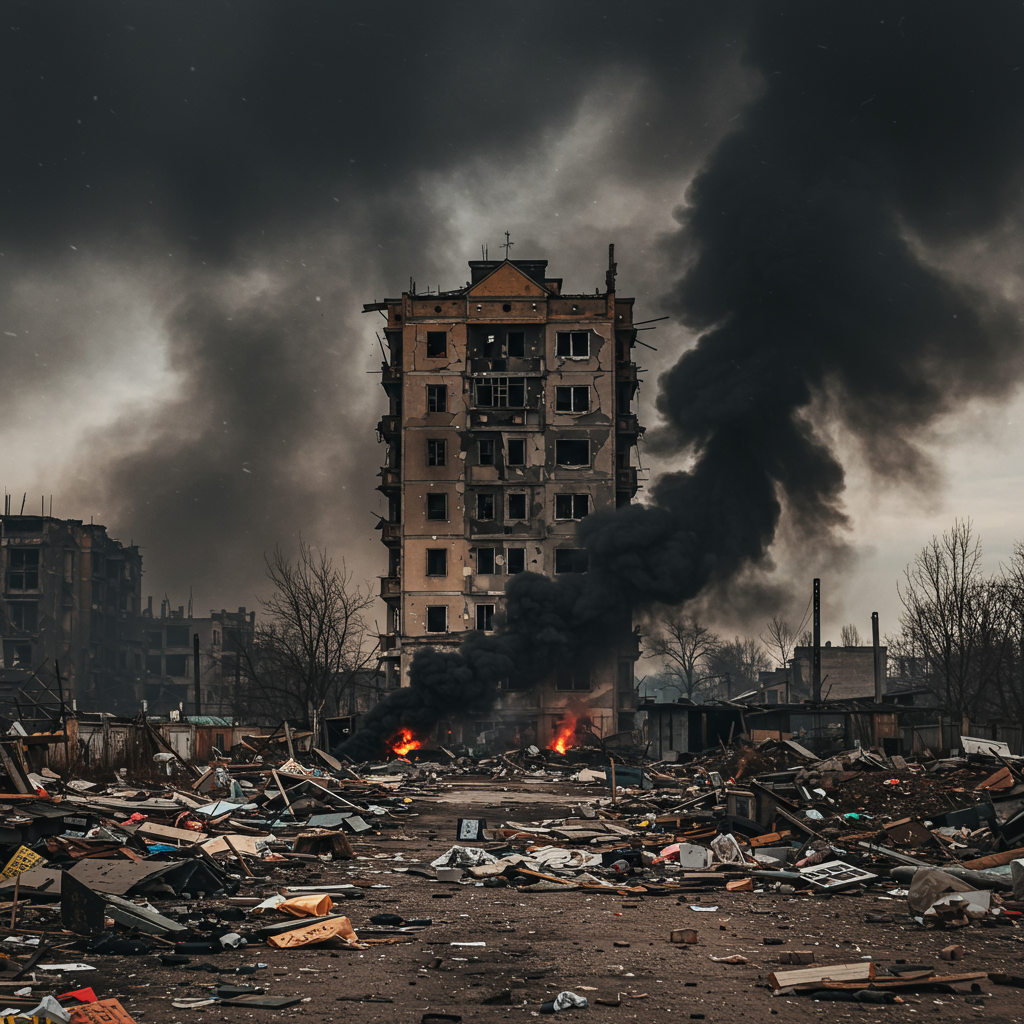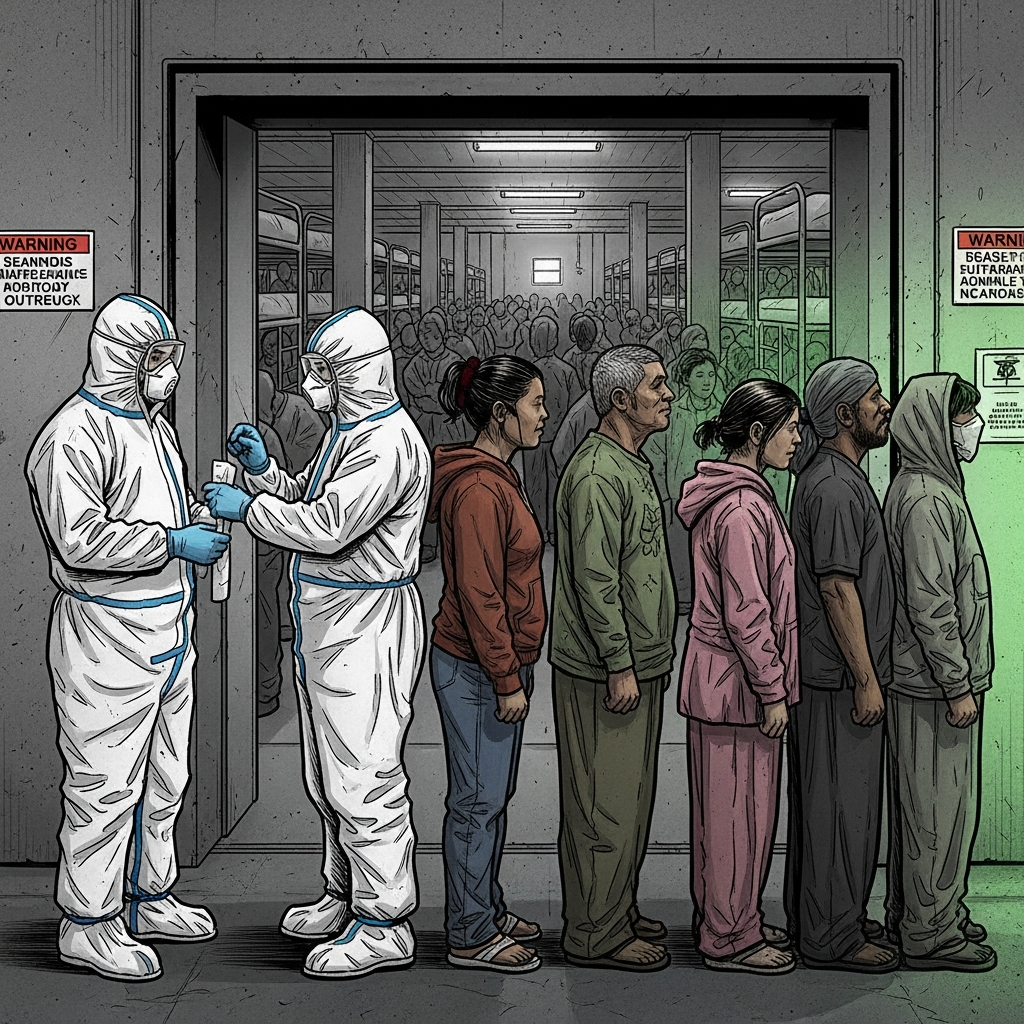
The South Texas Family Residential Center in Dilley, Texas, has been plunged into a critical public health emergency following the confirmation of active measles infections among its detainees. This alarming development at the nation’s primary immigrant family detention facility has triggered widespread concern among medical experts, lawmakers, and advocates. Federal officials have initiated immediate quarantine measures and halted all movement within the crowded center. This outbreak unfolds amidst a significant national surge in measles cases, drawing intense scrutiny to the vulnerability of congregate settings like detention facilities and raising urgent questions about detainee welfare and public health protocols.
Measles Confirmed: An Immediate Lockdown in Dilley
Two individuals detained at the South Texas Family Residential Center in Dilley, Texas, tested positive for measles, according to federal authorities. The confirmation, made on a recent Saturday, prompted an swift response from the Department of Homeland Security (DHS). Officials immediately halted all detainee movement within the facility. They also implemented quarantine protocols for both the infected individuals and anyone suspected of having come into contact with them. This facility, operated by the private company CoreCivic, is uniquely positioned as the country’s sole current immigrant family detention center, located about 70 miles south of San Antonio. Its re-contracting under the previous administration, despite earlier plans for closure, highlights ongoing complexities in immigration policy.
Unpacking the South Texas Family Residential Center’s Conditions
The measles outbreak amplifies existing concerns about conditions at the Dilley facility. Immigration advocates and legal professionals have long reported significant issues impacting detainee health and well-being. These include allegations of poor drinking water quality, inadequate food provisions, and insufficient hygiene resources. Detainees also report being forced to sleep with lights on constantly, 24 hours a day, further disrupting rest and well-being. Adding to this pressure, many families, including infants as young as two months, face prolonged detention. Some individuals remain held for over two months, with others enduring up to eight months, despite a federal settlement that generally limits the detention of children with parents to a maximum of 20 days. Such extended stays in subpar environments create heightened risks for health crises.
Why Measles Poses an Extreme Threat in Detention Settings
Experts are voicing grave concerns regarding the measles cases within the Dilley facility. Dr. Peter Hotez, a leading infectious disease specialist from Baylor College of Medicine, underscores the severity. He describes measles as “the most contagious virus agent there is,” emphasizing its potential for rapid spread in institutional settings, especially among unvaccinated populations. Hotez also points out measles’ long incubation period and extended contagiousness, noting that approximately 20% of unvaccinated children with measles typically require hospitalization.
Elissa Steglich, co-director of the University of Texas at Austin’s immigration law clinic, highlights the historical context. She points to a pattern of substandard healthcare within detention centers, noting the “highest death rates in immigration detention in decades,” with at least 32 individuals dying in ICE detention just last year. Lee Rogers, chief of podiatry at UT Health San Antonio, called for an “immediate, unified public health command-and-control” for Frio County, where Dilley is located. He categorized the situation as a public health emergency “more dire than a typical outbreak,” due to the “congregate detention” environment creating a “near-universal exposure risk.” He warned that “overlapping federal-state operational lines” could delay decisive control, potentially overwhelming local health resources.
A National Resurgence: Broader Context of Measles Outbreaks
The Dilley outbreak does not occur in isolation. It reflects a concerning national trend of increasing measles cases across the United States. Updated data from the Centers for Disease Control and Prevention (CDC) indicates a substantial rise, with at least 588 measles cases confirmed nationwide this year alone. This figure is particularly alarming, representing more cases in approximately one month than are typically recorded in an entire year. In 2025, the U.S. recorded over 2,200 measles infections, marking the highest numbers in decades. This included a significant West Texas outbreak with 762 cases, two child deaths, and 99 hospitalizations.
Measles cases have been reported in at least 17 states so far this year. The CDC attributes almost all of these cases to ongoing outbreaks concentrated in communities with low vaccination rates or among unvaccinated individuals. Federal data reveals a concerning decline in vaccination rates in recent years. During the 2024-2025 school year, only 92.5% of kindergartners received the recommended measles, mumps, rubella (MMR) vaccine. This represents a drop from previous years and a more substantial decline from the 95.2% rate observed pre-pandemic in the 2019-2020 school year. Experts indicate this decrease in vaccination coverage is a key factor fueling the current widespread outbreaks.
Calls for Action and Transparency: Mounting Criticism
The confirmed measles cases at Dilley have drawn sharp criticism from lawmakers and advocates alike. U.S. Representative Joaquin Castro, a San Antonio Democrat, has forcefully called for the immediate shutdown of the Dilley facility. He argues that the center is “not equipped to combat any spread” of such diseases. Castro cites “close-quarter conditions, lack of prompt medical response and capacity, and lack of expertise with diseases such as measles” as critical failures. He advocated for transferring diagnosed individuals to facilities with proper medical infrastructure and releasing undiagnosed detainees for their own safety. Castro’s congressional staff confirmed they were vaccinated against measles after visiting the facility.
Neha Desai, a lawyer for the National Center for Youth Law, reiterated longstanding concerns about substandard medical care at Dilley. She stated that children have become sicker or seriously ill while detained there, concluding that the situation is “untenable” and that “families should never be detained.” The Trump administration’s Health Secretary Robert F. Kennedy Jr.’s anti-vaccine rhetoric is also cited by critics, linking the national surge to a broader political stance that undermines public health efforts. DHS spokesperson Tricia McLaughlin affirmed that medical officials are monitoring detainees and taking “appropriate and active steps to prevent further infection,” asserting that “All detainees are being provided with proper medical care.” However, she declined to offer specific details on the infected detainees or the extent of ongoing vaccinations and quarantines, fueling concerns about a lack of transparency.
Broader Concerns Across ICE Detention Facilities
The issues at Dilley are not isolated. Reports from other ICE detention centers, such as those in Florence, Arizona, illustrate a pattern of limited and delayed information sharing by authorities. Three confirmed measles cases were identified there, two at the Florence Service Processing Center and one at the Central Arizona Florence Correctional Center, both operated by CoreCivic. Migrant advocates expressed profound frustration over the lack of transparency, with one advocate unaware of the specific locations of cases even days after initial reports.
Concerns extended to the release of detainees from facilities under quarantine, potentially exposing the wider public. Detainees themselves reported longer stays due to quarantine, with some offered a choice between receiving a measles vaccine or enduring an extended detention. A particularly distressing incident involved detainees reportedly forced to wait over 24 hours on buses in “unbearable” heat due to the outbreak. Furthermore, allegations surfaced that Florence detainees were instructed not to discuss the measles situation to prevent “chaos.” The question of staff vaccination requirements at these facilities remains largely unaddressed by ICE and DHS, despite a previous 2016 outbreak at the Eloy Detention Center where unvaccinated staff contributed to the spread. This consistent lack of transparent communication and consistent protocol implementation across facilities underscores systemic vulnerabilities.
Frequently Asked Questions
Why is the measles outbreak at Dilley, Texas, considered a serious public health concern?
The measles outbreak at the South Texas Family Residential Center in Dilley is a serious public health concern due to several critical factors. Measles is an extremely contagious airborne virus, making its rapid spread highly probable in crowded, congregate settings like detention facilities. Experts highlight the historically substandard healthcare conditions in these centers, combined with the fact that many detainees may be unvaccinated or have unknown vaccination statuses, creating a high-risk environment. The facility’s conditions, including poor hygiene and prolonged detention times, further exacerbate the potential for widespread infection and complicate control efforts, threatening both detainee health and broader community exposure.
What measures are authorities taking to control the measles spread in ICE detention centers?
Following the confirmed measles cases at Dilley, federal officials immediately halted all detainee movement within the facility and implemented quarantine protocols for infected individuals and their contacts. The Department of Homeland Security (DHS) stated that all detainees are receiving “proper medical care” and that medical staff are monitoring the situation. The Texas Department of State Health Services (DSHS) is collaborating on vaccine provision. However, specific details regarding the number of vaccinated individuals or the full extent of quarantines have not been publicly disclosed by federal authorities. Similar quarantine measures and vaccination offers have been reported at other affected ICE facilities, such as those in Florence, Arizona.
What wider implications does the Dilley measles outbreak have for immigration detention policies and public health?
The Dilley measles outbreak has significant implications for both immigration detention policies and public health. It highlights the urgent need for greater transparency, robust medical protocols, and improved living conditions within all immigration detention facilities. The incident fuels calls from lawmakers and advocates for the shutdown of centers like Dilley, arguing they are ill-equipped to handle infectious disease outbreaks. More broadly, the outbreak underscores the impact of declining national vaccination rates and anti-vaccine rhetoric, which create vulnerable populations susceptible to highly contagious diseases like measles. It emphasizes that public health crises in isolated detention settings can pose a risk to the wider community if not managed with immediate, decisive, and transparent public health measures.
A Critical Look at Detention and Disease
The measles outbreak at the South Texas Family Residential Center in Dilley, Texas, serves as a stark reminder of the critical intersection between public health, immigration policy, and humanitarian concerns. The confirmed cases underscore the profound risks posed by highly contagious diseases in crowded, often under-resourced, congregate settings. The lack of transparency from federal authorities, coupled with ongoing reports of substandard conditions and historically high death rates in detention, intensifies calls for urgent reform. As the nation grapples with a resurgence of measles, the situation at Dilley amplifies the pressing need for comprehensive public health strategies, rigorous oversight, and a commitment to the well-being of all individuals within the immigration system, safeguarding not only detainee health but also broader community immunity.