NASA’s monumental journey back to the Moon with its Artemis II mission is rapidly approaching a critical milestone: the wet dress rehearsal. This essential pre-launch test will fuel the powerful Space Launch System (SLS) rocket and Orion spacecraft, simulating the exact procedures for its upcoming crewed flight. Slated for as early as January 31, 2026, this complex operation at Kennedy Space Center in Florida is a pivotal step, ensuring every system is primed for humanity’s first return to lunar orbit in over 50 years. This detailed update reveals the intricate preparations, challenges overcome, and the ultimate goals of this groundbreaking mission.
The Crucial Wet Dress Rehearsal: Simulating Deep Space Launch
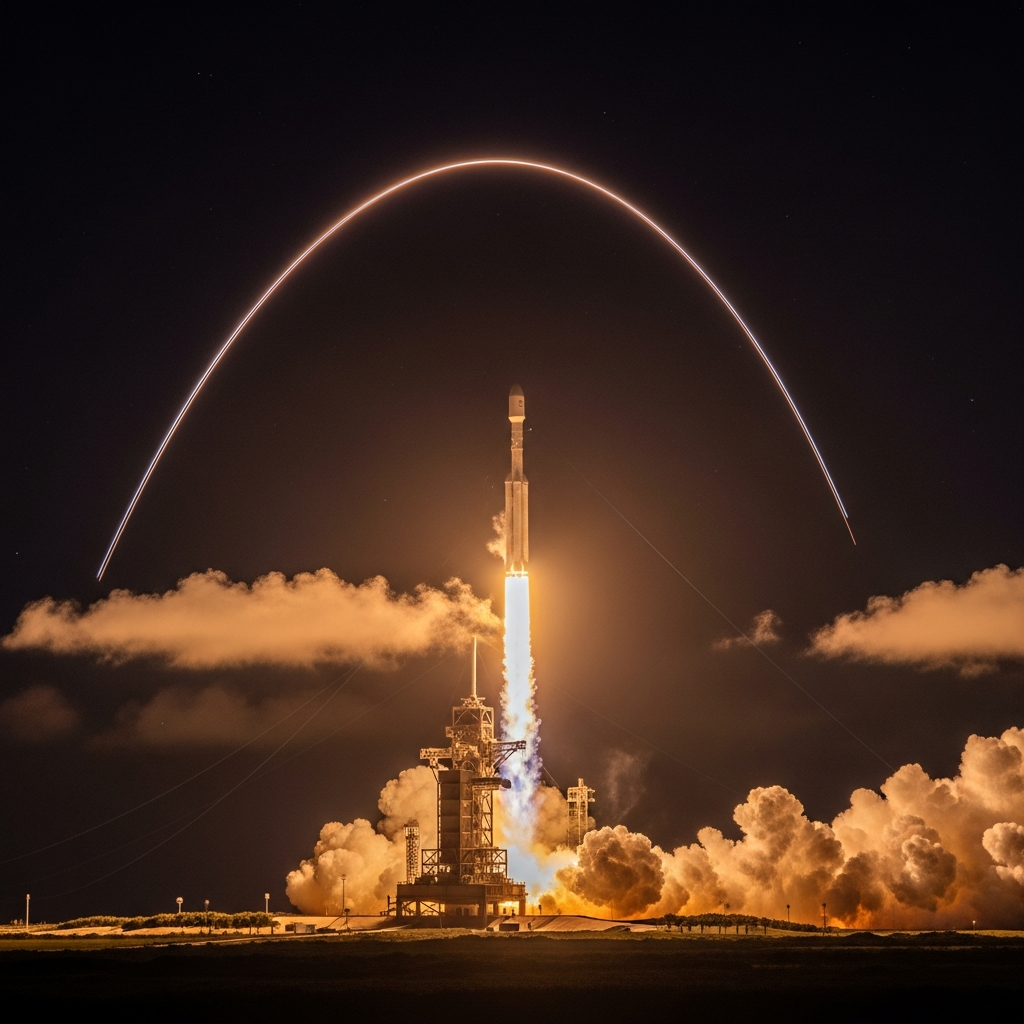
The upcoming wet dress rehearsal (WDR) stands as a comprehensive test of both hardware and human operational capabilities. During this elaborate pre-launch simulation, teams will load over 700,000 gallons of super-cold cryogenic propellants into the SLS rocket. This enormous fueling operation is just one part of demonstrating the launch team’s proficiency. The rehearsal will also include a full launch countdown sequence, culminating in a simulated “launch” at 9 p.m. EST.
This isn’t a simple one-and-done test. Engineers have designed the WDR to involve several “runs.” These runs will rigorously test the launch team’s ability to manage the critical terminal count – the final 10 minutes before liftoff. Teams will practice holding, resuming, and recycling the countdown to various points. For instance, an initial run will commence approximately 49 hours before the simulated launch, progressing to T-1 minute 30 seconds. Following a three-minute hold, the countdown will resume to T-33 seconds, the moment the rocket’s automatic launch sequencer takes control. A subsequent run will recycle back to T-10 minutes, then count down to T-30 seconds. This meticulous approach ensures complete readiness for the crewed Artemis II mission.
Beyond fueling and countdown practice, the WDR includes an equally vital step: safely removing propellants from the rocket. This procedure is performed without astronauts inside the Orion spacecraft, offering a crucial safety check. NASA has incorporated valuable lessons learned from the uncrewed Artemis I mission, particularly concerning liquid hydrogen loading and the management of gaseous nitrogen. The agency’s methodical pace prioritizes safety and mission success, even allowing for potential rollbacks of the SLS and Orion to the Vehicle Assembly Building (VAB) for additional work if deemed necessary after the rehearsal.
Extensive Pre-Flight Preparations Across Kennedy Space Center
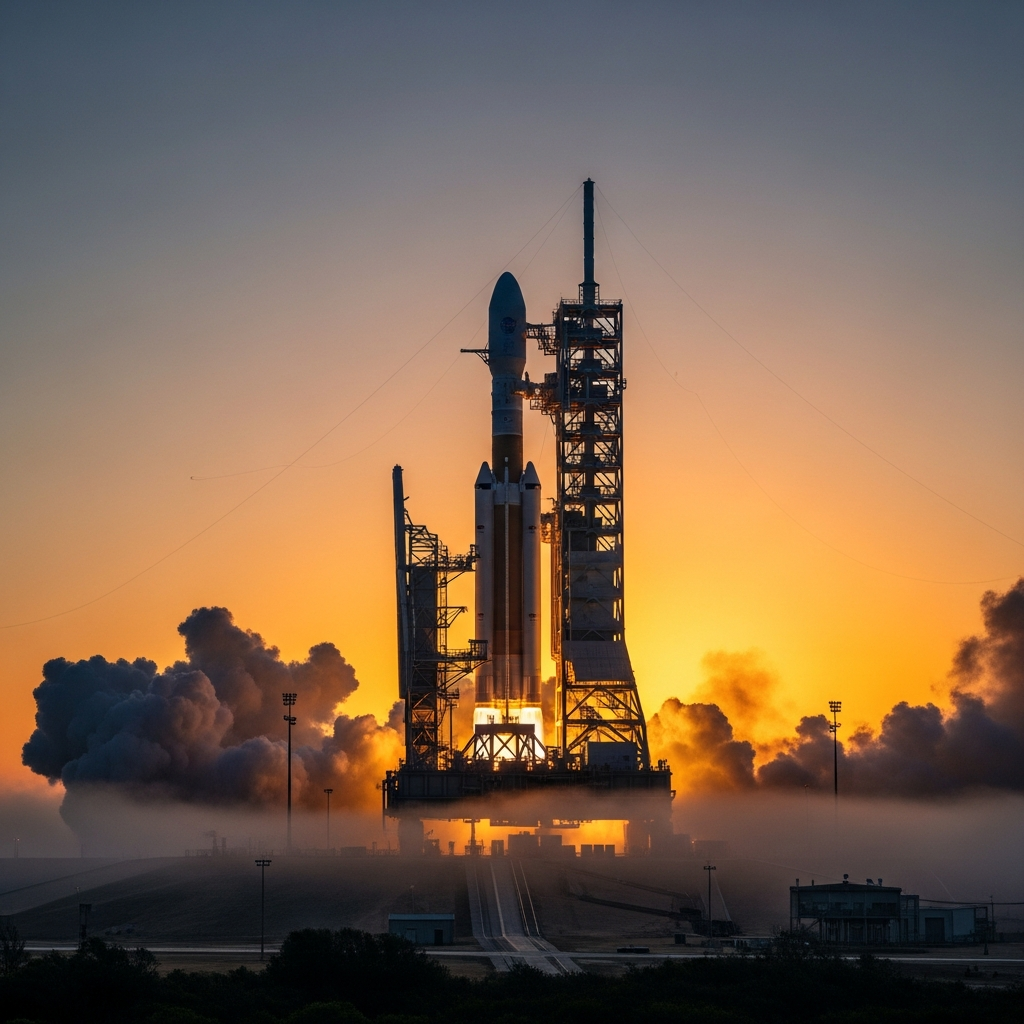
While the wet dress rehearsal garners significant attention, it represents just one facet of the extensive preparations underway. Teams at Kennedy Space Center in Florida have been working tirelessly, often ahead of schedule, to ready every component of the deep space exploration system. The integrated SLS rocket and Orion spacecraft completed a roughly 12-hour journey from the VAB to Launch Pad 39B as early as January 17, 2026, marking a visible milestone.
Upon arrival at the pad, technicians immediately began connecting vital ground support equipment. This includes electrical lines, environmental control system ducts, and cryogenic propellant feeds. Powering up all integrated systems at the pad for the first time is another crucial step. Prior to the rollout, meticulous work addressed several technical issues to safeguard crew safety. This involved replacing a bent cable in the flight termination system and successfully replacing and testing a valve for Orion’s hatch pressurization. Additionally, engineers resolved issues with leaky ground support hardware critical for loading gaseous oxygen into Orion.
The SLS rocket’s powerful boosters also received thorough servicing, including the loading of hydrazine into their aft skirts. For the Orion spacecraft, preparation includes meticulously stowing items inside and performing planned pyrotechnic work on the launch abort system. Technicians conducted comprehensive checkouts of the core stage’s four mighty RS-25 engines, which are upgraded shuttle-era engines renowned for their power. They also pressurized a composite overwrapped pressure vessel (COPV), a tank vital to the spacecraft’s propulsion system.
Tackling Technical Hurdles for Mission Success
Preparing a spacecraft for crewed deep space travel involves continuously identifying and resolving complex technical challenges. NASA’s teams have demonstrated their expertise by addressing several issues proactively. As cold weather swept the country, with lower-than-normal temperatures expected in Florida, technicians prepared environmental control systems. These systems are crucial for keeping Orion and SLS elements at optimal conditions, safeguarding sensitive equipment.
Safety systems undergo rigorous evaluation. During one assessment, the emergency egress system encountered a snag: the baskets designed to transport crew and pad personnel from the mobile launcher stopped short of their intended terminus. Engineers swiftly addressed the issue, adjusting the system’s brakes to ensure a full and safe descent in an emergency.
Another critical area concerns the crew’s onboard resources. Initial samples from Orion’s potable water system revealed higher than expected levels of total organic carbon. Technicians are actively collecting additional samples to guarantee the crew’s water supply is completely drinkable. These detailed checks underscore NASA’s unwavering commitment to astronaut safety and well-being.
Meanwhile, the four-person Artemis II crew – NASA astronauts Reid Wiseman, Victor Glover, and Christina Koch, alongside CSA (Canadian Space Agency) astronaut Jeremy Hansen – entered quarantine in Houston on January 23. This isolation period is a standard pre-flight protocol, minimizing any risk of illness before their historic journey.
The Road Ahead: Aiming for the Moon and Beyond
Following a successful wet dress rehearsal, the mission management team will convene a crucial Flight Readiness Review (FRR). This comprehensive assessment will evaluate the readiness of all systems and teams. Only after a positive FRR will NASA commit to a specific launch date for Artemis II.
The earliest target launch window opens on February 6, 2026. However, viable launch periods extend through April 2026, with opportunities also identified in early to mid-March and early April. Specific early February opportunities include the 6th, 7th, 8th, 10th, and 11th. Selecting the precise launch date involves navigating complex orbital mechanics and performance constraints. These include ensuring the SLS rocket delivers Orion into a specific high Earth orbit for life support system evaluation. The trajectory must also allow for a precise trans-lunar injection burn, setting Orion on a free-return path around the Moon. Avoiding extended periods of darkness, which could impact solar power and thermal control, is also paramount. Finally, the flight path must support the correct entry profile for Orion’s return to Earth.
Artemis II is more than just a test flight; it’s a monumental precursor. This 10-day mission will confirm that all spacecraft systems operate as designed with a human crew aboard in the challenging environment of deep space. It represents the first crewed mission beyond Earth orbit in over five decades and a vital stepping stone for the broader Artemis program. This initiative aims to land the next Americans on the Moon during the subsequent Artemis III mission, establish a sustained human presence there, and ultimately pave the way for humanity’s first missions to Mars. NASA continues to emphasize that readiness and performance will ultimately dictate the launch timing, ensuring the utmost safety and success for this historic endeavor.
Frequently Asked Questions
What is the wet dress rehearsal and why is it so important for Artemis II?
The wet dress rehearsal (WDR) is a crucial pre-launch test for NASA’s Artemis II mission, scheduled for as early as January 31, 2026. It involves fueling the SLS rocket with over 700,000 gallons of cryogenic propellants, conducting a full launch countdown, and practicing propellant removal – all without astronauts onboard. Its importance lies in thoroughly testing the integrated systems, ground infrastructure, and the launch team’s procedures for the upcoming crewed flight. This rigorous simulation minimizes risks and confirms readiness for deep space operations.
Where are the primary launch preparations for Artemis II taking place?
The primary launch preparations for NASA’s Artemis II mission are taking place at Kennedy Space Center in Florida. This includes the Space Launch System (SLS) rocket and Orion spacecraft, which are undergoing extensive work at Launch Pad 39B. Ground infrastructure connections, system power-ups, and the critical wet dress rehearsal are all conducted at this iconic site. The crew, however, is in quarantine in Houston as part of their pre-flight protocols.
When is the earliest target launch window for Artemis II, and what factors influence it?
The earliest target launch window for NASA’s Artemis II mission is February 6, 2026, with additional opportunities extending through April 2026. Factors influencing the precise launch date are complex and include successful completion of the wet dress rehearsal and a Flight Readiness Review. Orbital mechanics, such as ensuring the SLS can place Orion into a high Earth orbit for life support tests and facilitate a free-return trajectory around the Moon, are critical. Avoiding extended periods of darkness and supporting the correct entry profile for Orion’s return also dictate viable launch days.