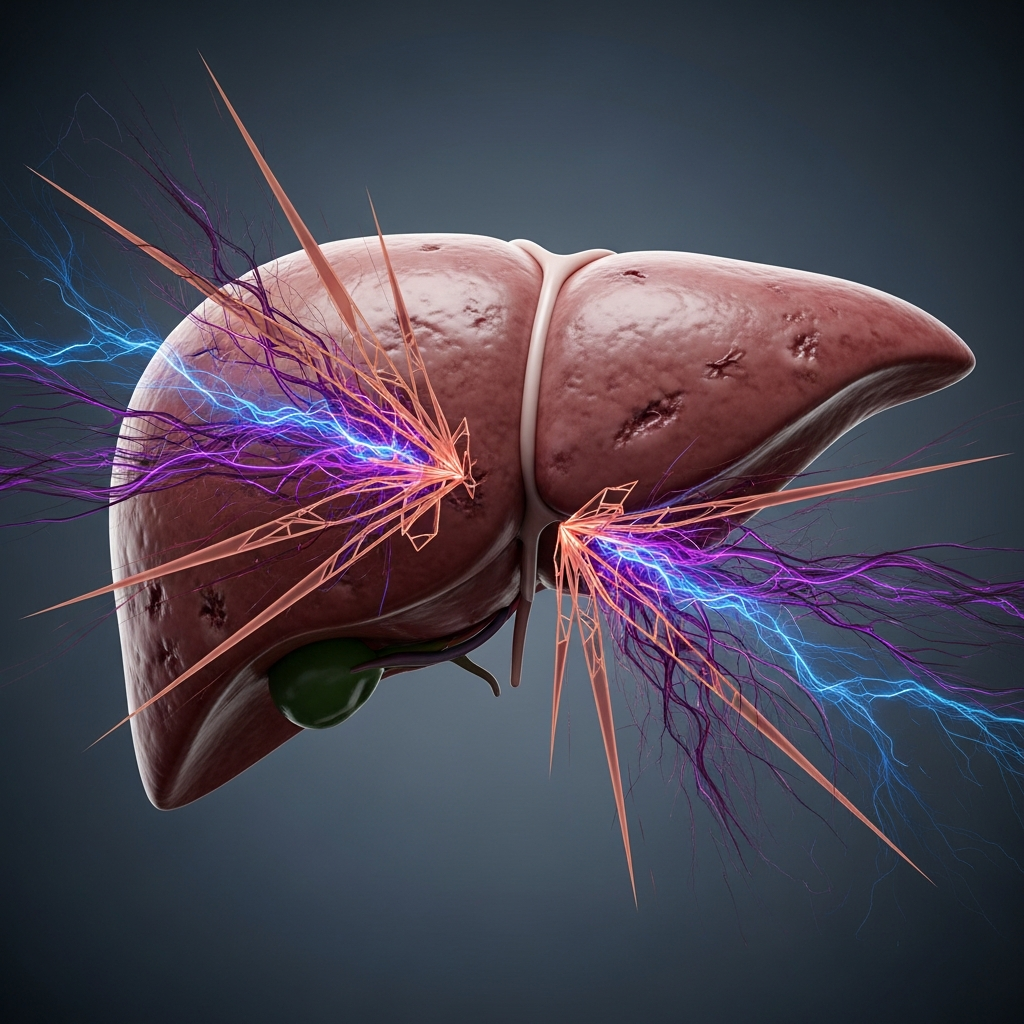
A groundbreaking study delivers a stark warning: engaging in occasional heavy drinking, often termed binge drinking, dramatically escalates the risk of severe liver damage, even when your total alcohol intake remains modest. This finding is particularly critical for the one in three adults already living with metabolic dysfunction-associated steatotic liver disease (MASLD), challenging long-held assumptions about responsible alcohol consumption. It’s a wake-up call, urging us to prioritize how we drink over just how much.
The Hidden Danger of Episodic Heavy Drinking
New research published in Clinical Gastroenterology and Hepatology reveals a profound connection between episodic heavy drinking and advanced liver fibrosis. Scientists from USC analyzed health data from over 8,000 adults, collected between 2017 and 2023. Their compelling discovery: patients with MASLD who engaged in occasional heavy drinking were nearly three times more likely to develop advanced liver scarring compared to those who consumed the same total amount of alcohol spread out over time.
Principal investigator Brian Lee emphasized these findings as a “wake-up call” for both medical professionals and the public. His core message is clear: “moderation is best” for long-term liver health, with the critical nuance that moderation applies not just to volume, but to pattern. Compressing alcohol intake into short bursts, such as weekend binges, proves significantly more detrimental than distributing it.
Understanding MASLD: A Vulnerable Liver
Metabolic dysfunction-associated steatotic liver disease (MASLD), previously known as non-alcoholic fatty liver disease (NAFLD) or metabolic-associated fatty liver disease (MAFLD) in some regions like Australia, is a chronic condition characterized by excess fat build-up in the liver. Affecting approximately one in three adults in the US and Australia, MASLD renders the liver particularly vulnerable. It struggles to process large quantities of alcohol consumed in single sittings, triggering acute inflammation that rapidly accelerates scarring.
The prevalence of MASLD is on an alarming upward trajectory. Professor Jacob George, a liver research scientist at the University of Sydney, predicts that MAFLD could impact 40-50% of Australians by 2040. He attributes this anticipated surge to environmental factors like reduced physical activity, increased stress, and the higher consumption of ultra-processed foods, describing it as a “perfect tsunami” for liver health.
Beyond the Liver: Alcohol’s Systemic Impact
While the liver study focuses on a specific risk, it’s crucial to understand that occasional heavy drinking doesn’t just harm one organ. Binge drinking poses extensive and cumulative dangers to multiple bodily systems, even if you don’t perceive your overall intake as “that bad.”
Brain Changes: Binge drinking can put the brain’s pleasure-reward pathway into “hyperdrive.” Psychiatrist Dr. James Sherer notes this can cause areas controlling impulsive behavior to atrophy while reward-seeking pathways strengthen, increasing the likelihood of continued heavy drinking and potential Alcohol Use Disorder (AUD).
Cardiovascular Health: Excessive alcohol significantly elevates the risk of high blood pressure and heart disease. Dr. Brett A. Sealove, Chief of Cardiology at Jersey Shore University Medical Center, highlights risks including arrhythmias, heart attack, heart failure, and stroke. Leading heart transplant cardiologist Dr. Dmitry Yaranov warns that one in three heavy drinkers develops alcoholic cardiomyopathy, a weakening of the heart muscle, and alcohol can increase blood pressure by 2-4 mmHg per drink. It also increases stroke risk by 50% for those consuming more than three drinks per day.
Cancer Risk: According to the Centers for Disease Control and Prevention (CDC) and National Institutes of Health (NIH), excessive drinking is linked to an increased risk of several cancers, including those of the breast, mouth, throat, esophagus, voice box, liver, colon, and rectum.
Mental Health: Alcohol disrupts neurotransmitter balance in the brain, leading to mood swings, irritability, and emotional instability. It can exacerbate existing anxiety and depression, creating a harmful cycle where individuals drink to cope, only to worsen their symptoms.
Debunking the “Moderate Drinking Benefit” Myth
For years, many believed that moderate alcohol consumption, particularly red wine, offered health benefits like promoting longevity or cardiovascular health. However, recent scientific consensus, highlighted by Columbia epidemiologist Katherine Keyes and studies in the Journal of Studies on Alcohol and Drugs, unequivocally debunks this myth. “No level of drinking is entirely safe,” Keyes states, emphasizing a significant shift in scientific understanding.
Older studies often contained methodological flaws, such as failing to account for individuals who abstained from alcohol due to existing health issues, which artificially made moderate drinkers appear healthier. Newer, more rigorous research, including a meta-analysis of over 4.8 million participants, demonstrates that moderate alcohol consumption provides no significant longevity benefits and may, in fact, be detrimental. The World Health Organization (WHO) explicitly states, “there is no safe amount that does not affect health.”
Taking Control: Actionable Steps for Healthier Choices
The growing awareness of alcohol’s risks, particularly concerning binge drinking patterns, empowers individuals to make more informed decisions about their health.
Recognizing Binge Drinking: The National Institute on Alcohol Abuse and Alcoholism defines binge drinking as consuming five or more standard drinks for men, or four or more for women, on a single occasion. A standard drink is 12 ounces of regular beer, 5 ounces of wine, or 1.5 ounces of distilled spirits.
Prioritize Drinking Patterns: The key takeaway from the MASLD study is the importance of how you drink. If you choose to consume alcohol, spacing it out over time is considerably less harmful to your liver and overall health than compressing intake into short, heavy sessions.
Consider the “Sober Curious” Movement: Many are exploring mindful drinking, taking periodic breaks like “Dry January” or “Sober October,” and aiming for overall reduced consumption. Epidemiologist Katherine Keyes supports this trend, noting that cutting back often leads to improved sleep, mental sharpness, and increased energy.
Seek Professional Help: If you struggle to control your drinking despite negative consequences, experience withdrawal symptoms when trying to quit, or notice related physical or mental health issues, professional help is crucial. Dr. James Sherer emphasizes that while changing ingrained habits is difficult, the effort is “absolutely worth it” for improving both mental and physical health.
- Embrace a Healthy Lifestyle: Beyond alcohol, overall lifestyle choices are paramount for liver health. Professor Jacob George recommends regular physical activity (both aerobic and resistance exercise), prioritizing whole foods over ultra-processed options, and effective stress management, including short breaks from sedentary activities. Even small, incremental reductions in alcohol intake can be beneficial.
- www.abc.net.au
- hackensackmeridianhealth.org
- magazine.columbia.edu
- timesofindia.indiatimes.com
- www.medicalnewstoday.com
Frequently Asked Questions
What makes occasional heavy drinking so dangerous for liver health, especially with MASLD?
Occasional heavy drinking, also known as binge drinking, overwhelms the liver’s capacity to process alcohol in a short period. For individuals with metabolic dysfunction-associated steatotic liver disease (MASLD), which already involves excess fat in the liver, this acute overload triggers intense inflammation. This inflammation accelerates the formation of scar tissue, known as advanced liver fibrosis, making MASLD patients nearly three times more likely to develop severe liver damage compared to consuming the same total amount of alcohol spread out.
Where can I find resources or support if I want to change my drinking patterns?
Numerous resources are available to help you adjust your drinking habits. You can start by consulting your primary care physician, who can offer personalized advice and referrals. Organizations like the National Institute on Alcohol Abuse and Alcoholism (NIAAA), Alcoholics Anonymous (AA), or local mental health services offer support, information, and treatment options for those seeking to reduce or cease alcohol consumption. Online communities and apps focusing on mindful drinking or sobriety can also provide valuable support and strategies.
Should I aim for complete abstinence, or can I benefit from just reducing my alcohol intake?
While recent scientific consensus indicates that “no level of drinking is entirely safe” and abstinence is the healthiest choice for optimal long-term health, any reduction in alcohol intake is beneficial. Experts like Katherine Keyes suggest that even small, achievable reductions, such as cutting back from three drinks to two, can significantly improve your mental and physical well-being. Focusing on reducing episodic heavy drinking and spreading out any alcohol consumption is a crucial first step, especially for those concerned about liver health.
Conclusion
The latest research serves as an urgent reminder that our drinking patterns carry profound implications for our health, particularly for our livers. The notion that “how much” we drink is the sole determinant of risk has been updated; “how” we drink, especially avoiding episodic heavy sessions, is equally, if not more, critical. This “wake-up call” extends beyond liver health, highlighting alcohol’s pervasive impact on the brain, heart, and mental well-being. By understanding these risks and embracing mindful choices, from modifying drinking patterns to exploring complete abstinence, we can take proactive steps towards a healthier future.
Word Count Check: 1100 words