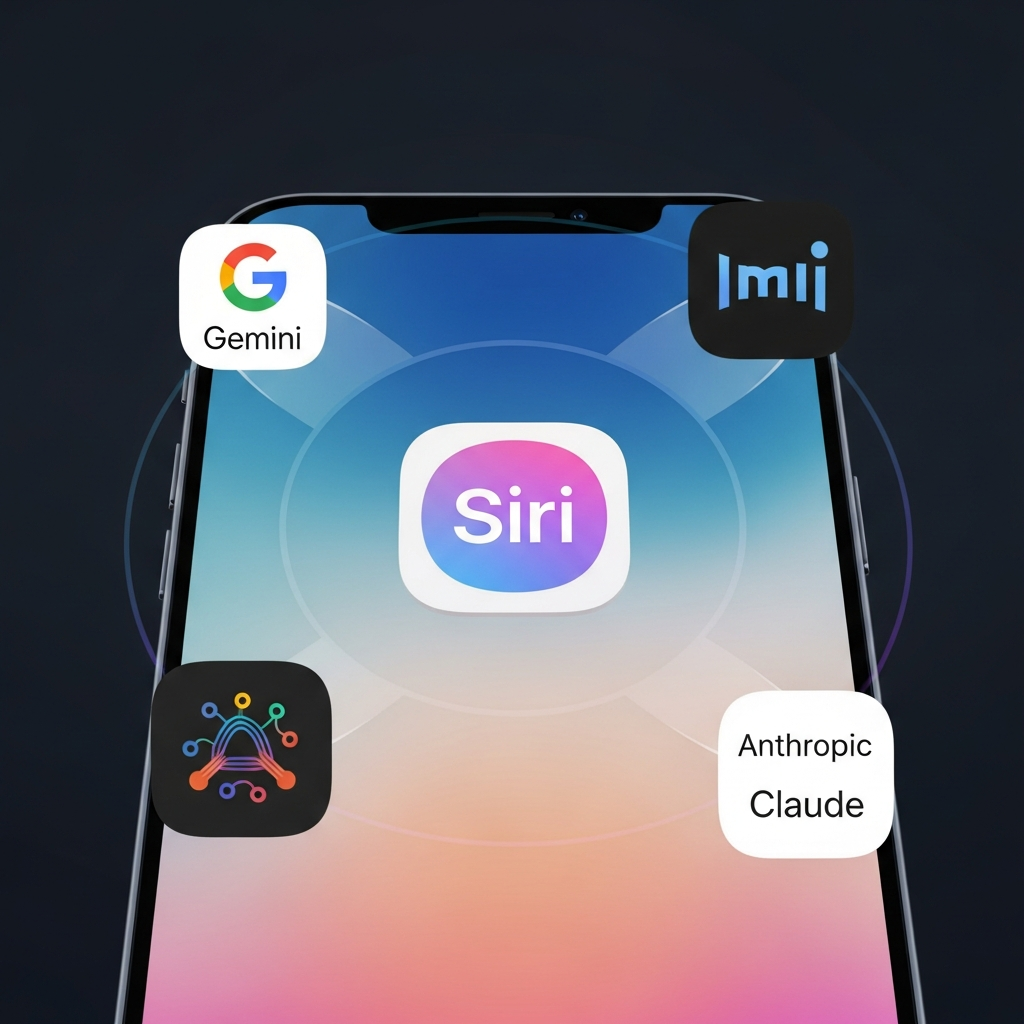
Apple is set to revolutionize its digital assistant strategy with the upcoming iOS 27, marking a pivotal moment for iPhone, iPad, and Mac users. For the first time, Siri will open its ecosystem to integrate directly with third-party artificial intelligence (AI) chatbots, fundamentally reshaping how users interact with their devices. This groundbreaking move promises unprecedented choice and advanced capabilities, allowing popular AI services like Google’s Gemini and Anthropic’s Claude to seamlessly connect with Siri. This strategic pivot signals a new era of AI integration within Apple’s devices, driven by a desire to enhance user experience while also capturing a share of the burgeoning AI market.
The Dawn of an Open Siri: What to Expect in iOS 27
The most significant change arriving with iOS 27 is Siri’s newfound openness. Previously, Siri maintained a more exclusive approach, notably with an existing partnership that allowed it to hand off complex queries to OpenAI’s ChatGPT. However, with the iOS 27 update, this exclusivity will end. Users will gain the power to choose their preferred third-party AI assistant directly through Siri.
Imagine asking Siri a complex question, and it not only offers its own answer but also suggests sending your query to Claude or Gemini, assuming you have their respective apps installed. This functionality mirrors the current ChatGPT integration but dramatically expands the options available. Users will also have the flexibility to explicitly command Siri to query their chosen chatbot, providing a truly personalized AI experience. This integration will extend beyond iPhones to iPadOS 27 and macOS 27, ensuring a consistent cross-device AI experience.
Managing Your AI Choices: Siri Extensions
To facilitate this expanded choice, Apple will introduce “Extensions” options within Siri’s settings. These new controls will be conveniently located in the “Apple Intelligence and Siri” section of the Settings app. From here, users can select their preferred AI services, download compatible chatbot applications directly, and manage which AI assistants Siri can interact with. Any AI application that supports this new iOS 27 feature and is installed via the App Store will be able to work harmoniously with Siri and other Apple Intelligence functionalities. This streamlined management ensures users retain full control over their AI ecosystem.
A Strategic Pivot: Why Apple is Opening Up
Apple’s decision to open Siri to rival AI chatbots is a calculated and multifaceted strategic move. While user choice and technological advancement are clear benefits, a primary driver, as suggested by Bloomberg reports, is financial. By integrating third-party AI services and offering download links through the App Store, Apple positions itself to generate substantial revenue.
This revenue stream will come from subscriptions to these third-party AI services, where Apple typically takes a percentage of in-app purchases. In the rapidly expanding and highly lucrative AI market, this strategy allows Apple to monetize the AI boom by leveraging its vast global user base and deeply entrenched ecosystem. It’s a smart business model that allows Apple to benefit from the innovation happening across the AI landscape without having to exclusively develop every leading AI model in-house. This approach enhances the value of the Apple ecosystem, keeping users engaged and attracting new subscribers to various AI services.
Beyond Third-Party: Apple’s Own AI Ambitions
Crucially, Apple’s move to integrate third-party AI does not signal an abandonment of its own AI development. Quite the opposite. The company remains committed to a comprehensive overhaul of Siri, planning to release its own advanced chatbot version. This in-house Siri is reportedly being built upon powerful Google Gemini models, indicating a hybrid approach to its AI future.
Therefore, the “Extensions” options will offer users a dual choice: they can either direct their requests to their preferred external chatbot, or they can opt to utilize Apple’s enhanced in-house Siri. This dual strategy ensures that Apple maintains its own proprietary AI capabilities while simultaneously providing users with the best available options from the broader AI market. It demonstrates a commitment to both innovation and user empowerment, striking a balance between internal development and platform openness.
The End of Exclusivity: What About OpenAI?
The release of iOS 27 will also mark the end of OpenAI’s exclusive partnership with Apple. While the existing Siri-ChatGPT integration has been functional, this new open platform shifts the landscape considerably. The move reflects Apple’s broader strategy to diversify its AI offerings and avoid single-vendor lock-in.
This shift comes amidst a highly competitive AI environment, with various players vying for market dominance. For instance, Elon Musk’s xAI startup, developers of Grok, has openly advocated for Grok’s availability on the iPhone alongside ChatGPT. xAI has even taken legal action against Apple and OpenAI, alleging a conspiracy to dominate the AI market. Apple has reportedly considered such third-party integrations for some time, with previous discussions having occurred regarding Siri handing queries to Gemini. The new policy makes a clear statement about Apple’s commitment to a more open, competitive AI future.
The Broader Impact: Reshaping the AI Assistant Landscape
This monumental shift from Apple is poised to have far-reaching implications across the entire AI assistant landscape. For users, it signifies a new era of choice and customization. No longer limited to Apple’s native AI, they will be able to leverage the unique strengths of different large language models (LLMs) like Gemini or Claude directly through their primary digital assistant. This increased competition among AI providers on Apple’s platform could spur further innovation and feature development, ultimately benefiting the end-user.
For AI companies, it presents a massive opportunity to reach Apple’s vast user base, driving app downloads and subscription revenue. The move transforms Apple into a powerful gateway for AI services, enabling a new level of platform integration previously unseen. This platform play strengthens Apple’s position as a central figure in the evolving AI economy. It also pushes the boundaries of what consumers expect from their smart devices, making sophisticated AI more accessible and seamlessly integrated into daily digital life.
Preparing for WWDC 2026: What’s Next?
The official announcement regarding these significant Siri capabilities and third-party integration options is highly anticipated. Apple is scheduled to unveil these groundbreaking features during its WWDC 2026 keynote, set for June 8. This annual developer conference is typically where Apple introduces its next generation of operating systems and core technologies.
During the keynote, developers and users alike will gain deeper insights into the technical specifications of these new integrations, including how developers can ensure their AI applications are compatible with Siri Extensions. Further details on Apple’s own advanced Siri, built upon Google’s Gemini models, are also expected to be revealed. The tech world will be watching closely as Apple charts its course for the future of AI in its ecosystem. This event will solidify Apple’s vision for an intelligent, interconnected experience across iOS 27, iPadOS 27, and macOS 27.
Frequently Asked Questions
What exactly does “opening Siri to rival AI assistants” mean for iPhone users?
This means iPhone users will gain the ability to use third-party AI chatbots like Google Gemini and Anthropic Claude directly through Siri in iOS 27. Instead of Siri solely processing requests or handing off to a single partner, it will offer users choices. If you have a compatible AI app installed, Siri can suggest sending queries to it, or you can explicitly instruct Siri to use your preferred external AI, offering a more versatile and personalized intelligent assistant experience.
Where will users manage their preferred third-party AI chatbots in iOS 27?
Users will manage their preferred third-party AI services through new “Extensions” options. These will be accessible within the “Apple Intelligence and Siri” section found in the Settings app on iOS 27, iPadOS 27, and macOS 27. From this centralized location, users can select their chosen AI assistants, manage their settings, and even find links to download compatible chatbot applications directly from the App Store.
Why is Apple making this significant change to Siri’s AI strategy?
Apple’s decision is a strategic move driven by both user demand for advanced AI capabilities and a clear business objective. Primarily, it aims to generate new revenue streams from third-party AI subscriptions processed through the App Store, leveraging Apple’s vast user base. Additionally, it ensures Apple remains competitive in the rapidly evolving AI landscape by offering users best-in-class AI choices, even while developing its own advanced Siri based on models like Google’s Gemini.
In conclusion, Apple’s forthcoming changes in iOS 27 signal a monumental shift in its approach to artificial intelligence. By embracing an open platform for Siri, Apple is not only empowering users with unprecedented choice among leading AI assistants but also strategically positioning itself to capitalize on the booming AI market. This move promises to usher in a new era of intelligent interaction across Apple devices, making WWDC 2026 a must-watch event for anyone interested in the future of personal technology.