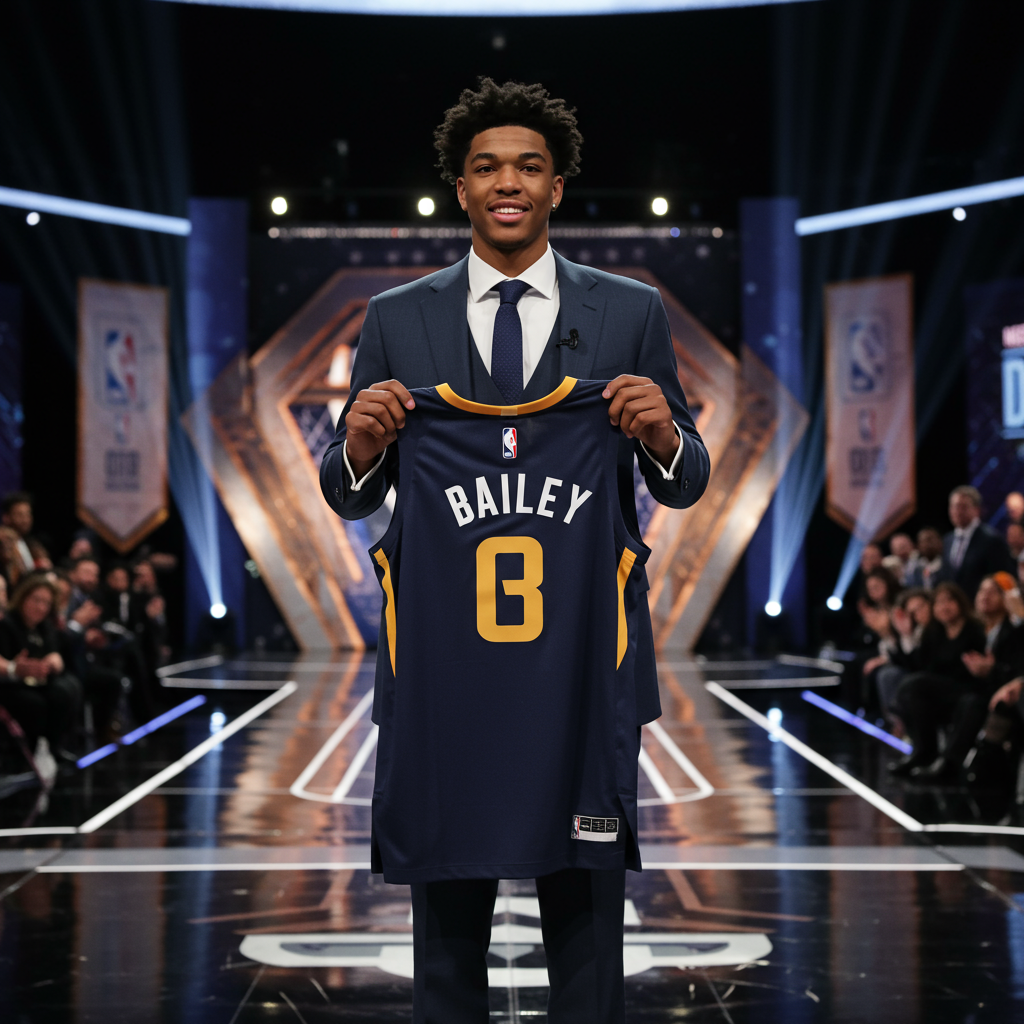
The NBA Draft Lottery is a pivotal moment for franchises, offering a lifeline of future talent. For years, its structure faced scrutiny, leading to significant NBA draft lottery changes designed to reshape team building and foster competitive balance. Understanding these reforms is crucial for any basketball fan or team executive. This comprehensive guide breaks down the recent alterations, their motivations, and how they continue to impact the league today, offering vital insights into the evolving landscape of professional basketball.
Why the NBA Draft Lottery Needed a Revamp
Before the most recent overhaul, the NBA’s draft lottery system inadvertently encouraged a practice widely known as “tanking.” Teams with the worst records received the highest odds of securing the coveted No. 1 overall pick, as well as the top few selections. This system often incentivized struggling franchises to deliberately lose games late in the season, strategically positioning themselves for a better chance at a generational talent. Fans grew frustrated watching their teams seemingly give up on winning, impacting league integrity and overall competitiveness.
The Problem with “Tanking”
“Tanking” became a contentious issue, undermining the spirit of competition that the NBA prides itself on. While a rebuild is a legitimate strategy, actively pursuing losses created ethical dilemmas and presented a poor product for ticket-buying fans. The allure of landing a superstar like LeBron James or Victor Wembanyama was often too strong for desperate front offices to resist. League officials recognized the need for reform to mitigate this problematic incentive. They aimed to ensure that every game mattered, even for teams near the bottom of the standings.
The Landmark 2017 Changes: Flattening the Odds
In September 2017, the NBA Board of Governors approved sweeping NBA draft lottery changes that fundamentally altered the system. These reforms, which officially took effect with the 2019 NBA Draft, were designed to flatten the odds for the league’s worst teams. The primary goal was to reduce the incentive for finishing with the absolute worst record.
Key Aspects of the New Lottery System
Under the revised rules, the three teams with the worst regular-season records now each share an equal 14% chance of landing the No. 1 overall pick. This marked a significant departure from the previous system, where the worst team had a 25% chance, the second-worst 19.9%, and the third-worst 15.6%. The new structure dramatically decreased the reward for bottoming out, making the race for the top pick much less predictable. This shift also meant that more teams would have a realistic shot at a top-four selection.
Additionally, the lottery now determines the top four picks, rather than just the top three. After the first four selections are drawn, the remaining teams draft in inverse order of their regular-season records. This small but impactful adjustment further reduces the advantage of having an extremely poor record. The changes emphasize skill development and competitive growth throughout the season.
How the Current NBA Draft Lottery Works
The current NBA Draft Lottery process is a meticulously structured event designed to ensure fairness and transparency. Representatives from the 14 teams that did not qualify for the playoffs gather for a drawing that utilizes 14 numbered ping-pong balls.
Eligibility and Ping-Pong Balls
Each non-playoff team is assigned a specific number of combinations out of 1,001 total possible combinations, reflecting their regular-season record. The three teams with the worst records each receive 140 combinations (14%). The fourth-worst team gets 125 combinations, and the odds decrease incrementally from there. For instance, the 14th team (best non-playoff record) receives just 5 combinations, or a 0.5% chance at the top pick.
The Drawing Process
During the televised lottery, four ping-pong balls are drawn from a machine containing 14 balls, numbered 1 through 14. These four balls are drawn without replacement, and their specific numerical order determines one of the 1,001 possible combinations. This process is repeated to determine the first, second, third, and fourth overall picks. An independent accounting firm oversees the entire procedure to guarantee integrity. They verify that the system operates according to established rules.
Order After the Top Four
Once the top four picks are determined, the remaining lottery teams are assigned draft positions in inverse order of their regular-season records. For example, if a team with a worse record did not get a top-four pick, they would automatically be placed higher in the remaining draft order than a team with a better record that also missed out on a top-four selection. This aspect ensures that teams still benefit from having a worse record, but only after the top four picks are randomly assigned. The system aims for a balance between randomness and rewarding poor performance.
Impact and Analysis of the NBA Draft Lottery Changes
The NBA draft lottery changes have profoundly impacted league dynamics, prompting ongoing debate and analysis. While the primary goal was to deter tanking, the results have been mixed, leading to various unintended consequences and benefits.
Has Tanking Been Eliminated?
While the incentive for extreme tanking has certainly diminished, the practice hasn’t vanished entirely. Teams still value high draft picks, and some may still prioritize future development over marginal late-season wins. However, the flattened odds mean that even the worst teams aren’t guaranteed a top-three pick, reducing the certainty of strategic losing. Teams now focus more on building a competitive culture. They understand that even a slight improvement in record won’t drastically hurt their lottery chances.
Increased Parity and Excitement
One undeniable benefit of the reforms is the increased parity among non-playoff teams vying for top selections. More teams now feel they have a legitimate chance to move up in the draft, creating more excitement around the lottery event itself. A team with the fifth-worst record, for example, has a respectable 10.5% chance at the No. 1 pick, which was much lower under the old system. This keeps more fan bases engaged throughout the season, even if their team isn’t playoff-bound.
Player Development and Team Building
The changes also subtly influence player development and team-building philosophies. Franchises might be less inclined to trade away established veterans for minimal returns simply to improve their lottery odds. Instead, they might focus on developing young talent and creating a winning environment, even during a rebuilding phase. This could lead to more robust and sustainable team development over time. It shifts the focus from bottoming out to strategic asset acquisition and player growth.
Future Considerations for the NBA Draft
Despite the recent NBA draft lottery changes, discussions about further adjustments to the draft process continue. The league consistently seeks ways to maintain competitive balance and address evolving challenges. One ongoing topic involves the age limit for draft eligibility. Currently, players must be at least 19 years old and one year removed from high school. There’s a persistent debate about whether to lower this age limit, allowing “one-and-done” college players or even high school graduates to enter the draft directly.
Another area of potential reform could involve the G-League, the NBA’s developmental league. Enhancing the G-League’s role and compensation might offer a more viable alternative for young players who don’t want to attend college but aren’t yet ready for the NBA. These discussions highlight the league’s commitment to continuous improvement and adapting to the modern basketball landscape.
Frequently Asked Questions
What were the main NBA draft lottery changes and when did they take effect?
The primary NBA draft lottery changes flattened the odds for the worst teams. Starting with the 2019 NBA Draft, the three teams with the worst regular-season records now each have an equal 14% chance of securing the No. 1 overall pick. Previously, the worst team had a 25% chance. The lottery also now determines the top four picks, rather than just the top three, further reducing the advantage of holding an extremely poor record. These reforms were approved in 2017 to combat “tanking.”
How do the NBA draft lottery changes aim to stop tanking?
The reforms aim to deter tanking by significantly reducing the guaranteed reward for finishing with the absolute worst record. By giving the three worst teams the same 14% chance, and by extending the lottery to the top four picks, it becomes much less predictable for a team to “plan” on landing a top-tier prospect simply by losing. This uncertainty makes intentionally losing games a less viable and effective strategy, encouraging teams to maintain competitiveness throughout the season.
Do the NBA draft lottery changes affect all teams equally?
No, the NBA draft lottery changes primarily impact the teams at the bottom of the standings. While playoff teams are unaffected (as they don’t participate in the lottery), the changes specifically target the 14 non-playoff teams. Among these, the most significant impact is felt by the teams that historically had the highest odds (the absolute worst teams), as their chances for a top pick were substantially reduced. Conversely, teams slightly higher up in the non-playoff standings saw a relative increase in their odds for a top-four selection, contributing to greater overall league parity.
Conclusion
The NBA draft lottery changes represent a bold step by the league to address longstanding issues of competitive balance and fan engagement. By flattening the odds and expanding the lottery to the top four picks, the NBA has created a system that discourages overt tanking while injecting more excitement and unpredictability into the draft process. While no system is perfect, these reforms have undeniably shifted the calculus for rebuilding franchises, prompting a renewed focus on sustainable team development and a more competitive regular season. The evolving rules underscore the NBA’s commitment to maintaining a thrilling and fair product for fans and teams alike.
Word Count Check: 1045 words