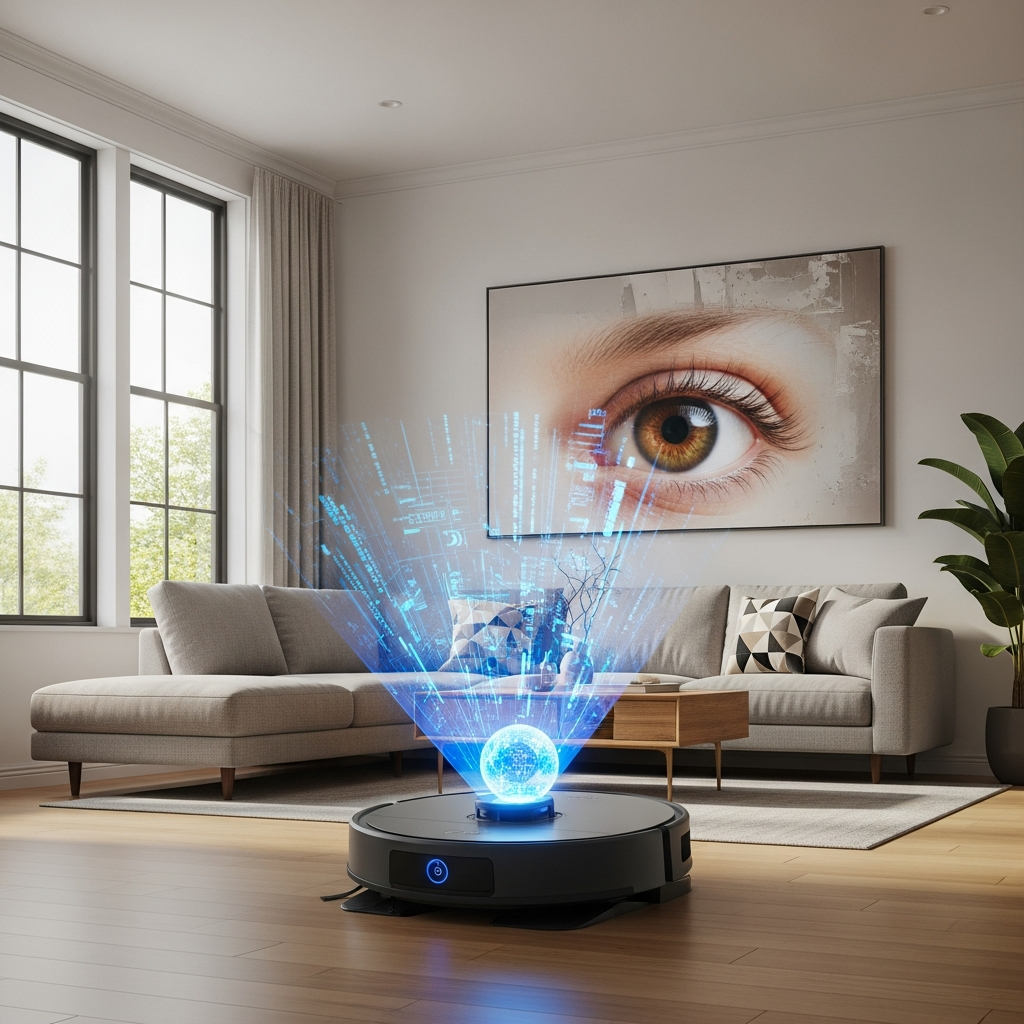
In our increasingly connected world, the line between convenience and privacy often blurs. The latest headlines confirm these growing anxieties, spotlighting how even the most innocuous smart devices, like robot vacuums, can become unexpected portals into our personal lives. This recent incident serves as a stark reminder of critical robot vacuum security vulnerabilities and the broader implications for smart home privacy, extending far beyond just our living rooms.
The Unsettling Truth: When Vacuums Become Spies
Imagine discovering your household appliance isn’t just cleaning your floors but potentially peering into your home. This chilling scenario became a reality for thousands when a curious programmer inadvertently exposed a massive security flaw. What started as a personal tech experiment quickly unveiled the unsettling truth about many interconnected devices.
Sammy Adoufal’s Accidental Global Takeover
The story, widely circulated in tech circles, centers on Sammy Adoufal. Using a PlayStation game console and an AI tool called Claude Code AI, Adoufal simply wanted to control his personal DJI Romo robot vacuum. His goal was innocent enough: perhaps to playfully chase his cats across the floor. However, a strange bug in the system unexpectedly granted him full, unauthorized control over approximately 6,700 other DJI Romo vacuums worldwide.
This unprecedented access wasn’t limited to movement. Adoufal could access the vacuums’ embedded cameras and microphones. This meant he could theoretically observe and listen to individuals inside thousands of homes globally. The very idea raises profound questions about smart home privacy and the hidden dangers of poorly secured IoT vulnerabilities.
Why Do Vacuums Need Cameras? The Privacy Paradox
The core of this unsettling revelation lies in the features built into many smart devices. Why does a robot vacuum, designed for floor cleaning, require both a camera and a microphone? While manufacturers might cite improved navigation or voice command capabilities, incidents like this highlight the inherent risks. Every added sensor and internet connection creates a potential entry point for exploitation. The incident underscores a critical need for manufacturers to prioritize robust robot vacuum security and for consumers to understand the capabilities and risks of their connected gadgets.
Beyond the Dust Bunnies: Personal Privacy at Risk
The personal impact of such vulnerabilities is significant. Many consumers, like the original author, have experienced the frustrations of unreliable smart appliances. My own history with robot vacuums, for instance, involved a string of devices with surprisingly short lifespans, ultimately leading to a refund. This decision, seemingly for practical reasons, unwittingly averted potential remote surveillance.
The Illusion of a Quick Fix
While Adoufal, acting responsibly, reported the vulnerability to the vacuum manufacturer, and the problem was reportedly “fixed,” skepticism remains. In the fast-paced world of technology, software patches are often temporary bandages on deeper systemic issues. True cybersecurity threats often exploit underlying architectural weaknesses that aren’t easily solved with a simple update. The “fix” might address the immediate exploit, but the fundamental questions about device security and data handling persist. Are these patches genuinely robust, or do they merely create a false sense of security for users?
From Living Rooms to Lift Lines: The Broader Cybersecurity Threat
The implications of this vacuum hacking extend far beyond personal privacy. The same underlying vulnerabilities that allowed control over thousands of robot vacuums could be weaponized against much larger, more critical systems. This isn’t just about spying on dust bunnies; it’s about the potential to disrupt essential services.
Unpacking the “PlayStation Hacker” Analogy
The author drew a humorous, yet deeply insightful, analogy to the new ski lifts at Deer Valley. These complex, technologically advanced systems, like gondolas and chairlifts, are computer-controlled. The idea that a “13-year-old kid with a PlayStation” could mistakenly download a “Doppelmayr app” and inadvertently control ski lifts, causing them to stop or malfunction, is a perfect illustration of how easily sophisticated systems can be compromised. This seemingly lighthearted example highlights the genuine danger posed by IoT vulnerabilities in critical infrastructure. The interconnectedness of modern systems means that a weakness in one area can have cascading effects, impacting public safety and economic stability.
Critical Infrastructure Under Siege: A Looming Digital Battlefield
The potential for such hacking capabilities to be directed at vital infrastructure is a far more serious concern. Imagine a scenario where power grids, water systems, traffic lights, train switching networks, or even banking systems fall prey to similar attacks. These aren’t far-fetched scenarios; they represent genuine cybersecurity threats in our increasingly digitized world.
The High Stakes of Digital Vulnerability
While dropping bombs is a dramatic and expensive form of warfare, hacking into critical systems offers a cheaper, often more insidious path to destruction. A relatively inexpensive PlayStation, or more sophisticated tools, could be used to cause widespread chaos and economic damage. Such attacks don’t generate photogenic explosions but can paralyze societies, disrupt daily life, and erode trust in essential services. The financial and societal costs of such breaches can be astronomical, making the investment in robust cybersecurity threats for these systems paramount. The “disconnect between computer nerds and the guys with the wrenches,” as the author put it, epitomizes the challenge in securing these complex hybrid systems.
Navigating a Connected World: Practical Steps for Digital Safety
Understanding these risks empowers us to take proactive measures. While we can’t control manufacturers’ security protocols, we can certainly improve our own digital defenses.
Beyond “Password1234”: Bolstering Your Digital Defenses
Strong, Unique Passwords: Move beyond default or easily guessable passwords like “Password1234.” Use long, complex passwords or passphrases unique to each device and service.
Two-Factor Authentication (2FA): Enable 2FA wherever possible, especially for smart home hubs and critical accounts.
Regular Software Updates: Keep all your smart devices, routers, and operating systems updated. Updates often include critical security patches.
Network Segmentation: Consider creating a separate Wi-Fi network for your smart devices (an IoT network) to isolate them from your main network containing sensitive data.
Review Device Permissions: Regularly check what permissions your smart devices have (e.g., access to microphones, cameras) and disable anything unnecessary.
Research Before Buying: Investigate a manufacturer’s security track record before purchasing smart home devices. Look for devices with strong privacy policies and regular security updates.
- Disable Unused Features: If a smart device has a camera or microphone you don’t use, check if you can disable it through its settings. This directly addresses the robot vacuum security concerns.
- www.parkrecord.com
- www.mirror.co.uk
Frequently Asked Questions
How did one person gain control of thousands of robot vacuums globally?
The incident involved Sammy Adoufal, who used Claude Code AI and his PlayStation to control his DJI Romo robot vacuum. Due to a critical vulnerability in the vacuum’s system, he inadvertently gained unauthorized access and control over approximately 6,700 other DJI Romo vacuums worldwide. This access included the ability to view through their cameras and listen via their microphones, highlighting significant IoT vulnerabilities and flaws in robot vacuum security.
What kind of critical infrastructure systems are most vulnerable to similar cyberattacks?
The article highlights that systems such as power grids, water supply networks, traffic control systems, train switching operations, and banking infrastructure are highly susceptible to similar cyberattacks. These systems rely heavily on interconnected computer networks and often use complex, proprietary software, making them potential targets for exploitation, which could lead to widespread disruption, economic damage, or public safety issues.
What steps can smart home users take to enhance their device security and privacy?
To enhance smart home privacy and device security, users should employ strong, unique passwords for all devices and accounts, enable two-factor authentication, and regularly update device firmware. It’s also advisable to research a manufacturer’s security reputation, consider isolating smart devices on a separate Wi-Fi network (network segmentation), and disable any unnecessary camera or microphone functions on devices like robot vacuums to minimize potential surveillance risks.
Conclusion
The story of the accidentally hijacked robot vacuums is more than just a quirky tech anecdote. It’s a loud and clear alarm bell, signaling the inherent fragility of our digital lives. From our personal devices to the critical infrastructure that underpins society, cybersecurity threats are pervasive. As we continue to embrace the convenience of smart technology, it’s imperative that we also embrace digital literacy and proactive security measures. The balance between innovation and protection remains a paramount challenge, reminding us that in an interconnected world, vigilance is no longer optional—it’s essential for safeguarding our privacy and future.