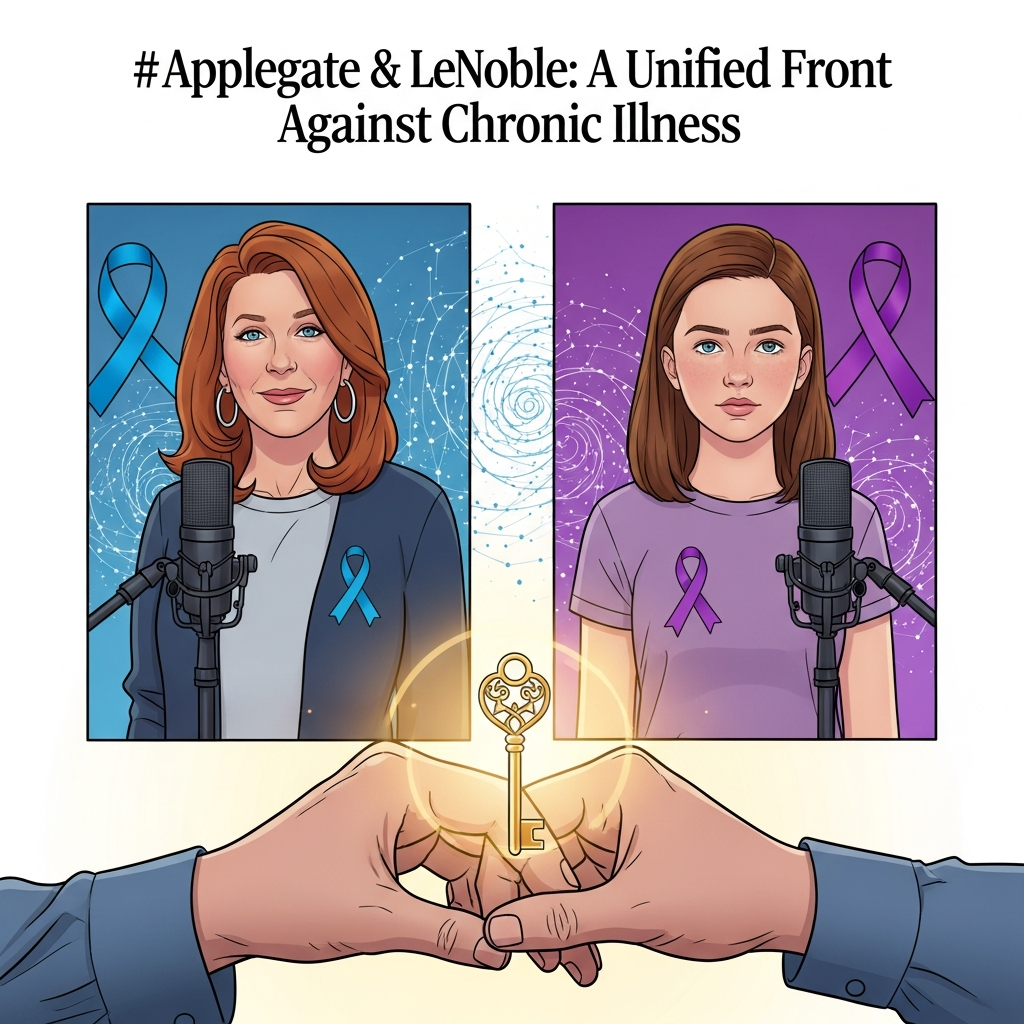
Beloved actress Christina Applegate, already navigating her own challenging journey with Multiple Sclerosis, has bravely shared a new personal struggle: her 13-year-old daughter, Sadie Grace LeNoble, has been diagnosed with Postural Tachycardia Syndrome (POTS). This poignant revelation, made on their “MeSsy” podcast, illuminates the family’s strength and commitment to raising awareness for invisible chronic illnesses. Discover the profound impact of Sadie’s diagnosis and how it fosters a deeper understanding between mother and daughter, highlighting the critical need for empathy and persistent advocacy in healthcare.
Unveiling Sadie’s Diagnosis: Postural Tachycardia Syndrome (POTS)
In a raw and emotional episode of her podcast, “MeSsy,” Christina Applegate opened up about a new chapter in her family’s health journey. Her 13-year-old daughter, Sadie LeNoble, has been diagnosed with Postural Tachycardia Syndrome (POTS). This news comes as Christina herself continues to live with Multiple Sclerosis, a condition she publicly announced in 2021. The joint announcement underscores the family’s dedication to transparency and demystifying the often-hidden struggles of chronic illness. Their candid conversation offers a rare glimpse into the realities faced by countless individuals.
What Exactly Is POTS? Understanding the Autonomic Impact
Postural Tachycardia Syndrome (POTS) is a chronic and complex condition. It primarily affects the autonomic nervous system, which controls involuntary bodily functions like heart rate, blood pressure, digestion, and temperature regulation. For individuals with POTS, their heart rate significantly increases when moving from a lying to an upright position. This excessive increase happens without a corresponding drop in blood pressure, leading to a variety of debilitating symptoms.
Sadie described her primary symptoms as intense dizziness and an overwhelming sensation of weak legs when standing. She often feels on the verge of fainting. Beyond these circulatory issues and palpitations, POTS can manifest in numerous other ways. These include:
Nausea and digestive problems
Breathing difficulties and shortness of breath
Persistent fatigue
Problems with concentration, often called “brain fog”
Headaches and lightheadedness
Tremors and anxiety
These symptoms can severely impact daily life, making simple activities incredibly challenging. Understanding the broad spectrum of POTS symptoms is crucial for early recognition and appropriate medical intervention.
The Emotional Toll: Dismissed Symptoms and the Road to Diagnosis
Sadie’s journey to a POTS diagnosis was not straightforward. She revealed suffering from these distressing symptoms for a considerable period. During this time, her complaints were often dismissed and not taken seriously. Sadie recounted the profound emotional and physical toll this dismissal took. She experienced accusations from classmates and even teachers, who suggested she might be feigning illness to avoid schoolwork. Some even implied her symptoms were “just anxiety.”
This lack of validation left Sadie feeling “completely let down” and isolated. The constant feeling of needing to pass out, especially during activities like standing in class or participating in gym, led to frequent visits to the nurse’s office. This frustrating experience highlights a common challenge for those with invisible illnesses. Many patients, particularly young individuals, face skepticism and judgment before receiving a proper diagnosis. Their brave decision to share this story emphasizes the vital importance of listening carefully to those experiencing chronic symptoms.
A Mother’s Apology and Unwavering Support
Christina Applegate openly admitted her initial failure to take her daughter’s symptoms seriously. She attributed this to her own ignorance about POTS. Reflecting on her daughter’s struggles, Christina expressed deep regret. “I feel terrible that we didn’t pay attention to it,” she stated, realizing she had mistakenly equated Sadie’s dislike for gym class with her own past experiences. This heartfelt apology demonstrates the powerful impact of a parent’s learning journey alongside their child’s diagnosis.
Despite the initial oversight, Christina now offers profound and unwavering support for Sadie. She believes deeply in her daughter’s resilience and strength. Applegate thanked Sadie for speaking out about her condition, acknowledging the courage it takes to share such a personal struggle. Her public acknowledgment and support are invaluable for raising broader awareness. It also encourages other parents to advocate fiercely for their children’s health, even when faced with dismissive attitudes from others.
Shared Struggles: How Chronic Illness Fosters Empathy
A significant and touching insight from Sadie was how her own diagnosis helped her better understand her mother’s experience with chronic illness. Sadie candidly acknowledged that having her own health struggles allowed her to empathize more deeply with Applegate’s pain and tremors from Multiple Sclerosis. She suggested that without her own illness, she might have been less understanding of her mother’s daily difficulties and the invisible burdens of MS.
This shared experience has forged a unique bond between mother and daughter. It underscores how personal challenges can cultivate profound empathy and strengthen family connections. Sadie’s revelation offers a powerful lesson in understanding. It shows how walking in someone else’s shoes, even metaphorically, can bridge gaps in perception and foster deeper compassion within families facing chronic health issues. This mutual understanding is a cornerstone of support.
Applegate’s Ongoing MS Journey and Public Advocacy
Christina Applegate’s own battle with Multiple Sclerosis began with her diagnosis in 2021. She has been remarkably open about her struggles, including bouts of depression related to the condition. Her candor about living with MS has made her a powerful advocate for the neurodegenerative autoimmune disease. She has frequently discussed the physical and emotional toll, sharing the daily realities of managing symptoms.
By extending her advocacy to include Sadie’s POTS diagnosis, Applegate reinforces her commitment to raising awareness for chronic illnesses. Her public platform provides a crucial voice. It helps shed light on conditions that are often misunderstood or overlooked. Both her MS journey and Sadie’s POTS diagnosis contribute to a broader conversation about health, resilience, and the importance of patient education and support. The family’s combined story highlights the complex challenges and unwavering spirit needed to navigate such health battles.
Navigating Chronic Conditions: Resources and Awareness
The Applegate family’s story serves as a vital reminder for everyone. Persistent investigation is crucial when facing unexplained symptoms. When initial medical opinions fall short, seeking second or third opinions can be life-changing. Empowering patients and families to advocate for proper diagnosis is essential for conditions like POTS and MS, which can often be difficult to diagnose. Support networks play a critical role, providing both emotional and practical assistance.
Raising public awareness helps reduce the stigma associated with chronic illnesses. It encourages more accurate understanding. Organizations dedicated to POTS (e.g., Dysautonomia International) and Multiple Sclerosis (e.g., National MS Society) offer invaluable resources, support groups, and educational materials. The courage of public figures like Christina Applegate and Sadie LeNoble to share their personal stories significantly contributes to this awareness. Their honesty encourages countless others to seek help and find solidarity in their own health journeys.
Frequently Asked Questions
What are the key symptoms of Postural Tachycardia Syndrome (POTS) as experienced by Sadie LeNoble?
Sadie LeNoble described experiencing intense dizziness and a profound sensation of weak legs primarily when standing up. She often felt as if she was about to faint. These symptoms are characteristic of POTS, a condition where the heart rate excessively increases upon standing. Other related symptoms mentioned in her experience and in the broader understanding of POTS include nausea, breathing difficulties, and problems with concentration, all stemming from autonomic nervous system dysfunction.
Where did Christina Applegate and her daughter Sadie bravely share Sadie’s POTS diagnosis with the public?
Christina Applegate and her 13-year-old daughter, Sadie LeNoble, made the public revelation of Sadie’s Postural Tachycardia Syndrome (POTS) diagnosis during a recent episode of Christina Applegate’s podcast, “MeSsy.” This intimate platform allowed both mother and daughter to discuss the challenges and emotional impact of Sadie’s chronic condition for the first time. The podcast serves as a powerful medium for their family to raise awareness for invisible illnesses.
Why is early diagnosis and validation crucial for individuals, especially children, experiencing chronic conditions like POTS?
Early diagnosis and validation are paramount for individuals, particularly children, facing chronic conditions such as POTS. As Sadie’s story highlights, a lack of understanding and dismissals from peers and even educators can lead to significant emotional distress, making children feel “completely let down.” Timely diagnosis provides access to appropriate medical treatments, helps prevent worsening symptoms, and crucially, validates the patient’s lived experience, affirming that their struggles are real and deserving of care. This validation can significantly improve their mental well-being and overall quality of life.
Conclusion
The Applegate family’s courageous decision to share Sadie’s POTS diagnosis alongside Christina’s ongoing MS journey offers a profound lesson in resilience and empathy. Their openness shines a critical light on the often-misunderstood world of chronic illnesses. Sadie’s experience underscores the urgent need for medical professionals, educators, and the public to listen attentively to symptoms, especially in young people, and to avoid quick judgments. Christina’s heartfelt support and advocacy, now encompassing both her own MS and Sadie’s POTS, are invaluable contributions to health awareness. This powerful narrative not only provides comfort to those facing similar battles but also champions a future where chronic conditions are met with greater understanding, compassion, and diligent care.