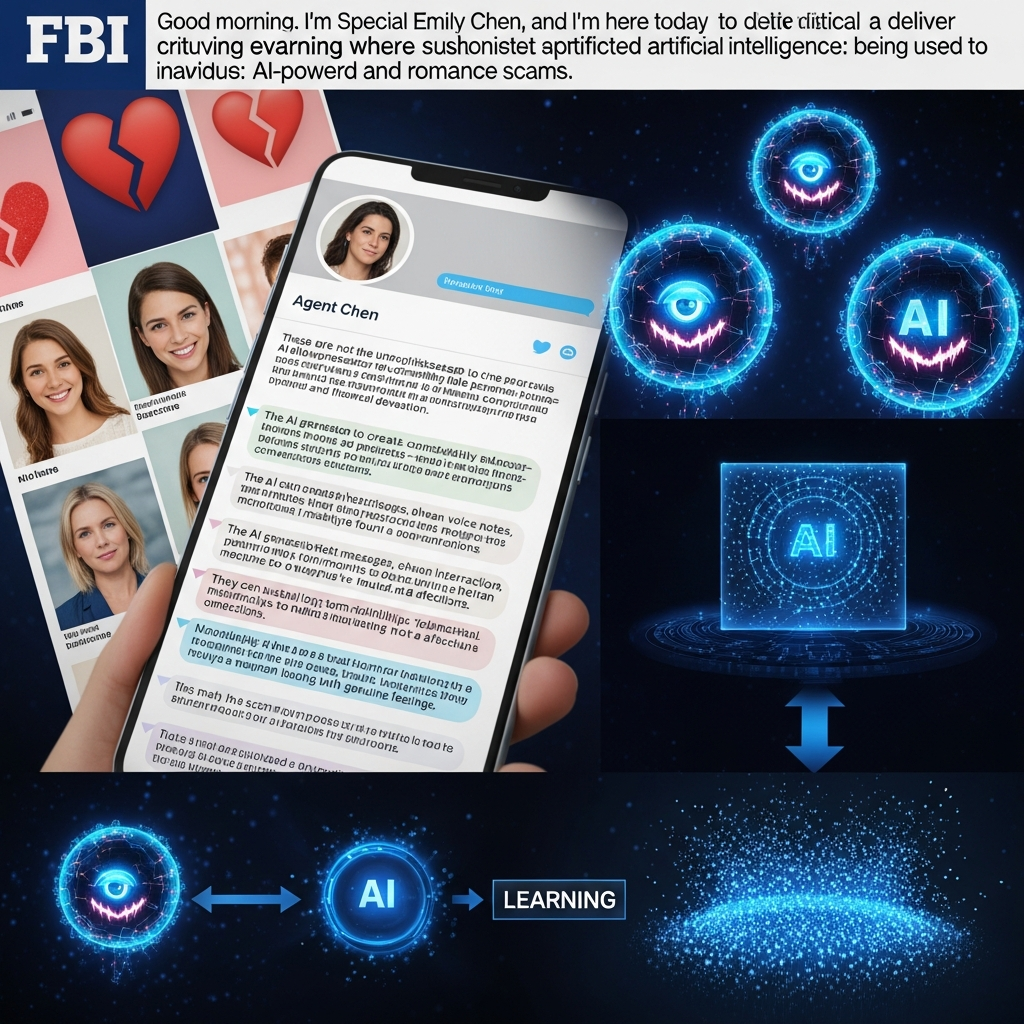
Valentine’s Day often sparks thoughts of love and connection, but the FBI issues a stark warning: romance scams are escalating, now supercharged by sophisticated AI. These online dating frauds, responsible for hundreds of millions in losses annually, exploit emotions, leaving victims heartbroken and financially devastated. Discover the new tactics scammers use, critical red flags, and expert advice to protect your heart and wallet from this growing cyber threat.
The Alarming Rise of Romance Scams
Romance scams, a pervasive form of cybercrime, continue to wreak havoc across the nation. While warnings often intensify around emotionally charged periods like Valentine’s Day, these deceptive schemes operate year-round, preying on individuals seeking companionship online. The Federal Bureau of Investigation (FBI) consistently reports staggering financial losses, emphasizing the urgent need for public awareness and vigilance. These aren’t just isolated incidents; they represent a sophisticated, widespread criminal enterprise.
Millions Lost: A National Crisis
The statistics paint a grim picture of the financial devastation caused by these frauds. In 2024 alone, over 17,000 Americans reported being victims of romance scams, with collective losses exceeding $672 million. Data from the FBI’s Internet Crime Complaint Center (IC3) indicates a persistent and growing problem. Specific regions have experienced profound impacts:
North Florida: In 2025, over 550 victims in areas like Jacksonville, Daytona, and Tallahassee lost a total of $22.2 million.
North Carolina: 519 victims reported losses totaling $18.8 million in 2024, averaging $36,000 per victim.
Alabama: The FBI’s Birmingham Division reported 261 romance scams in the previous year, with losses amounting to $7.56 million.
Texas: Texans alone lost over $57 million to these scams in 2024.
These figures, while significant, likely represent a substantial undercount. Many victims are too embarrassed, ashamed, or even still emotionally attached to their scammers to report the crime, making the true scale of the problem even greater.
How Scammers Weave Their Web of Deceit
Romance scammers are masters of manipulation, employing meticulously planned and emotionally exploitative tactics. They cultivate trust and affection through fake online personas, setting the stage for financial exploitation. These fraudsters are patient and strategic, often spending weeks or months building a relationship before making any financial requests.
The Art of “Love Bombing” and Isolation
Scammers typically initiate contact on dating sites, apps, chat rooms, or social media platforms. They quickly express intense feelings, showering targets with attention and flattering compliments – a technique known as “love bombing.” They often emphasize shared interests or exploit common relationship disappointments to forge an immediate, deep emotional connection. Once trust begins to form, they commonly:
Avoid in-person meetings: Excuses range from demanding overseas work, extensive travel, or urgent family responsibilities to medical emergencies.
Move conversations off-platform: They often push to switch communication from dating apps to more private messaging services like WhatsApp, making it harder for platforms to detect their fraudulent activity.
Isolate victims: They discourage victims from discussing the relationship or financial requests with friends and family, preventing external scrutiny.
A particularly insidious tactic involves introducing victims to “lucrative but secretive investment opportunities,” pressuring them to send significant sums of money and explicitly forbidding them from discussing these ventures with anyone.
The AI Advantage: A New Frontier for Fraud
A significant and disturbing trend in recent years is the increasing use of generative artificial intelligence (AI) by scammers. This technology allows criminals to enhance the believability and scale of their schemes, making detection far more challenging for potential victims.
AI tools are leveraged to:
Generate realistic photos and videos: Creating convincing profile pictures and shared images that appear to be of a real person.
Craft compelling social media profiles: Building entire fictitious online presences with fabricated connections to lend credibility.
Improve language translation: Minimizing grammatical errors, especially for foreign criminal actors targeting U.S. victims, making their communications sound more authentic.
Create fluent narratives: Generating compelling stories, excuses, and “love letters” that resonate deeply with victims.
This technological leap enables scammers to execute sophisticated, large-scale campaigns with unprecedented realism, blurring the lines between genuine connection and calculated deception.
Crucial Red Flags: Identify a Romance Scammer
Protecting yourself from romance scams begins with recognizing the tell-tale warning signs. Vigilance and healthy skepticism are your best defenses against these emotional and financial predators.
The “Too Perfect” Profile
Be cautious if an online connection seems too good to be true. Scammers often create idealized personas designed to appeal to a broad range of victims. Conduct reverse image searches on profile photos to check for authenticity; often, these images are stolen from others online. Ask probing questions, and pay attention to inconsistencies in their stories or details. If they claim to live or work overseas, that’s another common red flag explaining their inability to meet.
The Persistent Push for Money
The ultimate goal of a romance scammer is financial exploitation. They will eventually solicit money under various false pretenses. Be highly suspicious of any requests for funds, regardless of how tragic or urgent the story seems. Common justifications include:
Plane tickets for a promised visit that never materializes.
Unexpected work expenses or legal fees.
Medical emergencies for themselves or a fictional family member.
Business investments or opportunities.
Scammers often specify payment methods that are difficult to trace, such as gift cards, cryptocurrency, wire transfers, or prepaid cards. Remember, genuine romantic partners do not ask for money, especially before meeting in person.
Avoiding In-Person Meetings
A scammer’s inability or consistent refusal to meet in person or engage in video calls is a critical warning sign. They will always have excuses for why they cannot travel, why their webcam is broken, or why their job prevents them from connecting visually. This avoidance tactic maintains their anonymity and prevents you from verifying their true identity. Take relationships slowly; if they push for rapid declarations of love or moving off-platform before you’ve even had a video chat, proceed with extreme caution.
Protect Your Heart and Wallet: Expert Prevention Tips
The FBI and other consumer protection agencies offer clear, actionable advice to safeguard yourself against romance scams. Implementing these precautions can make a significant difference in protecting your emotional and financial well-being.
Smart Online Dating Habits
Research Thoroughly: Use online search tools to investigate profiles, photos, and any details shared by an online contact.
Guard Personal Information: Never share sensitive personal data like your Social Security number, home address, bank account details, or other financial information.
Verify Identity: Insist on video calls early in the relationship to confirm they are the person they claim to be. If they consistently refuse, it’s a major red flag.
Talk to Trusted Individuals: Consult a trusted friend or family member about your online relationship. An outside perspective can often spot inconsistencies or manipulation that you might miss.
Be Skeptical of “Perfection”: If someone seems “too perfect” or their story appears flawless, it probably is. Scammers often tailor their personas to match your desires.
Safeguarding Your Finances
Never Send Money: This is the golden rule. Do not send money, gift cards, or cryptocurrency to anyone you have only communicated with online or by phone. Funds sent this way are almost impossible to recover.
Be Wary of Tragic Stories: Scammers frequently invent tales of severe life circumstances, family deaths, injuries, or other hardships to elicit sympathy and financial aid.
Watch for Isolation Attempts: If your online partner pressures you to keep your relationship or financial requests a secret, it’s a serious warning sign.
In-Person Meeting Precautions: If you plan to meet someone online, choose a public place and inform a trusted person of your whereabouts and expected return time. If traveling abroad to meet someone, check State Department Travel Advisories (travel.state.gov), provide your itinerary to family, and avoid traveling alone.
Frequently Asked Questions
How are romance scammers using AI to deceive victims?
Romance scammers are increasingly leveraging generative AI to enhance the believability and scale of their schemes. AI tools allow them to create highly realistic fake photos and videos, generate convincing fictitious social media profiles, and improve language translation to minimize grammatical errors. This makes their online personas and narratives much more credible, making it harder for potential victims to detect the deception and enabling scammers to target more individuals more effectively.
Where should I report a suspected or confirmed romance scam?
If you suspect you are interacting with a romance scammer but haven’t lost money yet, immediately cease all contact and file a complaint with the FBI’s Internet Crime Complaint Center (IC3) at www.ic3.gov. If you have already lost money, you should report the incident to IC3, contact your financial institution immediately to report the fraud, and file a report with your local police department. Prompt reporting is crucial for investigation and potential fund recovery.
What are the most critical red flags to look out for in an online relationship?
The most critical red flags include rapid declarations of love or intense affection (“love bombing”), an inability or consistent refusal to meet in person or engage in video calls (often with elaborate excuses like overseas work or travel), and any request for money, gift cards, cryptocurrency, or wire transfers. Other significant signs are attempts to quickly move conversations off a dating app to a private messaging platform, stories that seem “too perfect,” and pressure to keep the relationship or financial requests a secret from friends and family.
Don’t Be Ashamed: How to Report Romance Scams
Falling victim to a romance scam can be a profoundly traumatic experience, often leaving individuals with feelings of embarrassment, shame, and betrayal. However, the FBI stresses that romance scams can affect anyone at any time, regardless of age or background. It is crucial not to let embarrassment prevent you from reporting the crime. Your report provides vital information to law enforcement, helping them track criminal networks and prevent others from falling victim.
If you suspect an online relationship is a scam, immediately cease all contact with the individual. Then, file a complaint with the FBI’s Internet Crime Complaint Center at www.ic3.gov, even if no money has been lost. If you have already sent money, also report the incident immediately to your financial institution and your local police department. Taking these steps is essential for potential fund recovery and for aiding authorities in combating this widespread form of fraud. Your action can make a difference.