Across Iran, a new wave of widespread protests has ignited, challenging the Islamic Republic with unprecedented intensity. This powerful surge of social unrest, fueled by a devastating economic crisis, has met with a brutal crackdown from authorities, drawing sharp warnings and condemnation from the international community. Observers note these demonstrations are distinct from past movements, reflecting deep-seated frustration and a profound rejection of the current system. Understanding the triggers, the government’s response, and global reactions is crucial as the situation continues to evolve.
Economic Hardship Ignites Nationwide Fury
The current Iran protests began in late 2025, primarily driven by severe economic hardship that affects everyday citizens. Soaring inflation, which has reached over 50%, and the dramatic collapse of the national currency (the rial) have crippled purchasing power. The US dollar’s value surged against the rial, making it nearly impossible for merchants to price goods. This economic turmoil triggered widespread market closures, notably in major commercial hubs like the Tehran Grand Bazaar and Alaeddin mall. For many Iranians, including police officers, wages barely cover basic necessities, leading to a silent crisis of morale even within security forces.
Food prices alone have skyrocketed by over 66% in the past year. Unreturned export revenues, estimated at $18 billion, have further destabilized markets. What started as desperate economic frustration quickly transformed into overt political dissent. Citizens took to the streets, demanding not just economic relief but fundamental change.
From Grievances to Calls for Regime Change
The initial economic grievances rapidly escalated into explicit demands for the overthrow of the Islamic Republic. Protesters in multiple cities began chanting potent slogans like “Death to the dictator,” directly referencing Supreme Leader Ayatollah Ali Khamenei. Other chants, such as “Khamenei is a murderer, his rule is void,” signaled a deep rejection of the regime’s legitimacy. Some demonstrators even invoked Iran’s deposed monarchy, with shouts of “Reza Shah, may your soul rest in peace,” and “Pahlavi will return.” This shift from economic complaints to outright political challenges highlights the profound discontent gripping the nation.
Acts of defiance became a hallmark of the protests. Demonstrators burned a statue of Ghassem Soleimani in Kashan and tore down images of the Supreme Leader in Ilam. They also attacked government buildings and set fire to state offices, demonstrating an unprecedented level of bravery. The protests spread beyond market corridors to universities, squares, and streets across numerous provinces.
Regime’s Iron Fist: A Brutal Crackdown Unfolds
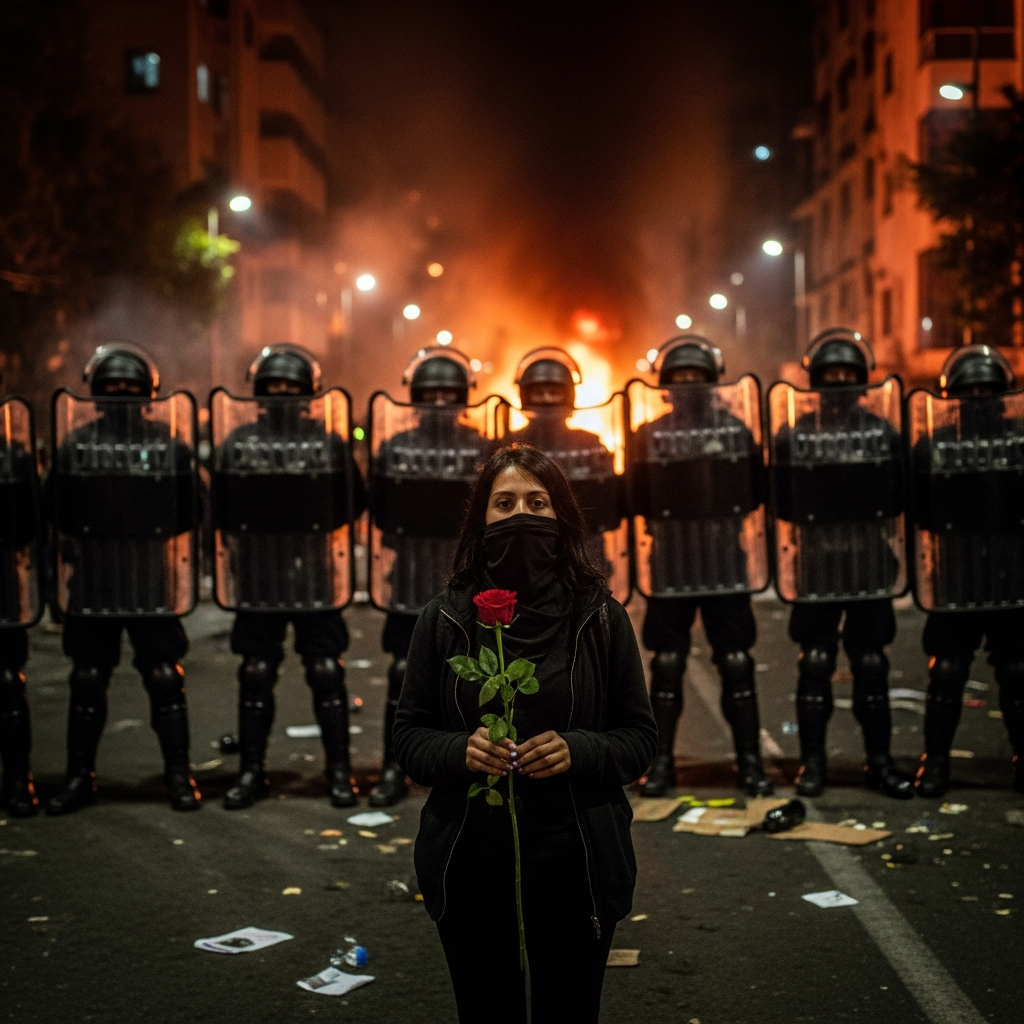
The Iranian regime has responded to the escalating unrest with a brutal and uncompromising crackdown. Security forces have used tear gas, physical violence, and live ammunition against demonstrators. Footage circulated on social media shows riot police on motorcycles chasing and beating protesters in Tehran and other municipalities. In Shiraz, streets became lined with military checkpoints and armored vehicles. The metro station serving Tehran’s commercial district was closed indefinitely, with tear gas deployed inside the subway terminal.
Judiciary chief Gholamhossein Mohseni Ejei issued a stern warning. He stated that those who aligned with “the enemy’s objectives” or intentionally increased pressure on people’s livelihoods could face severe punishment, including the death penalty under “corruption on earth” charges. General Ahmad Reza Radan, a security commander, further threatened that protesters would be “identified at any time and in any place, and will be prosecuted and punished.” The Human Rights Activists News Agency (HRANA) reported at least 36 fatalities, including four minors, alongside over 2,000 detentions. While the regime claimed two security personnel deaths, rights groups disputed this, identifying the deceased as protesters.
Internal Strain: A Cracking Foundation?
Amidst the Iran crackdown, reports indicate a “mounting strategic paralysis” within Tehran’s leadership. Simultaneously, a “silent crisis” or “force erosion” appears to be affecting Iran’s security forces. Viral videos showed police officers lamenting dire financial hardship and low wages, with some needing second jobs or considering selling a kidney. These videos, though later retracted under presumed pressure, underscore deep-seated livelihood problems even among personnel previously considered loyal to the system. While the Revolutionary Guards and regular army often benefit from subsidized privileges, police personnel face greater economic strain.
The government has attempted a dual approach: deploying security forces and making mass arrests while also offering conciliatory gestures. These include declaring a nationwide holiday, suggesting dialogue, replacing the central bank governor, and pledging currency stabilization. However, hardliners continue to advance restrictive policies, such as internet limitations and strict hijab enforcement.
Global Echoes: International Reactions and Warnings
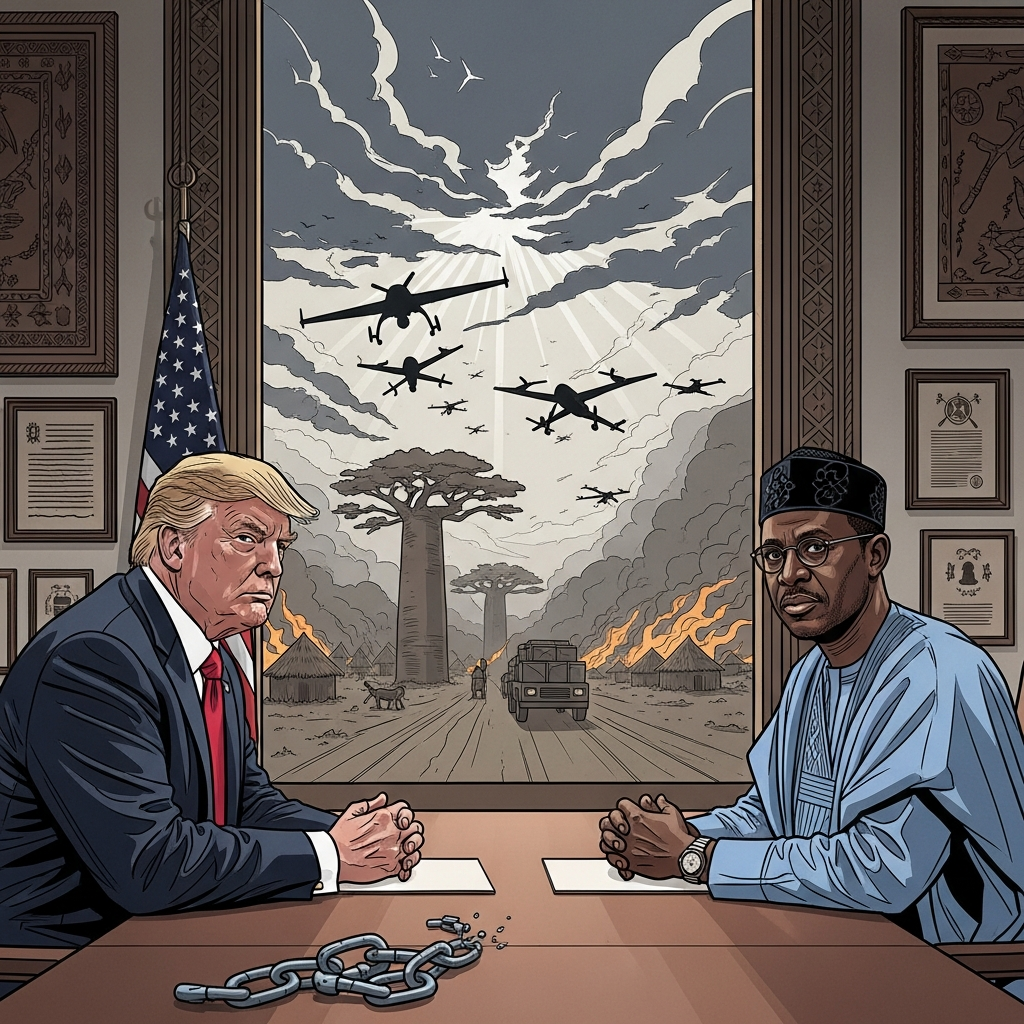
The escalating Iran protests and the regime’s violent response have drawn significant international attention. U.S. President Donald Trump issued stern warnings, threatening severe consequences if Iranian security forces used lethal force against demonstrators. He stated, “if they start killing people… we’re going to hit them very hard,” and later dramatically added the U.S. was “locked and loaded and ready to go” to “rescue” peaceful protesters. Trump expressed sympathy for the Iranian people but refrained from calling for regime change, advocating instead for a “wait-and-see” approach regarding future leadership. He also denied any appropriateness in meeting with Reza Pahlavi, son of Iran’s former monarch, at the current time.
In response, Iran’s Foreign Ministry and key figures like Ali Larijani warned the U.S. would bear “full responsibility for the consequences” of intervention, threatening “chaos across the entire region and the destruction of American interests.” They asserted Iran’s military strength and non-negotiable missile capabilities. Israel’s Foreign Ministry and National Security Minister expressed symbolic support for Iranian demonstrators. The UN Office of Human Rights voiced “concern,” urging Iran to uphold rights to freedom of expression and peaceful assembly. Iranian activists, including Masih Alinejad and Nobel Peace Prize laureate Narges Mohammadi, called for concrete international actions, such as expanding Starlink internet access for protesters and imposing “maximum consequences” on officials ordering lethal force.
A Broader Lens: Understanding Iran’s Unrest
Analysts note that this wave of Iran protests differs significantly from past movements, such as the 2009 Green Movement or the 2022 “Woman Life Freedom” protests. The current unrest is broader, directly impacting nearly every Iranian due to the unprecedented economic collapse. Crucially, it lacks a unified political leadership or a specific figure around whom to rally. Slogans are overwhelmingly against the regime and its leaders, rather than for a specific alternative.
Experts like Alex Vatanka describe the prevailing mood among protesters as “fatalism” and “despondency.” This stems from a lack of hope for systemic change and the absence of clear cracks within the regime, despite internal pressures. The situation is also unfolding against a backdrop of ongoing regional tensions, including a “June 2025 war” between Iran and “US-backed Israel,” contributing to Iran’s “strategic paralysis” and its declared readiness for preemptive strikes.
Frequently Asked Questions
Why are the recent protests erupting across Iran?
The recent protests in Iran, starting in late 2025, were primarily triggered by a severe economic crisis. This includes soaring inflation (over 50%), a dramatic collapse of the national currency (rial), and skyrocketing food prices (over 66% increase). These economic hardships have led to widespread market closures, desperate financial struggles for citizens, and low morale among security forces. What began as economic frustration quickly transformed into political dissent, with calls for regime change.
Which cities and regions have been most impacted by the ongoing protests in Iran?
The protests began in Tehran’s Grand Bazaar and quickly spread nationwide. Major urban centers like Tabriz, Isfahan, Mashhad, Kerman, and Shiraz have seen significant unrest. Beyond these, the demonstrations reached numerous provinces and cities, including Qeshm Island, Zanjan, Hamadan, Malard, Pardis, Ilam, and Kashan. Notably, the city of Karaj, with a population of 1.5 million, was reported to have fallen under protester control, indicating the widespread nature of the uprising.
How has the U.S. and international community reacted to the Iranian crackdown?
The U.S., through President Donald Trump, issued stern warnings to Iran, threatening severe retaliation (“hit them very hard”) if security forces used lethal force against protesters. While supporting the demonstrators, Trump did not call for regime change. Iran’s Foreign Ministry warned the U.S. of “full responsibility” for intervention, threatening regional chaos and destruction of U.S. interests. Other international reactions include symbolic support from Israel, concern from the UN Office of Human Rights, and condemnation of killings by Amnesty International. Activists have called for concrete actions like Starlink internet access and sanctions on officials.
The Road Ahead for Iran
The ongoing protests in Iran represent a critical juncture for the Islamic Republic. Fueled by profound economic despair and a desire for fundamental political change, these demonstrations have tested the regime’s capacity for control while highlighting internal vulnerabilities within its security apparatus. The international community watches closely, with the U.S. issuing strong warnings against violence, yet also exercising caution regarding direct intervention in leadership transitions. As tensions persist and the Iranian people continue to voice their dissent, the long-term implications for the country and the broader Middle East remain uncertain, demanding continued vigilance and analysis.
References
- <a href="https://www.lemonde.fr/en/international/article/2026/01/07/iran-s-regime-faces-combined-pressure-from-street-protests-israel-and-us67491894.html”>www.lemonde.fr
- news.abplive.com
- www.iranintl.com
- www.israelhayom.com
- www.newsweek.com