One year can feel like a lifetime in a nation grappling with conflict’s aftermath. In Syria, despite some shifts in control and ongoing international diplomacy, the healing process remains deeply stalled. This past year has starkly underscored the profound, multi-layered challenges preventing true recovery and reconciliation. While the initial premise of a complete flight by Bashar al-Assad may be historically nuanced, the profound impact of the Syrian conflict on its people and infrastructure is undeniably real. Understanding the complex interplay of political stagnation, economic collapse, and humanitarian crises is crucial to grasping why Syria’s path to stability remains fraught, even years after the initial sparks of rebellion.
The Shadow of a Protracted Conflict: A Nation Fragmented
The Syrian conflict, now stretching for over a decade, has fundamentally reshaped the nation. What began as peaceful protests against the government of Bashar al-Assad evolved into a complex civil war involving numerous internal and external actors. While the notion of Assad “fleeing” the country is not reflective of his current reality in power, there have been periods of intense pressure and significant territorial losses for his regime, creating pivotal moments of uncertainty. It’s in the aftermath of such intense periods that the hope for a new direction often emerges, only to be met by the stark realities of deep-seated division and persistent external interference.
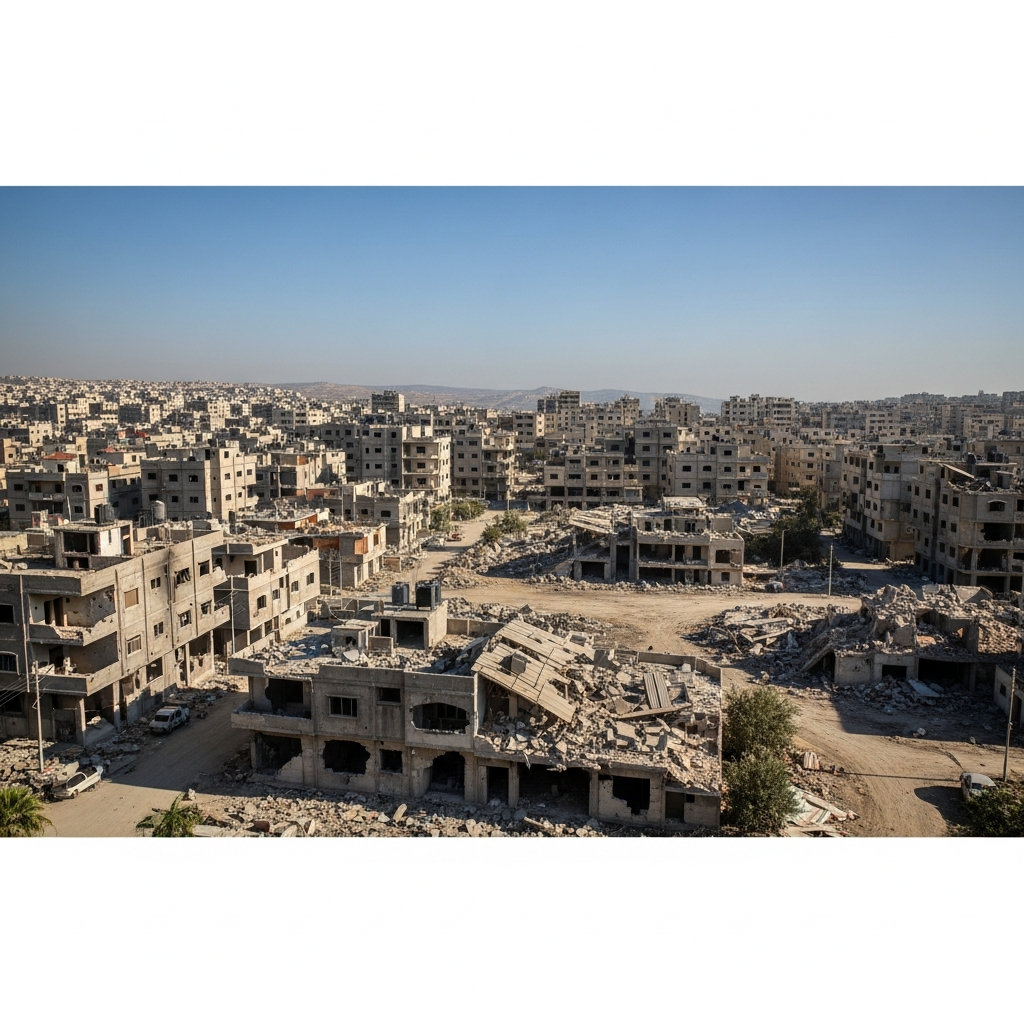
The scale of human displacement is staggering. Millions of Syrians have become refugees in neighboring countries and further afield, while millions more are internally displaced within Syria itself. These populations face dire conditions, with limited access to food, shelter, healthcare, and education. The physical destruction across urban and rural landscapes is immense, mirroring the societal fragmentation. Cities like Aleppo, Homs, and Raqqa bear the scars of relentless bombardment, leaving infrastructure in ruins and communities shattered.
Economic Ruin and Humanitarian Catastrophe
Syria’s economy has been decimated. Years of conflict, international sanctions, and widespread corruption have crippled industries, destroyed livelihoods, and led to hyperinflation. The Syrian pound has plummeted in value, eroding purchasing power and plunging a vast majority of the population into poverty. Essential services, where they exist, are often rudimentary and unreliable. Electricity is scarce, water infrastructure is damaged, and healthcare systems are overwhelmed or nonexistent in many areas.
The humanitarian crisis continues to deepen. Across the country, an estimated 15.3 million people require humanitarian assistance – a staggering figure representing over 70% of the population. Food insecurity is rampant, with millions unable to afford basic meals. Children, in particular, bear the brunt of this crisis, facing malnutrition, lack of schooling, and profound psychological trauma. Aid organizations face immense challenges in delivering assistance due to ongoing insecurity, bureaucratic hurdles, and the sheer scale of need. Effective Syria’s post-conflict healing cannot begin without addressing these fundamental human needs.
Obstacles to Reconciliation and Reconstruction
The path to genuine reconciliation and effective reconstruction in Syria is riddled with formidable obstacles. Politically, the future remains uncertain. Efforts towards a lasting peace settlement, often brokered by international powers, have largely stalled. The Syrian government, backed by allies like Russia and Iran, maintains control over significant territories, while various opposition groups, Kurdish forces, and extremist organizations hold sway elsewhere. This fragmentation, coupled with a lack of trust among all parties, makes comprehensive political reform seem distant.
Economically, the prospects for large-scale reconstruction are hampered by a lack of funding and political will. Many international donors are reluctant to commit significant reconstruction aid without a credible and inclusive political transition. Furthermore, the presence of various armed groups and shifting allegiances complicates the security landscape, making it difficult to plan and implement long-term development projects. Addressing the challenges of Syria’s recovery requires an integrated approach that tackles both political and economic dimensions simultaneously.
Geopolitical Chessboard: External Influence and Internal Divides
Syria remains a significant theater for regional and international power struggles. Various global and regional powers maintain military presences and exert influence, often supporting opposing factions. This complex web of alliances and rivalries further entrenches the internal divisions and prolongs the conflict’s aftermath. For instance, Turkey maintains influence in northern Syria, while Iranian-backed militias operate in various parts of the country. Russia’s military support for the Assad regime has been instrumental in its survival and territorial gains.
The lack of a unified international approach to Syria’s future complicates matters further. While there is broad consensus on the need for peace and stability, disagreement on how to achieve it, particularly regarding Assad’s role, persists. This geopolitical gridlock undermines efforts to forge a common path towards Syria’s future stability and allows existing grievances to fester. The international community’s role is critical in fostering dialogue, upholding humanitarian principles, and supporting initiatives that genuinely benefit the Syrian people.
The Long Road Ahead: Sustaining Hope Amidst Despair
Despite the immense difficulties, pockets of resilience and hope persist. Local communities, often with support from NGOs, are attempting to rebuild lives and livelihoods. Small-scale initiatives focus on education, vocational training, and psychological support for those traumatized by war. These grassroots efforts, though limited in scope, offer a glimpse of what Syria’s healing journey could look like with broader support and a more stable environment.
For Syria to truly heal, several key elements are essential. A credible political process that addresses the legitimate grievances of all Syrians is paramount. This must be accompanied by a commitment to accountability for past atrocities and the establishment of justice mechanisms. Furthermore, coordinated international humanitarian and development aid, free from political manipulation, is vital for economic revitalization and the restoration of basic services. The world must not forget the millions of Syrians still struggling, years after the world first witnessed their cries for freedom and peace.
Frequently Asked Questions
What are the main obstacles hindering Syria’s healing process?
Syria’s healing process is severely hindered by a confluence of factors. Politically, a lack of credible reconciliation and an inclusive political transition prevents national unity. Economically, hyperinflation, destroyed infrastructure, and international sanctions have led to widespread poverty and a collapse of basic services. Humanitarian challenges include mass displacement, food insecurity for millions, and inadequate healthcare. Furthermore, persistent external geopolitical interference and the fragmentation of power among various internal and external actors perpetuate instability, making any comprehensive Syria’s recovery efforts extremely difficult to implement.
Where is the most critical humanitarian aid needed in Syria today?
Humanitarian aid is critically needed across all of Syria, but particular focus areas include the northwest (Idlib region), which remains a densely populated area controlled by opposition groups and home to millions of internally displaced persons. The northeast, under the control of the Syrian Democratic Forces, also faces significant challenges, including the aftermath of conflicts and limited resources. Pockets of need also exist within government-controlled areas, particularly in rural zones and cities heavily damaged by the conflict, where basic services are stretched thin. Ensuring access to food, shelter, clean water, and medical supplies remains paramount across all regions affected by the ongoing crisis.
How can the international community best support Syria’s path to recovery?
For the international community to best support Syria’s path to recovery, a multi-faceted approach is essential. This includes advocating for and facilitating a genuine, inclusive political solution that reflects the will of the Syrian people. Increased, unconditional humanitarian funding is crucial to address immediate needs. Beyond aid, investment in early recovery and reconstruction efforts, particularly in education, healthcare, and basic infrastructure, is vital, conditional on transparent governance and equitable distribution. Finally, efforts to promote accountability for human rights violations and support for justice mechanisms can help lay the groundwork for long-term reconciliation and a sustainable Syria’s future.