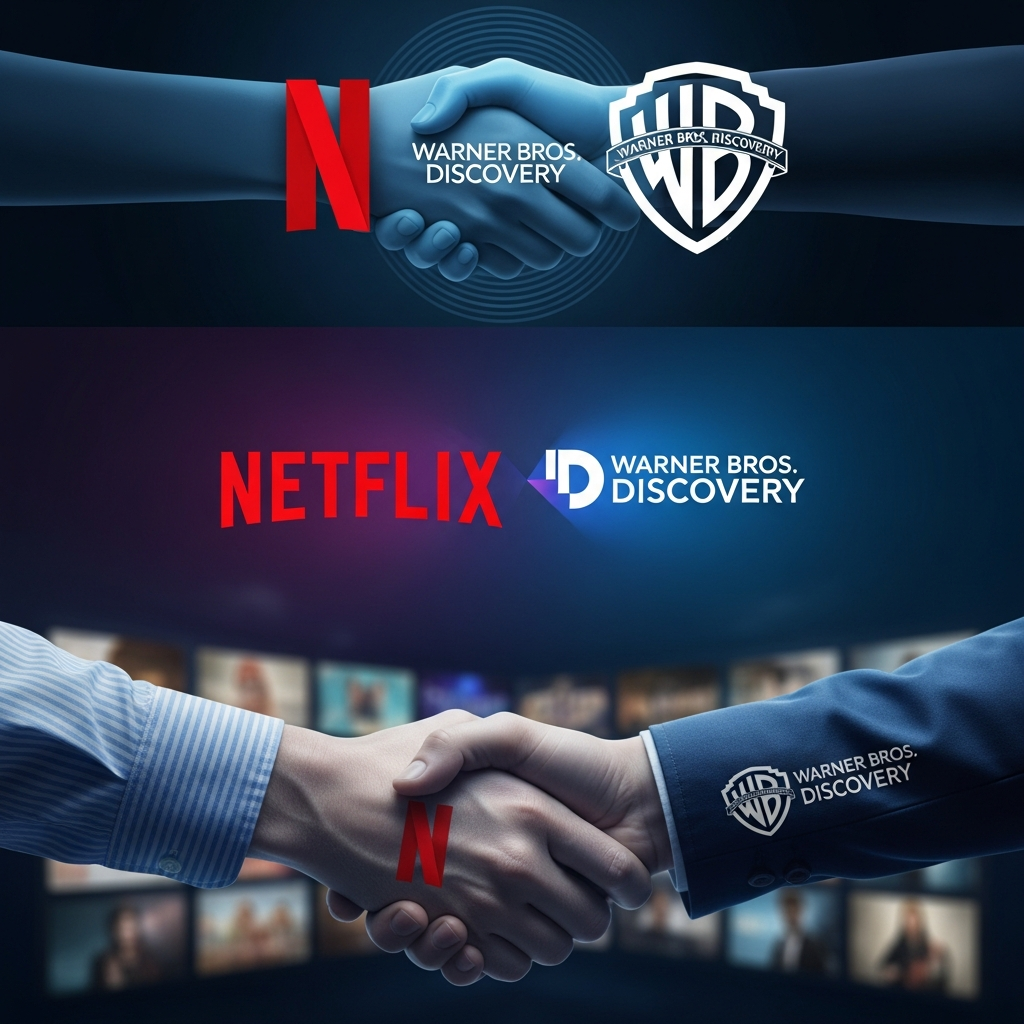
The streaming landscape is in constant flux, but few developments signal a tectonic shift quite like the Netflix Warner Bros deal. What was once an era defined by fierce exclusivity and content hoarding has begun to soften, with major players like Warner Bros. Discovery (WBD) now licensing critically acclaimed titles to their long-time rival, Netflix. This strategic move isn’t just about sharing shows; it’s a profound re-evaluation of streaming economics and subscriber engagement, reshaping the future of digital entertainment. For consumers, it means more access to beloved series, while for the industry, it’s a bold play for revenue and audience reach in an increasingly competitive market.
The Unexpected Alliance: Why WBD is Licensing Content to Netflix
In a move that surprised many industry observers, Warner Bros. Discovery initiated a series of content licensing agreements with Netflix. This wasn’t a desperate capitulation but a calculated financial and strategic decision. After the monumental merger creating WBD, the company faced substantial debt and a need to maximize revenue across all its assets. Exclusively housing every piece of content on its own platform, Max (formerly HBO Max), proved to be an expensive and potentially limiting strategy.
Navigating the Post-Merger Financial Landscape
The WBD merger came with significant financial obligations. Licensing a portion of its extensive content library, particularly older, non-exclusive titles or those with less immediate promotional value for Max, provides a crucial revenue stream. This income can be reinvested into new productions, debt reduction, or enhancing the core Max offering. It’s a pragmatic approach that acknowledges the reality of high production costs and the challenge of profitability in the streaming sector.
Shifting from Exclusivity to Monetization
The initial “streaming wars” dogma dictated that proprietary content must remain exclusive to drive subscriptions. However, this model has shown its limitations. Many subscribers balk at paying for multiple services, and even premium content can struggle to find its audience if locked behind a single paywall. By making select titles available on Netflix, WBD is reaching a massive global audience that might never subscribe to Max. This expands viewership for their intellectual property, potentially generating new fans for future WBD projects, and, most importantly, provides an immediate financial return.
What the Netflix Warner Bros Deal Means for Content Libraries
The most tangible impact of this collaboration for viewers is the diversification of content available on Netflix. Titles like HBO’s acclaimed Band of Brothers, Six Feet Under, and Issa Rae’s hit comedy Insecure have found a new home (or a temporary secondary home) on the platform. These aren’t obscure shows; they are award-winning, high-quality productions that resonate with a broad audience.
Enriching Netflix’s Catalog and Attracting New Subscribers
For Netflix, the deal offers a significant boost to its content library without the massive upfront investment of original production. Adding critically acclaimed dramas and comedies from HBO strengthens its value proposition, potentially attracting new subscribers who might have previously overlooked the platform for specific genres. It also helps reduce churn among existing subscribers by offering a fresh rotation of premium, third-party content. This strategy aligns with Netflix’s recent efforts to broaden its content appeal beyond its own original productions.
The Role of Non-Exclusive Licensing in Modern Streaming
This isn’t about Max giving away its crown jewels forever. Often, these licensing deals are non-exclusive, meaning the content remains available on Max while also appearing on Netflix. Alternatively, they might be for specific windows or territories. This allows WBD to double-dip on revenue and audience reach. It signifies a mature evolution in the streaming market, where pure exclusivity is no longer the sole arbiter of success. Instead, smart content monetization across multiple platforms is becoming a key strategy.
Broader Implications for the Streaming Industry
The Netflix Warner Bros deal is more than just a transaction between two companies; it’s a bellwether for the entire streaming industry. It suggests a move away from the hyper-competitive, all-or-nothing “streaming wars” mentality towards a more collaborative, financially driven ecosystem.
A New Era of Collaboration Over Competition?
While competition will always exist, these deals hint at a future where strategic partnerships are more common. As content production costs soar and subscriber growth plateaus for many services, shared content can ease financial burdens and expand market reach for all involved. This could lead to more cross-platform availability of older libraries, niche content, or even co-productions, benefiting consumers with broader access and companies with diversified revenue streams.
Impact on Max and WBD’s Long-Term Strategy
For Max, the strategy is about discerning which content is core to its brand identity and subscriber retention, and which can be monetized elsewhere. While licensing out certain titles might seem counterintuitive, WBD believes it doesn’t dilute Max’s premium appeal, especially if the licensed content isn’t current HBO Originals or highly anticipated new releases. It allows Max to focus its resources on creating new, exclusive content that truly defines its brand, while still generating value from its extensive back catalog. This financial injection provides WBD the flexibility to invest in its tentpole franchises and innovative storytelling.
The Future of Content Distribution
The success of the Netflix Warner Bros deal could pave the way for similar arrangements across the industry. We might see other media conglomerates with extensive libraries exploring licensing opportunities with rival platforms. This shift could lead to a more interconnected streaming ecosystem, where content flows more freely, driven by financial imperatives rather than strict ideological adherence to exclusivity.
Enhancing User Experience and Value
Ultimately, these deals can lead to a better experience for the end-user. Instead of needing dozens of subscriptions to watch all their favorite shows, consumers might find a broader array of content on fewer, more robust platforms. This increased value proposition could help combat subscription fatigue and illegal piracy, making legitimate streaming services more attractive. The strategic decisions made by companies like Netflix and Warner Bros Discovery are constantly evolving to meet both consumer demands and shareholder expectations.
Frequently Asked Questions
What specific content from Warner Bros. Discovery has been licensed to Netflix?
The Netflix Warner Bros deal has seen several high-profile HBO titles licensed to Netflix. Notable examples include the critically acclaimed World War II miniseries Band of Brothers, the poignant drama Six Feet Under, and the popular comedy series Insecure. Additionally, animated series like Pacific Rim: The Black and The Nevers have also been part of these strategic licensing agreements, enriching Netflix’s offerings with diverse and premium content from the WBD library.
Why is Warner Bros. Discovery choosing to license content to a direct competitor like Netflix?
Warner Bros. Discovery’s decision to license content to Netflix is primarily a strategic financial move. Following their massive merger and significant debt, WBD aims to maximize revenue from its vast content library. By licensing older or non-core titles, WBD generates additional income that can be used for debt reduction, investment in new original productions for Max, or to bolster overall company finances, while simultaneously expanding the audience reach for their intellectual property.
How does this content licensing deal impact the “streaming wars” and the future of exclusive content?
The Netflix Warner Bros deal signifies a notable shift in the “streaming wars,” moving away from absolute content exclusivity towards a more nuanced approach. While exclusive content remains crucial for individual platform identity, this collaboration suggests a future where strategic licensing and partnerships could become more common. It indicates that financial profitability and broad audience reach are increasingly prioritized alongside exclusivity, potentially leading to a more interconnected streaming landscape where content creators seek multiple avenues for monetization and distribution.
Conclusion
The Netflix Warner Bros deal marks a pivotal moment in the streaming industry. It underscores a strategic evolution where maximizing revenue and reaching wider audiences can sometimes outweigh the traditional impulse for absolute content exclusivity. This collaboration offers significant benefits to both parties: WBD gains crucial revenue and broader exposure for its valuable intellectual property, while Netflix enhances its content catalog with high-quality, acclaimed titles, potentially boosting subscriber acquisition and retention. As the streaming landscape continues to mature, expect to see more of these strategic alliances, signaling a new era of pragmatic cooperation that ultimately benefits consumers with a richer, more accessible world of entertainment. This evolving strategy is key to understanding the future trajectory of major media companies.