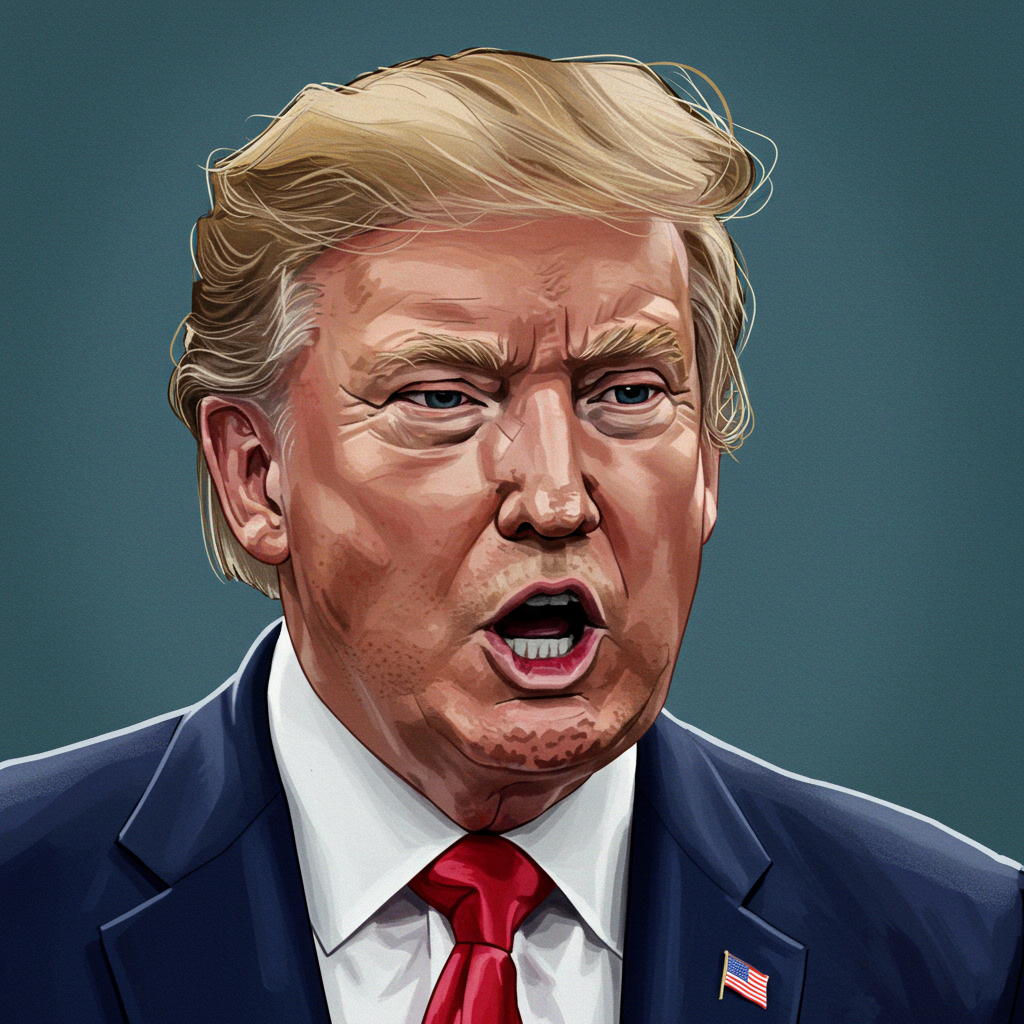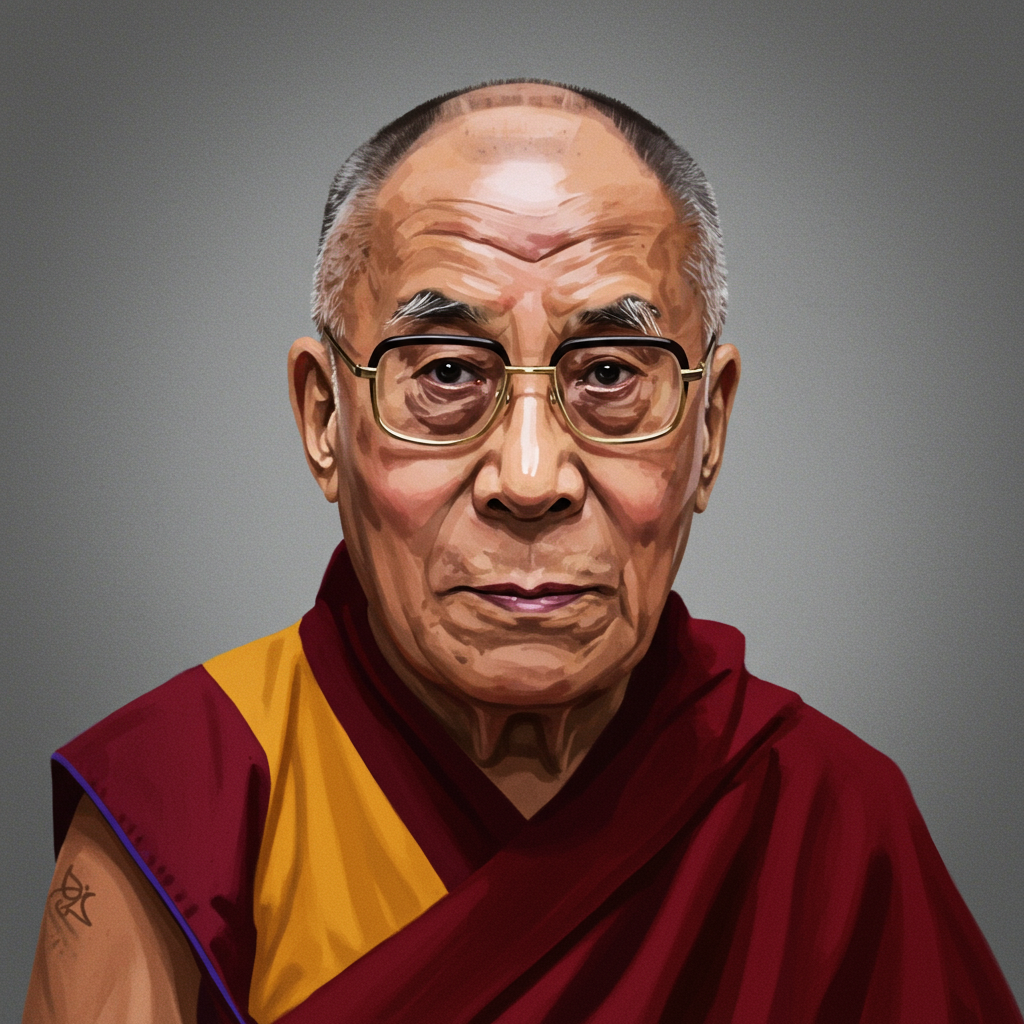
As the 14th dalai Lama celebrates his 90th birthday on July 6, 2025, global attention focuses on a deeply significant spiritual event intertwined with a tense geopolitical struggle. The milestone highlights the critical question of his succession. This issue pits the Tibetan government-in-exile, based in India, against the Chinese government in a fundamental disagreement over authority.
The spiritual leader has made his position clear. He maintains that he, and ultimately the Tibetan people, will choose his successor. They will not recognize anyone selected by Beijing. This declaration directly challenges China’s assertion that it holds the sole right to identify the next Dalai Lama. China has controlled Tibet for over seven decades, viewing the succession as a matter of state control rather than religious tradition.
Decoding the Geopolitical Power Struggle
The core of the dispute lies in competing claims of legitimacy and control. For Tibetan Buddhists, the Dalai Lama is a reincarnation, the spiritual heart of their culture and identity. The traditional process involves searching for signs and candidates after the current leader’s death. The Tibetan government-in-exile upholds this tradition. They see China’s interference as an attempt to control Tibetan religious and political life.
China, conversely, views the succession as a political tool. They aim to install a figure loyal to the Communist Party. This would allow them to tighten their grip on Tibet and neutralize the influence of the current Dalai Lama. He remains a potent symbol of Tibetan resistance worldwide. The upcoming 90th birthday brings this long-simmering conflict into sharp focus. It raises questions about the timing and method of the next leader’s identification.
The Tibetan Government-in-Exile’s Perspective
Penpa Tsering, the president of the Tibetan government-in-exile, has offered insights into the likely path forward. Speaking recently, Tsering indicated that succession through reincarnation after the Dalai Lama’s passing remains the most probable scenario. This aligns with traditional practices. While speculation has included the possibility of identifying a successor based on “karmic” connection during the current leader’s lifetime, Tsering’s comments suggest this is less likely.
The 14th Dalai Lama himself has also raised the possibility that his successor could be a woman. This reflects a forward-thinking perspective within the spiritual tradition. It also acknowledges the changing world. This potential adds another layer of complexity to the process. It challenges traditional norms while staying true to the flexible nature of reincarnation beliefs.
Tsering mentioned that the Dalai Lama was scheduled to deliver a video message on July 2nd. This date was just days before his 90th birthday. However, it was not confirmed if this message would specifically address the succession issue. The uncertainty surrounding such announcements underscores the sensitive nature of the topic. It is a subject fraught with both spiritual importance and political risk.
China’s Political Motivation
From the perspective of the Tibetan government-in-exile, China’s interest in the succession is purely political. Tsering stated that Chinese officials want to select a new Dalai Lama specifically “to fulfill their political needs.” This view sees Beijing’s actions as detached from genuine religious respect. Instead, it is seen as a strategic move to manage internal control and international perception regarding Tibet.
Beijing seeks to choose a figure who will support its narrative. This narrative portrays Tibet as a harmonious part of China. It would suppress calls for genuine autonomy or independence. A state-controlled successor would lack the legitimacy among Tibetans that is derived from traditional spiritual methods. This would likely exacerbate tensions, not resolve them.
A History of Conflict and Exile
Understanding the current situation requires acknowledging the history. The 14th Dalai Lama, Tenzin Gyatso, was identified as his predecessor’s reincarnation in the traditional manner. He assumed his role as spiritual leader in 1950 at the young age of two. His early years coincided with increasing Chinese control over Tibet.
In 1959, following a failed uprising against Chinese rule, the Dalai Lama fled Tibet. He established the Tibetan government-in-exile in Dharamsala, India. This move created two parallel authorities claiming influence over Tibetan affairs. China regards the Dalai Lama as a dangerous separatist. However, he maintains that he seeks only genuine autonomy for Tibet. His goal is to preserve its distinct religion, culture, and language. He advocates for peaceful solutions. This advocacy earned him the Nobel Peace Prize in 1989.
Formal talks between representatives of the Dalai Lama and China have stalled. The last round of official dialogue occurred in 2010. Since then, communication has reportedly been limited to unofficial channels. This lack of formal engagement complicates any potential resolution regarding the succession issue. It leaves a significant gap in communication between the key parties.
China’s Policies and Tibetan Identity
Tsering offered a broader perspective on China’s approach. He characterized Beijing’s policies concerning Tibet and other ethnic minorities as an effort towards “eliminating the identity of the nationalities” of these groups. He described this approach as “colonial style.”
One example he cited was restrictions on teaching native languages in schools. Such policies strike directly at the root of ethnic identity. They aim to assimilate minority populations into the dominant Han Chinese culture. The control over religious succession is seen as another facet of this broader strategy. It is a way to control a central pillar of Tibetan identity and resistance. Tsering recently completed a tour promoting the Tibetan cause in the United States, Canada, and Japan. These international efforts highlight the global dimension of the issue.
The Dalai Lama’s Health and Legacy
Amidst the political and spiritual discussions, there is also focus on the Dalai Lama’s health. Tsering reported that despite having knee surgery in June 2024, the spiritual leader is in good health. This is reassuring news for his millions of followers worldwide.
Interestingly, Tsering quoted the Dalai Lama as saying he expects to “live for two decades (from now) and more.” This means he anticipates living up to 113 years of age. He noted that traditional prophecies also suggest a very long life for him. While his health seems stable now, the reality of his advanced age underscores the urgency for the Tibetan community to solidify their plans for the succession process. The 90th birthday serves as a poignant reminder of this important transition on the horizon. The selection of the 15th Dalai Lama will be a pivotal moment for Tibetan Buddhism and the future of Tibetan culture and identity globally.
Frequently Asked Questions
Why is there a dispute over the Dalai Lama’s successor?
The dispute centers on who has the authority to identify the next incarnation of the Dalai Lama. The Tibetan government-in-exile believes this process should follow traditional religious methods, led by Tibetan Buddhist leaders. China, however, claims the sole right to choose the successor. They view it as a political appointment to ensure control over Tibet and its religious affairs. The current Dalai Lama rejects any successor chosen by Beijing.
Where is the Tibetan government-in-exile based?
Following the 14th Dalai Lama’s exile from Tibet in 1959, the Tibetan government-in-exile was established in Dharamsala, India. This location serves as the administrative and cultural center for many Tibetans living outside Tibet. It is also the primary seat of authority for coordinating efforts related to Tibetan autonomy and preserving Tibetan culture and identity abroad.
How is the Dalai Lama typically chosen, and how might the next selection differ?
Traditionally, the Dalai Lama is identified as the reincarnation of the previous one after his death. This involves searching for signs, visions, and candidates. The current Dalai Lama and the Tibetan government-in-exile expect this reincarnation process to occur again. However, the 14th Dalai Lama has also raised the possibility that his successor could be a woman. China’s insistence on state control introduces a major political deviation from the spiritual tradition, creating the core of the current dispute.